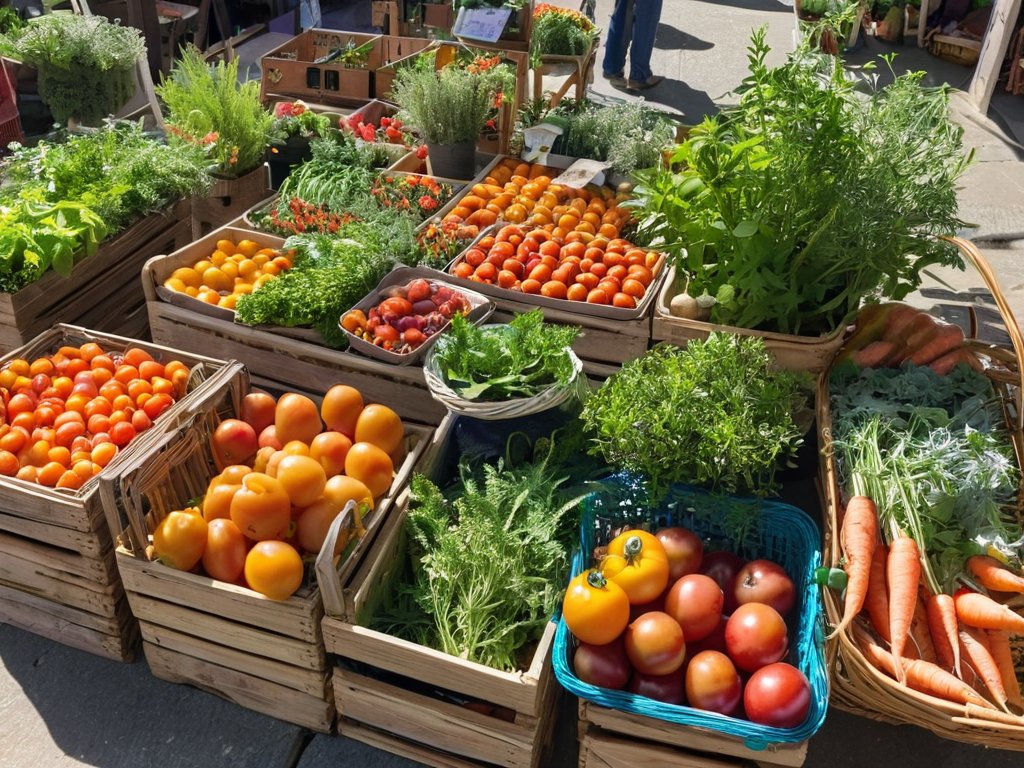
I still remember the smell of freshly picked tomatoes from my grandmother’s garden in New Delhi, where she would carefully nurture each plant using sustainable ingredients. The way she would lovingly tend to the soil, using natural compost and recycled water, not only resulted in the most delicious tomatoes I’ve ever tasted but also taught me the value of reducing waste and living in harmony with nature. As I traveled to different parts of the world, I realized that this simple yet powerful approach to sustainable living was not just a niche practice, but a global movement that had the potential to bring people together and foster a deeper appreciation for the planet.
As someone who has spent years exploring the complexities of global food systems, I’m excited to share my experiences and insights on sustainable ingredients with you. In this article, I promise to cut through the hype and provide you with practical advice on how to make a positive impact on the environment through your food choices. I’ll draw from my own experiences, from volunteering on organic farms to interviewing experts in the field, to provide you with a nuanced understanding of the benefits and challenges of sustainable ingredients. My goal is to empower you with the knowledge and inspiration you need to make informed decisions about the food you eat and the impact it has on the planet.
Table of Contents
Unlocking Sustainable Ingredients
As I delve into the world of sustainable food systems, I’m struck by the impact of regenerative agriculture practices on the environment. These methods not only promote soil health and biodiversity but also contribute to a significant reduction in the carbon footprint of food production. By adopting such practices, farmers can create a positive feedback loop that benefits both the ecosystem and the community.
My travels have taken me to various parts of the world, where I’ve had the opportunity to experience seasonal and locally sourced ingredients firsthand. From the vibrant markets of India to the rural farms of Italy, I’ve seen how these ingredients can add depth and richness to traditional cuisine. Moreover, by choosing to support local farmers, we can help reduce the reliance on industrial agriculture and promote a more equitable food system.
In my own kitchen, I’ve been experimenting with zero waste cooking methods and exploring the benefits of a plant-based diet. By embracing this approach, I’ve not only reduced my environmental impact but also discovered a world of flavors and textures that I never knew existed. As I continue on this journey, I’m excited to share my findings and inspire others to join me in uncovering the power of sustainable food systems.
Regenerative Agricultures Role
As I delve into the world of sustainable ingredients, I’m struck by the significance of regenerative agriculture in this context. It’s a practice that not only promotes soil health but also has a profound impact on the environment. By adopting regenerative methods, farmers can enhance biodiversity, improve water cycles, and even sequester carbon.
The holistic approach of regenerative agriculture is particularly noteworthy, as it considers the entire ecosystem when cultivating sustainable ingredients. This method encourages farmers to think beyond mere crop production, instead focusing on creating a balanced and thriving environment that benefits both people and the planet.
Zero Waste Cookings Impact
As I delve into the world of sustainable ingredients, I find myself drawn to the concept of zero waste cooking. It’s a philosophy that resonates deeply with me, particularly after my travels to remote locations where resource scarcity is a harsh reality. By embracing this approach, we can significantly reduce the amount of food that ends up in landfills, which is not only a waste of resources but also a contributor to greenhouse gas emissions.
The impact of mindful food preparation cannot be overstated. It encourages us to think creatively about the entire food cycle, from production to consumption, and to find innovative ways to repurpose scraps and leftovers. This approach not only helps to minimize waste but also fosters a deeper appreciation for the food we eat and the people who produce it.
Nourishing People and Planet

As I delve into the world of sustainable food systems, I’m reminded of the interconnectedness of our planet. The way we produce, consume, and dispose of food has a profound impact on both human health and the environment. By adopting regenerative agriculture practices, we can not only reduce the carbon footprint of food production but also promote biodiversity and soil health. This, in turn, can lead to more nutritious food and healthier ecosystems.
In my travels to remote locations, I’ve had the privilege of experiencing seasonal and locally sourced ingredients firsthand. From the vibrant markets of India to the community-supported agriculture programs in the United States, I’ve seen the power of plant-based diet environmental benefits in action. By choosing to eat foods that are in season and locally available, we can significantly reduce our reliance on industrial agriculture and the subsequent waste it generates.
As someone who’s passionate about reducing food packaging waste, I believe that small changes can add up to make a big difference. By embracing zero waste cooking methods and opting for bulk purchases, we can minimize our impact on the environment while also nourishing our bodies with wholesome foods. It’s a simple yet profound shift in mindset that can have far-reaching consequences for the health of our planet and its inhabitants.
Plant Based Diets for Change
As I reflect on my travels to remote locations, I’ve noticed a significant shift towards plant-based diets in many communities. This conscious choice has a profound impact on the environment, and I believe it’s an essential step towards creating a more sustainable food system. By embracing plant-based diets, individuals can significantly reduce their carbon footprint and contribute to a healthier planet.
I’ve had the opportunity to engage with local farmers and chefs who prioritize regenerative practices, and it’s inspiring to see the positive effects on their ecosystems. By adopting plant-based diets, we can support these initiatives and foster a more compassionate and environmentally conscious food culture.
Seasonal Ingredients Reduce Footprint
As I reflect on my travels to remote locations, I’ve noticed the significance of seasonal ingredients in reducing the environmental footprint of local cuisines. By embracing what’s available during each season, communities can minimize transportation emissions and support local farmers.
In my experience, using regional produce not only reduces the carbon footprint but also preserves the unique cultural heritage of each place, allowing for a more authentic culinary experience.
Sowing Seeds of Change: 5 Key Tips for Embracing Sustainable Ingredients
- I’ve found that starting small by substituting just one or two ingredients in my daily meals with sustainable alternatives can have a profound impact on reducing my environmental footprint
- Exploring local farmers’ markets and engaging with the people behind the produce has not only broadened my understanding of the food system but also introduced me to a variety of sustainable ingredients I never knew existed
- From reducing food waste to conserving water, adopting zero-waste cooking practices has been a game-changer in my kitchen, and it all begins with choosing the right sustainable ingredients
- In my travels, I’ve discovered the beauty of seasonal eating – not only does it ensure that the ingredients are at their freshest, but it also supports local economies and reduces the carbon footprint associated with transportation
- Embracing plant-based diets, even if just for a few meals a week, has been a powerful way for me to contribute to a more sustainable food system, and I’m always excited to explore new recipes and ingredients that nourish both people and the planet
Key Takeaways: Harnessing the Power of Sustainable Ingredients
I’ve come to realize that embracing sustainable ingredients is not just a choice, but a necessity for the well-being of our planet, and it starts with understanding the stories behind the food we eat
Through my exploration of regenerative agriculture and zero waste cooking, I’ve seen firsthand how these practices can revitalise ecosystems and foster a sense of community among those involved
By incorporating seasonal ingredients, adopting plant-based diets, and supporting local farmers, we can each play a role in creating a more sustainable food system that nourishes both people and the planet
Sowing the Seeds of Change
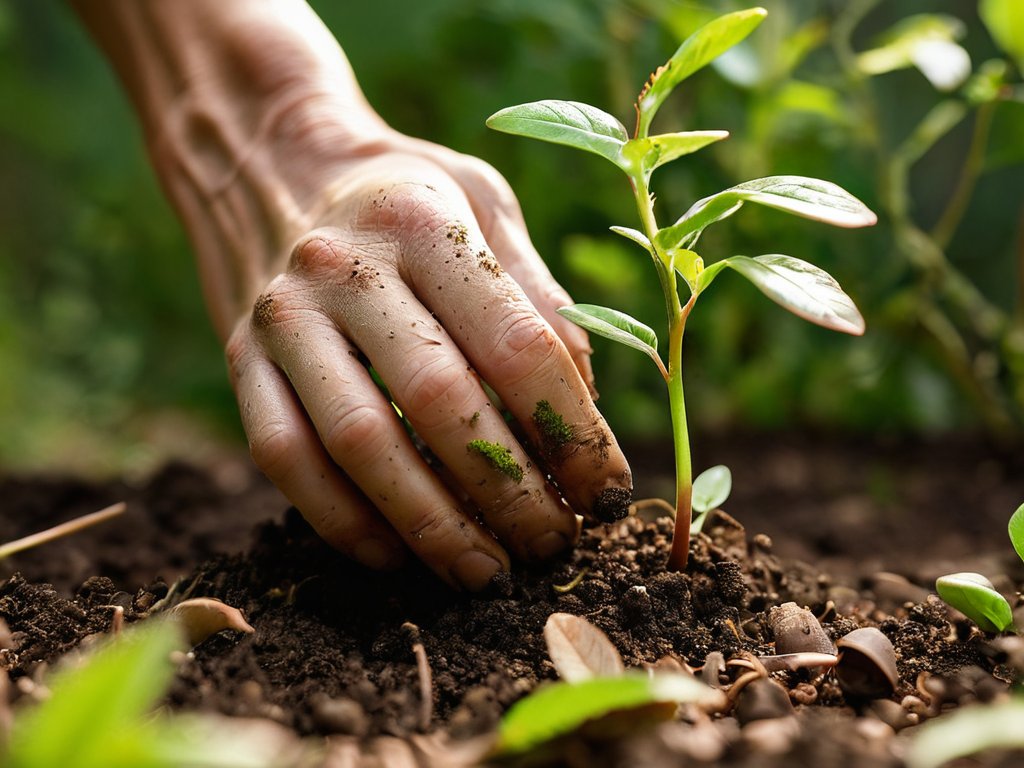
As I’ve traveled to remote corners of the globe, I’ve come to realize that sustainable ingredients are more than just a trend – they’re a testament to our collective ability to nourish both people and the planet, one deliberate choice at a time.
Alexandra Thompson
Conclusion
As I reflect on our journey through the world of sustainable ingredients, I am reminded of the profound impact that regenerative agriculture and zero waste cooking can have on our planet. From the farmers who cultivate seasonal ingredients to the chefs who craft plant-based dishes, it’s clear that a collective effort is underway to redefine our relationship with food. By embracing sustainable ingredients, we not only reduce our environmental footprint but also nourish our bodies and support local communities.
As we move forward, I am inspired by the potential for sustainable ingredients to bridge cultural divides and foster global understanding. By sharing stories and recipes that celebrate the diversity of our food traditions, we can create a more compassionate and inclusive world. Let us continue to explore, learn, and cook together, using sustainable ingredients as a catalyst for positive change and a reminder of our shared humanity.
Frequently Asked Questions
How can I incorporate more sustainable ingredients into my daily cooking without breaking the bank?
I’ve found that starting small, like substituting herbs or swapping to locally sourced staples, can make a significant difference without denting your wallet. Exploring seasonal markets and preserving produce for later use are also great ways to incorporate sustainable ingredients into your daily cooking while being mindful of your budget.
What are some common misconceptions about sustainable ingredients that I should be aware of?
I’ve encountered several misconceptions about sustainable ingredients during my travels, such as assuming they’re always more expensive or less flavorful. In reality, many sustainable options are not only better for the planet, but also offer unique flavors and can be cost-effective when sourced locally and in season.
Can sustainable ingredients really make a significant impact on reducing my carbon footprint, or is it just a drop in the ocean?
I believe sustainable ingredients can collectively make a substantial difference, much like ripples on a pond. By choosing seasonal, locally sourced, and regeneratively grown options, we can significantly reduce our carbon footprint, and it’s not just a drop in the ocean – every conscious choice counts, and together, they can create a wave of positive change.