Imagine stepping into a kitchen in the hills of Luang Prabang, the air thick with steam and the sharp, peppery scent of fresh basil curling around a simmering broth. I was there in 2019, notebook in hand, watching a local healer sprinkle the leaves into a tea for a feverish child, insisting that the herb’s basil healing properties were “older than the river itself.” The scene was far from the glossy Instagram reels that crown basil as a miracle‑cure; it was a lived moment where the plant’s potency was measured against real suffering, not marketing hype.
That is the contract I’m laying down for you: no pricey supplements, no vague “boosts your immunity” copy, just the ways I’ve observed basil easing digestive discomfort, calming inflammation, and softening edge of colds. I’ll draw from the kitchens of Delhi, the herbal stalls of Sicily, and the research papers that survived the peer‑review gauntlet, distilling each insight into practical steps you can try at home without a pharmacy bill. By the end of this piece you’ll know exactly how basil can help and, more importantly, when its magic is worth extra leaf.
Table of Contents
- Basil Healing Properties a Journey Across Cultures
- From Garden to Medicine Cabinet Basils Global Wisdom
- Basil Leaf Antioxidant Content Boosting Everyday Immunity
- How to Use Basil for Colds and Skin Healing
- Basil Healing: 5 Practical Tips to Weave Its Wisdom into Daily Life
- Basil’s Quiet Healing
- Wrapping Up: Basil’s Healing Legacy
- Frequently Asked Questions
Basil Healing Properties a Journey Across Cultures
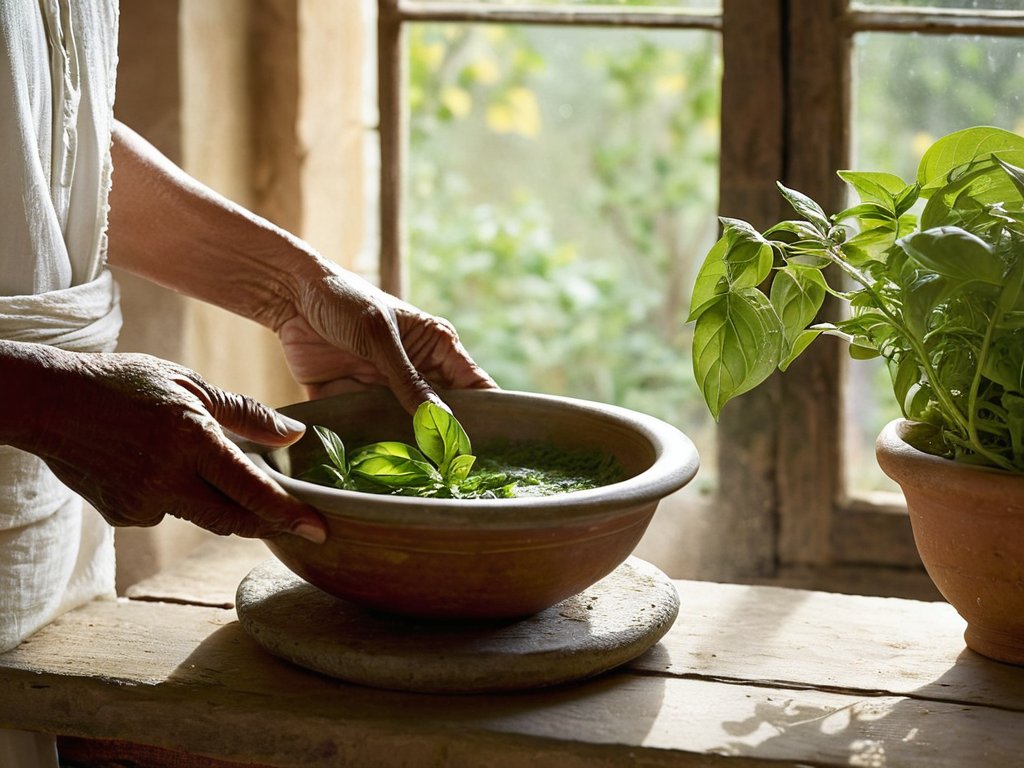
When I first tasted the fragrant leaves of sweet basil in a tiny Tuscan kitchen, I sensed more than flavor; I was meeting a plant that has quietly powered centuries of folk medicine. In the Mediterranean, elders still steep the leaves to make a warm infusion that eases joint discomfort, thanks to the anti‑inflammatory compounds in basil that mingle with the region’s olive‑oil‑rich diets. Across the Indian subcontinent, the same herb appears in Ayurvedic formulas, where its basil leaf antioxidant content is prized for balancing the body’s doshas and protecting cells from oxidative stress. I’ve watched village healers crush fresh foliage into a paste for bruises, believing the green paste draws out inflammation as naturally as a river smooths stone.
Traveling eastward, my curiosity led me to a bustling market in Kyoto, where stalls offered tiny bottles of basil essential oil. Locals dab a drop behind the ears during the flu season, claiming it clears sinuses and calms fevers—a practice that mirrors the age‑old remedy of how to use basil for colds by sipping a steaming cup of basil tea. The tea’s gentle steam, infused with the herb’s volatile oils, not only soothes a sore throat but also supports skin regeneration; many women in rural Japan still apply cooled tea bags to minor cuts, trusting the basil for skin healing tradition that has endured through generations.
Basil Essential Oil Therapeutic Uses Around the World
When I first stepped into a sun‑drenched courtyard in Crete, a green scent drifted from a copper pot, and I realized it was basil essential oil being diffused for stress relief. The locals swore by a few drops on a handkerchief during afternoons of weaving, claiming the aroma steadied nerves without breaking rhythm. I tried it that evening, and the calming vapor echoed the sea breeze, turning a restless mind into contemplation.
In Kerala’s hills, I met an Ayurvedic practitioner who blended basil oil with sesame for a chest rub he called respiratory support. He explained that the oil’s camphor‑like notes help clear congested passages during monsoon fevers. Watching her apply the mixture to a child’s back, I sensed a lineage of healing that stretches from ancient texts to wellness studios, reminding me how a plant can bridge centuries of practice.
Exploring Antiinflammatory Compounds in Basil
During a research stop in the Tuscan hills, I watched a farmer harvest fresh basil leaves while explaining that the plant’s peppery scent comes from a tiny molecule called eugenol. In the lab, that same compound shows up as a potent inhibitor of the NF‑κB pathway, the molecular switch that fuels chronic inflammation. When I compared the concentration in sweet Genovese versus the more pungent Thai holy basil, the difference was striking—yet both whispered the same promise: to calm the body’s over‑active immune chatter without the side effects of synthetic drugs.
Back in Delhi, my aunt prepared a simple tea from crushed basil and ginger for my arthritic knee, a remedy she’d inherited from Ayurvedic texts. Modern studies now confirm that rosmarinic acid in the infusion can suppress cytokine storms, offering a gentle, plant‑based bridge between ancient wisdom and contemporary medicine.
From Garden to Medicine Cabinet Basils Global Wisdom
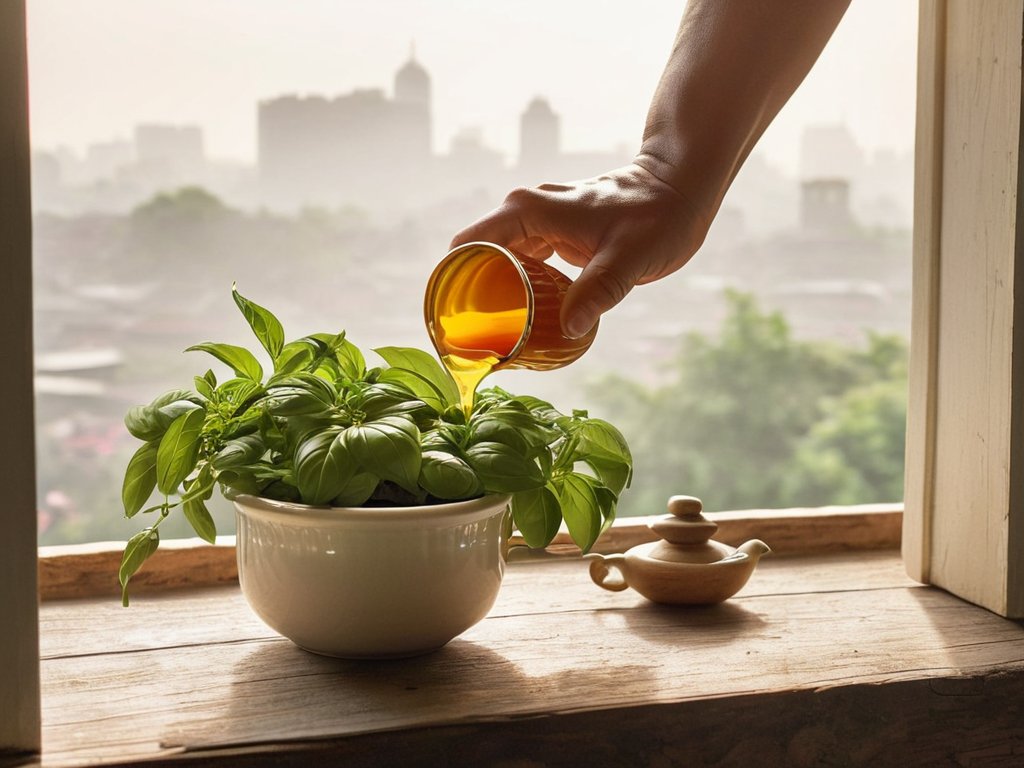
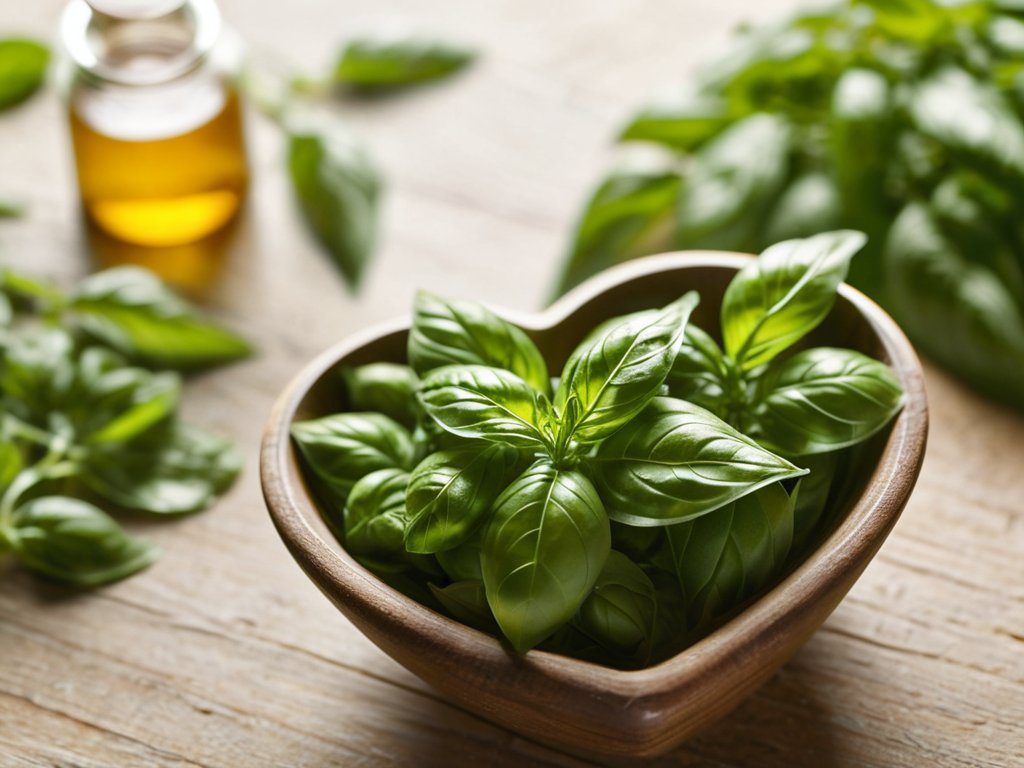
When I pull a handful of fresh leaves from the balcony garden, I’m reminded that the humble herb carries a quiet chemistry that many modern pharmacies still try to replicate. The basil leaf antioxidant content acts like a natural shield against oxidative stress, while the anti‑inflammatory compounds in basil quietly soothe joints and throats. In the chilly evenings of my Delhi‑London childhood, my grandmother would steep a few sprigs in hot water, letting the steam rise like a fragrant promise; the resulting basil tea benefits—clearer sinuses, a gentle warmth in the chest—became our family’s go‑to remedy. If you’re wondering how to use basil for colds, a simple brew, a pinch of honey, and a few minutes of mindful sipping can turn a garden harvest into an instant, soothing inhalation.
Beyond the cup, the plant’s essential oil has earned a reputation that spans continents, from Moroccan hammams to Japanese ryokans. Practitioners of Ayurvedic skin care still crush the leaves into a paste, citing basil for skin healing as a natural way to calm irritations and accelerate regeneration. Meanwhile, aromatherapists in Europe champion basil essential oil therapeutic uses for its ability to clear nasal passages and lift mood, often diffusing a few drops after a long flight. I’ve experimented with a few drops diluted in carrier oil on my own elbows after a hike, and the cooling effect feels like the herb is whispering, “I’m still here, ready to help.”
Basil Leaf Antioxidant Content Boosting Everyday Immunity
When I trekked through the terraced farms of the Himalayas, I watched local women pluck fresh basil leaves and add them to their tea, believing the green ribbons to be nature’s shield. Laboratory studies confirm what their intuition already knew: basil is polyphenol‑rich, delivering a cocktail of flavonoids and phenolic acids that neutralise free radicals before they can damage cellular membranes. A handful of leaves a day can act as a guardian for our immune cells, especially when colds drift in.
Back in Delhi’s markets, I sampled a street‑side chutney where basil mingles with lime and ginger, a reminder that the herb also packs vitamin C and the potent rosmarinic acid. Together they stimulate white‑blood‑cell activity, helping the body respond faster to viral intruders. Adding a few torn leaves to salads or soups isn’t just culinary flair—it’s an inoculation against oxidative stress.
How to Use Basil for Colds and Skin Healing
After a rainy trek through the Atlas Mountains, I battled a cold in my London flat. I turned to a remedy I’d learned in Izmir: two teaspoons of fresh basil leaves in boiling water, cover, and sip slowly. While the tea warms the throat, I press the mug to my face and inhale the fragrant steam. That basil steam inhalation clears congestion in minutes and feels like a market stall.
On an afternoon in Oaxaca, a healer showed me how to grind fresh basil with a pinch of sea salt, then stir the paste into melted coconut oil. Once cooled, it thickens into a soothing ointment. I keep a jar beside my sink, applying it to minor cuts or irritated skin after a hike. The herb’s antimicrobial rhythm works wonders; my basil skin salve is now a staple in my first‑aid kit.
Basil Healing: 5 Practical Tips to Weave Its Wisdom into Daily Life
- Steep fresh basil leaves in hot water for a soothing tea that calms inflammation and supports respiratory health.
- Add a few drops of basil essential oil to your diffuser during cold season to clear sinuses and lift the mood.
- Create a simple paste of crushed basil leaves and honey to apply on minor cuts or insect bites for faster skin healing.
- Blend basil into smoothies or salads for a natural antioxidant boost that strengthens immunity.
- Carry a small dried basil sachet in your bag as a portable aromatherapy ally against stress and fatigue.
Basil’s Quiet Healing
From the bustling souks of Marrakech to the tranquil tea houses of Kyoto, basil whispers a universal secret: its fragrant leaves are more than flavor—they are a modest, green remedy that eases inflammation, bolsters immunity, and reminds us that true healing often sprouts in the most ordinary corners of the world.
Alexandra Thompson
Wrapping Up: Basil’s Healing Legacy
Looking back on the paths we’ve traced, it’s clear that basil is far more than a fragrant garnish. Its anti‑inflammatory power, rooted in eugenol and rosmarinic acid, has been validated in kitchens from Tuscany to Tamil Nadu, while the steam of its essential oil continues to ease respiratory woes in Thai herbal clinics and Polish folk medicine alike. The leaf’s rich antioxidant profile—vitamins A, C, and flavonoids—offers a natural immune‑boosting shield that can be harvested straight from a balcony garden or a community plot. Whether steeped as a tea for stubborn colds or pressed into a soothing salve for irritated skin, basil’s versatility bridges the gap between ancient wisdom and modern self‑care.
Beyond the chemistry, what stays with me is the way basil stitches together stories from distant households, market stalls, and prayer rooms. Each sprig I encounter carries a whisper of the farmer in Oaxaca, the healer in Kerala, and the grandmother in Crete who swears by its calming scent. When we choose to grow, share, or simply pause with this humble herb, we are practicing a form of shared stewardship—a reminder that health is a collective tapestry woven across borders. I invite you to let basil’s quiet resilience inspire your own garden, your own kitchen, and perhaps a conversation that reaches far beyond the pot. May the aroma guide you toward new friendships and healthier tomorrows.
Frequently Asked Questions
Can I use fresh basil leaves to treat minor cuts and burns?
I’ve tried fresh basil in the kitchen and heard its folk‑medicine stories from a hill‑top village in Italy. The leaves contain eugenol and flavonoids that can calm inflammation, so a gentle poultice may give a soothing feel on a small nick or a superficial burn. Still, wash the leaf, press it lightly, and keep the wound clean—basil isn’t a sterile bandage. For deeper injuries or any sign of infection, seek promptly professional medical care.
How much basil should I consume daily to benefit from its anti‑inflammatory effects?
As a former diplomat turned journalist, I still find myself adding a handful of fresh basil leaves to my morning salad or steeping a cup of basil tea after a long flight. Research suggests 5–10 grams of fresh leaves (about a small bunch) or 1–2 grams of dried herb each day can supply enough eucalyptol and rosmarinic acid to temper inflammation. If you prefer oil, a few drops diluted in water or food is sufficient—just remember it’s potent, so start modestly.
Are there any safety concerns or interactions when using basil essential oil therapeutically?
Yes, basil essential oil is potent, so a few cautions are worth noting. I always dilute it—about 1‑2 drops in a carrier like jojoba or almond—before skin contact, because undiluted oil can cause irritation or sensitisation. Pregnant or nursing women should steer clear, as hormone‑related effects aren’t fully understood. Also, avoid it if you’re on anticoagulants or blood‑thinners; the oil’s coumarin‑like compounds may modestly enhance bleeding risk. Patch‑test first, and consult a health professional if unsure.