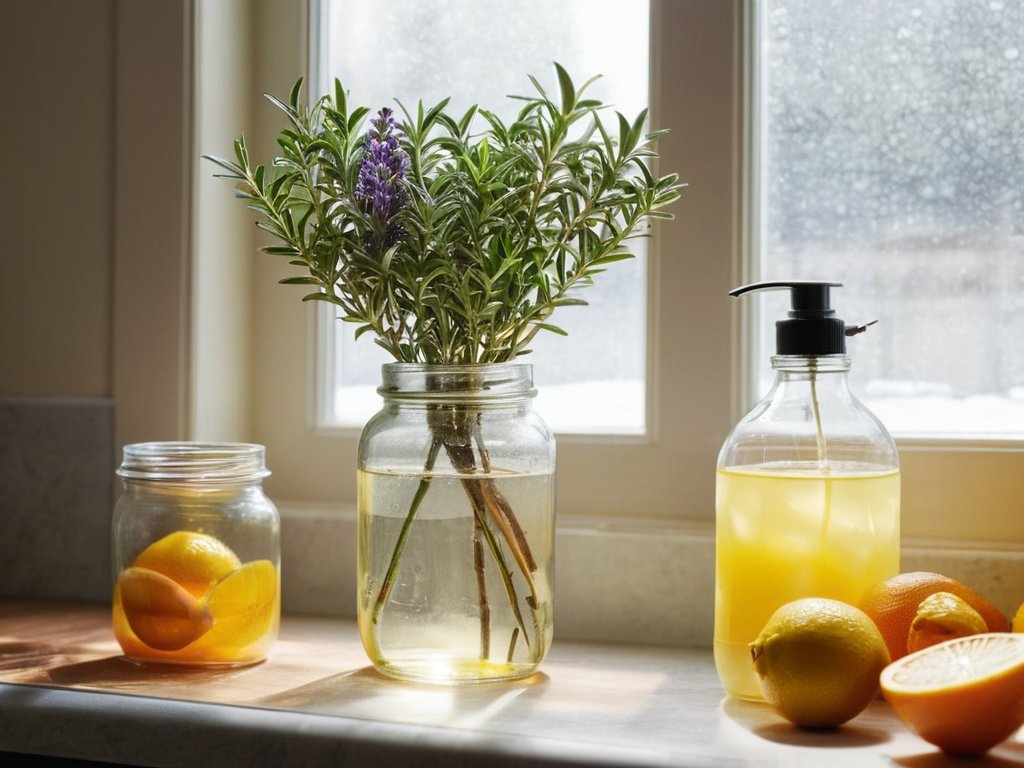
The steam from the kitchen sink curled around my wrists as I fumbled with a bright orange bottle that promised a ‘chemical‑free shine.’ In that cramped Delhi apartment, I realized the myth that all non‑toxic cleaning products are either ineffective or impossibly pricey. The truth? A well‑chosen, locally‑produced cleaner can be just as powerful as its supermarket counterpart, and often gentler on both skin and planet. That moment sparked my quest to demystify non‑toxic cleaning products for anyone who’s ever felt stuck between a squeaky‑clean home and a toxic label.
In the pages that follow, I’ll walk you through three no‑nonsense steps: how to decode the ingredient list without a chemistry degree, which affordable, region‑specific brands actually deliver on their green promises, and a handful of simple DIY recipes you can mix in a repurposed spray bottle while you sip chai. You’ll also get a quick checklist for spotting green‑washing, plus tips for keeping your home sparkling and your conscience clear. By the end, you’ll feel confident swapping out the old chemicals for solutions that respect the people and places that shape our daily lives.
Table of Contents
- Project Overview
- Step-by-Step Instructions
- Exploring Nontoxic Cleaning Products Global Benefits and Hidden Stories
- Diy Nontoxic Bathroom Spray Plantbased Formula Made Simple
- Natural Disinfectant Alternatives Powering Clean Homes Without Harm
- 5 Essential Tips for Non‑Toxic Cleaning Success
- Key Takeaways
- Cleaning with Conscience
- Conclusion: Cleaning With Conscience
- Frequently Asked Questions
Project Overview
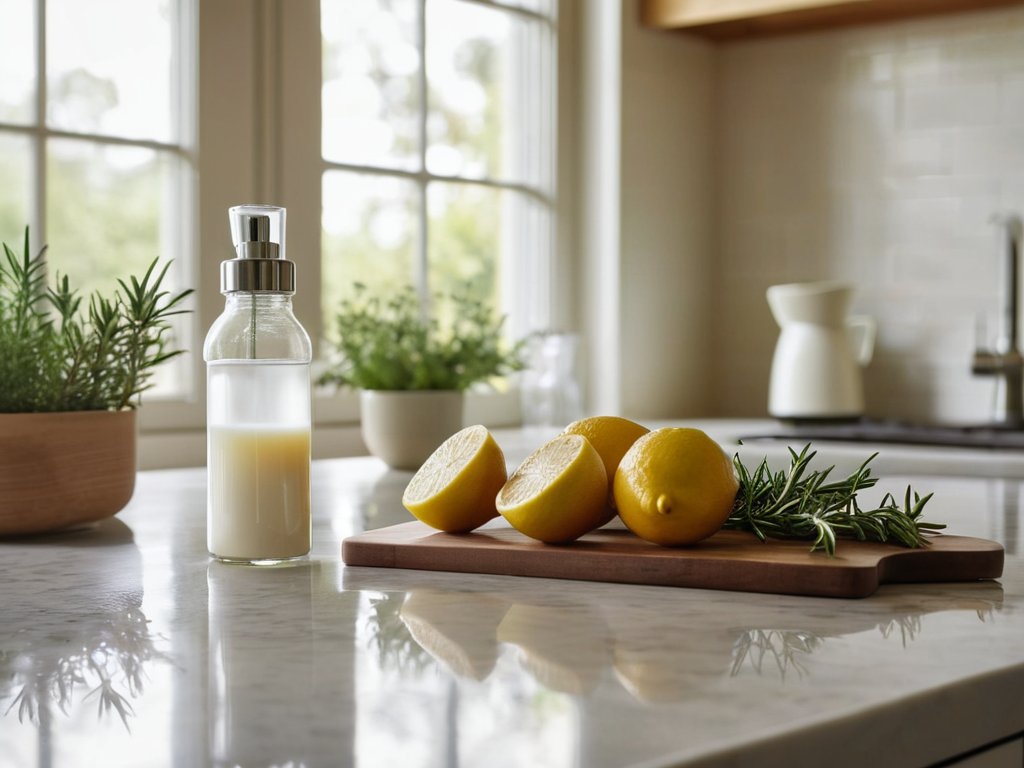
Total Time: 1 hour 30 minutes
Estimated Cost: $15 – $30
Difficulty Level: Easy
Tools Required
- Measuring cup (Set of 1‑cup, 2‑cup, and 4‑cup sizes)
- Spray bottle (Reusable, preferably glass or PET)
- Funnel (Small, for transferring liquids)
- Mixing bowl (Stainless steel or glass)
- Whisk or spoon (For thorough mixing)
- Label maker or permanent marker (To identify each cleaner)
Supplies & Materials
- White distilled vinegar (5% acidity)
- Baking soda (Fine powder)
- Liquid Castile soap (Unscented or mild fragrance)
- Lemon essential oil (10‑15 drops per batch)
- Tea tree essential oil (Antimicrobial, 5‑10 drops per batch)
- Hydrogen peroxide (3%) (For disinfecting sprays)
- Rubbing alcohol (isopropyl, 70%) (Optional for glass cleaners)
- Distilled water (Prevents mineral spots)
- Empty spray bottles (2‑inch wide mouth preferred)
- Reusable containers (For bulk storage of powders and liquids)
Step-by-Step Instructions
- 1. First, I take inventory of the spaces I want to tackle. I walk through my kitchen, bathroom, and living area, noting the types of grime—grease on stovetops, soap scum in showers, or dust on wood surfaces. By listing each cleaning challenge, I can match it to a specific non‑toxic formula later, ensuring I don’t over‑complicate the process with unnecessary ingredients.
- 2. Next, I dive into ingredient research. I pull up reputable sources—peer‑reviewed studies, government safety databases, and community‑tested recipes from fellow eco‑advocates. I focus on ingredients that are biodegradable, skin‑friendly, and free from volatile organic compounds, like white vinegar, citric acid, and baking soda. Highlighting these safe building blocks helps me stay confident that the final product won’t harm my family or the planet.
- 3. Then, I assemble my core pantry staples. I keep a small stock of distilled water, white vinegar, liquid castile soap, essential oils (lavender for scent, tea tree for antimicrobial power), and a few natural thickeners such as xanthan gum. Having these items on hand means I can whip up a fresh batch whenever a stain appears, without needing a trip to the supermarket.
- 4. Now comes the hands‑on mixing stage. I combine one cup of distilled water with a quarter cup of white vinegar in a spray bottle, add a teaspoon of liquid castile soap, and drop in five to ten drops of my chosen essential oil. For tougher grime, I stir in a pinch of baking soda before sealing the bottle. I shake gently—too vigorous a shake can create foam that makes measuring less accurate.
- 5. After mixing, I perform a quick test on an inconspicuous surface. I spray a small amount on a hidden corner of the countertop or tile, wait a minute, then wipe with a clean cloth. If the surface remains undamaged and the residue disappears, I label the bottle with the date, intended use, and any scent notes. This simple validation step prevents accidental damage to delicate finishes.
- 6. Finally, I store my creations safely. I keep the bottles in a cool, dark cabinet away from direct sunlight to preserve the potency of the essential oils. I also place a reminder on my fridge door to rotate the stock every three months, ensuring I always use the freshest, most effective mixture.
- 7. To close the loop, I share the recipe with my community. I post a photo of the labeled bottle on my blog, add a short narrative about why I chose each ingredient, and invite readers to suggest variations. By turning the process into a collaborative conversation, I turn a simple cleaning routine into a global exchange of sustainable practices.
Exploring Nontoxic Cleaning Products Global Benefits and Hidden Stories

I’ve found that when you swap out bleach‑laden bottles for natural disinfectant alternatives, the ripple effects extend far beyond your kitchen. Community health workers are training families to blend plant‑based cleaning formulas with locally sourced herbs, cutting down respiratory issues that once plagued cramped apartments. The shift also eases the burden on municipal water treatment plants, which otherwise have to contend with a cocktail of synthetic residues.
Yet the story behind each label is hidden. Look for chemical‑free floor cleaners that carry a certified green cleaning mark—those icons signal volatile organic compounds have been vetted out. In Seoul, startups are pioneering sustainable cleaning product packaging made from biodegradable seaweed fibers, turning landfill waste into a compostable shell. Knowing which toxins to sidestep—like triclosan or phthalates—empowers you to demand transparency from manufacturers.
If you enjoy a hands‑on approach, try a DIY non‑toxic bathroom spray using white vinegar, citrus zest, and a dash of tea tree oil. Not only does it sparkle without harsh fumes, but it also connects you to a lineage of folk remedies that have kept homes fresh for generations—proof that simplicity can be powerful.
Diy Nontoxic Bathroom Spray Plantbased Formula Made Simple
I first met this plant‑based bathroom spray recipe during a tea ceremony in an Oaxaca village. My host, a third‑generation herbalist, mixed citrus zest, white vinegar, and a few drops of locally pressed tea‑tree oil, and the grime vanished without a harsh chemical cloud. The orange scent lingered, reminding me that the same ingredients sit on kitchen shelves from London to Delhi, proving that effective cleaning can be rooted in tradition rather than petro‑chemicals.
To recreate it at home, combine one cup of filtered water with two tablespoons of apple‑cider vinegar, the zest of one lemon, and fifteen drops of eucalyptus or tea‑tree essential oil. Pour the blend into a recycled spray bottle, shake before each use, and watch actives dissolve scum while keeping microbes in check. Every spray cuts plastic waste and carbon footprints, echoing the story of sustainable cleaning.
Natural Disinfectant Alternatives Powering Clean Homes Without Harm
When I was staying with a host family in the highlands of Oaxaca, I watched my cousin‑in‑law whisk away kitchen grime with nothing more than a splash of white vinegar, a handful of citrus zest, and a pinch of sea salt. The scent of orange oil lingered, turning a routine wipe‑down into a fragrant reminder that cleaning can be both effective and respectful of the air we breathe. Across the globe, the same principle holds: diluted hydrogen peroxide, tea‑tree oil, and even fermented black bean broth in parts of rural China serve as potent, biodegradable disinfectants that strip pathogens without the lingering chemical footprint of conventional bleach. These traditions, often passed down through generations, illustrate a simple truth—our collective health and the planet’s resilience are intertwined. By swapping a synthetic spray for a locally sourced, plant‑based alternative, we empower households to protect families while honoring the ecosystems that sustain us.
5 Essential Tips for Non‑Toxic Cleaning Success
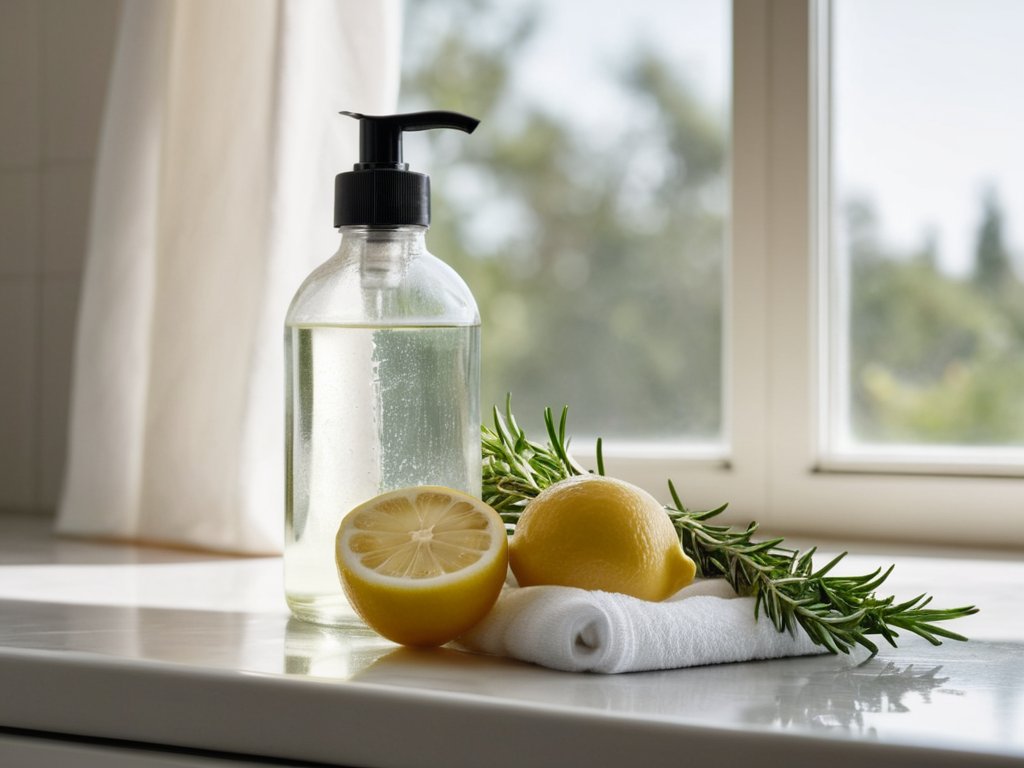
- Read labels carefully—look for simple, recognizable ingredients like vinegar, baking soda, citric acid, and essential oils, and avoid vague terms such as “fragrance” or “paraben.”
- Store your homemade cleaners in dark glass bottles to preserve potency and prevent plastic leaching, especially when using citrus‑based formulas.
- Test each new product in an inconspicuous spot first; even natural ingredients can react with certain surfaces like marble or untreated wood.
- Mix batches in small quantities; many non‑toxic solutions lose effectiveness after a week, so fresh mixes ensure optimal cleaning power and scent.
- Create a “cleaning pantry” of staple ingredients—white vinegar, Castile soap, washing soda, and a few essential oils—so you can whip up eco‑friendly solutions on the fly without extra shopping trips.
Key Takeaways
Choosing non‑toxic cleaners isn’t just about personal health – it’s a small diplomatic act that reduces chemical runoff, protecting ecosystems from the Himalayas to the Thames.
Natural disinfectants like vinegar, tea tree oil, and citrus extracts can match, and sometimes surpass, conventional chemicals when used correctly, offering a safe, aromatic alternative for every room.
DIY recipes empower us to blend tradition with science: a simple plant‑based bathroom spray can be crafted in minutes, cutting costs, waste, and the invisible exposure that many families unknowingly endure.
Cleaning with Conscience
When the scent of citrus replaces harsh chemicals, we’re not just cleaning a surface—we’re honoring the ecosystems that sustain us, one mindful spray at a time.
Alexandra Thompson
Conclusion: Cleaning With Conscience
I’ve walked through bustling markets in Marrakech, inhaled the citrus scent of orange blossoms in Valencia, and watched a small community in Kerala swap harsh chemicals for fermented lemon juice. Those snapshots reminded me why the shift toward non‑toxic cleaning matters far beyond a spotless countertop. Throughout this guide we unpacked the hidden health costs of conventional agents, traced their ripple effects on waterways, and offered simple, plant‑based recipes—like the DIY bathroom spray that turns pantry staples into a sparkling sanctuary. By choosing natural disinfectants and supporting locally sourced alternatives, we protect our families, safeguard ecosystems, and begin to rewrite the global story of cleanliness.
Standing on a windswept ridge in Patagonia, I felt the same pulse of responsibility that drives every traveler to leave a lighter footprint. The choices we make in our kitchens and bathrooms echo across continents, stitching together a tapestry of collective stewardship that can redefine how we coexist with the planet. Imagine a future where every household swaps a single toxic bottle for a green alternative; the cumulative impact would be a breath of fresh air for children in Delhi, clearer rivers for fishermen in Ghana, and safer classrooms worldwide. I invite you to join this quiet revolution—one mindful swipe, one homemade spray, one conversation at a time—and watch how our shared commitment reshapes the world we call home.
Frequently Asked Questions
How can I verify that a cleaning product marketed as non‑toxic is truly safe for my family and the environment?
I start by checking the label for third‑party certifications—look for EU‑Ecolabel, USDA‑Biobased or the Nordic Swan seal, which demand ingredient testing. Then I copy the INCI list into databases like the Environmental Working Group’s Skin Deep or the European Chemicals Agency’s C&L inventory to spot known irritants or persistent chemicals. Finally, I seek lab reports or consumer‑group reviews; transparency, disclosure, and peer‑reviewed data are the clues a product truly lives up to its non‑toxic claim.
What natural ingredients work best for tackling stubborn stains without compromising a non‑toxic formulation?
I’ve found that a combo of white vinegar, baking soda, and lemon juice tackles most stubborn stains without a single synthetic chemical. For coffee or wine rings, sprinkle baking soda, then spray a 1:1 vinegar‑water mix and let it fizz. A paste of lemon zest and sea salt works wonders on rust or mineral buildup, while castile soap paired with oat‑flour gently lifts greasy kitchen marks. All are pantry‑friendly and planet‑safe for any household.
Are there any safety concerns or contraindications when I mix my own DIY non‑toxic cleaners at home?
I love experimenting in my kitchen‑lab, but I always treat each batch like a negotiation. First, never combine acidic solutions—vinegar or citrus with bleach; the chlorine gas that forms is a real health hazard. Essential‑oil blends can corrode marble or react with aluminum, so a spot test is essential. Keep containers clearly labeled, store them out of reach of kids and pets, and work in a ventilated space. When in doubt, stick to one recipe at a time.