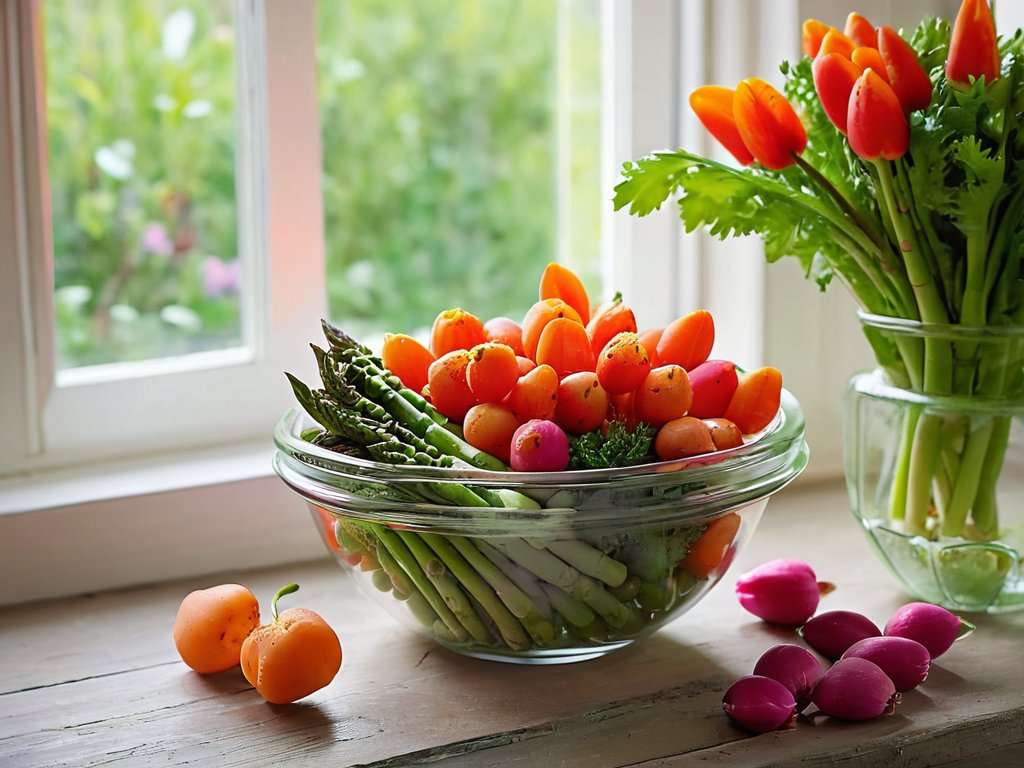
In the heat of a Delhi monsoon, I was huddled over a rusted copper pot, the steam curling like a whispered secret, when the vendor beside me shouted that the secret to true health was simply to avoid spices altogether. I laughed, because the very heart of Ayurvedic cooking is not about stripping flavor but about coaxing each ingredient to honor the body’s doshas. That day, I learned that the myth of blandness is the biggest obstacle to embracing this ancient kitchen art, and I realized that flavor could be both delicious and therapeutic.
Over the next few pages I’ll walk you through a no‑hype, step‑by‑step guide: how to map your dominant dosha, choose season‑appropriate herbs, master the five‑taste balance, and assemble three everyday dishes that any busy traveler can recreate. You’ll also get a quick checklist of pantry staples, a shortcut for preparing ghee without a fire‑hazard, and cultural anecdotes that keep the practice grounded in the stories I gathered from kitchens in Kerala, Ladakh, and a tiny village in Tamil Nadu. By the end, you’ll feel confident turning your own stove into a miniature healing laboratory.
Table of Contents
- Project Overview
- Step-by-Step Instructions
- Ayurvedic Cooking Global Flavors Dosha Balancing Meals and Seasonal Wisdom
- Balancing Doshas Through Meal Planning a Global Health Blueprint
- Pantry Essentials Herbal Spices for Digestion and Seasonal Flavors
- Five Essential Tips for Ayurvedic Cooking
- Spice & Soul: The Heart of Ayurvedic Cooking
- Conclusion
- Frequently Asked Questions
Project Overview
Total Time: 1 hour 30 minutes
Estimated Cost: $30 – $60
Difficulty Level: Intermediate
Tools Required
- Stainless steel saucepan
- Cast iron skillet
- Mortar and pestle (for grinding fresh spices)
- Spice grinder ((optional, electric))
- Blender or food processor
- Kitchen scale
- Measuring cups and spoons
- Wooden spoon
Supplies & Materials
- Organic basmati rice
- Red lentils (masoor dal)
- Organic quinoa
- Ghee (clarified butter)
- Sesame oil
- Turmeric powder
- Cumin seeds
- Coriander seeds
- Fennel seeds
- Fenugreek seeds
- Fresh ginger
- Garlic cloves
- Fresh cilantro
- Fresh mint
- Organic vegetables (e.g., carrots, zucchini, leafy greens)
- Lemon or lime
- Sea salt
Step-by-Step Instructions
- 1. First, I honor the season by visiting the local market at dawn, letting my senses guide me to the freshest produce. I choose vegetables that are at their peak—bright carrots in autumn, crisp cucumbers in summer—because seasonal ingredients carry the most vital energy for the body. Once home, I wash them gently, pat them dry, and set them aside in separate bowls, ready to be introduced to the cooking pot in their own time.
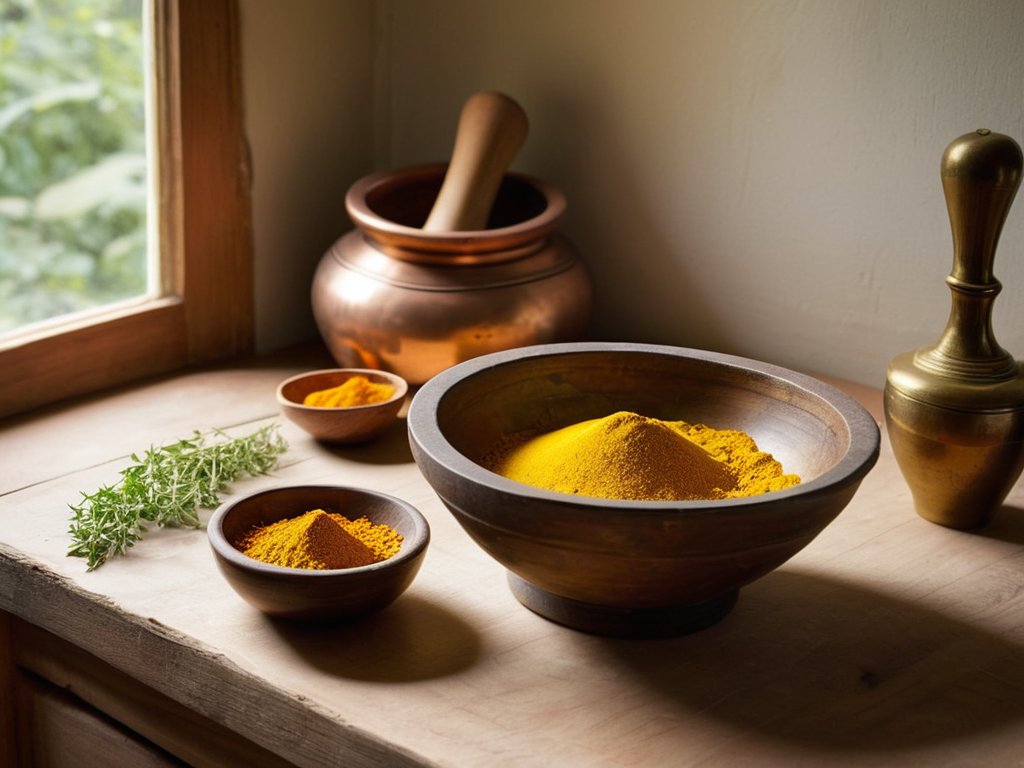
- 2. Next, I prepare the spices that will become the soul of the dish. I toast a handful of cumin seeds, coriander, fennel, and a pinch of asafoetida in a dry skillet until they release a fragrant sigh, then grind them into a fine powder using a mortar and pestle. This ritual not only awakens the aroma but also activates the medicinal properties of each spice, aligning them with the dish’s intention.
- 3. With the spices ready, I heat a generous drizzle of ghee in a heavy-bottomed pan, allowing it to melt slowly so it doesn’t scorch. I add a tempering of mustard seeds and a few curry leaves, listening for the subtle pop that signals the oil is infused. Then I stir in the freshly ground spice blend, letting it simmer for a minute, coaxing the flavors to meld without burning.
- 4. I introduce the vegetables in order of their cooking time, starting with the hardest—like carrots or sweet potatoes—followed by softer ones such as zucchini or spinach. I toss them gently, coating each piece with the spiced ghee, and add just enough warm water to create a modest broth. I cover the pan, allowing the steam to cook the vegetables to perfect tenderness while preserving their nutrients.
- 5. As the vegetables near completion, I balance the dish with a splash of lemon juice, a pinch of sea salt, and, if the season calls for it, a teaspoon of jaggery for subtle sweetness. I stir carefully, tasting as I go, adjusting the seasoning until the flavors feel harmonious—neither too heavy nor too light, echoing the Ayurvedic principle of balance.
- 6. Finally, I serve the meal on a warm, earthen plate, garnishing with freshly chopped cilantro and a drizzle of extra ghee for richness. I accompany the dish with a small side of basmati rice or a slice of whole‑grain roti, inviting the body to absorb the holistic nourishment crafted from intention, tradition, and mindful preparation.
Ayurvedic Cooking Global Flavors Dosha Balancing Meals and Seasonal Wisdom
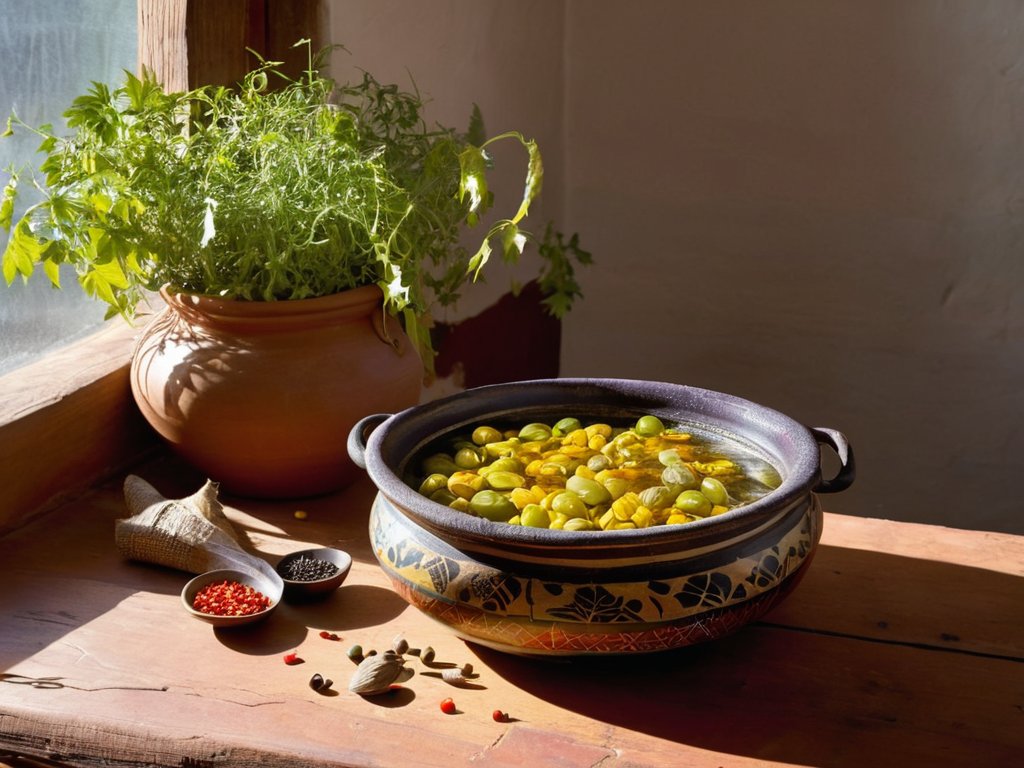
I’ve learned that the most rewarding dishes are those that honor both the climate of the region I’m in and the constitution of the people who will share the table. When I’m in Oaxaca, for example, I swap the usual ghee for sesame oil and sprinkle toasted cumin and ajwain—herbal spices for digestion that keep the Vata calm while the bright chilies soothe Pitta. By weaving local produce into dosha balancing meals, the flavors feel home‑grown yet universally nourishing, turning a simple stew into a bridge between continents.
Seasonal awareness is the compass that keeps my kitchen aligned with nature’s rhythm. In winter I reach for root vegetables, warming spices like cinnamon and black pepper, and follow my own Ayurvedic cooking oil guide—favoring sesame for Kapha and mustard for Vata—to coax heat without overwhelming the system. I keep a rack of Ayurvedic kitchen pantry essentials—turmeric, asafoetida, dried figs, and a handful of sprouted lentils—so that a rushed evening can become a seasonal Ayurvedic recipe that supports digestion and mood alike. Planning a week’s worth of meals around these principles makes health feel effortless rather than a chore.
Balancing Doshas Through Meal Planning a Global Health Blueprint
When I map my menu, I treat each dish like a briefing—identifying the dominant dosha of the day and then calling in allies from around the world to restore balance. A Vata‑heavy Tuesday becomes an invitation to a warm, lentil stew from Punjab, finished with ginger and a drizzle of ghee, while a Kapha‑laden evening is soothed by a light, citrus ceviche from Peru, its sea‑salted tang encouraging fire to rise.
Seasonality is my treaty clause. In the monsoon months I lean on grounding root vegetables from the Andes, pairing them with warming turmeric‑laden broths that calm excess Pitta. Come spring, I swap heavy grains for sprouting quinoa salads infused with fresh mint and fennel—ingredients that uplift Vata without tipping the scale. By charting these swaps, I craft a blueprint that honors the body’s rhythm while celebrating the planet’s culinary diversity.
Pantry Essentials Herbal Spices for Digestion and Seasonal Flavors
I keep a small wooden box on my kitchen counter—its lid lined with tiny glass jars, each holding a spice that feels like a passport to another season. Fennel seed, with its sweet anise whisper, is my go‑to for calming a Vata‑heavy lunch; a pinch after a bean‑rich dal eases the fire that can linger in Pitta. When autumn rolls in over Delhi, I reach for roasted cumin and turmeric, their earthy heat coaxing the body to draw warmth inward.
Winter calls for the pungent bite of ginger and the grounding scent of asafoetida; together they stir Agni without overwhelming Kapha. In spring, fresh cilantro and cardamom brighten a light quinoa salad, aligning with the season’s renewal. By rotating these herbal staples I not only support digestion but also let the pantry echo the rhythm of the world outside my window.
Five Essential Tips for Ayurvedic Cooking
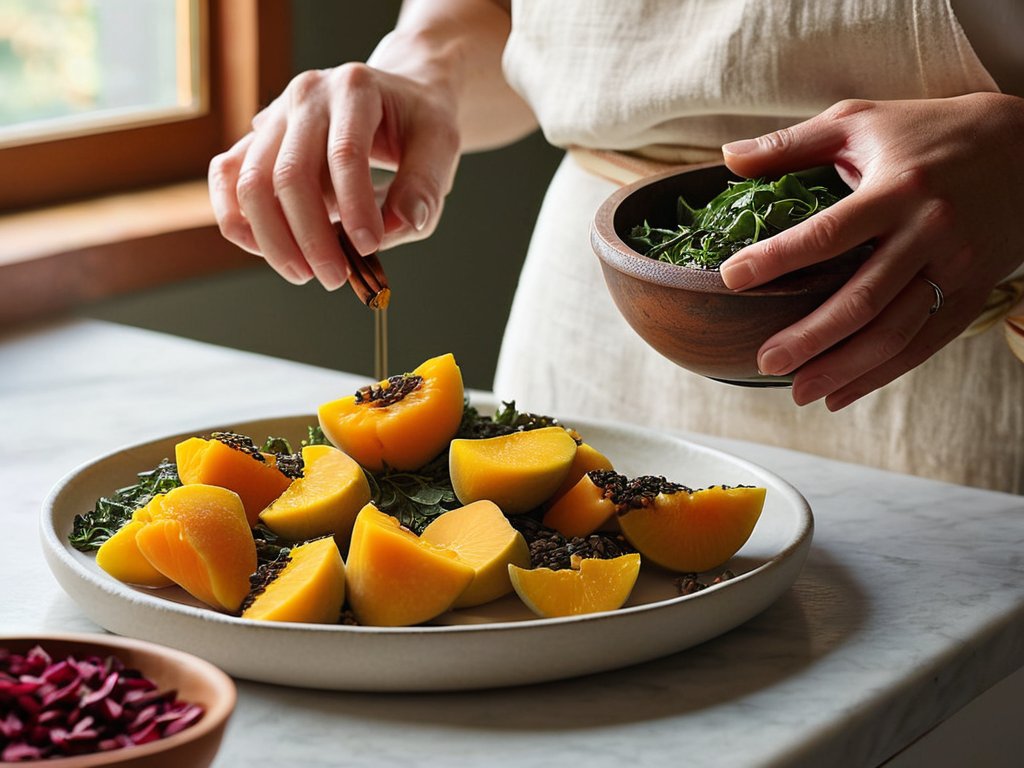
- Start with fresh, seasonal ingredients and align them with the dominant dosha of the meal.
- Use Ayurvedic spices—such as cumin, fennel, ginger, and turmeric—in mindful proportions to aid digestion and balance energy.
- Cook with mindful heat: simmer rather than boil, and finish dishes with a splash of ghee to seal flavors and nutrients.
- Mind the timing: eat your largest, most grounding meals when the sun is highest, and keep evenings light and easy to digest.
- Respect the food’s journey: prep in calm, gratitude‑filled moments, and serve from a clean, warm plate to honor the medicine of the meal.
Spice & Soul: The Heart of Ayurvedic Cooking
In every simmering pot, Ayurvedic cooking whispers the ancient dialogue between earth and body, reminding us that nourishment is not just sustenance but a bridge that unites cultures, seasons, and the rhythms of our own inner doshas.
Alexandra Thompson
Conclusion
Looking back on the journey we’ve taken through Ayurvedic cooking, I’m reminded how the ancient science of digestion can sit comfortably alongside the bustling flavors of street stalls in Bangkok, the spice‑laden tavernas of Sicily, and the fragrant chai houses of Delhi. We unpacked the building blocks of a mindful pantry—turmeric, cumin, asafoetida, and other herbal allies—showing how they not only aid digestion but also let us tune meals to the seasonal wisdom of each climate. By mapping the six global flavor families to the three doshas, the guide offered a practical dosha balancing meals blueprint that lets anyone design a menu that respects both body and environment.
What excites me most is the way a simple bowl of lentils can become a quiet act of culinary diplomacy, a bridge between the city where I once navigated a diplomatic corridor and the remote village where I learned to grind fresh spices beside a river. Each time we turn a page of our vintage globe, we discover another climate, another tradition, and another chance to honor the body’s rhythms through food. I hope you’ll let the aromas you stir tonight remind you that every meal is a conversation—between fire and water, between heart and mind, and between cultures that share the same longing for health and hospitality. Cook, explore, and let the world taste your gratitude.
Frequently Asked Questions
How can I adapt traditional Ayurvedic recipes for a Western kitchen without losing their therapeutic properties?
I’ve found that the simplest bridge is to honor the spice hierarchy while swapping out hard‑to‑find ingredients for locally‑available equivalents. Start by grinding whole seeds (cumin, fennel, mustard) fresh—Western blenders do the job without sacrificing aroma. If you can’t locate asafoetida, a pinch of black‑salt plus a splash of lemon juice mimics its digestive lift. Finally, keep the cooking temperature moderate; a low‑heat sauté preserves the “agni” (digestive fire) that makes Ayurvedic meals therapeutic, even in a suburban kitchen.
Which spices are most effective for balancing each dosha, and how should I combine them in everyday meals?
I’ve learned each dosha thrives on key spices. Vata finds balance in ginger, cinnamon, cumin, cardamom and a pinch of cloves—great in oatmeal or spiced tea. Pitta cools with coriander, fennel, mint, turmeric and cilantro, perfect in salads or lentil soups. Kapha awakens with black pepper, mustard seed, cayenne, garlic and ginger, ideal in stews or sautéed veggies. By adding a trio of the right spices to a dish, you weave dosha‑balancing energy into everyday meals.
How do seasonal changes influence the choice of ingredients and cooking techniques in Ayurvedic cuisine?
I’ve found that in Ayurvedic cooking the seasons act as a compass for ingredients and technique. In spring, fresh greens, young vegetables and light steaming honor blooming Kapha, while cooling spices—coriander, fennel—aid digestion. Summer calls for cucumber, coconut, and raw or quick sauté to pacify Pitta’s heat. Autumn’s drying Vata is soothed with root vegetables, warming spices and simmered stews. In winter, grains, ghee‑rich dishes and gentle roasting restore balance, using the season’s natural warmth.