I was standing in a bustling night market in Delhi, the neon signs flickering above stalls piled high with sizzling kebabs, when a teenage vendor offered me a steaming bowl of lentil soup instead of the usual meat‑laden fare. That moment—unexpected, fragrant, and oddly liberating—made me question the myth that giving up meat means giving up flavor. As a former diplomat who has negotiated treaties over dinner tables in Nairobi and Copenhagen, I learned that the real challenge of the transition to plant‑based diet isn’t the food itself, but the stories we tell ourselves about what we’ll miss.
In this guide, I’ll cut through the hype and share the step‑by‑step roadmap that helped me rewrite my own menu while traveling from the Himalayas to the Andes. You’ll find no‑hype practical tips on pantry stock‑piling, quick‑prep meals that honor the cuisines you love, strategies for navigating family gatherings, and a handful of globe‑spanning resources that keep the transition sustainable and enjoyable. By the end, you’ll have a toolbox that feels less like a diet and more like an invitation to explore the world from your kitchen.
Table of Contents
Project Overview
Total Time: 4 weeks (initial transition period)
Estimated Cost: $50 – $150 (depending on grocery choices and optional resources)
Difficulty Level: Intermediate
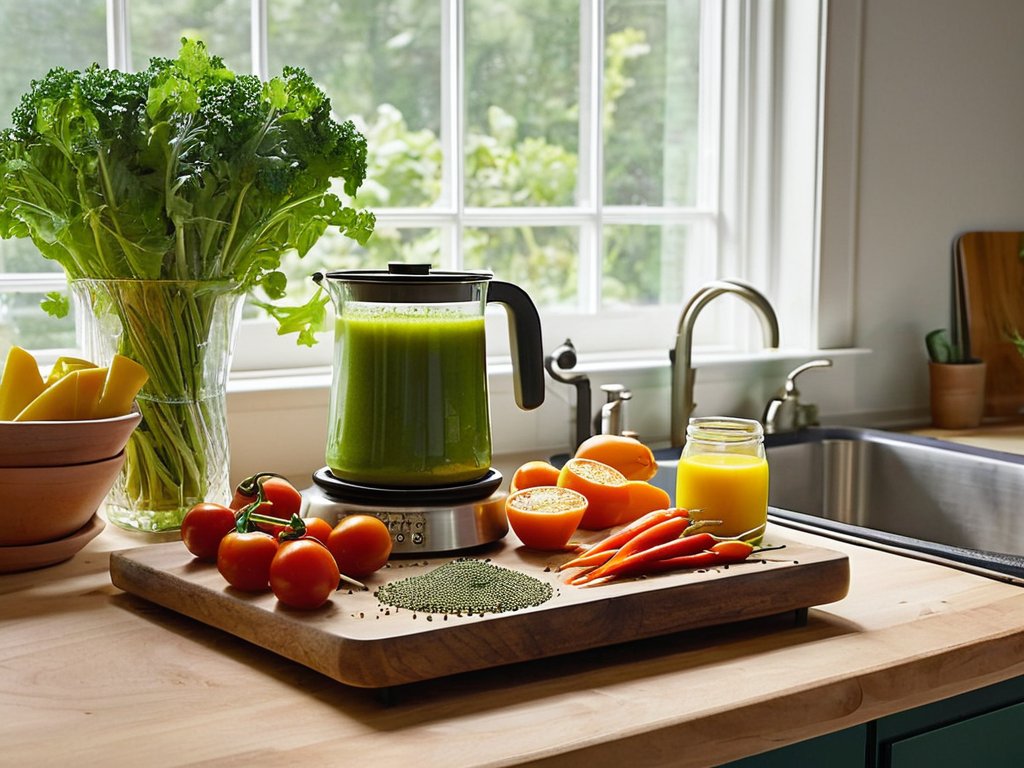
Tools Required
- Food Scale ((digital, for accurate portion control))
- Blender ((high‑speed for smoothies, sauces, and soups))
- Meal Planning App or Spreadsheet ((to organize weekly menus and shopping lists))
- Sharp Chef’s Knife ((essential for chopping vegetables and plant proteins))
- Reusable Food Storage Containers ((for meal prep and leftovers))
Supplies & Materials
- Plant‑based protein sources (e.g., beans, lentils, tofu, tempeh, edamame)
- Whole grains (e.g., quinoa, brown rice, oats, whole‑wheat pasta)
- Fresh fruits and vegetables (variety for nutrients and flavor)
- Nuts and seeds (for healthy fats and texture)
- Plant‑based milk alternatives (almond, soy, oat, or cashew milk)
- Nutritional yeast (adds cheesy flavor and B12)
- Spices and herbs (to enhance taste without animal products)
- Cookbooks or online recipe subscriptions (focused on plant‑based meals)
Step-by-Step Instructions
- 1. Start with a curiosity audit. I spend a few evenings jotting down every meat‑centric habit I notice—from the morning scramble to the weekend BBQ—and ask myself what story each dish tells. This simple inventory helps me see where I’m most attached and where a gentle swap could feel like an adventure rather than a sacrifice.
- 2. Map out a plant‑based “passport.” Much like planning a trip, I pick three cuisines I’ve never fully explored—perhaps Ethiopian injera, Korean temple food, or Peruvian quinoa salads. I then locate one recipe from each that uses whole, minimally processed ingredients, and schedule a cooking night for each over the next two weeks.
- 3. Replace, don’t erase. When a favorite dish calls for chicken or beef, I look for a protein‑rich counterpart—lentils, chickpeas, or tempeh—that mimics texture and flavor. I keep the familiar spices and sauces, so the meal feels like a familiar friend you’ve just met abroad.
- 4. Stock a “global pantry” of staples that travel with you wherever you go: canned coconut milk, miso paste, dried seaweed, and a handful of ancient grains. Having these items on hand turns a spontaneous craving into a quick, satisfying plant‑based creation without a last‑minute grocery run.
- 5. Invite conversation at the table. I make it a point to share the cultural backstory of each new dish with family or roommates, turning dinner into a mini‑lecture on how a Bolivian quinoa stew supports both health and the high‑altitude farmers who grow it. This narrative anchor makes the transition feel like a shared journey.
- 6. Reflect and recalibrate weekly. At the end of each week, I review my food diary, noting which swaps felt natural and which felt forced. I then adjust the next week’s plan—perhaps adding a new spice blend or swapping a heavy cream sauce for a cashew‑based alternative—keeping the process fluid and aligned with my evolving palate.
Navigating the Transition to a Plantbased Diet Global Stories
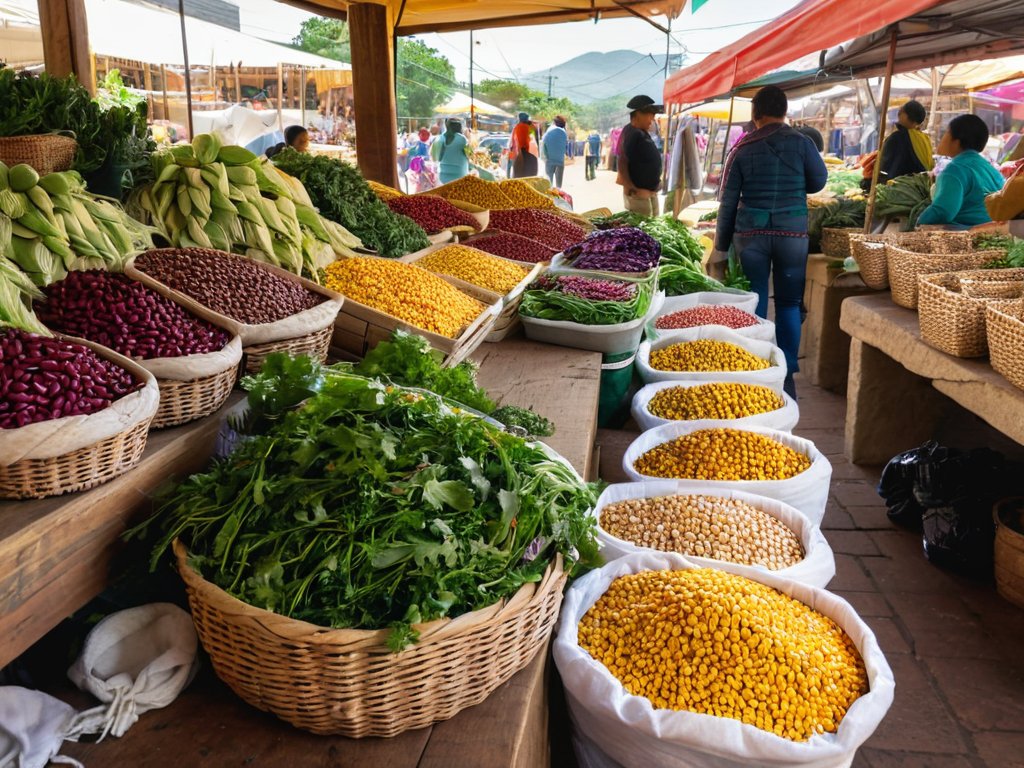
On a recent stop in Oaxaca, I learned that the most reassuring compass for any newcomer is a clear plant‑based diet grocery shopping list. I spent a morning wandering the mercados, noting the vibrant stalls of beans, corn, and local greens, then returned home and sketched out a simple weekly chart. This exercise answered the lingering question of how to meal plan for a plant‑based diet without feeling lost in the pantry. By grouping ingredients—lentils for soups, kale for salads, and tofu for stir‑fries—I could batch‑cook and keep my fridge colorful, during hectic weeks.
Back in Delhi, the conversation turned to the science behind the plate. I asked a nutritionist friend about nutrient considerations when going vegan, and we mapped out a rotation of fortified milks, chickpea‑based curries, and seasonal fruit that kept iron and B12 levels steady. This sparked a practical tip for budget‑savvy cooks: compile a budget‑friendly plant‑based meals for beginners cheat sheet, swapping pricey imported nuts for locally sourced peanuts and sprouting beans for protein. When cravings surface, a handful of roasted chana or a warm masala‑spiced oat bowl can bridge the gap without derailing progress.
How to Meal Plan for a Plantbased Lifestyle
When I first mapped a week’s plant‑based meals in a cramped Delhi flat, I treated the pantry like a tiny embassy—each spice an envoy. I list the proteins I need—lentils, chickpeas, tofu—then pair them with a cultural anchor: Punjabi chana masala for Tuesday, Japanese miso‑glazed eggplant for Friday. Anchoring each dish to a story turns the list from chore to passport.
I then sketch a simple spreadsheet like a travel itinerary: columns for breakfast, lunch, dinner, and a ‘snack stop’ for quick fixes such as roasted edamame or spiced mango slices. Colour‑coding the days I cook for guests—my sister’s vegan birthday in London or a communal iftar in Marrakech—turns the shopping list into a shared map rather than a solo errand. The visual layout reveals gaps, lets me swap ingredients, and keeps the pantry humming with seasonal variety.
Your Plantbased Diet Grocery Shopping List Nutrient Guide
I start every market trip as if I’m unpacking a new globe: the colours of a Moroccan souk, the crisp aisles of a Scandinavian co‑op, the bustle of a Delhi vegetable market. For a balanced plant‑based pantry I keep legumes—red lentils, black beans, chickpeas—on hand; whole grains like quinoa, brown rice, and millet for the carb base; a rainbow of fresh or frozen veg—leafy kale, bok choy, sweet potatoes, and carrots—to supply fibre, vitamin A and potassium. Nuts and seeds (almonds, hemp, chia) provide the healthy fats and omega‑3s that many worry about, while fortified plant milks and nutritional yeast cover B12 and calcium. I also stash a few pantry heroes—tamari, miso, and a pinch of sea salt—so I can remix flavors from the streets of Osaka to the farms of Oaxaca, ensuring every plate is nutritionally sound and resonant.
Key Takeaways
Start small and celebrate each plant‑based win—whether it’s a new recipe, a local market find, or a conversation about food culture.
Plan your meals around protein‑rich staples like lentils, chickpeas, tofu, and regional grains to keep nutrition balanced and flavors exciting.
Use your grocery list as a passport: explore seasonal produce, support local farmers, and keep an eye on nutrients like B12, iron, and omega‑3s to stay healthy on the journey.
A Path Worth Tasting
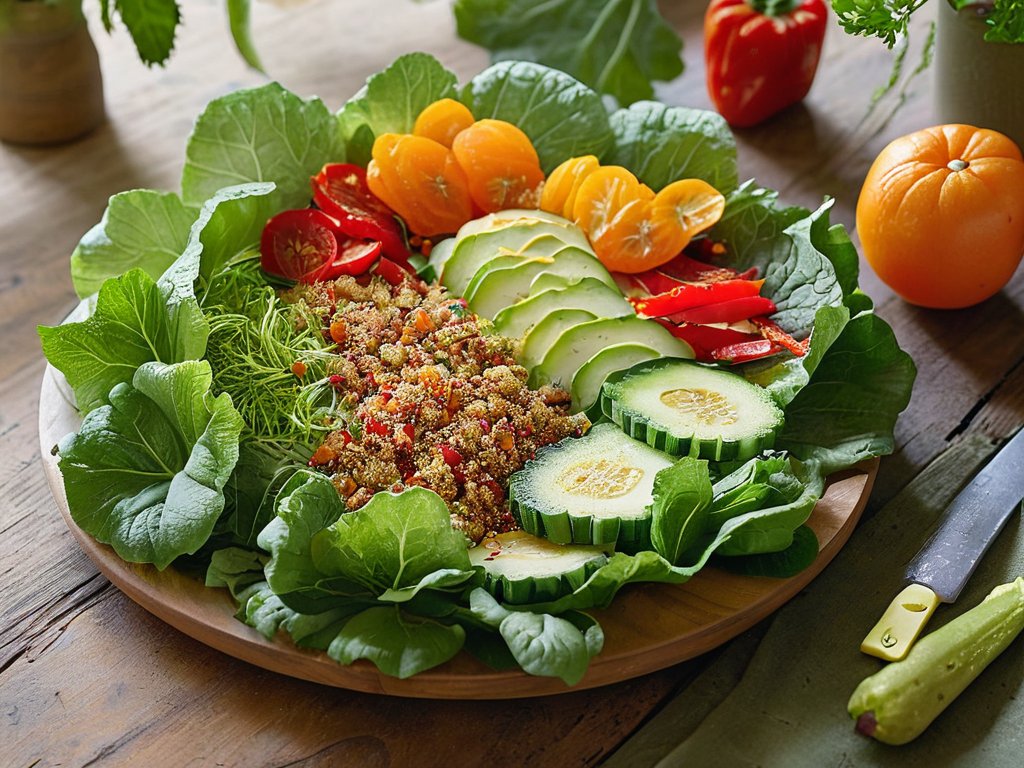
Embracing a plant‑based plate isn’t just a diet change—it’s an invitation to sit at the world’s table, share stories, and discover that the flavors of compassion and curiosity are universal.
Alexandra Thompson
Conclusion
Looking back on the road we’ve traveled together, I see three strands that hold the adventure together. First, the step‑by‑step roadmap showed that a plant‑based transition does not have to be abrupt; it thrives on tiny, repeatable habits that accumulate over weeks. Second, the meal‑planning worksheet reminded us that variety is the spice of sustainability, letting us map breakfast, lunch and dinner around seasonal produce and cultural flavors. Third, the grocery‑shopping list and nutrient guide gave a practical compass, ensuring protein, iron, B12 and omega‑3s are never left behind. By weaving these tools with stories from families in Bangkok, Nairobi and Oaxaca, we built a blueprint that is as personal as it is universal.
As I close this chapter, I’m reminded that every plate we set becomes an embassy, inviting dialogue across continents. When we choose beans over beef, lentils over lamb, we are not just reshaping our health—we echo the aspirations of farmers in Punjab, street vendors in Lima, and activists in Reykjavik who all crave a more resilient planet. I invite you to keep the conversation alive, to bring your stories to the shared table and let them mingle with those of strangers you meet on the road. In that tasting, we discover a global conversation that feeds body and soul, and that, I believe, is the power of a plant‑based journey.
Frequently Asked Questions
How can I make sure I'm getting enough protein and essential nutrients on a plant‑based diet?
I keep a notebook of the legumes I discovered in a market in Accra and the tofu stalls of Osaka, then map them onto my weekly plates. Combining beans, lentils, quinoa, and nuts gives me a complete amino‑acid profile, while fortified plant milks, leafy greens, and mushrooms supply calcium, B12 and vitamin D. I also track iron and omega‑3 sources—chia, flax, walnuts—and, when needed, add a trusted supplement to close any gaps.
What are the most common pitfalls people face when switching to a plant‑based lifestyle, and how can I avoid them?
One of the first traps I’ve seen is swapping meat for processed vegan junk—those “meat‑less” nuggets taste familiar but leave you low on protein and fiber. I dodge it by stocking whole beans, lentils, and seasonal veggies. Another pitfall: forgetting micronutrients, especially B12 and iron; I keep a supplement routine and pair leafy greens with citrus. Finally, planning meals on the fly leads to take‑out temptations—so I set a menu, prep batch‑cooked grains, and the cravings fade.
Is it possible to adapt my cultural and family recipes to be plant‑based without losing their authentic flavors?
Absolutely—most family recipes are built on technique and seasoning, not just meat. I start by swapping the protein for legumes, tofu, or jackfruit, then layer the same spices, aromatics, and slow‑cooking methods that give the dish its soul. A splash of fermented soy or miso adds depth, while toasted nuts or seeds replace the mouth‑feel of fat. Taste as you go, honour the original story, and you’ll discover familiar flavours thriving in a plant‑based version.