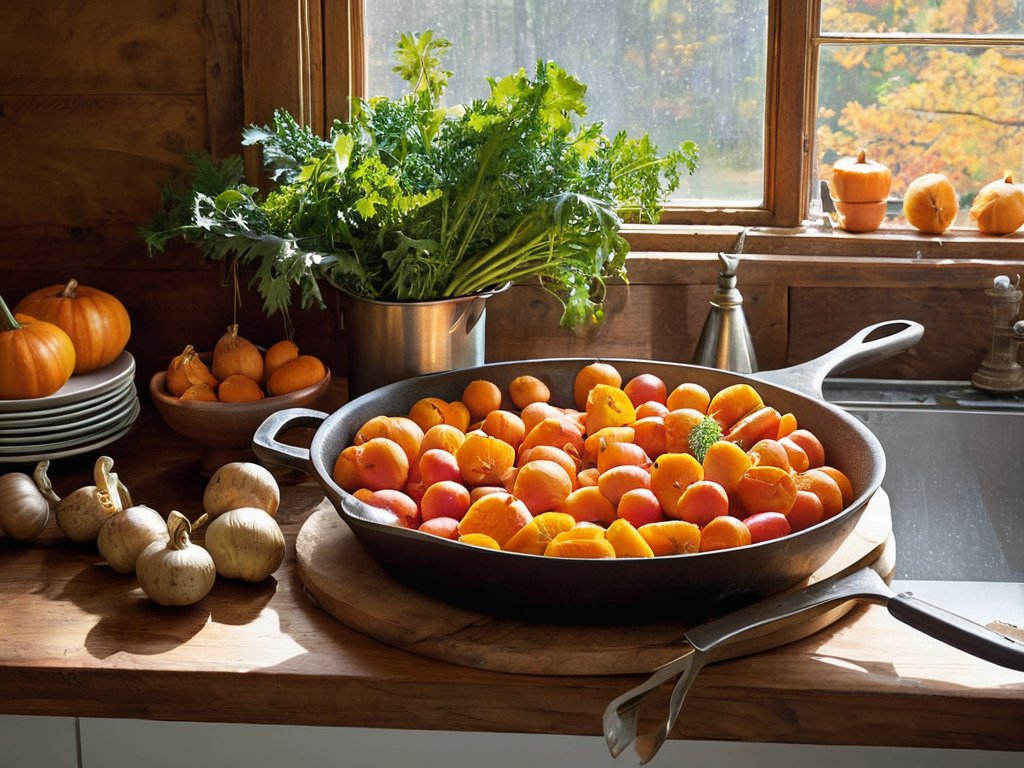
I was standing in the middle of Thessaloniki’s Saturday market, the scent of fresh figs and rosemary swirling around me, when a local chef whispered that “real Mediterranean flavor needs meat.” I laughed, because that same stall had just handed me a steaming bowl of chickpea‑laden briam, bright with sun‑kissed tomatoes and olives—proof that the vegetarian Mediterranean diet thrives on plant power alone. That moment reminded me why I left the diplomatic corridors: to chase the stories that prove a cuisine can be both heart‑healthy and culturally rich without a single steak on the plate.
In this guide I’ll strip away the glossy travel‑magazine hype and give you a no‑hype, step‑by‑step roadmap to building a vegetarian Mediterranean kitchen that works for lives and palates. You’ll learn how to stock a pantry that sings with legumes, whole grains, and the herbs that define the region, how to balance flavors without meat, and which simple dishes can turn a weekday dinner into a cultural exchange. By the end, you’ll have a reusable meal plan, a shopping checklist, and the confidence to serve a plate that feels local and globally connected.
Table of Contents
- Project Overview
- Step-by-Step Instructions
- Weaving Worlds the Vegetarian Mediterranean Diet as a Bridge
- Mapping a Mediterranean Vegetarian Meal Plan and Pantry Staples
- Unlocking Plantbased Mediterranean Diet Benefits Hearthealthy Seasonal Reci
- Savor the Sun: 5 Essential Tips for a Vibrant Vegetarian Mediterranean Lifestyle
- Key Takeaways
- A Bite of Unity
- Full Circle: Bringing the Mediterranean Home, Plant‑Based
- Frequently Asked Questions
Project Overview
Total Time: 1 hour 30 minutes
Estimated Cost: $30 – $45
Difficulty Level: Easy
Tools Required
- Chef’s Knife ((sharp, 8‑inch blade))
- Cutting Board
- Large Pot (for cooking grains and legumes)
- Saucepan
- Food Processor
- Measuring Cups and Spoons
- Mixing Bowls (various sizes)
Supplies & Materials
- Extra‑virgin Olive Oil
- Canned Chickpeas (drained and rinsed)
- Quinoa or Bulgur
- Fresh Tomatoes (chopped)
- Cucumber (diced)
- Red Onion (thinly sliced)
- Kalamata Olives
- Feta Cheese (optional) (crumbled)
- Fresh Herbs (parsley, mint) (chopped)
- Lemon (juice and zest)
- Garlic (minced)
- Whole Wheat Pita Bread
- Hummus
Step-by-Step Instructions
- 1. First, I map out my pantry – I start by gathering the staples that define the Mediterranean vibe: extra‑virgin olive oil, a variety of legumes (chickpeas, lentils, cannellini beans), whole‑grain pastas or couscous, and a rainbow of fresh herbs. I make a quick inventory, tossing out anything past its prime, then fill the gaps with seasonal produce from the local market so each meal feels rooted in the region’s terroir.
- 2. Next, I build a weekly “color chart.” I assign each day a dominant hue—think deep reds for tomatoes on Monday, sunny yellows for zucchini on Tuesday, and verdant greens for leafy salads on Wednesday. This visual cue helps me balance nutrients naturally and keeps the table vibrant, turning dinner into a quiet celebration of the Mediterranean palette.
- 3. Then I design a “protein rotation” that respects my vegetarian commitment while honoring Mediterranean traditions. I alternate between plant‑based powerhouses—hummus‑drizzled falafel on Thursday, lentil‑rich moussaka on Friday, and a chickpea‑and‑spinach stew on Saturday—sprinkling in modest portions of dairy like feta or halloumi for texture and cultural authenticity.
- 4. I set aside a “sauce Sunday” to prep the foundations of flavor that will carry me through the week. I simmer a batch of tomato‑garlic coulis, blend a pistachio‑lemon tahini, and whip up a herbaceous pesto with fresh basil, mint, and a splash of olive oil. These sauces become quick, aromatic shortcuts for weeknight plates, letting me toss together a bowl of couscous or a stack of grilled vegetables in minutes.
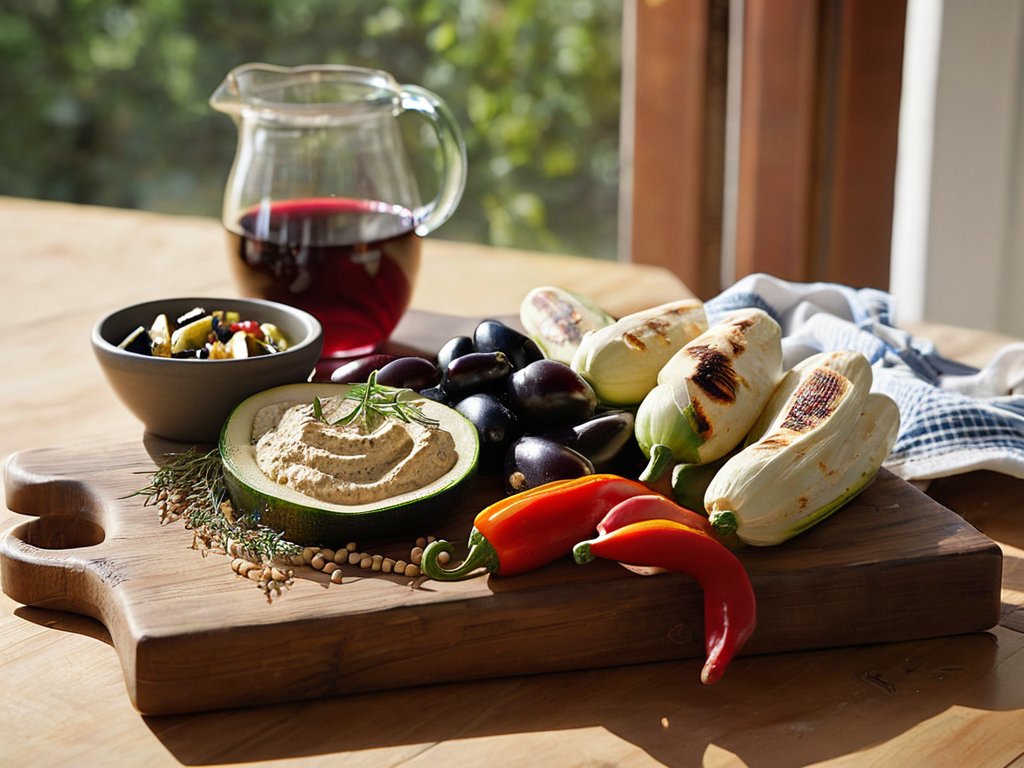
- 5. After that, I plan a “shared plate” night—a simple yet profound ritual where friends or family gather around mezze‑style dishes. I arrange a spread of marinated olives, roasted red peppers, stuffed grape leaves, and a bowl of creamy hummus, encouraging conversation that mirrors the Mediterranean’s communal spirit. This step reminds me that food is as much about connection as it is about nourishment.
- 6. Finally, I reflect and adjust. Each evening I jot down a brief note in my travel‑inspired journal: which flavors sang, which textures fell flat, and any cultural tidbits I learned from the recipes. Over time, these reflections help me fine‑tune the diet, ensuring it remains both healthful and a living tapestry of the Mediterranean stories I cherish.
Weaving Worlds the Vegetarian Mediterranean Diet as a Bridge
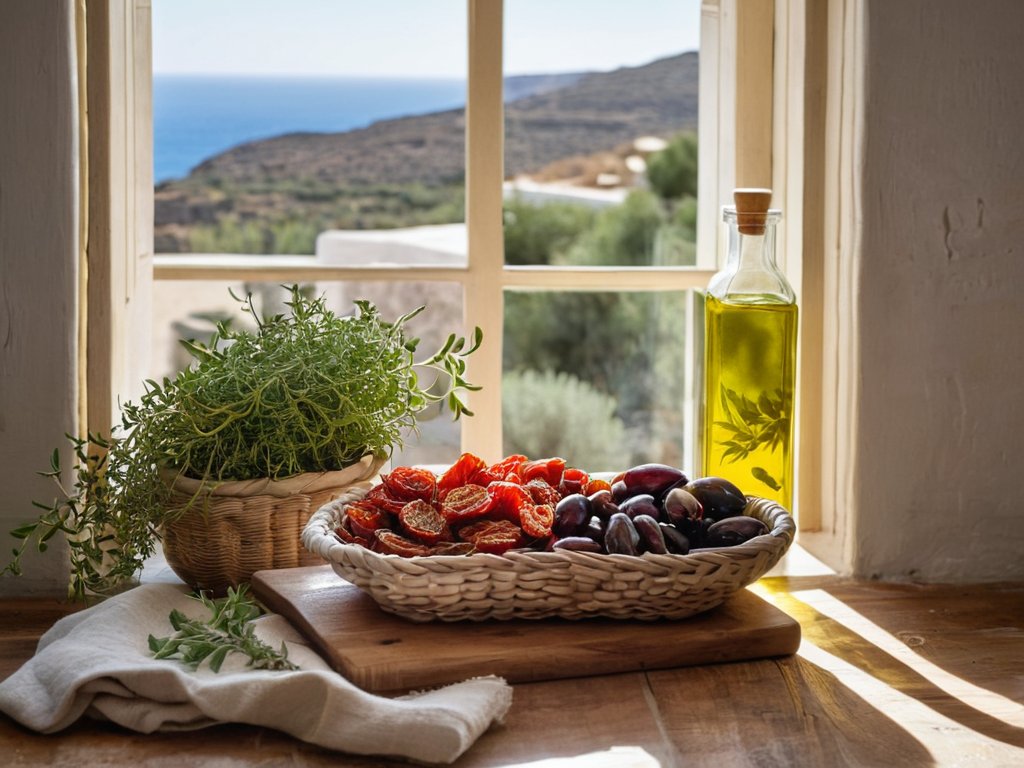
When I first set up a modest kitchen in a coastal village in Crete, I realized that the true magic of this cuisine lies not just in the flavors but in the stories each ingredient carries. Stocking a Mediterranean vegetarian pantry staples—olive oil, kalamata olives, sun‑dried tomatoes, capers, and a handful of aromatic herbs—creates a silent invitation for neighbors to drop by with fresh figs or a basket of herbs from their garden. The plant‑based Mediterranean diet benefits go beyond heart health; they nurture conversation, allowing a simple mezze platter to become a diplomatic exchange where cultures meet over shared plates.
A flexible Mediterranean vegetarian meal plan can turn seasonal bounty into a rhythm of communal feasting. Pairing late‑summer zucchini blossoms with chickpea ricotta, or wintering with lentil‑rich soups, keeps the menu both heart‑healthy Mediterranean vegetarian dishes and culturally resonant. For friends who follow a stricter vegan path, swapping feta for creamy cashew “cheese” preserves the spirit of the cuisine while honoring their choices. By rotating these seasonal vegetarian Mediterranean recipes throughout the year, you not only honor the land’s cycles but also weave a tapestry of connections that stretches from the Aegean to your own doorstep.
Mapping a Mediterranean Vegetarian Meal Plan and Pantry Staples
I begin each week by drawing a simple colour‑coded grid on a postcard I bought in Nafplio. Breakfast is a quick Greek yogurt with honey, toasted pine nuts and fresh figs—enough fuel for the morning dialogues I still hold with myself. Lunches rotate between a chick‑pea‑spinach stew, a lemon‑bright lentil soup, and a halloumi‑olive pita. Dinners become the diplomatic stage: grilled eggplant with za’atar, bulgur tabbouleh bursting with parsley, and roasted red peppers that whisper of the Aegean.
To keep the plan realistic, I stock only a handful of pantry heroes: extra‑virgin olive oil, canned tomatoes, dried lentils and chickpeas, and a bag of durum‑wheat couscous. A jar of preserved lemons, capers and a mixed‑olive tin turn any sauté into a conversation across centuries. Fresh herbs—mint, dill, basil—are the daily passport for my culinary diplomacy, and I replenish them at each market.
Unlocking Plantbased Mediterranean Diet Benefits Hearthealthy Seasonal Reci
When I first sat on a terrace in Crete, sharing a mezze of halloumi‑free bites with a family, I realized the Mediterranean’s plant‑forward rhythm isn’t just delicious—it’s a prescription for a healthy heart. The diet’s reliance on olive oil, nuts, legumes and fresh vegetables floods the bloodstream with healthy fats and antioxidants, lowering LDL cholesterol and calming inflammation. For vegans and vegetarians, those ingredients become the backbone of a menu that fuels longevity.
I’ve turned that revelation into seasonal menus: in spring, a lemon‑zest chickpea salad with baby arugula and peas; in autumn, roasted beets and carrots drizzled with walnut‑infused olive oil; and in winter, a pomegranate‑quinoa stew with a hint of citrus. The dishes honor Mediterranean simplicity, letting the produce speak, while the shared table becomes a micro‑bridge between the hills of Mykonos and the streets of my London flat.
Savor the Sun: 5 Essential Tips for a Vibrant Vegetarian Mediterranean Lifestyle
- Build every meal around a colorful base of olives, tomatoes, and fresh herbs—think of it as a palette for your plate.
- Swap animal‑based proteins for legumes, nuts, and aged cheeses; chick‑chick and feta give you texture, flavor, and heart‑healthy fats.
- Embrace seasonal produce: let summer peaches, autumn figs, and winter kale dictate your grocery list for maximum taste and nutrition.
- Make olive oil your kitchen’s golden thread—drizzle, sauté, or finish dishes to lock in antioxidants and Mediterranean soul.
- Invite community to the table: share mezze‑style plates, swap recipes with neighbors, and turn each meal into a cultural conversation.
Key Takeaways
A plant‑based Mediterranean diet blends vibrant, seasonal produce with heart‑healthy fats, delivering both nutritional benefits and a flavorful culinary adventure.
Stocking a pantry with staples—olive oil, legumes, whole grains, herbs, and canned tomatoes—makes it easy to assemble balanced, vegetarian meals that echo the region’s tradition of sharing food.
A flexible weekly meal plan, anchored in simple recipes like chickpea‑tomato stews, grilled halloumi salads, and fig‑nut desserts, bridges cultures and sparks conversation at the table.
A Bite of Unity
In the fragrant swirl of olive oil, sun‑kissed tomatoes, and fragrant herbs, a vegetarian Mediterranean plate becomes a silent treaty—one that reminds us that shared meals can bridge borders, heal hearts, and nourish the planet alike.
Alexandra Thompson
Full Circle: Bringing the Mediterranean Home, Plant‑Based
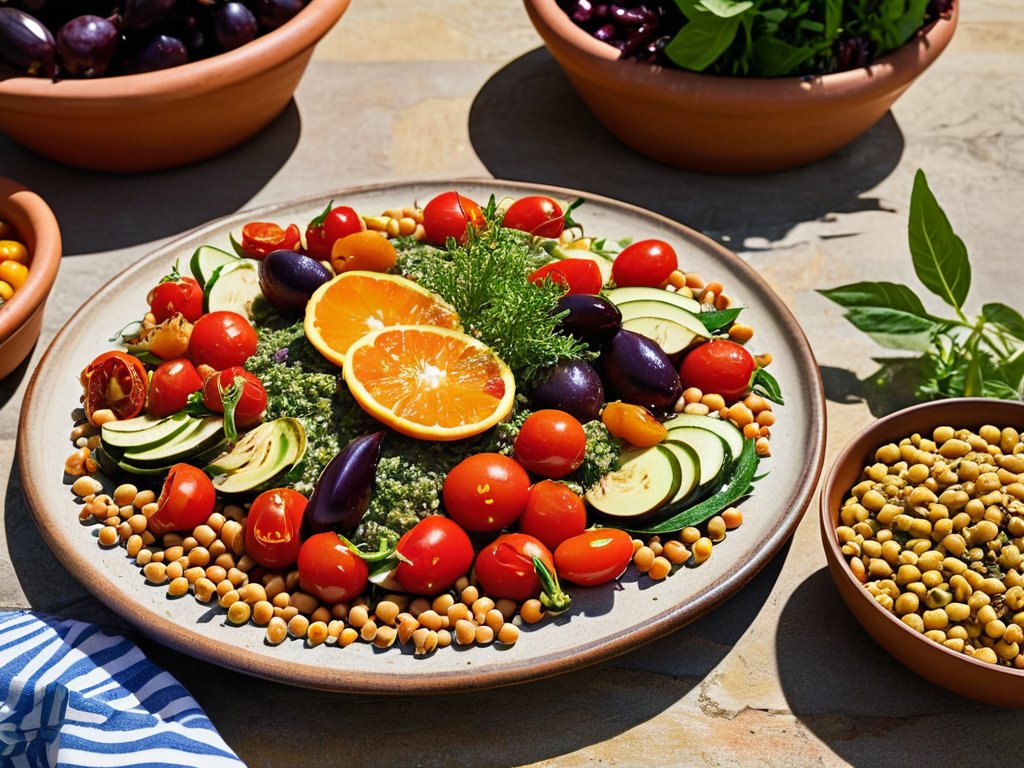
Looking back over the past sections, I’ve tried to show that a vegetarian Mediterranean diet is more than a list of ingredients; it is a roadmap that guides us toward heart‑healthy living, seasonal freshness, and cultural curiosity. By mapping a weekly meal plan around pantry staples—olive oil, canned tomatoes, legumes, and fragrant herbs—we can create vibrant dishes that honor the sea‑side markets of Greece, the sun‑kissed terraces of Sicily, and the bustling souks of Morocco, all without a single animal product. The science‑backed benefits—lowered cholesterol, improved gut microbiome, and reduced inflammation—pair seamlessly with the joy of sharing mezze platters, lentil stews, and roasted vegetable salads with friends from any corner of the world. In short, the guide equips you with the practical tools and the philosophical why behind every bite.
As I close this culinary journey, the globes on my desk remind me that food, like geography, is a universal language. Let the aromas of rosemary‑infused olive oil, the ruby hue of roasted pepper purée, and the crisp snap of fresh figs become your passport to conversation—whether you’re hosting a dinner in a London flat or a rooftop soirée in Delhi. Choosing plant‑based Mediterranean meals does more than nourish; it weaves a tapestry of shared stories that can ripple across borders, one plate at a time.
Frequently Asked Questions
How can I ensure I get enough protein on a vegetarian Mediterranean diet?
I’ve learned that protein on a vegetarian Mediterranean plate is less about hunting for meat substitutes and more about curating a colorful pantry. Start each meal with legumes—chickpeas, lentils, or fava beans—and sprinkle in nuts, seeds, and a dollop of Greek‑style yogurt or halloumi. Pair those with whole‑grain couscous or farro, and you’ll hit 20‑30 g of protein without missing the olive‑kissed, sun‑drenched flavours we love. A splash of almond‑milk protein shake after lunch keeps me fueled.
What are the most affordable pantry staples for this diet in different regions?
I’ve learned that a budget‑friendly Mediterranean veg pantry looks different whether you’re shopping in a Tunisian souk, a Greek taverna market, or a California co‑op. In North Africa, staples are lentils, chick‑peas, couscous, preserved lemons and olive oil. In the Balkans, barley, fava beans, sun‑dried tomatoes and walnut oil stretch meals far. Across the U.S., canned tomatoes, canned beans, bulk quinoa, and a good bottle of extra‑virgin olive oil keep the flavor alive without breaking the bank.
Can I adapt traditional Mediterranean dishes to be fully vegetarian without losing authenticity?
Absolutely—I’ve found that the spirit of Mediterranean cooking lives in its fresh, local produce, simple herbs, and communal sharing, not in meat alone. Swap lamb for lentils in a Greek moussaka, let chickpeas take the spotlight in a Sicilian caponata, or use almond‑based “feta” crumbles on a Turkish mezze board. Keep the olive oil, citrus, and sea‑salt finishes, and you’ll preserve the authentic taste while honoring a fully vegetarian table.