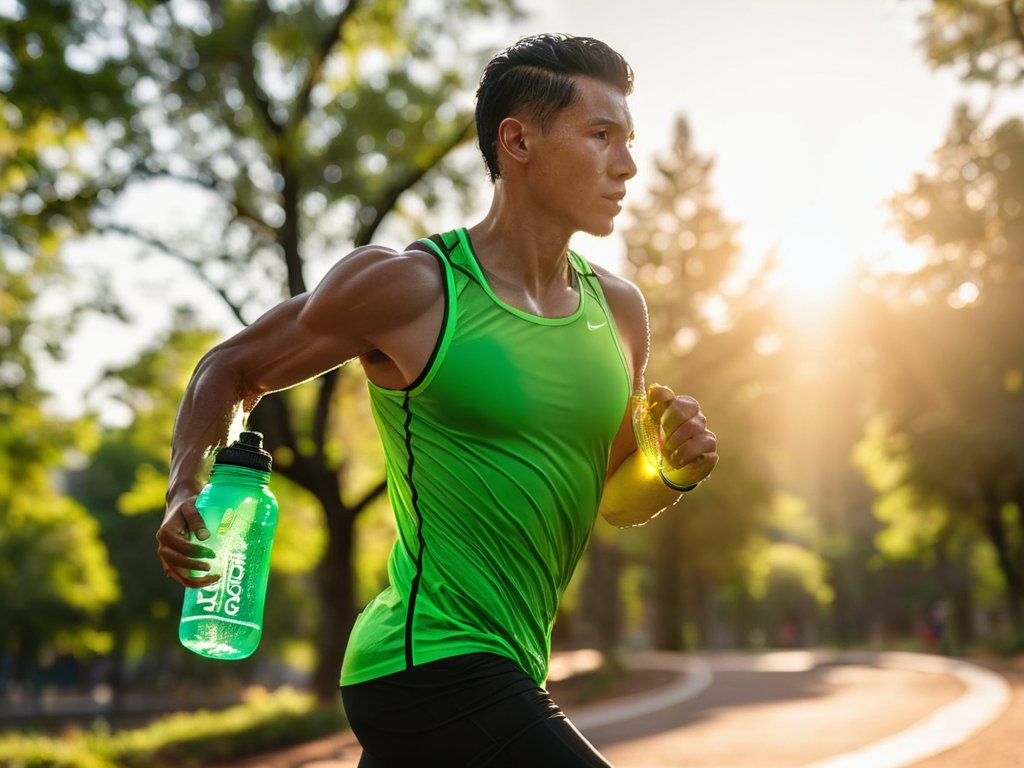
I was halfway up the dusty trail outside the oasis town of Tamanrasset, sweat already soaking my shirt, when my guide—a weather‑worn Tuareg who swears by camel milk—handed me a single bottle of water and said, “You’ve been drinking too much.” The myth that more water automatically boosts performance had just been busted, and I realized the quality of hydration matters more than the quantity—a revelation that reshaped my entire view of hydration and fitness.
In the pages that follow I’ll strip away the hype and give you the no‑nonsense toolkit I use daily, from decoding thirst signals to timing electrolytes around strength sessions and long runs. You’ll learn how to tailor fluid intake to climate, intensity, and your own physiology, plus three simple habits that keep you balanced without counting every millilitre. By the end, you’ll trust your body, stay energized, and let your workouts speak for themselves. And if you ever find yourself in a desert town again, you’ll know exactly what to sip. I’ll also show a quick, paper‑free way to gauge whether you’re on track during a workout, so you never have to guess again.
Table of Contents
- Project Overview
- Step-by-Step Instructions
- Hydration and Fitness Global Narratives That Elevate Performance
- Beyond the Bottle Post Workout Rehydration Strategies and Performance Metri
- Timing the Sip Optimal Hydration Timing for Workouts
- Sip Smart: 5 Essential Hydration Hacks for Peak Performance
- Key Takeaways
- Sip, Sweat, and Synchronicity
- Conclusion
- Frequently Asked Questions
Project Overview
Total Time: 1 hour 30 minutes
Estimated Cost: $20 – $40
Difficulty Level: Easy
Tools Required
- Smartphone ((for apps and timers))
- Measuring Cup ((to measure water intake))
- Stopwatch or Timer ((for interval training))
Supplies & Materials
- Reusable Water Bottle (Preferably with volume markings)
- Electrolyte Powder or Tablets (For post‑workout rehydration)
- Fitness Tracker (optional) (Tracks steps, heart rate, and hydration reminders)
Step-by-Step Instructions
- 1. First, I map my current hydration landscape. I grab a clear glass each morning, note the shade of my urine—aiming for a pale straw hue—and jot down how many liters I’ve drunk the day before. This simple audit, paired with a quick note on my energy levels, becomes the compass for the weeks ahead.
- 2. Next, I schedule fluid intake around my workouts. About 15‑20 minutes before I lace up, I sip 200 ml of water or a light electrolyte drink; during the session I take a 100 ml sip every 20 minutes, and within 30 minutes post‑exercise I replenish with 300‑500 ml of a recovery beverage. Treating hydration as a timed ritual keeps my muscles humming.
- 3. Then, I diversify the sources of my fluids. Instead of relying solely on tap water, I reach for a cup of hibiscus tea from Morocco, a splash of coconut water from the Philippines, or a chilled kefir from Scandinavia. These culturally rich options not only restore electrolytes but also weave a story of global taste into my routine.
- 4. After that, I embed micro‑habits throughout the day. I place a reusable bottle on my desk, set a gentle timer on my phone for every 15 minutes, and take a mindful sip—letting the water glide over my throat like a brief pause in a bustling market. These tiny pauses accumulate into a steady flow of hydration.
- 5. Now, I pair hydration with nutrition. Before a cardio run I enjoy a banana with a drizzle of almond butter, followed by a glass of water; after strength training I combine a protein shake with a cup of lime‑infused water to aid absorption. Aligning food and fluid creates a synergistic boost for recovery.
- 6. Finally, I review and fine‑tune the plan weekly. I glance at my hydration log, compare it to my workout performance notes, and adjust—maybe adding a pinch of sea salt on hot days or reducing intake if I notice swelling. This reflective loop turns hydration from a chore into a living conversation with my body.
Hydration and Fitness Global Narratives That Elevate Performance
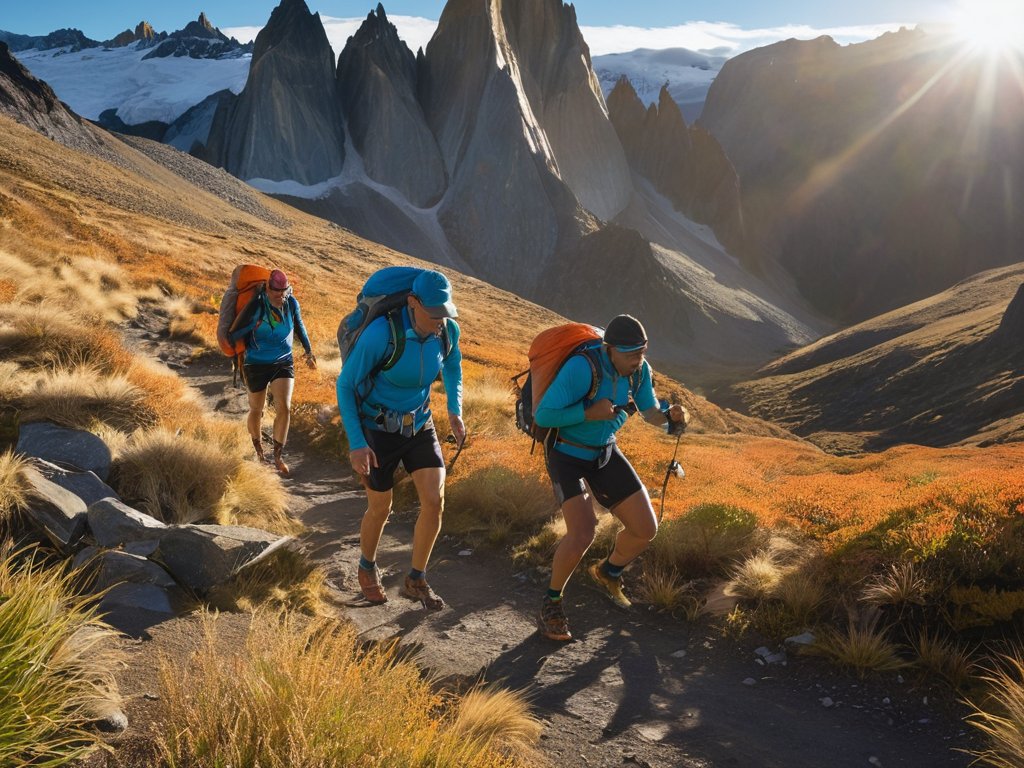
During a trek through Patagonia’s highlands, I ran alongside trail runners who swore by a few sips of electrolyte‑rich water just before the first ascent. Their experience showed me that optimal hydration timing for workouts depends on climate, altitude, and the rhythm of the run. I learned to watch for subtle signs of dehydration during training—dry mouth, a sudden drop in stride length, or light‑headedness that whispers you’re draining reserves. By drinking a few minutes before steep sections, they kept their cadence steady.
After a sweltering yoga session in Delhi, I tried a straightforward post‑workout rehydration strategy: coconut water with a pinch of sea salt, followed by a glass of plain water measured at ½ ounce per pound of body weight. Monitoring my hydration and performance metrics on a wearable revealed faster recovery and capacity for higher‑intensity intervals. For endurance athletes, the best sports drinks for endurance athletes blend glucose with electrolytes, yet I still suggest testing a natural alternative first, so the sugar surge doesn’t mask your body’s subtle cues. I found that sipping a cool cucumber‑infused water during the cool‑down helped balance electrolytes without extra calories.
Beyond the Bottle Post Workout Rehydration Strategies and Performance Metri
After a sunrise HIIT on the dunes outside Muscat, I learned that post‑workout re‑hydration is less about a sterile bottle and more about a small ritual. A cup of salted tamarind broth, a handful of dates soaked in rose‑water, or a glass of kefir from a family dairy in Budapest each supply sodium, potassium and gut‑friendly microbes my muscles crave. I now sip 200 ml of these fluids, then enjoy a bite of toast to lock them in.
To verify those traditions are actually refilling my cells, I keep two simple metrics: weight change and urine colour. Stepping on a digital scale within five minutes of the class, a 0.5‑1 % gain signals fluid retention without overload. A pale straw‑hued urine on my reusable chart confirms electrolyte balance, and a quick HRV check on my watch turns the data into a personal conversation.
Timing the Sip Optimal Hydration Timing for Workouts
I’ve learned that the rhythm of a sip can be as cultural as the music that fills a gym in Lagos or the chants echoing through a Tokyo park at dawn. In my early days as a diplomat, I watched athletes in Kenya hydrate in short, frequent bursts between intervals, treating each gulp like a checkpoint on a long trek. That habit taught me to drink a modest 150‑200 ml every 15‑20 minutes once my heart rate climbs above 60 % of its max, rather than waiting for a dry throat. Before a session, a glass of room‑temperature water (or lightly salted coconut water if I’m on the coast of Kerala) primes the cells, while a final sip 5‑10 minutes before the cool‑down helps the body transition smoothly. Aligning the timing of each sip with the body’s natural ebb and flow turns hydration from a chore into a subtle, cross‑continental ritual that fuels performance.
Sip Smart: 5 Essential Hydration Hacks for Peak Performance
- Start your session with a 200‑ml glass of room‑temperature water 20 minutes before you move – it primes cellular hydration without weighing you down.
- Match your fluid intake to sweat loss: weigh yourself before and after a typical workout; for every kilogram lost, replenish with roughly 1.2 liters of electrolyte‑balanced water.
- Use a “color cue” – aim for light‑gold urine throughout the day; it’s a simple visual check that your body is staying in sync with your activity level.
- Incorporate natural electrolytes (a pinch of sea salt, a splash of coconut water, or a banana slice) into your mid‑workout sip to sustain nerve‑muscle signaling when the heat builds.
- Finish with a recovery drink that blends protein and carbs alongside electrolytes within 30 minutes post‑exercise to lock in rehydration and jump‑start muscle repair.
Key Takeaways
Strategic timing—drink a modest amount before you start, sip lightly during, and replenish electrolytes within 30 minutes after exercising—to keep performance steady across cultures and climates.
Tailor your fluid choice to the environment: water for moderate conditions, sports drinks or natural electrolyte sources (coconut water, salted lassi) when heat, altitude, or humidity intensify sweat loss.
Track personal metrics—urine color, perceived exertion, and wearable hydration alerts—to translate global hydration narratives into a measurable, individualized routine.
Sip, Sweat, and Synchronicity
When we hydrate our bodies, we echo the ancient rivers that have carried cultures across continents—each sip becomes a reminder that performance thrives not just on effort, but on the shared flow that unites us all.
Alexandra Thompson
Conclusion
Throughout this journey we have seen that staying hydrated is far more than a checklist item for athletes; it is the invisible engine that powers every stride, lift, and breath. By drinking consistently throughout the day, we lay the groundwork for cellular efficiency and mental clarity. When the workout begins, optimal hydration timing—a sip 20‑30 minutes before, small gulps during high‑intensity intervals, and a measured finish at the cool‑down—aligns our blood volume with the body’s demand. After the sweat has dried, post‑workout rehydration paired with electrolytes and protein not only restores balance but also sharpens performance metrics, turning recovery into a catalyst for the next session and sustainable performance.
Yet the most compelling takeaway is that each glass we raise is a quiet invitation to join a worldwide conversation about health, resilience, and shared humanity. Water knows no borders; it flows from the highlands of the Andes to the deserts of Rajasthan, linking marathon runners in Nairobi with yoga practitioners in Kyoto. When we honor our bodies with mindful hydration, we also honor the countless hands that have carried that liquid across continents. Let this be a reminder that the simple act of sipping can become a personal empowerment ritual, a bridge that connects our individual goals with the pulse of a global community striving toward stronger, more compassionate futures for generations to come.
Frequently Asked Questions
How much water should I drink before, during, and after a typical workout?
From mornings I spend jogging along the Thames to evenings I sprint through the streets of Jaipur, I’ve learned a simple rhythm: drink 500 ml (about two cups) of room‑temperature water 2‑3 hours before you train, sip another 200‑250 ml right before you start, then aim for 150‑250 ml every 15‑20 minutes while you move. After the sweat‑soaked session, replace what you lost with 500‑750 ml for every half‑kilogram of body‑weight you’ve shed, plus a pinch of electrolytes if the heat was fierce.
Can electrolyte drinks replace plain water for everyday exercise, and when are they truly necessary?
I’ve found that for a typical 30‑minute jog or a weekday yoga class, plain water does the job – it restores the fluid you lose without overloading your system. Electrolyte drinks become useful when sweat loss exceeds about a liter, during long runs, intense heat, or sessions that push you past an hour. In those moments the sodium, potassium and magnesium they carry help keep muscle function steady and prevent that creeping cramp for you.
What signs indicate I’m dehydrated during a workout, and how can I safely recover on the spot?
When my pulse starts racing, my mouth feels like a desert, and I’m sweating through my shirt faster than the sun beats down on Delhi, those are my body’s early warnings. A lightheaded spin, dry skin, or a sudden dip in performance also scream dehydration. On the spot, I pause, sip a few ounces of electrolyte‑rich water, shade myself, and gently stretch while breathing deeply. Within minutes the thirst eases, and I can resume with confidence.