Every time I unpack my suitcase in a new corner of the world—whether it’s a wind‑blown plateau in Patagonia or a bustling dhaba on the outskirts of Delhi—I find myself drawn to the quiet corners where locals roll out their mats. The sheer variety of yoga styles can feel both exhilarating and overwhelming, especially when the same name is used to describe practices that differ wildly in pace, philosophy, and physical demand. How do you choose a path that respects your body, your schedule, and the cultural story behind each posture? I’ve spent the last decade navigating this maze, and I’m still convinced that the right style can become a passport to deeper self‑knowledge.
In the next few minutes I’ll walk you through five distinct traditions—each a living thread in the global tapestry of yoga. You’ll discover which of them aligns with a busy executive’s need for brevity, a creative soul’s yearning for flow, and even the pilgrim seeking meditation through movement. By the end, you’ll have a practical roadmap and a deeper appreciation for the cultural roots that make each style uniquely rewarding.
Table of Contents
Grounded Beginnings: Hatha Yoga
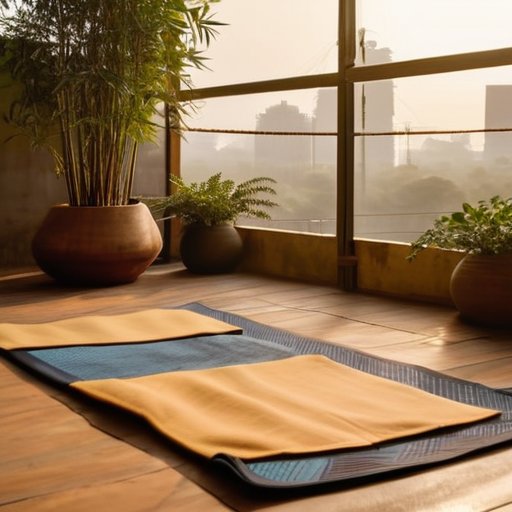
When I first stepped onto a modest studio floor in a rooftop garden above Delhi’s bustling lanes, Hatha felt like a gentle invitation to reconnect with the breath after a day of diplomatic negotiations. The slow, deliberate movements let me feel each joint waking up, as if the ancient practice were a quiet dialogue between my body and the city’s distant hum.
Beyond the physical, Hatha offers a sturdy platform for mental clarity; the balanced postures teach me patience, a skill that proved invaluable when mediating cross‑cultural talks. I still carry that steadiness into my reporting, reminding myself that steady focus can turn a chaotic newsroom into a space for thoughtful storytelling.
Flowing Narrative: Vinyasa Yoga
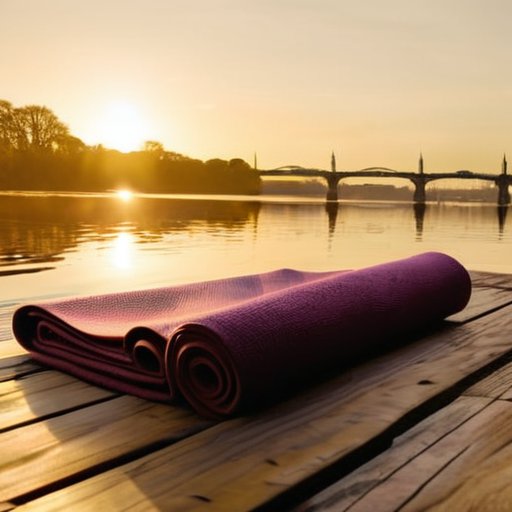
In the mornings I chase the sunrise along the Thames, letting Vinyasa’s rhythmic breath guide my movements like a river carving its path through stone. The seamless transition from plank to chaturanga feels like stitching together the fragmented stories I collect in foreign embassies, each pose a sentence in a larger, living poem.
What keeps me returning is the way Vinyasa unlocks a creative flow that spills onto my notebook; the surge of endorphins mirrors the excitement of a fresh lead. After a vigorous sequence, I find my mind sharper, able to parse nuance in an interview the same way I parse alignment in a pose.
Still Waters: Yin Yoga
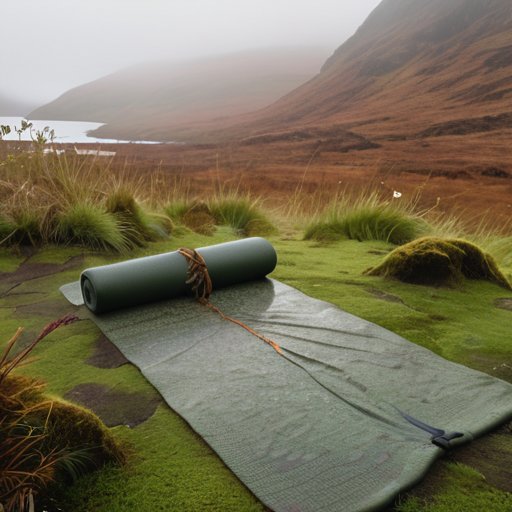
On a rain‑soaked evening in the Scottish Highlands, I rolled out a mat for Yin, surrendering to quiet surrender as each posture lingered for minutes beyond comfort. The stretch reached deep into connective tissue, coaxing memories of distant travels to surface, like ancient maps re‑emerging under a fresh layer of fog.
Those lingering moments train my ear for deep listening, a habit that proves priceless when recording oral histories in remote villages. While the body yields, the mind opens, allowing stories to settle like sediment, ready to be sifted and shared with authenticity.
Dynamic Discipline: Ashtanga Yoga
Every time I step onto the sun‑kissed deck of a coastal retreat in Kerala, the familiar cadence of Ashtanga’s sun‑salutation series pulls me into a disciplined rhythm that echoes the protocol of diplomatic briefings. The prescribed sequence—standing, seated, and finishing postures—creates a ritual I can rely on, no matter how volatile the geopolitical climate.
The relentless pace fuels an inner fire that sharpens my resolve, mirroring the stamina required to chase stories across borders. As sweat beads on my brow, I’m reminded that perseverance on the mat translates into perseverance in the field, where every inquiry demands both stamina and grace.
Awakening Energy: Kundalini Yoga
In a dimly lit hall of a Sufi lodge in Istanbul, I first felt Kundalini’s spiritual spark ignite through a cascade of breath, mantra, and gentle spinal twists. The kriyas felt less like exercise and more like a conversation with the unseen currents that bind cultures together, each chant a bridge across time.
Since that night, the practice has become my compass for personal awakening, nudging me to question assumptions and embrace vulnerability in my reporting. The subtle energy shifts remind me that true insight often arises not from the loudest headlines, but from the quiet pulse beneath them.
Key Takeaways
Each yoga style offers a distinct doorway—whether it’s the meditative stillness of Yin or the dynamic flow of Vinyasa, the practice you choose shapes how you engage body, mind, and culture.
Understanding the lineage and philosophy behind a style helps you align its physical demands with your personal values and life rhythm, turning a workout into a meaningful ritual.
Experimenting across styles isn’t just fitness‑savvy; it’s a form of cultural dialogue, letting you taste the spirit of different traditions while discovering what truly resonates within you.
The Many Paths of Stillness
Yoga is not a single road but a constellation of styles—each a different language through which the body whispers the world’s stories back to us.
Alexandra Thompson
Beyond the Mat: A Global Finale
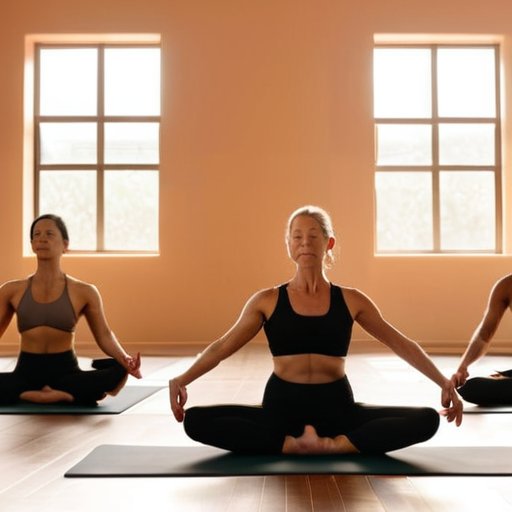
Looking back over the five styles I unpacked, a pattern emerges: each practice offers a distinct doorway into the same fundamental quest for balance. From the grounded, breath‑centered discipline of Hatha, through the fluid, rhythm‑driven flow of Vinyasa, to the slow, meditative surrender of Yin, we see how posture and breath can be tuned to different tempos of life. Kundalini’s spiraling energy work reminds us that yoga can awaken dormant currents, while modern Power Yoga fuses athletic vigor with traditional intent, proving that the ancient art continues to evolve. Together they illustrate the mind‑body harmony that underlies every strand of the yoga tapestry.
Yet the true magic of these styles lies not in their taxonomy but in the way they invite us to become citizens of a shared, global mat. When I rolled out my practice in a remote Himalayan village, the same breath that steadied my Vinyasa linked me to a monk chanting in Sanskrit; in a bustling New York studio, the quiet stillness of Yin whispered across cultures the same promise of inner peace. I encourage you to let curiosity be your mat‑guide—sample, linger, and let the posture that resonates most become a passport to deeper self‑knowledge. In the end, yoga is less a set of rigid categories and more a living conversation that bridges borders, bodies, and hearts.
Frequently Asked Questions
Which yoga style best suits a beginner looking to improve flexibility without overexertion?
If I were stepping onto the mat for the first time, craving a gentle stretch rather than a marathon, I’d reach for Hatha or Yin yoga. Hatha offers slow, alignment‑focused sequences that build basic flexibility while keeping the body safe, and its paced breathing reminds you to honor limits. Yin, with its longer, passive holds, invites you to melt into each pose, coaxing connective tissue to lengthen without the pressure of vigorous flow.
How do the philosophical roots of each yoga style influence the physical practice?
The philosophy behind each style is the invisible thread that shapes every breath, bend, and pause. In Hatha, the ancient aim of balancing purusha and prakriti turns the asana into a moving meditation on equilibrium. Vinyasa’s roots in the Bhagavad Gītā’s call to selfless action make the flow feel like a ritual of surrender, each transition a quiet offering. Iyengar’s dedication to svadhyaya (self‑study) pushes me to fine‑tune alignment, turning a simple pose into a precise inquiry. When I practice Kundalini, the emphasis on awakening the inner fire transforms each spinal twist into a conduit for that pranic energy. Even restorative Yin, steeped in Taoist concepts of yielding, invites me to linger in stillness, letting the body echo the philosophy of “non‑resistance.”
Can I blend elements from different yoga styles safely, and what should I watch out for?
I’ve found that mixing a grounding Vinyasa flow with the meditative stillness of Yin can feel like a conversation between body and mind—if you respect each practice’s rhythm. Start with a clear intention, keep transitions gentle, and listen for fatigue in joints or breath that feels forced. Avoid stacking intense backbends on a day you’ve done a vigorous power class; the nervous system needs space to integrate. A notebook of sensations helps you fine‑tune the blend.