Ever found yourself standing in the kitchen, juggling a bottle of citrus‑scented spray and a half‑used rag, wondering if any of it is truly eco‑friendly? I used to believe that the greener the label, the cleaner the planet—until a rainy night in a mud‑bound village in the Western Ghats taught me otherwise. There, a grandmother showed me how a pinch of baking soda and a splash of lemon could lift stubborn grime without a single plastic bottle. That moment sparked my lifelong quest to demystify eco-friendly home cleaning and prove that simplicity can be powerful.
In the next few minutes, I’ll cut through the hype and give you a straightforward, no‑fluff roadmap: the three essential ingredients you can find in any pantry, the single tool that replaces a whole cabinet of chemicals, and a quick routine that fits into a busy diplomat’s schedule or a student’s cramped flat. You’ll walk away with a ready‑to‑use checklist, budget‑friendly recipes, and the confidence to swap out the toxic for the thoughtful—without sacrificing sparkle. I’ll also share a couple of quick troubleshooting tricks for those stubborn stains that refuse to budge.
Table of Contents
- Project Overview
- Step-by-Step Instructions
- Ecofriendly Home Cleaning Crafting Shared Spaces With Sustainable Tools
- Chemicalfree Surface Cleaners and Sustainable Tools for Shared Spaces
- Zerowaste Methods Plantbased Disinfectants and Energyefficient Appliances
- Key Takeaways for Sustainable Home Cleaning
- Cleaning with Conscience
- Closing Thoughts: A Greener Clean for Shared Futures
- Frequently Asked Questions
Project Overview
Total Time: 1 hour 30 minutes
Estimated Cost: $15 – $30
Difficulty Level: Easy
Tools Required
- Spray bottle (Reusable, preferably glass or BPA‑free plastic)
- Bucket (Medium size for mixing solutions)
- Microfiber cleaning cloths (Washable and reusable)
- Scrub brush (Stiff bristles for tough stains)
- Rubber gloves (Protect hands from grime)
Supplies & Materials
- White distilled vinegar (Base cleaner and deodorizer)
- Baking soda (Gentle abrasive and deodorizer)
- Liquid castile soap (Mild, plant‑based surfactant)
- Lemon juice (Natural degreaser and fresh scent)
- Essential oil (e.g., tea tree, lavender, citrus) (Optional for fragrance and extra antimicrobial properties)
- Cornstarch (For polishing wood surfaces)
Step-by-Step Instructions
- 1. First, I gather my DIY cleaning arsenal—a spray bottle, white vinegar, baking soda, lemon zest, and a handful of reusable microfiber cloths. By keeping everything in one tidy basket, I avoid the impulse to reach for a commercial product and set the stage for a mindful cleaning ritual.
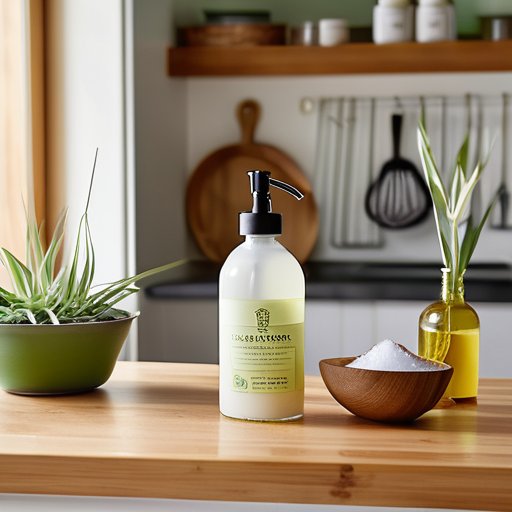
- 2. Next, I whisk together a universal all‑purpose cleaner: one part white vinegar, one part water, and a few drops of essential oil (lavender or tea tree work wonders). I shake the bottle vigorously, then spritz surfaces like countertops, bathroom tiles, and window sills, letting the natural acidity dissolve grime while the scent reminds me of distant citrus groves.
- 3. For stubborn stovetop residue, I sprinkle a generous layer of baking soda over the burnt spots, then drizzle a little warm water to form a paste. I let it sit for 10 minutes, allowing the mild abrasive to lift the debris, before scrubbing gently with a non‑scratch sponge and wiping clean with a damp cloth.
- 4. When it’s time to freshen up fabrics, I create a simple deodorizing spray by mixing one cup of distilled water with a quarter cup of vodka and a splash of eucalyptus oil. I mist curtains, upholstery, and even my travel‑worn backpack, letting the alcohol evaporate quickly and leave behind a subtle, clean aroma.
- 5. To tackle the often‑overlooked floor edges, I dip a soft-bristled brush into a solution of warm water and a teaspoon of castile soap, then sweep along baseboards and under furniture. The gentle suds lift dust without leaving a slippery residue, and the rhythmic motion feels almost meditative.
- 6. Finally, I rinse all cleaning tools—sponges, cloths, and mop heads—in a basin of hot water infused with a few drops of lemon juice. This not only sanitizes them but also prevents any lingering odors, ensuring my next cleaning session starts with fresh, ready‑to‑use supplies.
Ecofriendly Home Cleaning Crafting Shared Spaces With Sustainable Tools
As I wander through the narrow alleys of Fez, I’m reminded that the tools we bring into our kitchens can be as telling as the spices we share. Swapping disposable wipes for sustainable cleaning tools—think bamboo scrub pads, washable cotton rags, and a set of high‑grade microfiber cloths—cuts waste before the grime even appears. Pair those with a small, refillable spray bottle and you’ve already embraced a zero waste cleaning method that feels both practical and symbolic.
In the bathroom, the temptation to reach for a glossy spray is strong, yet plant‑based disinfectants can match that shine without leaving residues. A simple mix of white vinegar, distilled water, and a few drops of tea‑tree oil works wonders on tiles, while a baking‑soda paste tackles soap scum. When you choose non‑toxic bathroom cleaning solutions, you protect every family member—and the microbes that keep our planet thriving.
Finally, don’t overlook the machines that do the heavy lifting. Modern energy‑efficient cleaning appliances use less electricity while maintaining performance, and pairing them with low‑sudsing eco‑friendly laundry detergents allows you to wash at cooler temperatures. The savings—both financial and environmental—quickly add up.
Chemicalfree Surface Cleaners and Sustainable Tools for Shared Spaces
Whenever I step into a loft or the shared kitchen of a hostel, the first thing I notice is the lingering scent of chemicals—an invisible reminder that convenience often outweighs health. I’ve learned to replace those harsh sprays with a simple trio: white vinegar for grime, baking soda for gentle abrasion, and a few drops of citrus essential oil to lift stubborn stains without leaving a synthetic after‑taste. A reusable microfiber cloth—one of my favorite tools that I keep folded next to my vintage 1970s globe—captures dust instead of scattering it, while a bamboo scrub brush handles textured surfaces without splintering. By swapping wipes for these durable alternatives, we not only reduce plastic waste but also create a quieter, more breathable atmosphere that invites conversation rather than caution. It feels like a small, collective act of stewardship in shared homes.
Zerowaste Methods Plantbased Disinfectants and Energyefficient Appliances
On a recent stop in a remote village, I watched families rinse reusable spray bottles in a basin of rainwater, then refill them with a simple mix of white vinegar, citrus zest, and a pinch of sea salt. That zero‑waste ritual has become my go‑to for kitchen counters and bathroom tiles; the containers stay in circulation for months, and plant‑based disinfectant leaves a faint lemon scent without the harsh chemicals that trigger my allergies.
When I returned to my flat in London, I swapped my old electric kettle for a stovetop model made from recycled stainless steel and installed an Energy Star‑rated washing machine that adjusts water temperature based on load size. The savings are subtle—lower electricity bills and a quieter night—but they feel like small diplomatic victories for the planet, reminding me that every appliance can be an ambassador of sustainability.
Key Takeaways for Sustainable Home Cleaning
Simple, plant‑based cleaners can replace harsh chemicals without sacrificing effectiveness, keeping both health and the planet in mind.
Zero‑waste practices—like reusing containers, buying in bulk, and opting for refill stations—dramatically cut plastic waste and cost over time.
Choosing energy‑efficient appliances and tools not only reduces your carbon footprint but also saves money on utility bills, making sustainable living a win‑win.
Cleaning with Conscience
When we choose a vinegar‑scented wipe over a synthetic spray, we aren’t just cleaning a countertop—we’re polishing the planet’s future, one mindful swipe at a time.
Alexandra Thompson
Closing Thoughts: A Greener Clean for Shared Futures
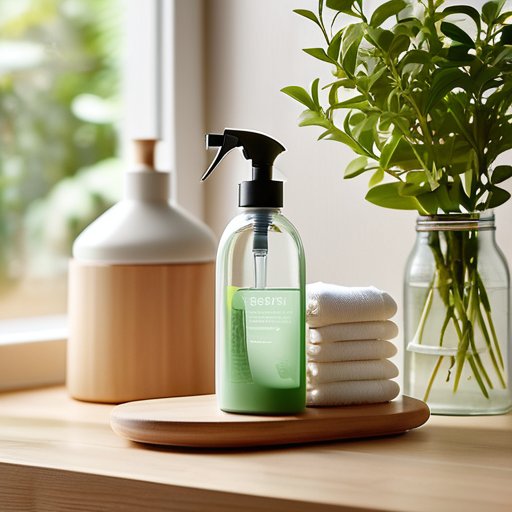
Looking back on the steps we’ve mapped out, it’s clear that a greener routine is less about drastic overhauls and more about a series of mindful swaps. By reaching for chemical‑free surface cleaners, swapping out disposable wipes for reusable microfiber cloths, and brewing plant‑based disinfectants in a simple spray bottle, we already cut down the toxic load in our homes. Pairing those choices with zero‑waste methods—such as composting citrus peels for a natural degreaser or repurposing glass jars for bulk powders—keeps packaging out of the landfill. Energy‑efficient appliances, from induction stovetops to low‑watts vacuum cleaners, round out the picture, turning everyday chores into low‑impact actions. In shared spaces, these tools not only protect the health of our families and roommates but also model a sustainable ethic that can travel beyond our front doors.
What starts on the kitchen sink never stays confined; it ripples outward, echoing the bustling markets of Delhi and quiet council chambers in London. Each time we choose a refillable bottle over a single‑use plastic, we turn a tiny domestic act into a statement of global stewardship. I invite you to treat your cleaning routine as a passport to collective change—record your experiments, share the scent of lemon‑mint spray with neighbours, and let the vintage globes on our shelves remind us that every corner of the planet benefits when we clean responsibly.
Frequently Asked Questions
How can I make my own plant‑based disinfectant without compromising effectiveness?
I’ve found that a simple plant‑based disinfectant can be just as potent as its chemical cousins when you combine the right ingredients. Start with 1 cup distilled water, add ¼ cup white vinegar, ¼ cup 70 % isopropyl alcohol (plant‑derived), and 10‑15 drops tea‑tree or eucalyptus essential oil—both natural antimicrobials. Shake well, let it sit 24 hours, then spray on surfaces; the alcohol and acids do the heavy lifting while the oils add a fresh scent and extra germ‑killing power.
What are the best zero‑waste cleaning tools that actually last long in a busy household?
I’ve learned that durability matters most when the house never stops moving. My go‑to zero‑waste tools are a stainless‑steel scrubber set (the thick, honey‑comb pad survives weeks of pots without losing its bite), a bamboo‑handle mop with a refillable microfiber head, and a glass‑lined spray bottle that resists scratches. Pair them with a sturdy silicone dish‑scrub brush and a reusable lint‑roller; they endure the chaos while keeping waste out of the landfill.
Are there affordable eco‑friendly cleaning products that work well on tough stains like grease and mold?
I’ve found a few budget‑friendly, planet‑loving options that actually cut through grease and stubborn mold. White vinegar mixed with a splash of dish‑soap works wonders on stovetop splatters; sprinkle baking soda on the surface first for extra abrasion. For bathrooms, a 1‑part hydrogen peroxide to 2‑part water spray, left to fizz, dissolves mildew without harsh chemicals. You can even buy a reusable microfiber pad that traps grime, eliminating disposable wipes and keeping costs low today.