I was haggling over a hand‑woven cotton kurti in a narrow Jaipur bazaar, the scent of spices thick in the air, when a vendor whispered that his fabrics were “eco‑friendly” because they were made locally. My mind raced back to the glossy campaigns that equate any label with a green halo, and I realized the biggest myth in sustainable fashion is that a locally‑made piece is automatically kind to the planet. The truth? It’s the whole lifecycle—soil, dye, transport, and even the story stitched into each seam—that decides whether a garment truly respects the earth.
In the next few minutes I’ll strip away the jargon and give you a no‑hype, step‑by‑step guide to building a wardrobe that actually reduces waste. You’ll learn how to read labels beyond the buzzwords, spot the hidden environmental costs of fast‑fashion pricing, revive beloved pieces with simple repair tricks, and source alternatives that align with the values you carry from one continent to the next. By the time you finish, you’ll have a practical toolkit to turn every shopping decision into a small act of global stewardship.
Table of Contents
- Project Overview
- Step-by-Step Instructions
- Sustainable Fashions Global Tapestry From Circular Economy to Fair Trade
- Circular Fashion Economy Upcycled Clothing Ideas for Zero Waste Wardrobe
- Organic Cotton Benefits Green Textile Innovations and Sustainable Fashion C
- Stitching Change: Five Practical Tips for a Greener Wardrobe
- What to Remember: Sustainable Fashion in Action
- Threads of Global Responsibility
- Threads of Tomorrow: Closing the Circle
- Frequently Asked Questions
Project Overview

Total Time: 3 hours
Estimated Cost: $40 – $80
Difficulty Level: Intermediate
Tools Required
- Sewing Machine ((standard or portable))
- Fabric Scissors ((sharp for clean cuts))
- Tailor’s Chalk ((for marking fabric))
- Pins and Pin Cushion
- Measuring Tape
- Hand Seam Ripper
Supplies & Materials
- Organic Cotton Fabric (pre-washed)
- Recycled Denim (for sturdy panels)
- Eco‑Friendly Thread (polyester‑free)
- Natural Dye (e.g., beetroot, indigo) (optional for color)
- Reusable Fabric Glue (for quick fixes)
- Pattern Paper (or repurposed newspaper)
Step-by-Step Instructions
- 1. Start with a wardrobe audit – I pull everything out onto my bedroom floor, gently sorting garments into “keep,” “repair,” and “repurpose” piles. As I run my fingers over each fabric, I ask myself whether the piece still tells a story I want to wear or if it’s time to let it go. For the “keep” items, I photograph them, noting the brand, material, and any care instructions; this visual inventory becomes my reference point for future purchases.
- 2. Trace the origins of each piece – Using the brand’s official website, sustainability reports, or third‑party databases like Good On You, I dig into the supply chain. I look for clues such as organic cotton, recycled polyester, or fair‑trade certifications, and I jot down any red flags—like opaque sourcing or excessive carbon footprints—so I can make informed decisions about what stays in my closet.
- 3. Set clear, personal sustainability goals – I commit to a measurable target, for example, “replace 30 % of my wardrobe with verified sustainable items within the next year.” I write this goal in my travel journal, pairing it with a timeline and a simple tracking sheet. By anchoring the ambition to a concrete number, I keep the journey tangible and motivating.
- 4. Curate a list of vetted, ethical brands – I compile a shortlist of labels that align with my values—those that prioritize transparent production, low‑impact dyes, and local artisans. I subscribe to their newsletters, follow their social media, and join community forums where fellow conscious shoppers share experiences. This network becomes my runway for discovering hidden gems beyond the mainstream.
- 5. Adopt mindful shopping habits – Before any purchase, I pause and apply the “three‑question test”: (a) Do I truly need this item? (b) Is it made from sustainable materials? (c) Can it be repaired or upcycled later? I also set a budget for each acquisition, ensuring I invest in quality pieces that will last for years, rather than fleeting trends.
- 6. Embrace repair, upcycling, and circularity – I learn basic sewing stitches and partner with local tailors to mend worn seams, replace missing buttons, or transform a summer dress into a stylish tote. When an item truly reaches the end of its life, I seek out textile recycling programs or donate to charities that repurpose clothing, closing the loop and giving the fabric a second narrative.
Sustainable Fashions Global Tapestry From Circular Economy to Fair Trade
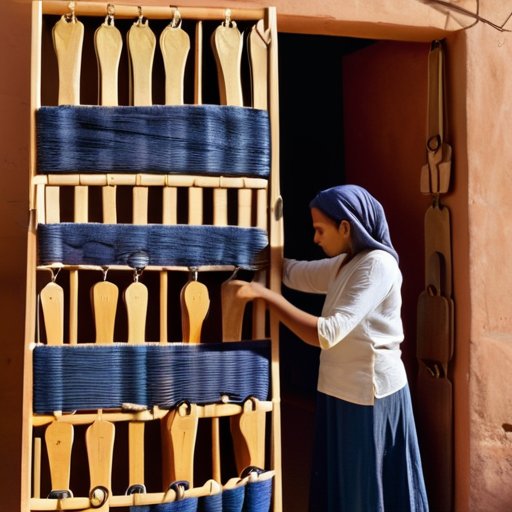
When I wandered the souks of Marrakech, I discovered a small cooperative that works within a circular fashion economy. Instead of discarding scraps, artisans feed the leftover fibers back into the loom, turning waste into new yarn for the next collection. I was struck by how a fair trade garment factory can become a hub of transparency: workers earn living wages and the supply chain is mapped so each stitch can be traced. Before you add a new piece to your closet, look for certifications like GOTS or Fair Trade – they’re the passport stamps confirming a responsible journey.
Back home, I’ve been testing the organic cotton benefits many brands tout, and I’ve found the real magic when I pair them with upcycled clothing ideas. A swap‑swap night with friends can turn a worn‑out tee into a patchwork tote, while leftover tailoring fabric becomes reusable snack bags – small steps toward a zero waste wardrobe. Keep an eye on green textile innovations like bio‑based dyes and mushroom leather; they often debut in niche collections, offering a glimpse of how the industry might reinvent itself beyond the fast‑fashion treadmill.
Circular Fashion Economy Upcycled Clothing Ideas for Zero Waste Wardrobe
When I trekked through the textile markets of Oaxaca, I was struck by the way artisans breathe new life into discarded fibers, turning what the world calls “waste” into vibrant, market‑ready garments. That same principle can travel to our closets: a circular fashion economy isn’t just a buzzword, it’s a mindset that invites us to see every thread as a reusable resource. I start each week by pulling out a forgotten shirt, slicing it into patchwork panels, and stitching them onto a denim jacket—an upcycled piece that carries both the story of its origins and a promise of zero waste. Simple ideas—like swapping buttons for reclaimed metal clasps, or swapping a tired sweater for a knit‑by‑you cardigan using leftover yarn— transform the act of dressing into a quiet act of stewardship, stitching personal style into the wider tapestry of a regenerative global system.
Organic Cotton Benefits Green Textile Innovations and Sustainable Fashion C
When I walked through an organic cotton farm in Gujarat, the scent of earth‑wet fibers reminded me that fashion can start with soil. Unlike conventional cotton, which guzzles water and leaches pesticides, organic strands keep river basins healthier and preserve biodiversity for the farmers who tend them. The slower, hand‑picked harvest also means fewer carbon emissions and a natural softness that lasts longer, cutting the need for frequent replacement.
Green textile labs are turning waste into runway material—Tencel lyocell from sustainably harvested eucalyptus, hemp that biodegrades in months, and bacterial pigments that replace toxic dyes. Certifications give those experiments market credibility. GOTS audits the whole chain from seed to stitch, while Cradle‑to‑Cradle® and Bluesign® verify closed‑loop production and water stewardship. When I see those seals, I know I’m buying a story that links a farmer in Punjab to a designer in Copenhagen.
Stitching Change: Five Practical Tips for a Greener Wardrobe
- Choose timeless pieces made from certified organic or regenerative fibers, and let quality outlast fleeting trends
- Repair, remix, and restyle before you replace—learn basic mending or partner with local up‑cyclers to extend a garment’s life
- Shop second‑hand and vintage markets, where each pre‑loved item carries a story and reduces demand for new production
- Support brands that are transparent about their supply chain, from fair‑trade sourcing to closed‑loop recycling certifications
- Mind the whole lifecycle: wash in cold water, air‑dry, and compost or recycle textiles at the end of their use to keep fibers out of landfill
What to Remember: Sustainable Fashion in Action
A truly sustainable wardrobe starts with conscious choices—opt for organic, certified fabrics and support brands that prioritize transparent, circular supply chains.
Upcycling isn’t just a buzzword; it’s a creative strategy to extend the life of garments, turning old pieces into fresh, zero‑waste statements that reflect personal style and global responsibility.
Fair trade practices and community‑driven production empower artisans worldwide, turning fashion into a conduit for economic equity and cultural exchange.
Threads of Global Responsibility
Sustainable fashion is the quiet dialogue between the loom of tradition and the pulse of tomorrow—when we choose garments that respect the earth, we stitch together stories that span continents and generations.
Alexandra Thompson
Threads of Tomorrow: Closing the Circle

In the pages that led us here, I traced the thread that ties together a circular fashion economy, the joy of up‑cycled garments, and the quiet power of organic cotton. We explored how designers are turning textile waste into runway‑ready pieces, how green textile innovations—from mushroom leather to water‑less dyeing—are redefining what it means to clothe ourselves responsibly, and how transparent certifications give us a compass in a market crowded with green‑washing. By weaving fair‑trade principles into every stitch, the industry can shift from a linear throw‑away model to a regenerative loop that respects both people and planet. These pillars form the backbone of a truly sustainable wardrobe.
Standing at the crossroads of tradition and innovation, I feel the pull of every vintage globe in my study—a reminder that fashion, like travel, is a story we tell across borders. When we choose a garment stitched with conscience, we add a new chapter to that global narrative, one where local artisans thrive and ecosystems heal. Let us each become a traveler of textiles, swapping fast‑fashion souvenirs for pieces that carry provenance, purpose, and possibility. Imagine wardrobes that whisper the histories of the fields they grew in and the hands that made them; together, we can spin that whisper into a chorus that reshapes the industry, one mindful choice at a time.
Frequently Asked Questions
How can I start building a sustainable wardrobe without breaking the bank?
I start by looking at the closet I already own—what can be mended, swapped, or restyled before I buy anything new. Thrift markets in my latest stop in Oaxaca taught me that a single vintage jacket can become the centerpiece of dozens of outfits. I set a modest monthly cap, prioritize pieces made from organic cotton or recycled fibers, and join local clothing‑swap circles. Small, intentional steps turn a tight budget into a thriving, low‑impact wardrobe.
Which fashion certifications are truly trustworthy and worth looking for when I shop?
I keep an eye on a few seals that have earned my trust. The GOTS label guarantees organic fibers and strict social standards; Fair Trade Certified tells me the workers earned a living wage; Bluesign signals responsible chemical use; and the Cradle‑to‑Cradle “Gold” mark proves a product can be safely recycled. The EU Ecolabel, though less common in apparel, still signals lifecycle assessment. When I see these, I feel confident my purchase threads a positive story.
What practical steps can I take to support circular fashion and upcycled clothing in my everyday purchases?
I start by scouting local thrift stores or online resale platforms before buying anything new, treating each find as a story waiting to be retold. When I need a fresh piece, I choose brands that publish transparent repair‑and‑return policies and label their collections as upcycled or made from reclaimed fibers. I also set a reminder to swap clothes with friends each season and donate or repurpose garments I no longer wear, turning them into accessories.