I was perched on a stone balcony in the highlands of Ladakh, wind tugging at my scarf, when the instructor shouted, “Flow!” and the room erupted into a seamless breath‑linked flow that felt less like exercise and more like a dialogue between body and altitude. My diplomatic training had taught me to read subtle cues in negotiations; here, the only treaty was between inhale and exhale, and the myth that Vinyasa Yoga demands years of flexibility suddenly dissolved into a truth: you only need willingness to move with the moment.
In the pages that follow I’ll strip away jargon and give you a step roadmap—how to build a safe vinyasa sequence at home, the cues that keep you anchored when the mind wanders, and subtle adjustments that turn a shaky series into a steady conversation with yourself. No fancy studio fees, no mystical promises—just tools that helped me find balance on a balcony miles from the nearest yoga mat. By the end you’ll be ready to roll out your own mat, wherever you are, and let the flow become a bridge between cultures and your inner compass.
Table of Contents
- Project Overview
- Step-by-Step Instructions
- Vinyasa Yoga a Global Flow Connecting Body and Mind
- Beginners Vinyasa Yoga Sequence Warmup and Flow Foundations
- Stress Relief Through Breath Alignment Tips for Flexible Freedom
- Vinyasa Yoga: Five Transformative Tips for Flowing Mindfully
- Key Takeaways: Flow, Breath, and Connection
- Flowing Between Borders
- Conclusion: Flowing Forward Together
- Frequently Asked Questions
Project Overview
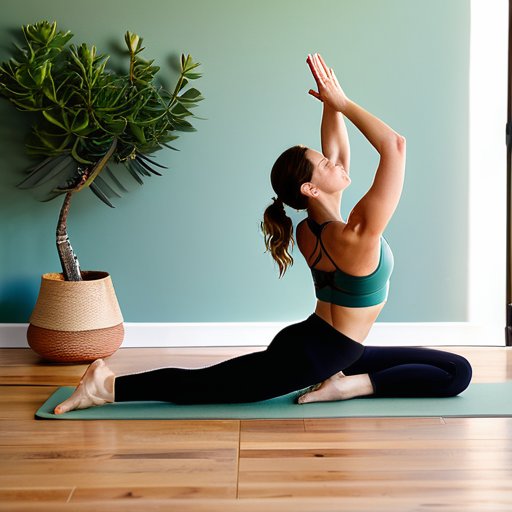
Total Time: 45 minutes
Estimated Cost: $75 – $200
Difficulty Level: Easy
Tools Required
- Yoga Mat (Non-slip, preferably 1/4-inch thick)
- Yoga Blocks (Foam or cork, 6 inches each)
- Yoga Strap (1.5-meter cotton strap)
- Yoga Blanket (For seated postures and support)
- Yoga Bolster (Optional for restorative poses)
Supplies & Materials
- Yoga Towel (Absorbent, placed over mat)
- Mat Cleaner Spray (Natural, for hygiene)
- Essential Oil Diffuser (Lavender or eucalyptus for ambiance)
- Speaker or Playlist (Soft music or guided Vinyasa flow)
Step-by-Step Instructions
- 1. First, I clear a corner of my room or, if the weather permits, set up my mat on a balcony overlooking the cityscape. I lay a vintage globe beside me as a reminder that each breath connects me to distant horizons. I light a single candle, close my eyes, and set a simple intention—perhaps “to honor the rhythm of the world’s tides” before I even touch the mat.
- 2. Next, I settle into a few grounding breaths, inhaling through the nose, feeling the air fill my lungs like the first rush of monsoon in Delhi, and exhaling through the mouth, letting tension dissolve. I count silently to four on the inhale and six on the exhale, allowing the steady pulse to become the metronome for the practice ahead.
- 3. Then I move into a flowing Sun Salutation, letting each pose unfold as a story from a different continent. From Mountain Pose (Tadasana) I sweep my arms upward, imagine the spires of London’s skyline, then fold forward, feeling the pull of the Ganges beneath my shoulders. I repeat the sequence three times, each round deepening the sense of global continuity in my body.
- 4. Now I link breath to movement, transitioning smoothly from Warrior II to Reverse Warrior, feeling the stretch echo the wide-open plains of the Serengeti. I cue myself: “Inhale, open the heart; exhale, sink deeper.” This deliberate pairing keeps the practice fluid and mindful, preventing the mind from drifting into distraction.
- 5. After the main flow, I weave in a culturally inspired pose—perhaps a seated forward bend while reciting a short Sanskrit mantra I learned in Rajasthan. I hold the stretch for five breaths, visualizing the ancient trade routes that once carried ideas across oceans, reminding myself that movement is also a form of dialogue.
- 6. Finally, I close with Savasana, lying still as the world spins silently around me. I place the vintage globe gently on my abdomen, feeling its weight as a grounding anchor. In this quiet, I journal three reflections: what I felt, what I learned, and a gratitude note to the countless cultures that have shaped my practice. I seal the session with a soft namaste, carrying the peaceful resonance into the rest of my day.
Vinyasa Yoga a Global Flow Connecting Body and Mind
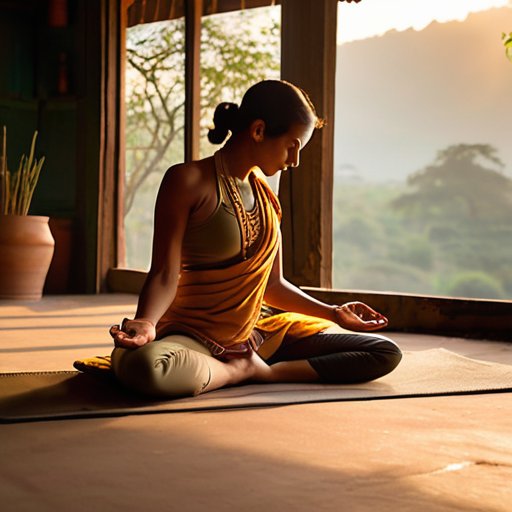
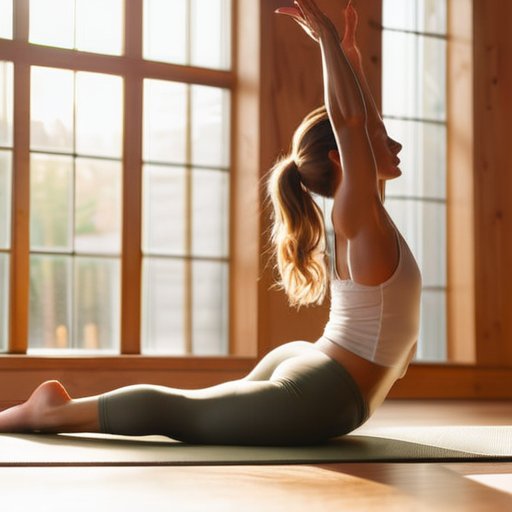
I’ve learned that the practice truly begins before the first sun‑salutation, when the body honors its own rhythm. A mindful warm‑up routine—cat‑cow arches, gentle twists, and a few breaths—creates a bridge between the external world and the inner landscape. Syncing inhalations with arm lifts and exhalations with folds lets the vinyasa yoga breathing patterns become a conversation across continents, echoing bustling markets in Delhi or the hush of a Scottish loch.
Once the breath is settled, the real magic lies in the subtle adjustments that keep the spine supple and the joints safe. Simple alignment cues—pressing the heels down, drawing the shoulder blades toward the spine, and engaging the core—can transform a routine into a genuine exploration of space. For those just starting, a vinyasa yoga sequence for beginners that weaves together Warrior II, Triangle, and a gentle back‑bend offers a taste of the vinyasa yoga benefits for flexibility while also soothing the nervous system. End each session with a few minutes of seated meditation, and you’ll notice a lingering sense of calm that feels similar to the relief people report after a community gathering in a remote village.
Beginners Vinyasa Yoga Sequence Warmup and Flow Foundations
When I first unrolled my mat on a terrace in Oaxaca, the sunrise seemed to pulse in time with my breath. I begin every beginner’s Vinyasa with a three‑minute grounding: seated cross‑legged, palms on the knees, I inhale jasmine and exhale lingering jet‑lag. Gentle neck rolls, wrist circles, and a few cat‑cow waves awaken the spine, reminding the body that movement is a dialogue, not a command.
From there I flow into five slow Sun Salutations, anchoring each upward‑dog and plank to a breath count that feels like a steady drumbeat from a village festival. I keep the pace deliberate—two inhales to rise, two exhales to fold—so newcomers can taste the transition between effort and ease. By the end, the heart rate lifts enough to feel energized, yet the mind stays anchored in the present, ready for the deeper flows ahead.
Stress Relief Through Breath Alignment Tips for Flexible Freedom
I’ve often found that calm arrives not from the depth of a pose, but from the way breath threads through each movement. While perched on a weather‑worn stone terrace in Bhutan’s highlands, the thin air reminded me to lengthen every inhale, letting the cool mountain wind fill my ribs before I transition. Anchoring each vinyasa to a conscious exhale shifts the nervous system from fight‑or‑flight to a parasympathetic rhythm, melting tension in shoulders and lower back.
Alignment then becomes a gateway to freedom rather than a rigid checklist. Root the heels, feel earth’s subtle vibration, and draw the tailbone toward the navel to create a gentle lumbar lift that opens the chest without strain. Keep the gaze and the neck neutral as the breath expands the ribcage—each inhale fuels a fluid, stress‑releasing cascade where flexibility is earned through mindfulness, not force.
Vinyasa Yoga: Five Transformative Tips for Flowing Mindfully
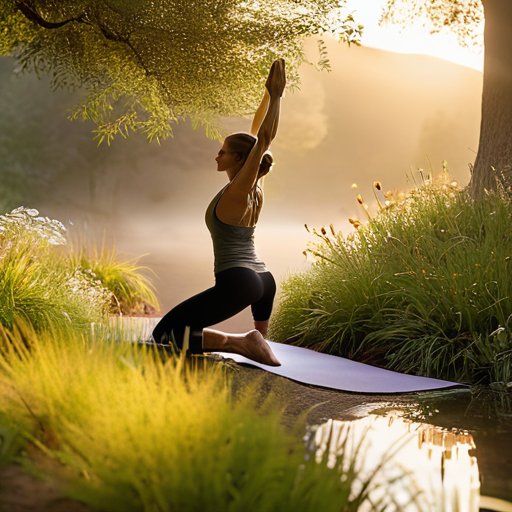
- Start each session with a few minutes of grounding breath work, visualising the inhale as a bridge between cultures and the exhale as a release of any lingering tension.
- Anchor your transitions to a steady rhythm—think of the flow as a conversation between body parts, allowing each movement to answer the previous one before moving on.
- Use props mindfully: a rolled‑up blanket under the knees or a block for low lunge can honor the diversity of bodies, making the practice inclusive and sustainable.
- Cultivate curiosity in every pose; ask yourself what story your shoulders, hips, or spine are trying to tell you, and let that inquiry guide subtle adjustments.
- Close the practice with a brief seated meditation, reflecting on how the physical flow mirrors the ebb and flow of global connections you encounter in your travels.
Key Takeaways: Flow, Breath, and Connection
Vinyra’s breath‑linked flow isn’t just a workout—it’s a portable meditation that lets you carry a piece of the world’s calm into any airport lounge, train carriage, or mountain hut.
Starting with the beginner‑friendly warm‑up sequence builds muscular awareness and alignment, giving you a sturdy foundation for more adventurous vinyasa explorations across cultures.
Conscious breath work, the heart of vinyasa, acts as an on‑the‑spot stress‑relief kit; mastering the inhale‑exhale rhythm equips you to navigate diplomatic tensions—or daily deadlines—with graceful ease.
Flowing Between Borders
In Vinyasa Yoga, each breath‑linked movement becomes a passport, and every transition a conversation between cultures—proof that the body, like my vintage globes, can travel the world without ever leaving the mat.
Alexandra Thompson
Conclusion: Flowing Forward Together
Looking back on the path we’ve traced together, I see how the Vinyasa Yoga practice we unpacked serves as both a moving meditation and a practical toolkit. We began with a brief history that reminded me of the ancient ashrams I visited in Kerala, then stepped through the step‑by‑step guide that equips any newcomer with a clear warm‑up, sun salutations, and a balanced flow. The beginner’s sequence highlighted foundational poses, while the breath‑focused alignment tips showed how a mindful inhale can dissolve tension and invite flexible freedom. By the end, the stress‑relief section proved that a conscious breath can turn a hectic day into a moment of calm.
As I pack my vintage globe onto the next flight—perhaps to the high deserts of Peru or the bustling souks of Marrakech—I carry with me the conviction that every breath we share on the mat is a thread weaving a global community. Vinyasa’s fluid transitions echo the rhythms of train journeys across continents, reminding us that cultural exchange is not only a conversation across languages but also a shared breath that transcends borders. I invite you to let each sunrise practice become a diplomatic act of kindness, a quiet protest against division, and a celebration of our common humanity. May the rhythm of your mat echo in distant corners of the world, inviting others to join the dance.
Frequently Asked Questions
How often should a beginner practice Vinyasa Yoga to see progress without risking injury?
I’d recommend easing into a three‑times‑a‑week rhythm for the first month—each session lasting 45‑60 minutes. This frequency gives your muscles and nervous system enough time to adapt, while still providing the steady feedback loop that fuels progress. On the off‑days, gentle stretching or a short mindfulness walk can keep the body supple without over‑loading joints. Listen to the subtle cues of soreness versus strain; when you feel a lingering ache, honor it with rest or a lighter flow.
Can I modify Vinyasa sequences if I have limited flexibility or a previous injury?
I’ve learned that a Vinyasa practice can be as adaptable as a passport stamp—each modification still earns you entry to the same inner landscape. If tight hips or a lingering knee injury keep you from deep lunges, honor that by shortening the range, swapping a full Warrior II for a supported “half‑warrior” with a block, and using a chair or wall for balance. Gentle micro‑movements, mindful breath, and consistent, pain‑free repetition will gradually expand your comfort zone without compromising safety.
Do I need any special equipment or props for a home‑based Vinyasa practice, and if so, which are essential?
I’ve found that a simple, non‑slippery mat is the only non‑negotiable—think of it as your personal diplomatic floor, grounding each transition. A sturdy yoga block (cork or bamboo) becomes the bridge when your hips need a little lift, while a strap offers gentle assistance for hamstring or shoulder stretches. If space allows, a light blanket for seated rests and a small towel for sweaty palms round out the kit without cluttering the living‑room sanctuary.