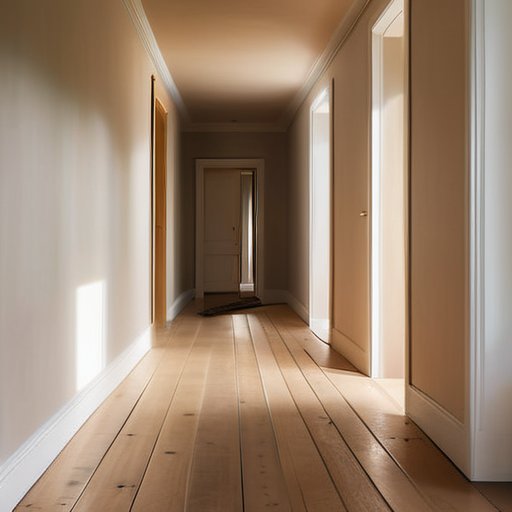
I’ll never forget the hush that fell over the terminal at 02:17 GMT in Reykjavik, when the last flight had already taken off and the fluorescent lights buzzed like distant cicadas. The stale scent of airline coffee mingled with sea‑salt drifting through the glass doors, and I lingered between the empty boarding gate and a dimly lit hallway—a place most would call “just a waiting room.” Yet in that in‑between moment, I discovered the first spark of finding beauty in liminal spaces, a reminder that the world’s resonant stories often whisper from thresholds we rush past.
In the pages that follow, I’ll strip away the Instagram‑ready clichés and walk you through three grounded ways to recognize those quiet corridors—whether you’re standing on a deserted train platform in Osaka, navigating a half‑finished museum wing in Marrakech, or simply pausing on the stairwell of your office building. Expect notes from my diplomatic postings, a handful of sensory cues to train your eye, and a checklist you can apply on any layover. No lofty theories, just honest, experience‑based guidance for anyone ready to see the world’s in‑betweens as places worth lingering.
Table of Contents
- Finding Beauty in Liminal Spaces a Global Lens
- Aesthetic Appreciation of Transitional Zones in Everyday Architecture
- The Psychology of Transition Why We Feel Drawn to in Between
- Between Thresholds Unveiling Cultural Significance of Transitional Moments
- Emotional Impact of Threshold Spaces on Collective Memory
- Photography of Liminal Environments Capturing the Unseen Beauty
- Between the Lines: Five Ways to Find Beauty in Liminal Spaces
- Key Takeaways
- Between Worlds
- Wrapping It All Up
- Frequently Asked Questions
Finding Beauty in Liminal Spaces a Global Lens
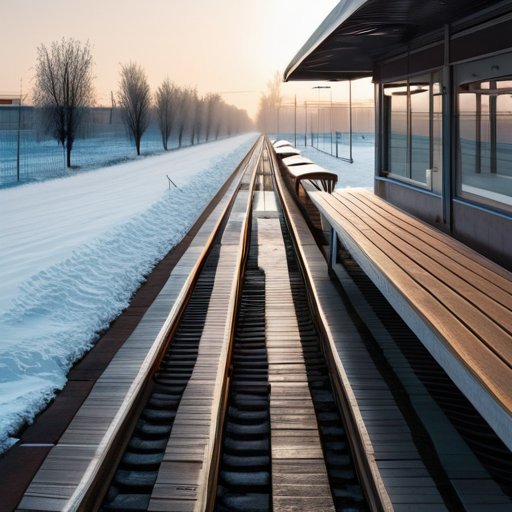
When I step off the train at a sleepy, snow‑dusted station in Siberia, the platform feels like a pause between journeys—a place where time seems to stretch. The psychology of liminal spaces suggests that such thresholds trigger a mild disorientation that, paradoxically, opens us to wonder. I find myself lingering, watching the pale light spill over empty benches, and suddenly the ordinary architecture becomes a canvas for quiet reverie. This is where my fascination with the aesthetic appreciation of transitional zones takes root, because the beauty lies in the in‑betweens rather than the destinations.
Later, on a moonlit night in Marrakech, I lingered beneath an ancient archway where the call to prayer faded into the street’s hush. The cultural significance of liminal moments became palpable; locals paused there, sharing a brief smile before moving on, as if the threshold itself held a communal pause. I snapped a photo, aware that the emotional impact of threshold spaces can be captured in a single frame—a fleeting sense of collective breath held between sunrise and sunset. Those images remind me that beauty in transition is a universal language, spoken without borders.
Aesthetic Appreciation of Transitional Zones in Everyday Architecture
Walking the narrow stairwell of a colonial‑era boarding house in Zanzibar, I pause to watch light on cracked plaster—a reminder that the spaces between rooms can be as evocative as any grand façade. The subtle geometry of a hallway in a Tokyo micro‑apartment, with its muted wood grain and the faint hum of the ventilation system, invites quiet contemplation of movement itself. Quiet corridors become miniature galleries where time lingers.
Back in Delhi, the marble‑tiled passage linking the market to a tucked‑away tea stall feels like a silent stage where strangers perform daily rituals. I linger there, noting how a single flickering bulb can cast a cinematic glow on a pair of worn shoes. In these unassuming thresholds I glimpse the universal choreography of arrival and departure—a reminder that even utilitarian architecture can be profoundly poetic.
The Psychology of Transition Why We Feel Drawn to in Between
I’ve noticed that whenever I step into a hallway humming with fluorescent light or linger on a train platform as the last carriage sighs away, my mind alerts itself. Our brains crave patterns—stories that fill gaps. In a liminal space that story is missing, leaving a sweet spot of uncertainty that feels both unsettling and exhilarating. Suddenly I’m free to imagine countless outcomes.
Across cultures, the idea of transition—whether a sunrise ceremony in the Andes or the waiting room before a wedding—marks a pause between departure and arrival. I once stood in a dim terminal at 02:00 GMT, the city outside a muted silhouette, and felt a kinship with every traveler caught in that in‑between moment. That shared liminality reminded me we are all, for a heartbeat, occupants of a common threshold, which is why the allure feels universal.
Between Thresholds Unveiling Cultural Significance of Transitional Moments
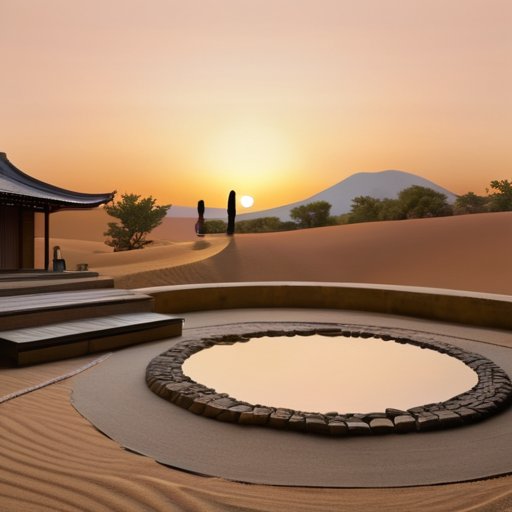
I’ve often found that the moments when a prayer call echoes across a mosque’s courtyard, or when a pilgrim steps onto a bridge marking a village border, are more than architectural curiosities; they are lived embodiments of the psychology of liminal spaces. The genkan—a low step into a home—creates a pause where shoes are left and the private sphere begins. Across the Sahara, a nightly campfire at a caravan stop‑over serves as a communal threshold, suspending the desert’s endless horizon. These rituals remind me that the emotional impact of threshold spaces is woven into memory, turning a doorway into a cultural bookmark.
At dusk on an empty train platform, the spill of artificial light on concrete feels like a prayer. The aesthetic appreciation of transitional zones goes beyond geometry; it shows how societies embed meaning in the spaces between. In Mexico City, vibrant murals on a market stairwell turn a functional ascent into a storytelling corridor, underscoring the cultural significance of liminal moments. Capturing these scenes, I wonder what narratives we negotiate each time we cross a threshold and how those stories shape way we move forward together.
Emotional Impact of Threshold Spaces on Collective Memory
Whenever I pause on a weather‑worn footbridge in the highlands of Bhutan or linger beneath the vaulted arches of a colonial railway station in Kenya, I feel the weight of countless footsteps that have come before me. Those liminal corridors are not empty; they are shared passageways where personal journeys intersect with the larger story of a people moving, waiting, and remembering, and the whispered prayers of travelers lingering at dusk.
Later, when I return to a bustling market doorway in Istanbul or the lobby of an airport I once crossed on a diplomatic mission, the faint scent of incense or the echo of boarding announcements instantly pulls me into a collective recollection. In those moments the space becomes a crossroads of memory, a subtle reminder that our histories are stitched together in thresholds we cross daily and the lingering hum of distant languages.
Photography of Liminal Environments Capturing the Unseen Beauty
When I point my camera toward an empty terminal at dawn, I’m not just framing a hallway; I’m documenting the pause between departure and arrival, the hush that precedes motion. The soft spill of artificial light on cracked tiles becomes a silent conversation between architecture and traveler, a moment that would dissolve if I rushed past. It is in these fleeting instants that the poetry of transition reveals itself, inviting viewers to linger.
I’ve learned that photographing these in‑between places demands a quiet respect for the people who inhabit them. In a bustling market’s back alley in Marrakech, I waited until the last vendor packed up, letting the fading lantern light paint the stone with amber shadows. By letting the space breathe, the image captures a universal moment of pause—what I call shared thresholds—that bridges continents and generations.
Between the Lines: Five Ways to Find Beauty in Liminal Spaces
- Slow down and let the quiet corners reveal their unnoticed textures.
- Observe how light and shadow dance across transitional surfaces.
- Tune into ambient sounds that give the space its fleeting soundtrack.
- Capture a moment—whether with a camera or a sketch—to freeze the ephemerality.
- Relate the space to your own personal transitions, letting memory add depth.
Key Takeaways
Liminal spaces awaken a universal curiosity about transition, offering a psychological pause that resonates across cultures.
The aesthetic details of thresholds—stairwells, corridors, waiting rooms—encode collective memories we often overlook.
Photographing these in‑between moments invites us to re‑see the mundane as a shared canvas of beauty and connection.
Between Worlds
In the quiet pause between departure and arrival, the world reveals its hidden beauty—those fleeting corridors where cultures intersect and imagination lingers.
Alexandra Thompson
Wrapping It All Up
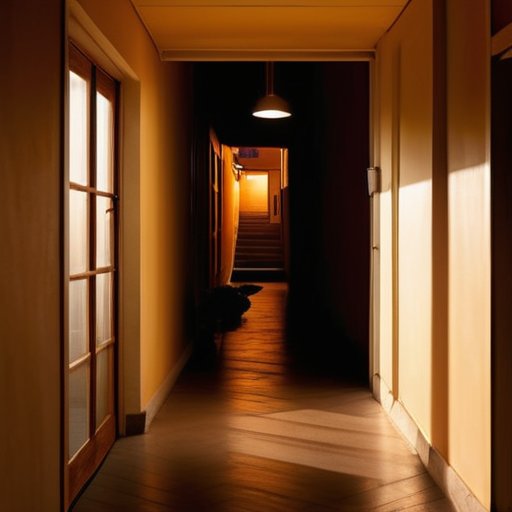
Reflecting on what we’ve explored, it becomes clear that our fascination with liminal spaces is not a whimsical fancy but a psychological current. The psychology of transition reveals a brain that craves the uncertainty of a doorway, while the architectural lens showed how stairwells, airports, and even market alleys become canvases for contemplation. We also uncovered how different cultures treat thresholds as rites of passage, embedding collective memory into the very walls that separate rooms. The photographer’s eye reminded us that a single frame can freeze the fleeting glow of a hallway at dusk, turning the ordinary into a moment of wonder. The quiet pull of the in‑between stitches together science, culture, and art.
So, what do I carry home from this wander through thresholds? An invitation: pause at the empty corridor, linger on the stair that seems to climb into nowhere, and let the hush speak to you. When we treat those fleeting zones as portals rather than pauses, we discover a shared humanity that stretches from the bustling stations of Mumbai to the hushed arches of a Scottish castle. I hope each of us can become a cartographer of the in‑betweens, mapping not places but the emotions that linger there. Let us celebrate the beauty that lives in the pause, and let those liminal moments remind us that every ending is a beginning.
Frequently Asked Questions
How can I train my eye to notice the subtle beauty hidden in everyday transitional spaces like stairwells or airport lounges?
I start day by slowing down in the hallway between meetings, letting my gaze linger on how light pools on concrete steps. To train your eye, make a habit of pausing for a breath wherever you find yourself between doors. Notice texture, shadows, the hum of distant conversations. Keep a pocket notebook or phone note to jot down a color, a pattern, a fleeting scent. Over weeks, those tiny details become a map of hidden beauty.
Are there cultural traditions or rituals that specifically celebrate liminal moments, and how do they influence our perception of these spaces?
Cultures ritualise the in‑between. In Japan, hatsumōde at New Year’s marks the threshold between the past year and the coming one, turning a shrine’s busy hallway into a liminal corridor. In West Africa, initiation rites that move youths from childhood to adulthood are performed at night, when the communal fire blurs private and public boundaries. These rituals invite participants to pause, heighten awareness of transition, and teach us to see beauty in spaces where change gathers.
What practical tips can photographers use to capture the haunting allure of liminal environments without staging them artificially?
First, I arrive at the site before sunrise or after dusk, letting shifting light reveal empty corridors and waiting rooms in their honest state. I keep my gear light—a prime lens and a sturdy tripod—so I can move and let the space breathe. I avoid staging props; instead, I linger until a stray traveler or passing train creates a fleeting narrative. Finally, I experiment with long exposures and subtle grain, letting the camera echo the uncanny atmosphere.