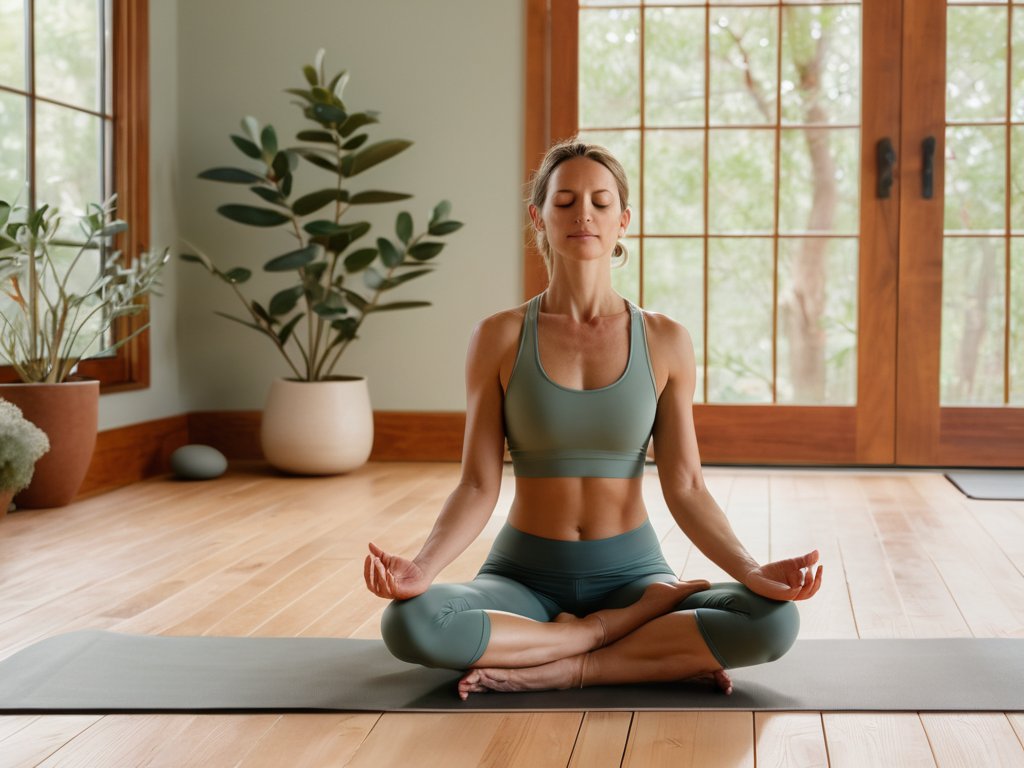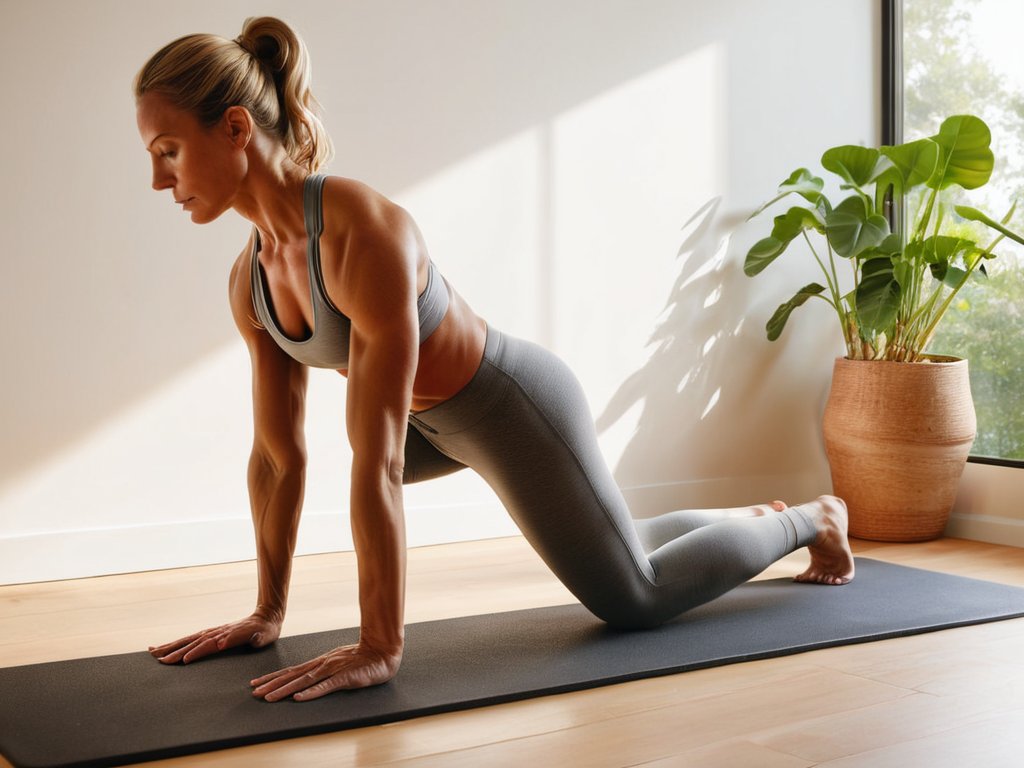
The biggest myth swirling around bodyweight exercises is that you need a sleek gym, a stack of machines, or a personal trainer to get any real results. The truth, which I discovered while balancing on a cramped balcony in Lagos during a cultural‑exchange stint, is that every surface can become a studio—and the only equipment you truly need is the floor beneath your feet. I remember the night the power went out, the city lights flickered, and I turned a simple push‑up into a moment of quiet reflection, feeling more connected to the rhythm of the street than any treadmill ever could.
In the pages that follow, I’ll strip away the hype and give you a down‑to‑earth, step‑by‑step roadmap for building strength, mobility, and confidence using nothing but your own body. You’ll learn how to tailor each move to the space you have—whether it’s a hostel floor, a park bench, or a rooftop overlooking the Himalayas—plus practical progressions, safety cues, and a flexible weekly plan that fits a globe‑trotting lifestyle. By the end, you’ll have a toolbox of real‑world routines you can deploy anywhere, no membership required.
Table of Contents
- Project Overview
- Step-by-Step Instructions
- Bodyweight Exercises Global Stories of a Bodyweight Cardio Circuit
- Calisthenics Routine for Beginners Progression for Pushups and Outdoor Body
- Upper Body Bodyweight Moves and Core Strengthening Bodyweight Drills
- Key Takeaways
- Bodyweight: A Universal Language
- Conclusion
- Frequently Asked Questions
Project Overview
Total Time: 30 minutes to 1 hour per workout session
Estimated Cost: $0 – $30 (depending on optional equipment)
Difficulty Level: Easy to Intermediate
Tools Required
- Yoga mat ((provides cushioning and grip))
- Pull‑up bar ((door‑frame or wall‑mounted; optional for upper‑body work))
- Sturdy chair or bench ((used for triceps dips and step‑ups))
- Timer or smartphone app ((for interval timing))
Supplies & Materials
- Water bottle
- Sweat towel
Step-by-Step Instructions
- 1. First, I always start with a gentle warm‑up that feels like a passport stamp for my muscles—30 seconds of ankle circles, hip rolls, and shoulder shrugs while picturing the sunrise over the Himalayas. This awakens the joints and sets the tone for a safe, mindful session.
- 2. Next, I move into bodyweight squats, the workhorse of any global routine. I stand feet shoulder‑width apart, inhale, then lower as if I’m sitting onto a low‑rising market stall in Marrakech. I aim for three sets of fifteen, pausing briefly at the bottom to feel the stretch in my calves and the rhythm of distant street drums.
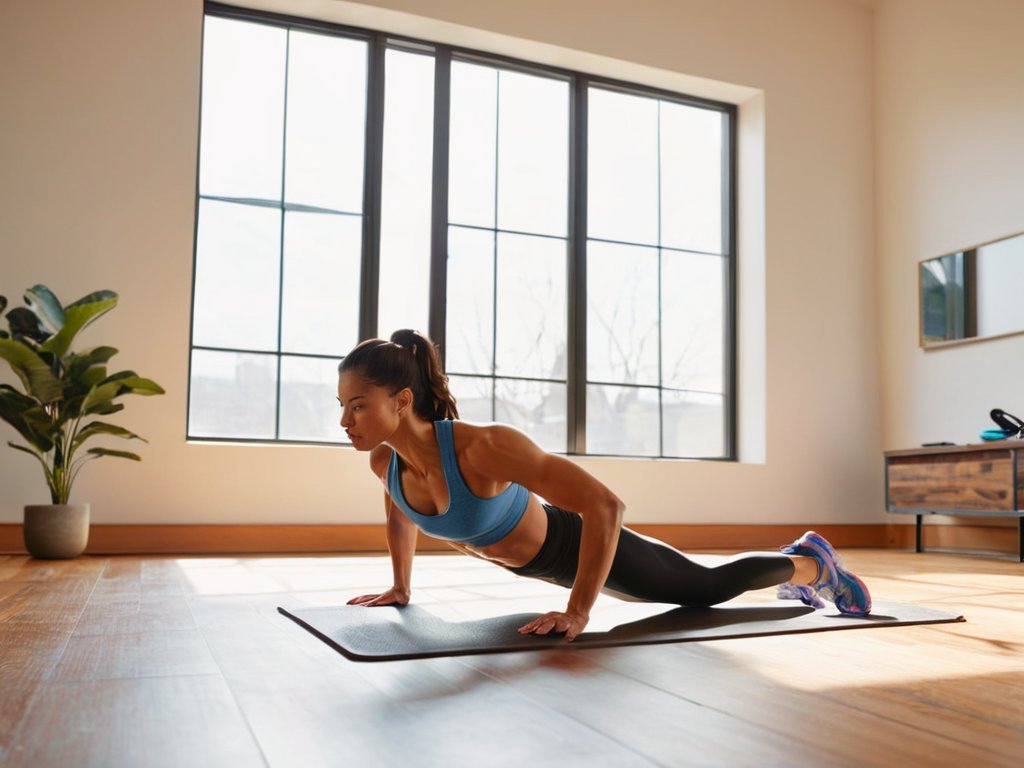
- 3. Then, I transition to push‑ups, recalling the cramped gyms of a Nairobi rooftop where I first learned the form. Hands placed slightly wider than shoulder‑width, I lower my chest to the floor, exhaling as I push back up, keeping the core tight. I complete four sets of ten, visualising each rep as a bridge between continents.
- 4. After the upper‑body work, I settle into a plank, the quiet moment that reminds me of the stillness of a desert night in the Sahara. I rest on my forearms, body forming a straight line from head to heels, and hold for 45 seconds, breathing deeply and feeling the steady pulse of my heart echoing distant drumbeats.
- 5. The next move is alternating forward lunges, inspired by the rhythmic steps of a folk dance I witnessed in a remote village in the Andes. I step forward, bend both knees to 90 degrees, then push back to standing, alternating legs for three rounds of twelve each, ensuring my front knee stays above the ankle.
- 6. Finally, I close the circuit with a cool‑down stretch, mimicking the slow, deliberate movements of a tai‑chi master I met in a mountain monastery. I spend a minute each on hamstring, chest, and spinal twists, breathing in the memory of distant horizons and exhaling any tension, ready to carry the strength of this practice back into my everyday travels.
Bodyweight Exercises Global Stories of a Bodyweight Cardio Circuit
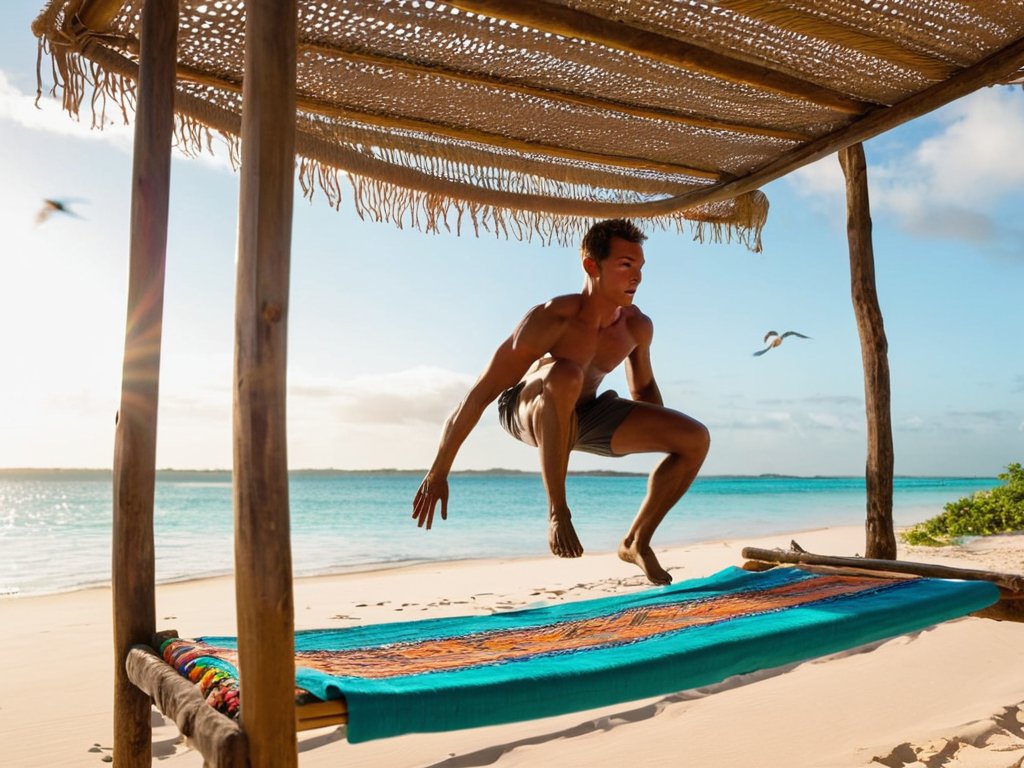
When I set up a makeshift gym on a windswept beach in Zanzibar, the most valuable lesson I learned was that environment can be as much a coach as any trainer. Start each session by scouting a flat patch of ground—whether it’s a park bench in Delhi or a rooftop terrace in Buenos Aires—and let the surroundings dictate your outdoor bodyweight training tips. A simple calisthenics routine for beginners can be built around the natural obstacles you find: step‑ups on a low wall, triceps dips on a sturdy rail, and squat jumps that echo the rhythm of nearby market stalls. By weaving upper‑body bodyweight moves into the landscape, you not only strengthen muscles but also anchor the workout to the culture you’re inhabiting, turning a sweaty set into a story worth sharing.
Later, when I return to my modest London flat, I keep the momentum alive with a progression for push‑ups that feels like a passport stamp for my chest and shoulders. Begin with incline presses on a kitchen counter, then graduate to full‑range reps, and finally add a slow‑negative phase to sculpt depth. Pair this with core strengthening bodyweight drills—plank variations, hollow holds, and bicycle crunches—to keep the midsection engaged during a bodyweight cardio circuit that spikes the heart rate without a treadmill in sight. The beauty of this approach is its scalability: a quick 15‑minute circuit can be repeated on a rainy day in New Delhi or during a sunrise break in Reykjavik, reminding us that strength travels wherever we do.
Calisthenics Routine for Beginners Progression for Pushups and Outdoor Body
On my first solo trek through the hills of Oaxaca, I learned that a sky and a sturdy patch of earth can replace any pricey gym. I started with a calisthenics routine—five minutes of jumping‑jacks, a set of wall‑push‑ups, and a few assisted squats—just enough to wake the muscles without intimidating the locals watching. To build confidence in push‑ups, I followed a three‑stage progression: begin with palms against a wall, then drop to a sturdy bench or low railing for incline reps, and finally graduate to full‑body floor push‑ups, adding a single knee‑push‑up each week until the form feels solid. When training outdoors, I always scout a flat surface, keep a water bottle and a towel handy, and schedule sessions at sunrise or sunset to avoid the heat—an approach that’s worked from the rooftops of Rio to the parks of Nairobi.
Upper Body Bodyweight Moves and Core Strengthening Bodyweight Drills
Whenever I find myself perched on a weather‑worn ledge in a Lisbon Alfama alley, the scent of grilled sardines drifting above, I turn the cramped space into a makeshift gym. A set of deep‑chair dips on a low stone wall awakens the triceps I’ve been coaxing into shape during my Delhi monsoon months, while the rhythm of a nearby fado song reminds me that strength can be as fluid as the music. Across the globe, I’ve swapped the familiar push‑up for the Moroccan “squat‑push‑up” on the sand dunes of Merzouga, feeling the ground shift beneath my palms and forcing my core to engage like a desert wind tightening a sail. To round out the upper‑body session, I finish with a 45‑second hollow‑hold, visualising the globe in my mind—a vintage sphere I carry in my bag—spinning steadily, balanced, and resilient.
Key Takeaways
Bodyweight moves can be done anywhere, turning parks in Nairobi or rooftops in Rio into personal gyms, proving that fitness knows no borders.
Progression is the secret sauce: start with foundational calisthenics, master the push‑up form, then layer variations to keep your muscles guessing and your confidence soaring.
Pair strength with culture: integrate local rhythms, outdoor spaces, and community challenges to turn a simple circuit into a shared story of health and heritage.
Bodyweight: A Universal Language
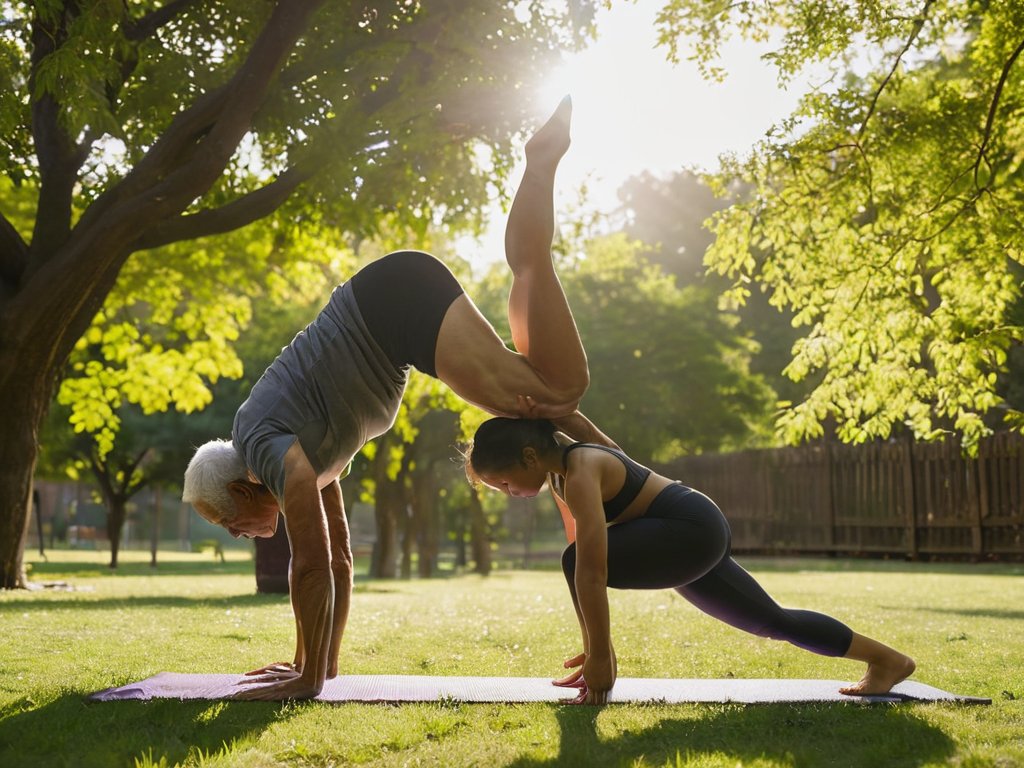
Each push‑up I do on a dusty rooftop in Kathmandu feels like a conversation with the city’s ancient walls, and every squat on a beach in Accra syncs my breath with the tide—bodyweight exercises turn our bodies into bridges that span cultures without a single machine.
Alexandra Thompson
Conclusion
Looking back, we’ve seen how a simple mat or a park bench can become a passport to strength. From the beginner‑friendly calisthenics routine that builds confidence, through the step‑by‑step progression for push‑ups, to the outdoor cardio circuit that stitches together sprint‑intervals, squat jumps and burpees, the guide has shown that bodyweight exercises need no gym membership to deliver results. We unpacked upper‑body moves that sculpt shoulders and back, paired them with core‑stabilising drills, and sprinkled practical tips for training under open skies—whether in a Delhi rooftop garden or a Scottish lochside trail. Because each movement can be scaled, you can start with a wall‑sit or a plank hold and, over weeks, graduate to pistol squats or handstand holds, all while listening to your body’s rhythm.
When I unpack a vintage globe, I’m reminded that every latitude holds a story of people moving, adapting, and thriving—much like our own bodies when we choose to move with intention. Your next push‑up could echo a sunrise yoga session on a Kenyan savanna, or a burpee might sync with the pulse of a bustling Bangkok market. Embrace that movement as a dialogue across continents; let each rep be a small treaty of health, solidarity, and curiosity. The world is waiting—step onto the mat, and let your body write its own diplomatic dispatch.
Frequently Asked Questions
How can I progress from beginner to advanced bodyweight exercises safely?
I’ve learned that safe progression in bodyweight training isn’t about racing to the next trick, but about layering tiny, repeatable habits. Begin with solid foundations—plank holds, air squats, assisted push‑ups—mastering form for three sets of eight‑to‑twelve reps. Each week, add a single variable: a few more reps, slower tempo, or deeper range. When that feels easy, swap the move for a harder version—elevated push‑ups, pistol squats, L‑sit progressions—while keeping the same rep scheme.
What equipment, if any, is needed for a full‑body bodyweight workout?
In reality, a full‑body bodyweight session needs almost nothing but space—a flat, non‑slippery surface where you can lie, push, and jump safely. A simple yoga mat adds comfort for floor work, and a sturdy horizontal bar or a park‑bench offers the pull‑up and dip leverage many routines crave. If you like a little extra challenge, a light resistance band can mimic assisted rows, but truly, your own body and imagination are the only required equipment.
How can I adapt bodyweight routines for limited space or while traveling?
Whenever I unpack a suitcase in a cramped hostel, I turn the four walls into a gym. Start with micro‑circuits—10‑second squats, 15‑second plank, a burst of jump‑jacks—repeating them in the space between the bed and the door. Pack a resistance band or a foldable yoga mat; they add variety without bulk. Use benches, stairs, or even a sturdy suitcase as props, and let each compact set remind you that movement follows you, wherever the map lands.