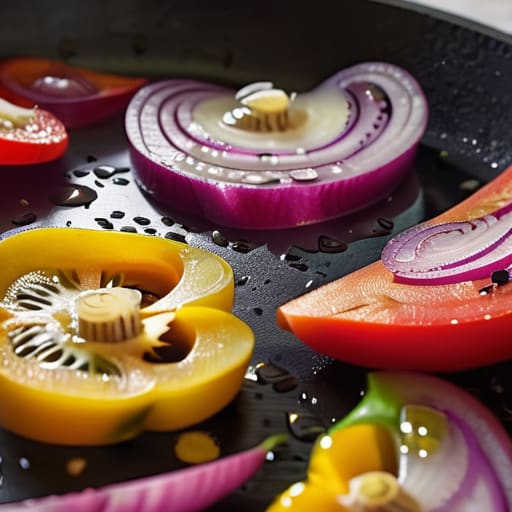
I remember sitting in a cramped, steam-filled kitchen in a small alleyway in Old Delhi, watching a woman work a heavy iron pan with a grace that no culinary textbook could ever capture. There were no timers, no digital thermometers, and certainly no expensive, copper-clad gadgets—just the rhythmic hiss of garlic hitting hot oil and the intuitive dance of movement. It struck me then that so much of what we are taught about sautéing techniques in modern cooking schools feels strangely disconnected from the soul of the craft. We’ve become obsessed with precise temperatures and specialized equipment, often losing sight of the fact that cooking is, at its heart, a sensory dialogue between the chef and the flame.
I’m not here to sell you on a fancy new pan or a complex set of rules that require a degree to follow. Instead, I want to strip away the pretension and share the honest, fundamental principles I’ve gathered from kitchens across the globe. We are going to explore the actual mechanics of heat, movement, and timing—the kind of real-world knowledge that transforms a simple pan of vegetables into something profound. No hype, no fluff, just the practical mastery you need to cook with confidence.
Table of Contents
- The Science of Flavor Harnessing the Maillard Reaction in Sauting
- Achieving Harmony Through Precise Pan Temperature Control
- The Nuances of the Pan: Five Rituals for Better Sautéing
- The Soul of the Sauté: Lessons from the Pan
- The Culinary Diplomacy of the Pan
- Beyond the Pan: A Culinary Connection
- Frequently Asked Questions
The Science of Flavor Harnessing the Maillard Reaction in Sauting
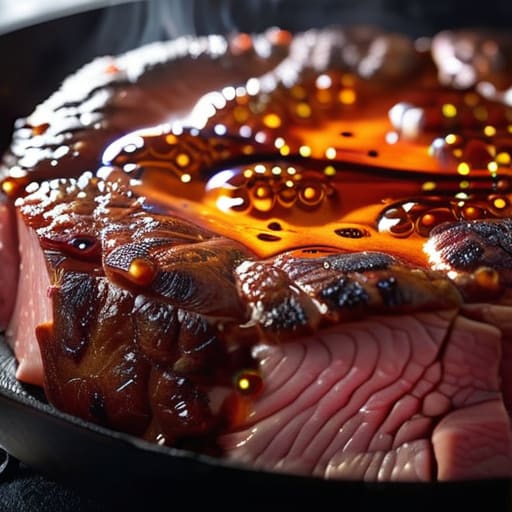
Whenever I find myself in a small, bustling kitchen in Hanoi or a quiet bistro in Paris, I’m always struck by how much of cooking is actually a silent dialogue with chemistry. To truly master the pan, you have to understand the Maillard reaction in sautéing. It isn’t just about making food brown; it is a complex transformation where amino acids and reducing sugars dance together under heat to create those deep, savory aromas that make our mouths water. It’s the difference between a piece of protein that merely tastes “cooked” and one that feels soulful and complex.
Achieving this requires more than just luck; it demands intentional pan temperature control. If your skillet is too cool, your ingredients will simply steam in their own juices, leaving them gray and uninspired. On the flip side, if you aren’t using high smoke point oils, you’ll end up with a bitter, acrid scent that ruins the delicate balance of your dish. I like to think of it as a delicate negotiation—you are looking for that precise moment where the heat is intense enough to trigger the reaction, but controlled enough to respect the integrity of the ingredients.
Achieving Harmony Through Precise Pan Temperature Control
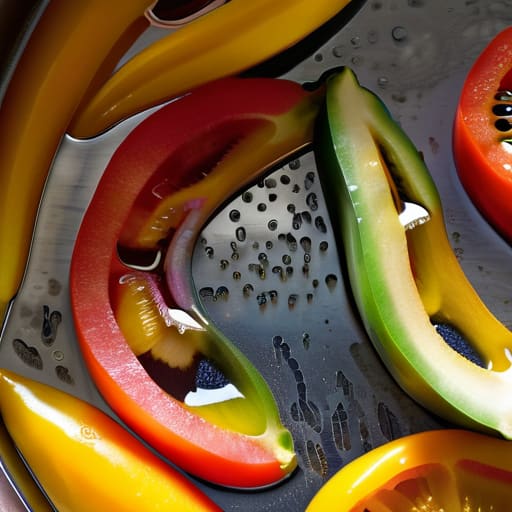
I’ve often found that the most profound connections aren’t made through grand gestures, but through the subtle calibration of small details—much like the delicate dance of heat in a kitchen. When we talk about pan temperature control, we aren’t just discussing a technical setting; we are learning to listen to the ingredients. If the pan is too cold, your vegetables will merely steam in their own juices, losing that crisp integrity we crave. But if it’s too hot, you risk a bitter char that masks rather than enhances. It’s a lesson in patience and presence that I’ve carried with me from diplomatic negotiations to my most quiet mornings in the kitchen.
To master this, you must become intimately acquainted with your tools. I always recommend starting with high smoke point oils, like avocado or grapeseed, to provide a wider margin for error as you build heat. Unlike the frantic, high-velocity movement required in sautéing vs stir frying, true sautéing allows for a more rhythmic, controlled approach. You want to reach that sweet spot where the oil shimmers, signaling that the pan is ready to embrace the food and transform it through heat.
The Nuances of the Pan: Five Rituals for Better Sautéing
- Respect the Crowding: I’ve learned through countless kitchen experiments—and even a few failed dinners in Delhi—that the pan needs room to breathe. If you pile your ingredients too high, you aren’t sautéing; you’re steaming. Give each piece of produce its own little stage so the moisture can evaporate, allowing that beautiful golden crust to form.
- The Fat Selection: Choosing your oil is much like choosing a travel companion; it needs to be reliable under pressure. For high-heat sautéing, reach for something with a high smoke point like avocado or grapeseed oil. Using butter too early can lead to a bitter, burnt mess, so I often start with a neutral oil and add a knob of butter at the very end for that rich, velvety finish.
- The Prep Work Paradox: There is a certain meditative quality to chopping vegetables uniformly, but it’s also a functional necessity. If your carrots are chunky and your onions are slivered, they will never reach the finish line at the same time. Aim for consistency so every morsel experiences the heat in equal measure.
- Listen to the Sizzle: Much like reading the atmosphere in a new city, you have to tune into the sounds of your kitchen. A gentle, rhythmic hiss means you’re on the right track, but a violent, aggressive popping often signals that your pan is too hot and you’re on the verge of scorching your ingredients. Let the sound guide your hand.
- The Seasoning Sequence: Salt is a transformative element, but timing is everything. I find that seasoning mid-way through the process often yields the best results—it draws out just enough moisture to help the food cook through without turning the entire pan into a pool of liquid before the browning can even begin.
The Soul of the Sauté: Lessons from the Pan
Mastery isn’t about rigid adherence to a recipe, but rather developing a sensory intuition for when the pan is truly ready to embrace your ingredients.
Respect the Maillard reaction as a transformative process; it is the bridge between raw components and a cohesive, deeply layered culinary narrative.
Precision in heat management is your most vital tool for preventing the chaos of burning, ensuring every ingredient finds its moment to shine in perfect equilibrium.
The Culinary Diplomacy of the Pan
“I’ve found that sautéing is much like navigating a new city; it requires a delicate balance of heat and timing, a respect for the ingredients’ origins, and the intuition to know exactly when to push boundaries to coax out something truly extraordinary.”
Alexandra Thompson
Beyond the Pan: A Culinary Connection
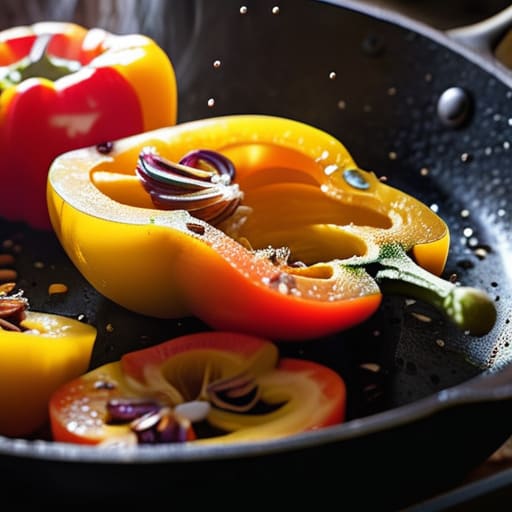
As we’ve explored, mastering the sauté is far more than just a mechanical kitchen skill; it is a delicate dance between chemistry and intuition. By understanding the transformative power of the Maillard reaction and learning to listen to the rhythmic hiss of a perfectly tempered pan, you move from simply following a recipe to truly commanding the elements. It’s about recognizing that the heat isn’t just a tool, but a medium that allows the true essence of your ingredients to emerge, turning a simple meal into a sensory experience.
In my travels, from the bustling street markets of New Delhi to the quiet kitchens of rural Europe, I’ve realized that cooking is perhaps our most universal language. Whether you are searing delicate scallops or browning hearty vegetables, the act of sautéing is a way of honoring the ingredients and the cultures they represent. I hope that as you step back into your own kitchen, you see the pan not just as cookware, but as a small, steaming stage where you can bridge the gap between tradition and innovation, one delicious, golden-brown bite at a time.
Frequently Asked Questions
How can I tell if my pan is truly ready for the ingredients without relying solely on a thermometer?
I’ve always found that cooking, much like navigating a new city, requires a bit of intuitive sensing. Instead of a thermometer, try the “water droplet test.” Flick a few drops of water onto the pan; if they skitter around like mercury on a hot street, you’ve hit that sweet spot. Or, better yet, watch for a tiny wisp of smoke. It’s that subtle, sensory cue that tells you the stage is set.
Is there a specific way to layer ingredients if I'm sautéing things that cook at vastly different speeds?
Think of it like a choreographed dance where everyone needs to hit their mark at the right moment. I’ve found that the secret lies in timing rather than just tossing everything in at once. Start with your heartier elements—the carrots or onions that need time to soften—and only introduce the delicate greens or garlic when the pan has reached that perfect equilibrium. It’s all about respecting each ingredient’s individual journey to perfection.
How do I prevent the dreaded "crowding the pan" effect when I'm trying to cook a larger meal for friends?
When I’m hosting a dinner in a small London flat, I quickly learn that enthusiasm can lead to a crowded pan. To avoid that soggy, steamed mess, think in batches. It’s much like managing a diplomatic summit—you can’t have everyone speaking at once or nothing gets done. Sauté your ingredients in smaller portions, letting each group achieve that beautiful golden sear before moving them to a plate. Patience is the secret to flavor.


