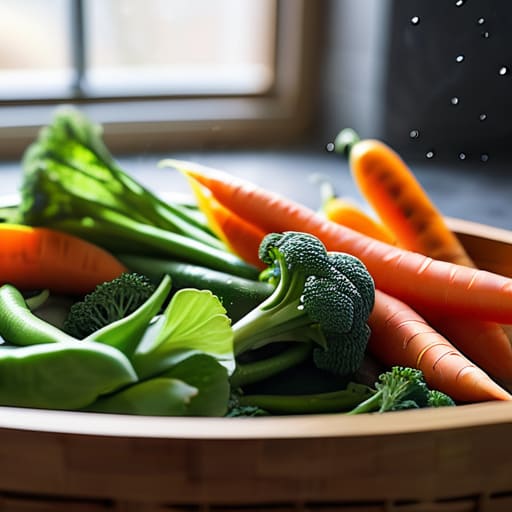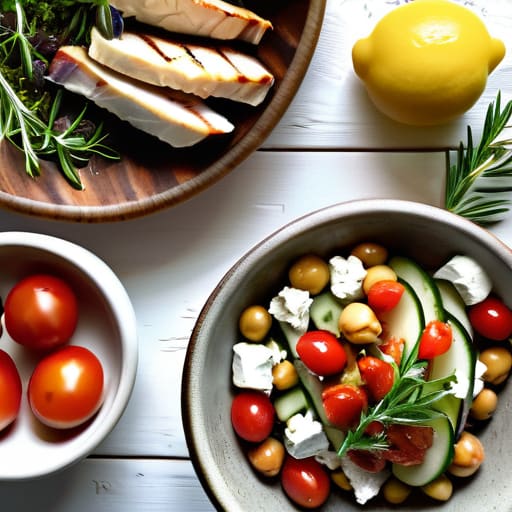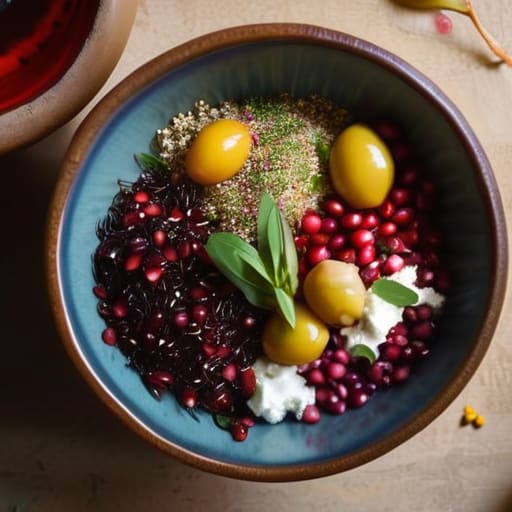
I still remember sitting in a cramped, humid kitchen in New Delhi, the air thick with the scent of toasted cumin and turmeric, watching my grandmother stir a pot with a kind of intuitive precision that no modern wellness app could ever replicate. There was no calorie counting or “superfood” labeling; there was just the rhythmic, healing power of spices passed down through generations. It strikes me how often we’ve been sold this idea that health must be expensive, clinical, or packaged in a sleek, minimalist jar. We’ve been conditioned to look toward high-end boutiques for answers, when the real secrets to global cuisines and wellness have been simmering in communal pots and street markets for centuries.
I’m not here to sell you a detox tea or a complicated, restrictive meal plan that leaves you feeling isolated from your own culture. Instead, I want to bridge that gap between ancient wisdom and our modern, frantic lives. My promise to you is a deep dive into the authentic connections between what we eat and how we thrive, moving past the marketing hype to find the soul of nutrition. We’re going to explore how the world’s diverse culinary traditions can actually help us feel truly whole again.
Table of Contents
- Uncovering the Wisdom of Traditional Healing Foods
- Nurturing Gut Health Through Intentional Dietary Diversity
- Small Shifts to Bring the World’s Wisdom to Your Kitchen
- Reflections from the Table: What We Can Carry Home
- The Soul of Sustenance
- Beyond the Recipe: A Global Call to Connection
- Frequently Asked Questions
Uncovering the Wisdom of Traditional Healing Foods
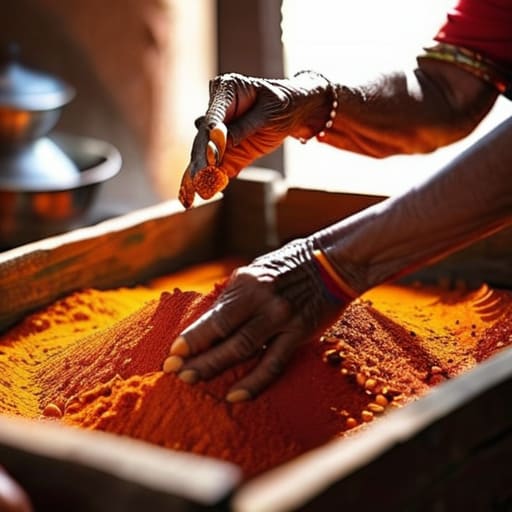
During my time in the bustling markets of Delhi, I remember watching an elderly woman meticulously select turmeric roots, her eyes scanning for the deepest, most vibrant orange. It wasn’t just about flavor; it was a ritual of restoration. This is where we find the true magic of traditional healing foods. For centuries, communities haven’t just eaten for satiety; they have eaten for resilience. Whether it’s the fermented delicacies of East Asia or the spice-heavy stews of North Africa, these culinary practices act as a living pharmacy, passed down through generations long before modern nutritional science could put a label on them.
I often find myself reflecting on how much we’ve lost by chasing “quick fix” supplements. When we look at the functional ingredients in ethnic cooking, we see a sophisticated understanding of how food interacts with our biology. It isn’t just about one “miracle” ingredient; it’s about the synergy of the whole meal. By leaning into these ancestral wisdoms, we aren’t just consuming nutrients—we are participating in a global legacy of self-care that honors both the body and the earth.
Nurturing Gut Health Through Intentional Dietary Diversity
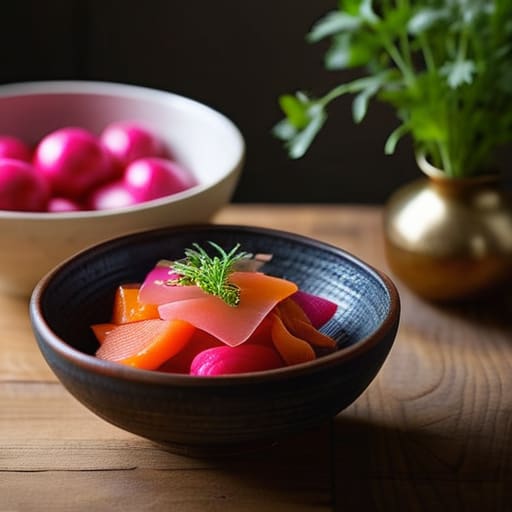
During my time navigating the bustling markets of Delhi, I became fascinated by how much of our internal balance relies on the sheer variety of what we consume. It isn’t just about avoiding “bad” foods; it’s about the richness of the ecosystem we build within ourselves. I’ve found that dietary diversity and gut health are inextricably linked, often through the lens of fermented staples that have been passed down through generations. Whether it’s the tangy kick of homemade kimchi in a Seoul kitchen or the probiotic-rich yogurt found in a rural Mediterranean village, these aren’t just side dishes—they are biological tools.
When we embrace functional ingredients in ethnic cooking, we aren’t just following a trend; we are participating in a centuries-old ritual of maintenance. I often think back to the diverse spice profiles I encountered in West Africa, where ingredients serve a dual purpose of flavor and digestive support. By intentionally incorporating a wider spectrum of plant life and fermented elements, we move away from the monotony of the modern Western diet and toward a more resilient, thriving internal landscape that honors our biological complexity.
Small Shifts to Bring the World’s Wisdom to Your Kitchen
- Embrace the “Spice Cabinet Safari.” Instead of reaching for the same salt and pepper, try incorporating ingredients like turmeric from India, sumac from the Middle East, or fermented miso from Japan. These aren’t just flavor boosters; they are functional tools that bring anti-inflammatory properties to your everyday meals.
- Prioritize seasonal rhythms, just as many traditional cultures do. When I was traveling through rural parts of Southeast Asia, I noticed how much the local diet shifted with the monsoons. Eating what is naturally in season in your own region helps align your body with local nutrient cycles and reduces your environmental footprint.
- Don’t fear the ferment. Whether it’s the tangy crunch of Korean kimchi or the complex depth of sourdough, incorporating fermented foods is one of the simplest ways to honor the ancient practice of using microbes to enhance both food longevity and our own gut microbiome.
- Reclaim the ritual of the communal meal. In my time navigating diplomatic dinners and street markets alike, I’ve realized that wellness isn’t just about what we eat, but how. Slowing down to share a meal—truly connecting with the people around the table—lowers cortisol and turns nutrition into a social, healing act.
- Diversify your starch landscape. We often default to a heavy reliance on wheat or corn, but looking toward the global pantry offers so much more. Try swapping in quinoa, buckwheat, or millet; these ancient grains offer a much broader spectrum of minerals and fiber that keep our energy levels steady throughout the day.
Reflections from the Table: What We Can Carry Home
True wellness isn’t a modern invention; it’s a legacy found in the ancient, time-tested wisdom of traditional ingredients that have nourished communities for generations.
By embracing a wider variety of global flavors, we aren’t just eating differently—we are actively cultivating a more resilient and diverse internal ecosystem.
To heal our relationship with food, we must move beyond mere nutrition and reconnect with the cultural stories and intentionality that make every meal a ritual of well-being.
The Soul of Sustenance
“When we sit at a table shared across borders, we aren’t just tasting spices or ancient techniques; we are consuming the collective resilience and wisdom of ancestors who understood that true healing begins with how we honor the earth and each other through our food.”
Alexandra Thompson
Beyond the Recipe: A Global Call to Connection
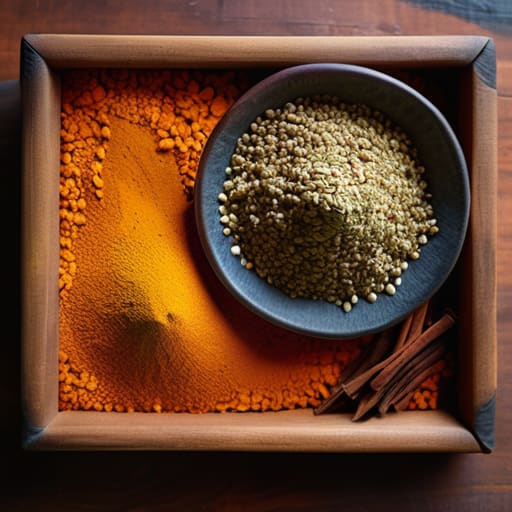
Looking back at where we’ve been in this exploration, it’s clear that wellness isn’t a destination reached through a single, rigid diet, but rather a tapestry woven from centuries of human experience. We’ve seen how traditional healing foods act as a bridge to our ancestors’ wisdom and how the intentional diversity of our plates—much like the diverse landscapes I’ve traversed from the hills of Himachal to the markets of London—can fundamentally transform our internal ecosystems. It isn’t just about the nutrients on a label; it’s about the intentionality and heritage baked into every spice and fermented staple we consume.
As I sit here among my collection of vintage globes, I’m reminded that while our borders may define our maps, our shared need for nourishment and vitality knows no boundaries. I want to challenge you to look at your next meal not just as fuel, but as a small act of global citizenship. When we embrace the culinary complexities of another culture, we aren’t just feeding our bodies; we are honoring the collective resilience of humanity. Let’s move forward with curiosity rather than judgment, using our kitchens as spaces to foster a deeper, more holistic connection to the world around us.
Frequently Asked Questions
How can we practically integrate these ancient, traditional ingredients into a modern, fast-paced lifestyle without losing their essence?
It’s the question I get most often, especially when I’m rushing between interviews in bustling cities. The trick isn’t about spending hours in a kitchen; it’s about mindful substitution. Think of it as “micro-dosing” tradition. Swap your morning toast for sourdough fermented with ancient grains, or stir a spoonful of turmeric into your quick evening tea. It’s about small, intentional pivots that respect the ingredient’s soul without demanding you slow down your entire life.
As we adopt global wellness trends, how do we ensure we are practicing cultural appreciation rather than just superficial appropriation?
It’s a delicate line, isn’t it? I often think back to my time in New Delhi; there’s a profound difference between admiring a spice and stripping it of its history. To avoid appropriation, we must move beyond the “aesthetic” of a trend. We need to credit the origins, understand the medicinal context, and—most importantly—ensure our interest supports the communities that preserved these traditions. It’s about honoring the lineage, not just consuming the ingredient.
Are there specific ways that the communal aspect of dining in certain cultures contributes to mental well-being as much as the food itself?
Absolutely. In my time traveling through rural India and the Mediterranean, I’ve realized that the ritual of sharing a meal is often just as restorative as the nutrients on the plate. When we eat communally, we aren’t just fueling our bodies; we’re engaging in a profound act of social connection. This sense of belonging and the rhythmic flow of conversation act as a natural buffer against the isolation so common in our modern, hyper-digital lives.