I was halfway up the stone steps of a Bhutanese monastery, breathless not from altitude but from a sudden hunger pang as my guide shouted, “One more push, and we’re at the summit!” In that breath‑tight moment I realized how often I’ve been told a grueling workout demands a protein shake, yet my body was begging for something gentler—a banana, a sip of water, a pause to listen. That paradox—the belief that more food always fuels more performance—is the opposite of the truth behind exercise and nutrition balance: it’s not about piling on calories, but about syncing what you eat with what you move, in rhythm with your own biology.
In the next sections I’ll strip away the hype and walk you through three evidence‑based steps: timing meals to match training windows, choosing foods that fuel recovery without weighing you down, and building a flexible routine that respects cultural food traditions—whether you’re refueling after a Himalayan trek or a quick jog in a London park. By the end you’ll have a clear, actionable roadmap to finally feel that balance is not a myth but a daily practice you can trust.
Table of Contents
- Project Overview
- Step-by-Step Instructions
- Exploring Exercise and Nutrition Balance Across Cultures
- How to Create a Balanced Workout and Diet Plan
- Macronutrient Timing Daily Calorie Distribution and Protein Power
- Five Practical Tips to Harmonise Your Workout and Plate
- Key Takeaways: Balancing Movement and Fuel
- Balancing the Body's Compass
- Weaving Wellness: A Global Finale
- Frequently Asked Questions
Project Overview

Total Time: 1 week to establish a balanced routine
Estimated Cost: $0 – $30 (optional apps, food scale, reusable bottle)
Difficulty Level: Intermediate
Tools Required
- Smartphone (with health/fitness tracking apps installed)
- Fitness Tracker or smartwatch (to monitor activity and heart rate)
- Measuring Tape (for body measurements)
Supplies & Materials
- Food Scale (for accurate portion sizing)
- Reusable Water Bottle (to stay hydrated throughout the day)
- Meal Planning Notebook or printable templates (to log meals, macros, and progress)
Step-by-Step Instructions
- 1. I begin by charting my typical day—from the moment I wake in Delhi to the evening tea in London—so I can see where natural energy peaks and dips occur. I jot down sleep hours, work commitments, and any commute or cultural events, then highlight the windows where a short walk, yoga flow, or quick jog would feel least intrusive. This simple timeline becomes the canvas on which I later layer meals and movement.
- 2. Next, I pick whole‑food anchors for each main meal: a protein‑rich lentil stew, a vibrant quinoa‑coconut salad, or a grilled fish plate with seasonal greens. I aim for a colorful plate that supplies a balance of carbs, protein, and healthy fats, then add a handful of spices that remind me of home. By pre‑planning these anchors, I avoid the temptation of fast‑food shortcuts during busy diplomatic trips.
- 3. With my energy map and food anchors in place, I design a flexible workout block—usually 20‑30 minutes—that can be reshaped to fit the day’s flow. On a light‑busy day I might do a body‑weight circuit in my hotel room; on a calmer day I swap it for a brisk river walk in the outskirts of a remote village. The key is to keep the routine adaptable, so the habit sticks even when time zones shift.
- 4. I align my meals around the workout: a light snack rich in simple carbs (like a banana or a date) 30‑45 minutes before activity, followed by a post‑exercise recovery bite that pairs protein with complex carbs (think Greek yoghurt with honey and oats). This timing fuels the session and speeds muscle repair, turning each workout into a purposeful part of the day’s nutrition story.
- 5. After each day, I log the experience in a small journal—often the back of a vintage globe postcard I carry. I note what I ate, how I moved, my energy levels, and any cultural flavors that surprised me. This reflection helps me spot patterns, such as a dip in stamina after heavy street‑food evenings, and lets me tweak future meals or workouts accordingly.
- 6. Finally, I celebrate the small wins by sharing a photo of my plate or a sunrise stretch on social media, tagging fellow travelers who might benefit. Recognizing progress, however modest, reinforces the habit loop and invites a broader conversation about how diverse cuisines and movement traditions can coexist in a balanced, healthy life.
Exploring Exercise and Nutrition Balance Across Cultures
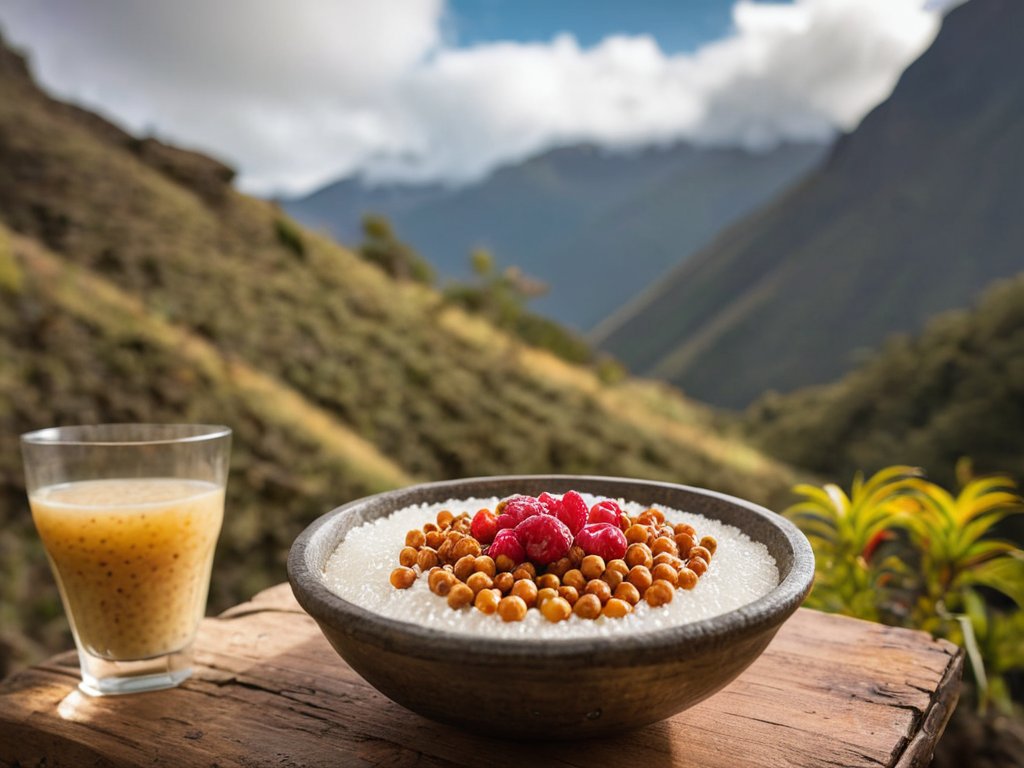
When I trekked through the highlands of Peru, I noticed that the traditional quinua porridge isn’t just a comfort food—it’s a natural post‑exercise recovery meal. The grain’s balanced mix of carbohydrates and plant‑based protein makes it ideal for refueling after a steep hike, and the timing is effortless: a bowl within thirty minutes of descending restores glycogen stores without any kitchen calculus. In Kerala, I learned that a splash of coconut water paired with a handful of roasted chickpeas serves the same purpose, offering electrolytes and slow‑digesting carbs that keep energy steady for the next day’s yoga session. These cultural clues remind me that macronutrient timing for workouts can be as simple as honoring local staples that already align with our physiological needs.
Back in London, I experimented with a daily calorie distribution for fitness that mirrors the Mediterranean rhythm I observed in Crete—lighter meals in the morning, a protein‑rich lunch, and a modest dinner that leaves room for a brief evening strength circuit. By integrating strength training with healthy eating, I found that spacing protein intake every three to four hours—whether through Greek yoghurt, lentil soup, or a modest piece of grilled fish—optimises muscle repair without feeling forced. The key, I’ve learned, is to let the culture’s natural eating windows guide our own schedules, turning the science of optimal protein intake for an active lifestyle into a lived, flavorful experience.
How to Create a Balanced Workout and Diet Plan
I start a plan like I chart a new itinerary: I note the hours I truly own, the moments my body feels most awake, and the local foods that will fuel those windows. A table becomes a storyboard—slotting a sunrise jog along Nairobi’s savanna, a yoga flow beside a Himalayan tea house, or a strength circuit after a bustling Delhi market. Anchoring workouts to the place’s natural rhythm keeps me out of the ‘one‑size‑fits‑all’ trap.
Next, I translate those movement blocks into a nutrition sketch that respects both science and tradition. I estimate protein, carb and fat ratios, then swap abstract grams for familiar staples—lentils from my grandmother’s kitchen, millet porridge in the Sahel, or fermented miso in Osaka. A journal of levels after each meal lets me adjust portions, creating a plan that is structured yet flexible enough for any locale.
Macronutrient Timing Daily Calorie Distribution and Protein Power
When I first sat down with a tea‑sipping family in the highlands of Oaxaca, their breakfast—corn‑based tortillas, beans, and a modest drizzle of queso fresco—revealed a rhythm that many Western athletes overlook: the day’s calories are front‑loaded, giving muscles a steady stream of carbs before the sun climbs high. I’ve learned to echo that principle by allocating roughly 45 % of my daily intake to complex carbohydrates in the morning, 30 % to lean proteins at lunch, and the remaining 25 % to healthy fats and light carbs after my evening run.
What truly powers the balance, however, is timing protein when the body is most receptive—within the “anabolic window” of 30‑60 minutes post‑exercise. A simple cup of Greek yogurt with a sprinkle of chia seeds, or a lentil‑rich dal, supplies the essential amino acids that repair muscle fibers, curb inflammation, and keep the metabolism humming long after the last stretch is over.
Five Practical Tips to Harmonise Your Workout and Plate
- Synchronise your meals with your training windows—fuel up 60‑90 minutes before cardio and refuel with protein‑rich carbs within two hours after strength sessions
- Prioritise whole‑food sources over processed options; think leafy greens, legumes, nuts, and lean meats to supply steady energy and essential micronutrients
- Rotate intensity and volume across the week—pair high‑intensity interval days with lighter mobility or yoga sessions to prevent hormonal overload and support recovery
- Track both macro and micro intake, but let hunger cues guide portion sizes on active days; aim for a modest calorie surplus on strength days and a slight deficit on endurance days
- Stay hydrated as a bridge between movement and nutrition—drink water consistently, and add electrolytes after sweat‑heavy workouts to maintain muscle function and curb cravings
Key Takeaways: Balancing Movement and Fuel
I’ve learned that timing isn’t just about when you eat or train – it’s about aligning the two so that carbs, proteins, and fats become allies in the same daily rhythm, no matter where you call home.
A balanced plan respects cultural foodways: whether it’s a samosa in Delhi or a oat‑based porridge in Reykjavik, the macro ratios can be tweaked without discarding tradition.
Sustainable progress comes from viewing exercise and nutrition as a dialogue, not a checklist – listen to how your body responds, adjust the volume, and let the story of your health unfold across borders.
Balancing the Body's Compass
When the cadence of our steps aligns with the chemistry of our meals, we chart a personal passport—one that carries health across cultures and continents alike.
Alexandra Thompson
Weaving Wellness: A Global Finale

Looking back on the road we’ve travelled in this article, three threads weave together the tapestry of a truly balanced routine. First, we unpacked the cultural lenses through which societies view movement and food, from the sunrise jogs of the Andes to the communal feasts of West Africa, reminding us that balance is never a one‑size‑fits‑all formula. Second, we built a step‑by‑step blueprint for a personalized workout‑and‑diet plan—setting realistic goals, mixing strength with mobility, and mapping meals to training windows. Finally, we dived into the science of macronutrient timing, daily calorie distribution, and the protein power that fuels recovery, giving you concrete numbers to translate curiosity into daily habit.
In the moments after a sunrise run in highlands of Nepal, I feel the same pulse that once guided my diplomatic negotiations—a reminder that every heartbeat is a conversation between body and world. When you carry the lessons of this guide back home, let them become more than a checklist; let them be a passport to health that you share across kitchens, gyms, and community tables. Imagine a world where a child in Lagos learns to pair beans with a post‑play stretch, just as a retiree in Kyoto balances tea ceremonies with tai‑chi. By honoring our individual rhythms while echoing the larger global tapestry of movement and nourishment, we become ambassadors of a healthier, more connected future.
Frequently Asked Questions
How should I adjust my macronutrient ratios when switching between endurance training and strength training?
I’ve found that when I swap my long‑run days for heavy‑lifting sessions, I shift the plate a bit. For endurance, I hover around 55‑60 % carbs, 15‑20 % protein, 25‑30 % fat to keep glycogen flowing. Switch to strength? Drop carbs to 45 %, boost protein to 25‑30 % and keep fats steady at 25 %. The key is listening to how your body refuels after each workout and adjusting weekly. I also tweak for altitude or humidity when needed.
What’s the most effective way to time my meals around workouts to optimise energy and recovery?
I usually eat a small carb‑protein snack 60‑90 minutes before I hit the gym—think a banana with a spoonful of peanut butter or a yoghurt‑berry blend. This gives my blood sugar a gentle lift without feeling heavy. After the session, I aim for a balanced meal within two hours, prioritising lean protein, complex carbs and some veggies to replenish glycogen and kick‑start muscle repair. Hydration, of course, threads through both windows.
How can I keep a balanced exercise‑nutrition routine while traveling frequently and eating out?
I keep my rhythm by treating each layover as a micro‑campus. First, I scout the hotel gym or a nearby park the night before and schedule a 30‑minute “movement window”—whether it’s a body‑weight circuit, a jog along the river, or a quick yoga flow in my room. Then I use the “plate‑portion rule”: half vegetables, a quarter lean protein, a quarter carbs, and I swap a restaurant’s sauce for a drizzle of olive oil or lemon. A portable protein bar and a reusable water bottle become my travel companions, letting me stay nourished without missing the local flavors.