Ever been told that healthy eating habits mean swapping every dinner for a leaf‑laden salad? In the bustling night market of Marrakech, I learned that the real secret isn’t deprivation but balance—spices, whole grains, and a handful of fresh fruit can coexist with a steaming tagine. As a former diplomat shuttling between London boardrooms and Delhi’s spice bazaars, I’ve watched the same myth trip up executives and street‑vendors alike, leaving them frustrated and hungry for a solution that actually fits their lives.
In the next few minutes I’ll strip away the noise and give you a no‑hype, step‑by‑step guide to building healthy eating habits that survive board meetings, cramped hostel kitchens, and weekend family feasts. We’ll start with a three‑minute pantry audit, then map out a flexible plate model that honors cultural flavors while keeping sugar spikes in check. I’ll share the three snack swaps that saved my energy during a month‑long UN delegation in Nairobi, and a quick journaling trick that turns every bite into data you can act on. By the end, you’ll have a toolbox you can carry on the back of a vintage globe.
Table of Contents
Project Overview
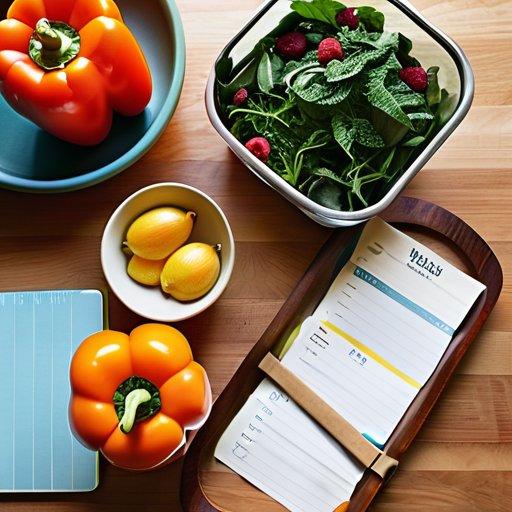
Total Time: 2 weeks to establish basic habits
Estimated Cost: $50 – $150 per week
Difficulty Level: Easy
Tools Required
- Food Scale ((digital, for portion control))
- Meal Planning App ((e.g., MyFitnessPal, Paprika))
- Water Bottle ((reusable))
- Knife Set ((for prep))
- Cutting Board ((preferably wood))
- Measuring Cups and Spoons ((for recipes))
Supplies & Materials
- Fresh fruits and vegetables
- Whole grains (e.g., brown rice, quinoa)
- Lean proteins (chicken breast, tofu, beans)
- Healthy fats (olive oil, nuts)
- Reusable containers ((for meal prep))
- Herbs & spices ((to add flavor without extra calories))
Step-by-Step Instructions
- 1. Start with a mindful pantry audit – walk through your cabinets, fridge, and freezer, and pull out anything that’s been lingering past its prime or that you’d never reach for in a hurry. Toss the expired items, and make a quick inventory of the staples you already have, noting where you might swap a processed snack for a whole‑food alternative. This simple sweep sets the stage for intentional choices before you even step into the grocery aisle.
- 2. Plan your plates around colour and culture – each day, sketch a rough outline of meals that feature at least three different hues—think deep‑purple beetroot, bright orange carrots, and vivid green spinach. Draw inspiration from the markets you’ve visited, whether it’s a spice‑laden tagine from Marrakech or a tangy kimchi bowl from Seoul, and let those flavors guide your protein, grain, and veggie pairings. The visual variety not only pleases the eye but also guarantees a broader spectrum of nutrients.
- 3. Adopt the “half‑plate rule” – fill half of your dinner plate with vegetables, a quarter with lean protein (such as lentils, fish, or tofu), and the remaining quarter with whole grains or starchy roots. This proportion keeps calories in check while ensuring you get enough fibre, protein, and complex carbs to stay energized through the evening. When you plate your food, pause for a moment to appreciate the balance before you dig in.
- 4. Hydrate with purpose, not just water – aim for eight cups of fluid a day, but diversify beyond plain water. Brew a cup of hibiscus tea, sip on a cucumber‑mint infused water, or enjoy a modest glass of kefir for a probiotic boost. Each sip becomes a mini‑ritual that reminds you to nourish your body throughout the day, especially between meals when cravings tend to creep in.
- 5. Practice “pre‑portioning” for snacks – instead of eating straight from the bag, portion out nuts, dried fruit, or sliced veggies into small containers or reusable bags. This habit discourages mindless grazing and lets you enjoy a controlled snack that steadies blood sugar between meals. Pair a handful of almonds with a few apple slices, and you’ll feel satisfied without the sudden crash that sugary treats often cause.
- 6. Reflect and adjust weekly – set aside a quiet moment each Sunday to glance over your food diary or mental recap of the past week. Ask yourself which meals felt nourishing, which ingredients sparked joy, and where you slipped into convenience shortcuts. Jot down one tweak you’d like to try next week—perhaps swapping a fried side for a roasted one, or introducing a new herb you discovered on a recent trip. This reflective loop turns healthy eating into a living, evolving practice.
Healthy Eating Habits a Global Lens on Balanced Diet Tips
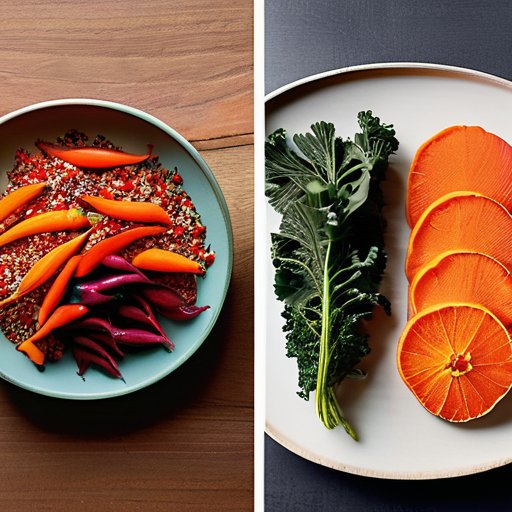
When I wander through bustling markets in Marrakech or the quiet aisles of a Finnish co‑op, I’m reminded that mindful eating techniques are as cultural as the spices on display. Starting with a portion control strategy—for instance, filling half the plate with colorful vegetables, a quarter with lean protein, and the remaining quarter with whole‑grain carbs—creates a visual cue that transcends language. I like to sketch a quick “nutrient map” on my phone before I shop, turning the act of building a nutritious grocery list into a mini‑mission: choose items that can be combined into balanced meals without relying on processed shortcuts.
For those of us juggling meetings, flights, and family dinners, a weekly meal prep schedule can feel like a lifeline. I set aside Sunday afternoon to batch‑cook staples—lentil stews, roasted root vegetables, and quinoa—so that each weekday’s lunch is simply a matter of reheating and plating. Pair these foundations with nutrient‑dense snack ideas such as spiced chickpea crisps or Greek‑yogurt dips, and you’ll find yourself reaching for wholesome bites instead of the office vending machine. These small, culturally inspired adjustments keep the diet both practical and nourishing, no matter how packed the itinerary.
Nutrient Dense Snack Ideas Mindful Eating Techniques
When I’m hopping between a rooftop café in Istanbul and a bamboo‑shaded stall in Chiang Mai, I’ve learned that a snack can be both passport and pantry. A handful of toasted fava beans tossed with za’atar, a Japanese hand‑rolled onigiri filled with umeboshi, or a quick bowl of Peruvian quinoa‑coconut porridge each packs protein, fiber, and a burst of regional flavor without demanding a kitchen.
Before I bite, I take three slow breaths, scan the colors, and thank the farmer whose soil nurtured the seed—a practice I picked up from a tea ceremony in Kyoto. Eating with intention lets my body register fullness after just a few mouthfuls, so I can savor the crunch of roasted lentils or the silkiness of mango‑lime chia pudding without overindulging. It’s a tiny ritual that turns a hurried break into a moment of cross‑cultural connection.
Portion Control Strategies for Busy Lifestyles
On a recent layover in Osaka, I watched commuters line up at a tiny konbini and pick up perfectly measured onigiri—rice molded into a triangle, a single sea‑salted bite that says “enough”. That visual cue reminded me that portion control doesn’t need a kitchen scale; it can be as simple as borrowing the cultural habit of built‑in serving sizes.
When my days stretch from early diplomatic briefings to midnight interview edits, I pre‑portion protein into reusable jars, match the size of a fist to the recommended serving, and pair it with a handful of colorful veggies. I also borrow the Mediterranean habit of plating food on a small ceramic dish, which visually shrinks the portion and invites slower eating. The trick is to let the container do the thinking, so I’m not constantly guessing while juggling time zones during hectic days.
Quick Takeaways for a Balanced Plate
Mindful portions—use visual cues or simple tools—to keep energy steady, even on a packed schedule.
Choose snacks that pack a nutritional punch, like spiced chickpeas or seaweed crisps, to fuel body and curiosity.
Blend cultural flavors into every meal; a pinch of turmeric or a dash of fermented kimchi turns nutrition into a story you can taste.
Savor the World, One Bite at a Time
When we choose foods that honor both our bodies and the lands they come from, each meal becomes a passport to health and humanity.
Alexandra Thompson
Wrapping It Up: A Global Plate
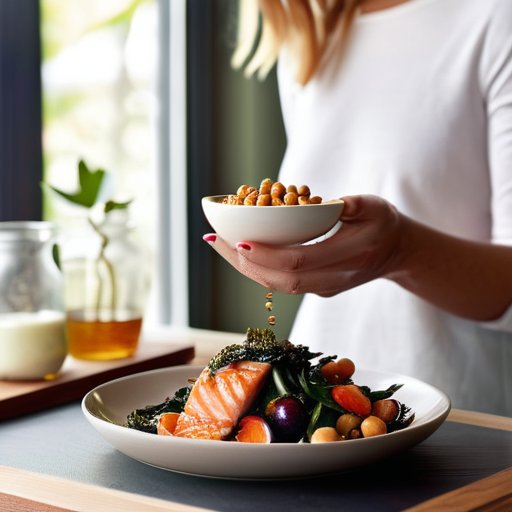
Looking back, the thread that ties our journey through healthy eating is surprisingly simple: be intentional about what lands on your plate, no matter how hectic your schedule. We unpacked portion control techniques—from visual cues like the palm‑size rule to time‑boxed meals that keep energy steady. We also wandered through the world’s pantry, gathering nutrient‑dense snack ideas such as spiced chickpea crisps, seaweed sheets, and yoghurt‑fruit parfaits that satisfy cravings without the sugar crash. Finally, we practiced mindful eating, pausing to notice texture, aroma, and the cultural story behind each bite. Together, these habits form a flexible framework that fits any lifestyle.
What excites me most is how these small, daily choices echo far beyond the kitchen. Every time I swap a processed snack for a handful of roasted lentils in a bustling market in Marrakech, I’m not just feeding my body—I’m joining a conversation that stretches from the streets of Delhi to the cafés of Lisbon. I invite you to let your meals become passports, each bite a chance to explore, to listen, to celebrate the diversity that nourishes us all. Keep experimenting, keep sharing recipes with friends across time zones, and remember that a healthier you is also a healthier planet. Let’s turn mindful plates into bridges that connect the world.
Frequently Asked Questions
How can I maintain portion control while juggling unpredictable diplomatic schedules and frequent travel?
I’ve learned to make my plate a portable ally. First, I pack a small, reusable “portion box”—one compartment for protein, another for veg, a third for whole‑grain carbs—so I can eyeball balance even in a hotel mini‑fridge. When a last‑minute summit pops up, I swap a heavy entrée for a hearty soup or a mezze platter; the broth fills me, the dip adds protein, and the pita satisfies the carb craving. Finally, I set a gentle alarm on my phone to pause, sip water, and reassess the plate before the next bite. This rhythm keeps me grounded, no matter how many time zones I cross.
What are some affordable, nutrient‑dense snacks I can source from local markets in remote destinations?
On a recent trek through the highlands of northern Laos, I discovered that a handful of roasted soybeans spiced with smoked paprika can turn a dull afternoon into a protein‑rich pause. In the coastal stalls of Salalah, fresh dates dusted with nigella seeds are sweet, mineral‑laden, and cost almost nothing. Look for locally milled millet crackers, sun‑dried mango slices, or fermented black beans—each packs fiber, vitamins, and a story you can taste between bites.
Can mindful eating techniques help me stay grounded during high‑stress negotiations, and if so, how?
Absolutely. When I’m in the thick of a negotiation, I pause to notice the texture, temperature, and aroma of the bite in front of me. That simple sensory anchor pulls my attention away from the adrenaline surge and steadies my breath. By chewing slowly, I give my nervous system a chance to reset, which lowers cortisol and sharpens focus. The practice also cultivates curiosity instead of judgment, letting me listen more deeply to the other party while staying grounded in the present moment.