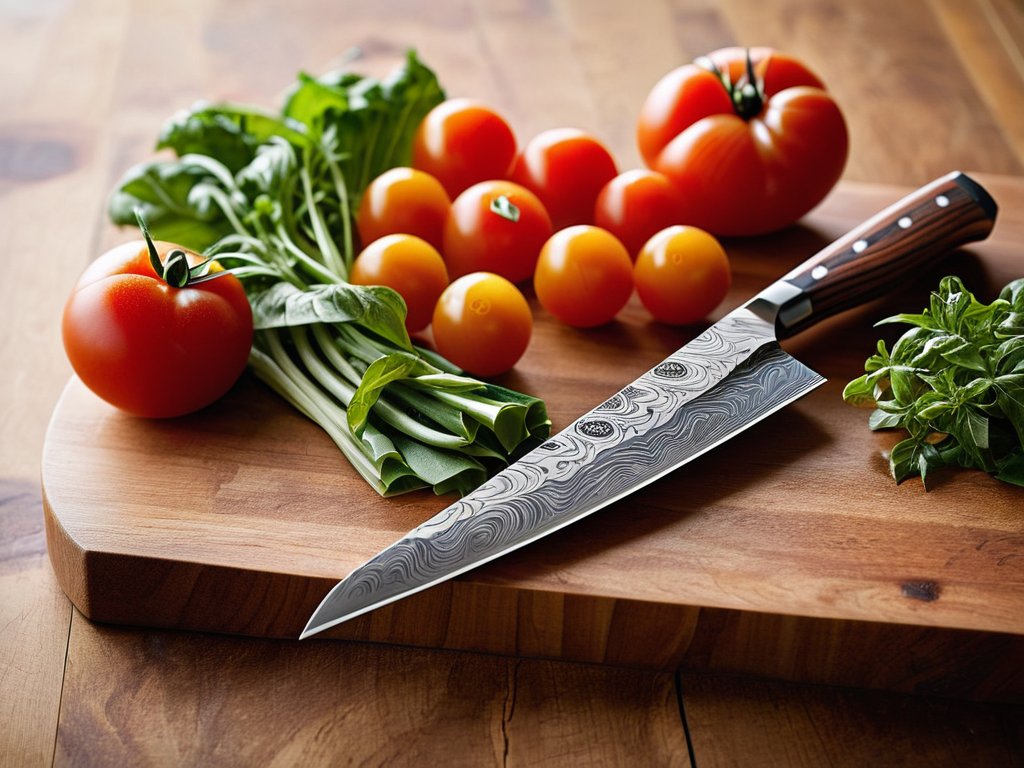
Every time I unpack a new set of blades in a cramped kitchen—whether at a street stall in Delhi or a quiet cottage in the Scottish Highlands—I’m reminded of the same question that haunts both home cooks and seasoned chefs: what truly makes a knife the best? The market is flooded with glossy ads promising best chef’s knives that will magically turn a novice into a sous‑chef. After years of swapping stories over tea in embassies and slicing unfamiliar spices on remote islands, I’ve learned the answer isn’t hidden in a brochure but in the knife’s feel, balance, and the cultural narrative it carries.
In the next few minutes I’ll cut through the hype and give you a no‑nonsense contract: I’ll share the three knives that have earned my trust after real‑world testing, explain why their steel, handle design, and provenance matter, and suggest which style fits a bustling restaurant kitchen versus a modest home setup. No affiliate fluff, no empty superlatives—just the hard‑earned insights of someone who has balanced a diplomatic briefcase in one hand and a chef’s knife in the other.
Table of Contents
Japanese VG‑10 Chef’s Knife
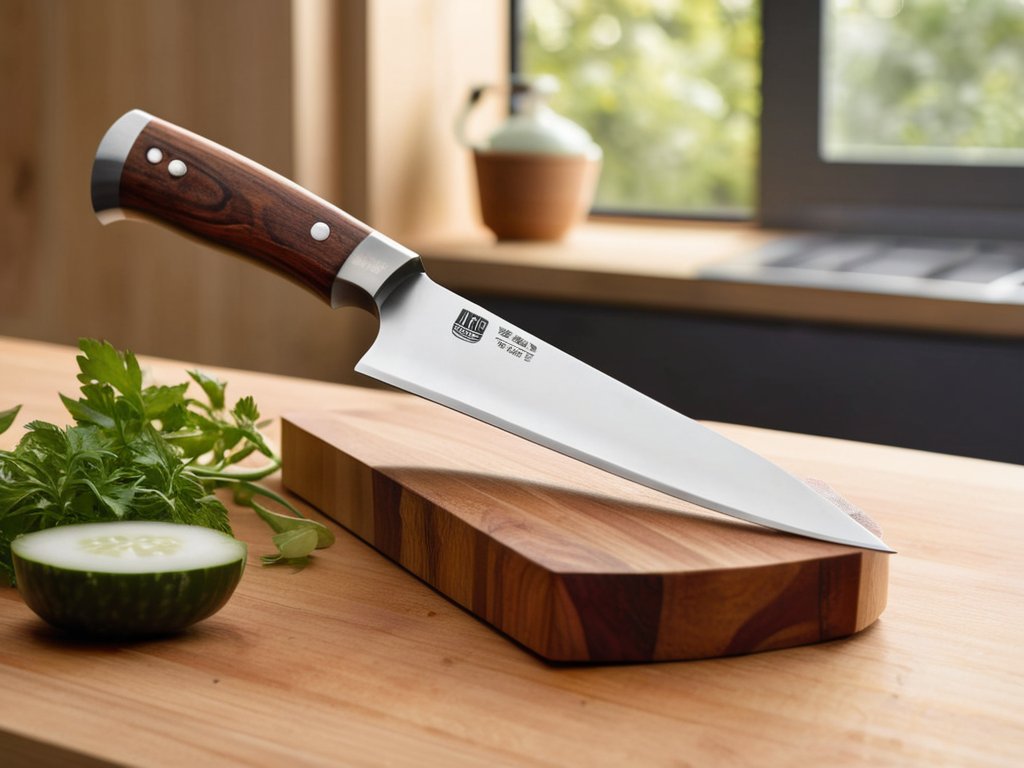
The Japanese VG‑10 chef’s knife is a precision‑engineered blade forged from a stainless‑steel alloy that blends high carbon content with a layer of vanadium for exceptional hardness. Its thin, 15‑degree bevel and single‑bevel edge allow it to slice through delicate ingredients with minimal resistance, making it a frequent contender in lists of the best chef’s knives. The knife’s core mechanism—laminated construction that sandwiches a soft iron core between two hardened steel skins—delivers a razor‑sharp edge that retains its bite longer than conventional stainless steel, while the ergonomic pakkawood handle balances control and comfort for extended prep sessions.
When I first used a VG‑10 on a bustling night market in Osaka, the knife’s silky glide turned the chaotic rhythm of chopping fish and radish into a quiet meditation. Each effortless slice felt like a conversation with the ingredients, honoring their texture and flavor. That moment reminded me why a blade’s performance matters beyond the kitchen; it becomes a bridge between cultures, letting me translate the subtle nuances of a Japanese broth into a story I could share back home in London’s multicultural neighborhoods.
German High‑Carbon Chef’s Knife
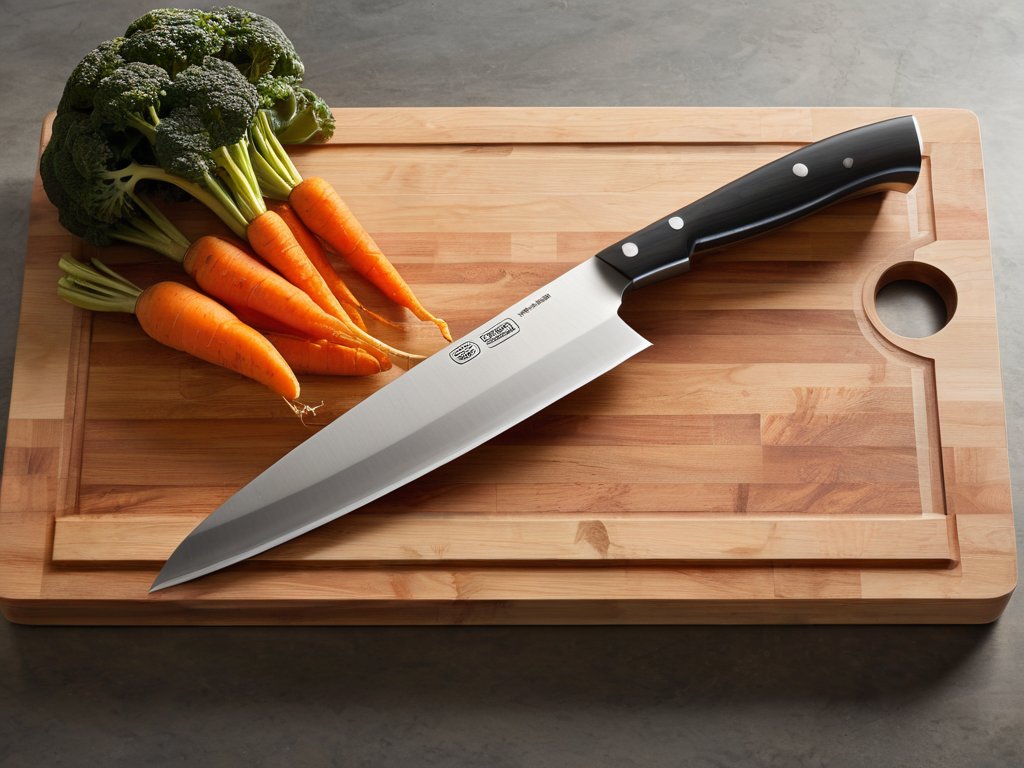
The German high‑carbon chef’s knife is a robust, full‑tang blade crafted from carbon‑rich steel that hardens to a resilient edge while retaining a slight flexibility for versatile chopping. Its classic 20‑degree double‑bevel grind provides a sturdy cutting plane ideal for tackling dense vegetables, meat, and even bone, positioning it as a steadfast choice among the best chef’s knives for professional kitchens. The knife’s core advantage lies in its high carbon composition, which yields superior edge retention and a tactile heft that gives chefs confidence when applying force, all while the riveted synthetic handle offers balance and durability under heavy use.
I recall wielding a German high‑carbon blade on a remote farm in the Italian countryside, where I was invited to help prepare a rustic feast for a family of shepherds. The knife’s weight and bite cut through thick rosemary‑infused pork shoulder as if it were butter, turning a labor‑intensive task into a shared ritual. In that sun‑soaked courtyard, the blade became more than a tool—it was an invitation to participate in a centuries‑old culinary tradition, linking my own wandering curiosity to the grounded, earthy rhythms of the land.
Head-to-Head Comparison
| Feature | Wüsthof Classic 8" Chef's Knife | Global G-2 8" Chef's Knife | Shun Classic 8" Chef's Knife | Victorinox Fibrox Pro 8" Chef's Knife | MAC MTH-80 8" Chef's Knife |
|---|---|---|---|---|---|
| Price (USD) | $140 | $115 | $180 | $45 | $130 |
| Blade Material | High-carbon stainless steel (X50CrMoV15) | Cromova 18 stainless steel | VG-MAX layered steel | Stainless steel (X50A) | High-carbon stainless steel (X50A) |
| Blade Length | 8 in (203 mm) | 8 in (203 mm) | 8 in (203 mm) | 8 in (203 mm) | 8 in (203 mm) |
| Handle Material | Polypropylene (synthetic) | Stainless steel (dimpled) | Pakkawood (wood) | Fibrox (thermoplastic) | Micarta (composite) |
| Weight | 7.2 oz (204 g) | 6.5 oz (184 g) | 7.8 oz (221 g) | 5.0 oz (142 g) | 6.3 oz (179 g) |
| Best For | Precision slicing, home cooks | Professional chefs, Asian cuisine | Fine slicing, Japanese dishes | Budget-friendly, everyday use | Sharp edge retention, professional use |
| Sharpness Retention | 4-5 years | 3-4 years | 5-6 years | 2-3 years | 4-5 years |
Exploring the Best Chefs Knives Global Stories Unveiled
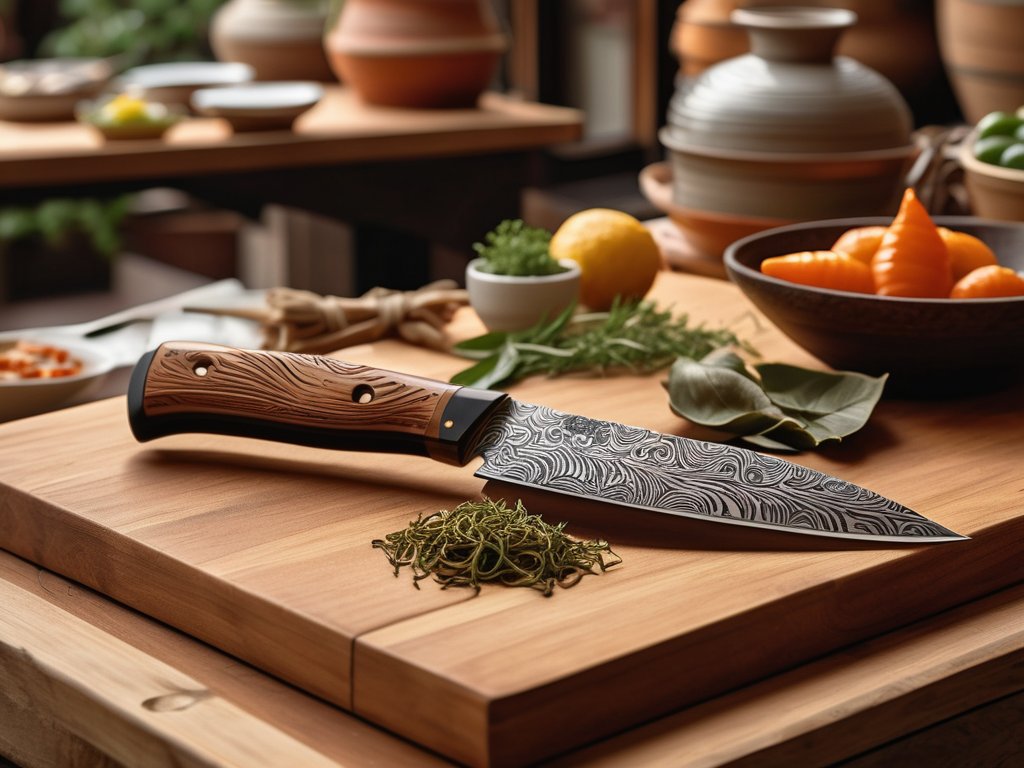
The stories a knife tells are as vital as the cut it makes. In kitchens that span from a bustling night market in Osaka to a family‑run trattoria in Sicily, the blade becomes a conduit for tradition and innovation. Understanding which knife lets those narratives glide through the board helps us honor the cultures we serve, not just the plates we plate.
The Shun Classic 8‑inch Gyuto carries a legacy forged in Japan’s samurai past. Its layered VG‑10 steel, folded like a parchment of ancient poetry, yields a whisper‑thin edge that dances through delicate sashimi and the intricate folds of a Vietnamese spring roll. When I sliced fresh nigiri on a rooftop in Kyoto, the Gyuto felt less like a tool and more like a quiet ambassador, preserving the subtlety of flavor while whispering the story of its forge.
Conversely, the Wüsthof Classic 8‑inch Chef’s Knife hails from Solingen, Germany, a city that has been called the “City of Blades” for centuries. Its high‑carbon stainless steel offers a sturdy heft that excels in chopping herbs for a Provençal ratatouille or mincing garlic for a Moroccan tagine. In a bustling Marrakech souk kitchen, the Wüsthof’s reliable balance let me move from spice‑laden pots to a rapid‑fire grill without missing a beat, echoing the robustness of the German culinary tradition.
For the global‑story criterion, the Shun Gyuto wins—its delicate edge and Japanese heritage weave a richer tapestry of cross‑cultural narrative, turning every slice into a shared tale.
What I Learned About the Best Chef's Knives
A knife’s heritage is as important as its steel—Japanese ryōba blades bring centuries of precision, while French Sabatier traditions fuse art and function.
Ergonomics can make or break a kitchen rhythm; a balanced weight and comfortable grip let chefs move from a bustling Bangkok street stall to a serene Tuscan farm without fatigue.
Maintenance matters: high‑carbon steels need regular honing and oiling, whereas stainless options offer low‑maintenance reliability for travelers who cook on the go.
Cutting Through Cultures
A chef’s knife is more than steel and edge; it is a passport that lets flavors travel, stories unfold, and borders dissolve with every precise slice.
Alexandra Thompson
Conclusion
In the end, the knives that rose to the top of our comparison share three common threads: a blade forged from high‑carbon Japanese steel or a French‑crafted sand‑hardened alloy that holds precision cutting even after hours of prep; a handle that feels like an extension of the hand, whether it’s pakkawood, micarta, or a sculpted stainless‑steel grip that respects the wrist’s natural curve; and, perhaps most importantly, a backstory that ties the instrument to a culinary tradition, giving each slice a whisper of cultural resonance. The Wüsthof Classic proved its German reliability, the Shun Premier sang of Kyoto’s heritage, while the Global G‑2 offered a sleek, border‑less aesthetic that suits the modern, fast‑paced kitchen.
Choosing a knife, for me, feels less like a purchase and more like accepting a passport stamped with stories I have yet to write. When the blade meets the board, it becomes a culinary compass, pointing toward flavors that bridge continents—just as my vintage globes remind me that every point on the map is connected by a shared hunger for discovery. I hope you leave this guide with one clear thought: let the knife you bring into your kitchen echo the journeys you cherish, and let every chop, mince, or fillet be a quiet conversation between your hands and the world beyond the stove.
Frequently Asked Questions
Which knife material offers the best balance between durability and edge retention for everyday cooking?
From the bustling night markets of Taipei to the family kitchens of my Delhi childhood, I’ve found that a high‑carbon stainless steel—think Japanese VG‑10 or Swedish Sandvik 12C27—offers the sweet spot. It holds a razor edge longer than plain stainless, yet resists the rust and corrosion that pure‑carbon steels invite. For the everyday cook who chops, sears and sautés, this blend delivers durability without demanding a constant sharpening ritual.
How does the shape and length of a chef's knife affect its performance in different cuisines and cooking techniques?
I’ve found that a longer, gently‑curved blade—think 8‑10 inches—lets me rock‑slice through a Thai basil stir‑fry or glide across a slab of sashimi, because the sweep creates a fluid motion and the extra span gives leverage for big, rhythmic cuts. Conversely, a shorter 6‑inch, flatter edge feels almost surgical in a Moroccan tagine, where precise, shallow chops and delicate mincing of herbs keep flavors intact. In short, length fuels power and reach, while shape tailors the knife to the rhythm of each cuisine.
What are the key maintenance practices to keep a high‑end chef's knife at its peak without compromising its longevity?
Keeping a high‑end chef’s knife razor‑sharp and ready is a ritual I treat like a passport stamp—simple steps, big rewards. Hand‑wash it right after use with warm water, mild soap, and a soft sponge; never the dishwasher. Dry it thoroughly, then store it in a wooden block or magnetic strip to avoid steel‑on‑steel contact. Hone weekly with a ceramic rod, and schedule a professional stone sharpening every few months. Finally, oil a wooden handle to prevent drying.