The sun was already spilling across the cracked floor of the guesthouse in Jodhpur when I realized I had been chasing more light for weeks, only to end up with glare that made reading a treaty impossible. In that moment, the thin lattice of the mashrabiya windows turned a blinding blaze into a soft, diffused glow, teaching me that natural light isn’t about sheer brightness but about quality and direction. It reminded me that the same sun that burns the desert can also nurture a calm, productive space—if we listen.
From that dusty balcony I set out to map a roadmap for anyone who wants to coax sunlit rooms out of any wall. In this guide you’ll learn how to assess orientation, choose window treatments that filter without starving, harness reflective surfaces, and employ simple DIY tricks—like a reclaimed‑wood light shelf or a strategically placed mirror—to amplify daylight without breaking the bank. I’ll walk you through each step, share a few globe‑collecting anecdotes, and hand you a checklist you can start using tonight, whether you’re redesigning a studio flat in London or a courtyard home in Oaxaca.
Table of Contents
- Project Overview
- Step-by-Step Instructions
- Natural Light as Global Thread Connecting Spaces Minds and Mental Wellness
- Biophilic Design Glare Reduction and Circadian Rhythm Benefits
- Maximizing Daylight in Small Rooms With Energyefficient Window Treatments
- Shedding Light: Five Practical Tips to Harness Natural Light Anywhere
- Key Takeaways
- Illuminating Connections
- Conclusion
- Frequently Asked Questions
Project Overview
Total Time: 4 hours
Estimated Cost: $150 – $500
Difficulty Level: Intermediate
Tools Required
- Measuring Tape
- Circular Saw ((for cutting skylight opening))
- Drill ((with screwdriver bits))
- Caulking Gun
Supplies & Materials
- Skylight Kit (pre-sized for roof)
- Solar Window Film (to reduce glare)
- Reflective Paint (for interior walls)
- Weatherproof Sealant
Step-by-Step Instructions
- 1. First, I map the sun’s path across the room by standing where I’d like to sit and watching how daylight drifts from sunrise to sunset. I sketch a simple diagram on tracing paper, marking the brightest spots at different hours. This visual guide becomes my compass for where to place workstations, reading nooks, and the occasional potted plant that thrives on sun‑kissed mornings.
- 2. Next, I choose window treatments that honor both privacy and light. Light‑filtering linen curtains or bamboo blinds let a gentle glow filter through while still shielding intimate moments. I avoid heavy drapes that mute the sun entirely; instead, I opt for layers I can pull back when the day calls for a brighter ambiance.
- 3. Then, I position mirrors strategically to amplify the natural light. By placing a mirror opposite a window, the reflected rays bounce deeper into the room, creating the illusion of expanded space. I like to hang them at eye level, ensuring the reflected light dances across the walls without glaring directly into my eyes.
- 4. After that, I select finishes and furnishings that celebrate the daylight. Light‑toned woods, matte whites, and soft neutrals bounce light rather than absorb it. I avoid overly glossy surfaces that can create harsh glare, preferring textures—like a woven rug or a linen sofa—that soften the light while still allowing it to glide freely.
- 5. I then incorporate plants that thrive in natural light, turning the room into a living showcase. I pick species such as fiddle‑leaf figs or pothos that love bright, indirect sunlight. Their green leaves not only purify the air but also reflect a subtle, verdant glow that deepens the connection between the indoor space and the outdoors.
- 6. Finally, I establish a daily rhythm of opening and closing windows to let fresh air and light intermingle. In the morning, I pull aside curtains fully, letting the sunrise energize my workspace. By late afternoon, I dim the light with a sheer veil, signalling the day’s transition and preparing my mind for evening reflection. This routine turns natural light into a silent partner in my daily narrative.
Natural Light as Global Thread Connecting Spaces Minds and Mental Wellness
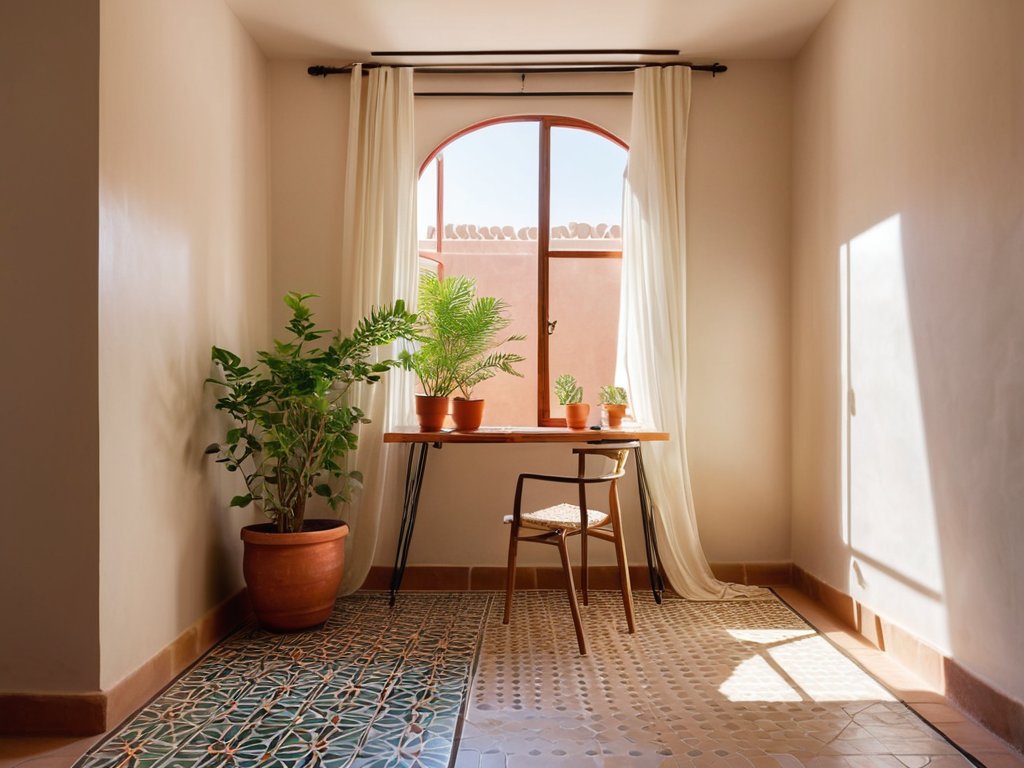
Whenever I step into a cramped studio in Marrakech, I’m reminded how an opening can turn a box into a canvas. Maximizing daylight in small rooms often starts with sheer curtains that diffuse the morning glow without sacrificing privacy. I’ve seen how biophilic design and sunlight—a simple plant near a high window—creates a visual anchor that calms the mind, echoing research that links daylight exposure to reduced anxiety and sharper focus. Even a narrow skylight can become a silent therapist for those who spend hours behind screens.
Back in the office I once visited in Seoul, the challenge was not only letting light in, but shaping it so glare didn’t become a distraction. Energy‑efficient window treatments—like low‑E film paired with adjustable louvers—allow the sun to paint the floor while keeping temperature spikes at bay. I also recommend positioning workstations toward the east to catch the gentle rise of light, which supports a healthy circadian rhythm. When the afternoon sun threatens to overwhelm, a matte exterior blind can soften the intensity, preserving both visual comfort and mental equilibrium, inviting collaboration across cultures just as the sun does across borders.
Biophilic Design Glare Reduction and Circadian Rhythm Benefits
When I stepped into a modest clinic in the highlands of Bhutan, the walls were a living canvas of moss‑lined windows and reclaimed timber that welcomed the sunrise. That moment reminded me why biophilic design matters: natural light becomes a bridge between the built environment and the ecosystems we cherish, turning a room into a micro‑habitat that whispers of forests, rivers, and the shared pulse of the planet.
Back home, I’ve learned that the same daylight, when filtered through designed shades, tames glare without dimming the room’s vitality. Those softened beams cue our pineal gland to sync with the sun’s rhythm, easing sleep cycles and sharpening focus—benefits that echo across continents, from bustling Nairobi offices to quiet Kyoto apartments. In the end, managing glare is less about aesthetics and more about honoring the body’s clock, a reminder that light, like language, unites us.
Maximizing Daylight in Small Rooms With Energyefficient Window Treatments
In the studio I rented in a town on the Scottish coast, the only thing that kept the space from feeling like a shoebox was the morning sun slipping through light‑filtering linen panels. I chose a sheer, white fabric that whispers – it lets daylight cascade while tempering glare, and because it’s natural fibre it insulates enough to keep the radiator from over‑working.
Back in Delhi, where heat can melt glass, my colleagues swear by solar‑control films: a barely‑visible coating that reflects infrared but welcomes visible light, turning a balcony room into a cool oasis. Pairing those films with bamboo blinds, which can be drawn low for privacy yet pulled back to reveal the view, creates a layer of energy efficiency. The result? A room that feels larger, breathes brighter, and quietly reminds me that daylight, like a globe, belongs to everyone.
Shedding Light: Five Practical Tips to Harness Natural Light Anywhere
- Embrace the sunrise: Open curtains or blinds first thing to let morning light flood in, jump‑starting your circadian rhythm and mood
- Strategically place mirrors opposite windows to bounce light deeper into the room, creating the illusion of spaciousness without extra energy
- Choose light‑filtering window treatments that dim glare while preserving daylight—think linen shades or frosted panels for a soft, even glow
- Install slim, low‑profile skylights or solar tubes in cramped spaces; they channel overhead sun without sacrificing wall space
- Rotate artwork and furniture periodically so surfaces reflect light differently, keeping the ambience fresh and preventing stagnant shadows
Key Takeaways
Natural light is a universal connector – it shapes how we feel, work, and relate to one another across cultures and spaces.
Strategic window treatments and biophilic design let even the smallest rooms soak up daylight while keeping glare and heat in check.
Aligning indoor lighting with our circadian rhythms boosts mental wellness and reduces energy consumption, turning every room into a healthier, more sustainable habitat.
Illuminating Connections
Natural light is the world’s quiet translator, turning borders into shared horizons and reminding us that every sunrise writes a new chapter in our collective story.
Alexandra Thompson
Conclusion
Looking back, three ideas keep resurfacing. First, natural light is more than a design trick; it is a conduit that stitches together the way we work, rest, and relate to one another. By embracing energy‑efficient window treatments—from sheers that diffuse the morning glow to smart blinds that respond to the sun’s angle—we can coax daylight into spaces without inflating our carbon footprint. Second, biophilic design reminds us that plants, textures, and the subtle play of shadow nurture our mental health, while thoughtful glare reduction safeguards productivity. Finally, syncing our interiors with the circadian rhythm anchors us to a natural heartbeat, turning each sunrise into a silent invitation to pause, breathe, and reconnect.
Standing on a rooftop terrace in Marrakech, I felt the sun’s arc sweep across the medina, a reminder that the same light kisses every rooftop, kitchen table, and child’s sketchbook. That shared sunlight is a silent diplomatic language—one that invites us to design spaces that honor both planet and people. As we close this guide, I challenge you to let daylight become your negotiator: pull the curtains just enough to welcome the day, place a shade‑loving fern by the window, and let the rhythm of light shape your conversations, work, and dreams. In the end, light is our most democratic resource, and each ray we welcome is a step toward a brighter, more connected world.
Frequently Asked Questions
What are the most affordable window treatments that let in daylight while reducing glare?
I’ve learned that the most budget‑friendly ways to invite daylight while taming glare are simple: airy sheer curtains (under $20 per panel) that diffuse light without blocking it; light‑filtering roller shades, which you can snag on sale for $30‑$50 and pull up when the sun gets too strong; and affordable cellular honey‑comb shades, $40‑$60, which trap air, insulate and soften harsh rays. Adding a thin bamboo blind for a quick pull‑down adds texture and extra glare control for under $15.
How does the direction a room faces affect the quality of natural light throughout the year?
The compass truly shapes a room’s daylight story. A south‑facing space (in the Northern Hemisphere) basks in steady, bright light from winter through summer, making it ideal for work zones or a sunlit breakfast nook. East‑facing rooms greet the day with soft, warm mornings that fade quickly—perfect for a quiet reading corner. West‑facing spaces soak up the afternoon sun, often turning intense in summer evenings, which can be wonderful for late‑day gatherings but may need shading to curb glare. North‑facing rooms receive the gentlest, most diffused light year‑round, offering a calm backdrop for studios or galleries. By aligning function with orientation, we let the sun’s seasonal rhythm enhance both the feel of a space and our well‑being.
Can I use indoor plants to enhance the benefits of natural light for my well‑being?
Absolutely—I’ve found that a well‑chosen plant can turn a sunlit corner into a mini‑sanctuary for both body and mind. Start with foliage that loves bright, direct light—think fiddle‑leaf figs, succulents, or a trailing pothos near a south‑facing window. Their leaves capture and diffuse the rays, softening glare while releasing oxygen and subtle aromas that calm the nervous system. Pair them with a light‑colored pot and a simple water‑saving routine, and you’ll notice a measurable lift in mood and focus within days.