Ever felt that the pages of your notebook sit stubbornly empty, as if the world outside is speaking a language you haven’t yet learned? I’ve chased that silence from the bustling streets of Delhi to the quiet highlands of Patagonia, and each time I’ve discovered that a well‑crafted prompt can coax hidden narratives into view. That’s why I’m sharing my favorite creative journaling prompts – tools that turn fleeting impressions into vivid entries, helping us map our inner geographies before we even set foot on new terrain, and a fresh sense of purpose.
In the list that follows, I’ll walk you through five distinct prompts, each designed to spark curiosity, nurture empathy, and reveal connections you might otherwise overlook. From a passport‑style self‑portrait that asks you to sketch the sounds of your current city, to a dialogue‑starter that imagines a conversation between your past and future selves, you’ll find a toolbox that fuels both personal growth and cross‑cultural insight, that will linger long after you close the cover. By the end, your journal will feel less like a record and more like a living map of the stories that bind us all.
Table of Contents
Passport Pages Unfolded
Imagine you’re flipping open a fresh page as if it were a passport stamp waiting to be collected. Ask yourself: what three sensations—sight, sound, scent—did you notice the moment you stepped onto foreign soil, and how can you capture them in a single, vivid sentence?
Then, trace the line from that moment to the next unexpected encounter. Write a short vignette that begins with “I never expected…” and ends with a question you’d pose to a local you met, inviting the reader to wander alongside you.
Echoes from the Bazaar
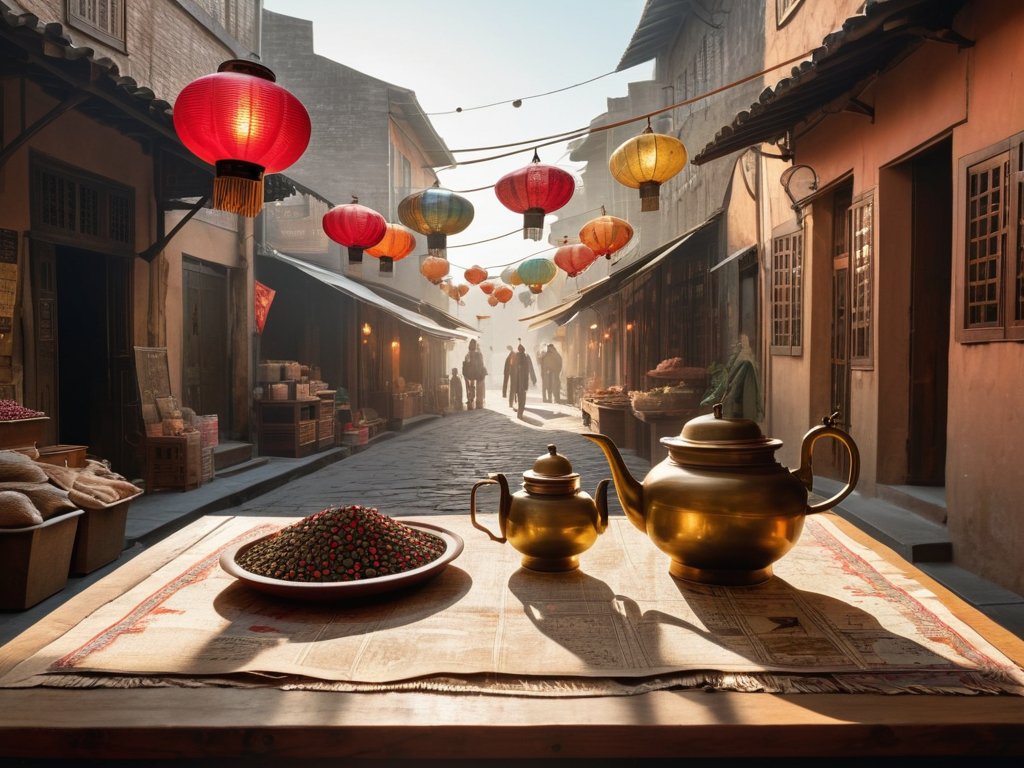
Stroll through the memory of a bustling market in your mind, and let the clamor of vendors become a prompt. Consider: what object catches your eye—a hand‑woven rug, a brass tea set, a weathered map—and what story does it whisper about the hands that crafted it?
Next, give that object a voice. Draft a diary entry from the perspective of the artifact itself, reflecting on the countless travelers it has witnessed and the secrets it guards, ending with a hopeful wish for its next journey.
Globe‑Trotter’s Time Capsule

Picture a vintage globe from your collection, each decade a layer of history. Choose one era—perhaps the 1970s when you first learned to read longitude—and jot down the global headlines that would have colored your travel dreams then.
Now, fast‑forward to today. Write a letter to your younger self, tucked inside that imagined time capsule, sharing one lesson you’ve learned on the road and one question you still carry, framed in reflective curiosity.
Silent Streets, Loud Stories
Find a quiet lane in a city you’ve never visited, real or imagined, and let its stillness spark a prompt. Describe the soundscape that could fill that space—perhaps distant prayers, a lone bicycle bell, the rustle of paper lanterns—and translate those sounds into metaphors.
Then, populate the street with a cast of characters: a street‑mason, a wandering poet, a child with a kite. Write a brief scene where their paths intersect, using the soundscape as the thread that ties their narratives together.
Cross‑Continental Letter to Self
Take a moment to stand at the intersection of two cultures you’ve lived between—London’s rain‑kissed sidewalks and Delhi’s fragrant spice lanes. Draft a letter addressed to your future self, beginning with “From the rain‑soaked Thames to the monsoon‑scented Ganges…” and explore how these dualities have shaped your worldview.
Conclude the letter with a prompt for your future self: a question about a decision you’re wrestling with now, inviting the later‑you to respond with the wisdom earned from the countless borders you’ve crossed.
Key Takeaways
Creative prompts are most powerful when they bridge personal memory with broader cultural narratives, turning private reflections into shared stories.
A simple structure—spark, explore, connect—helps you move from a fleeting idea to a journal entry that resonates across borders.
Regularly revisiting prompts nurtures curiosity, deepens empathy, and builds a living archive of your evolving global perspective.
Mapping the Mind
Creative journaling prompts are passports for the mind—each question opens a border, inviting us to chart inner landscapes with the same curiosity we reserve for distant continents.
Alexandra Thompson
Closing the Loop
Looking back over the five prompts we explored, it becomes clear how each one nudges us toward a richer inner landscape. The memory map invites you to plot personal milestones against the geography of your travels, while the cross‑cultural dialogue prompt asks you to imagine a conversation with a stranger from a distant corner of the world. The future postcard stretches your imagination forward, letting you write a note to yourself years from now. With the sensory snapshot, you capture the taste, sound, and texture of a fleeting moment, and the story exchange encourages you to swap narratives with a friend, weaving two perspectives into one. Together, these exercises turn a blank notebook into a passport for the soul.
So, whether you’re perched on a balcony in Marrakesh or sitting in a quiet London flat, let these prompts be the compass that points you toward deeper self‑discovery and greater empathy. Each line you write becomes a bridge, connecting the personal with the planetary, and reminding us that stories are the threads that bind humanity together. Keep your journal close, let curiosity lead, and remember that the act of writing is itself a voyage—one that never truly ends, but only expands with every new page you turn. May each entry echo the rhythm of distant drums, reminding you that the world is both larger and nearer than we often realize.
Frequently Asked Questions
How can I tailor creative journaling prompts to reflect my cultural background?
I like to start by pulling a scent or a sound from my own story—perhaps the spice‑laden market in Delhi or the rain‑kissed cobbles of London. Write a prompt that asks you to “Describe a family ritual, then re‑imagine it through the eyes of a visitor from another continent.” Next, choose a vintage globe from your collection and note the country you’re drawn to; let that place become the backdrop for a “memory‑map” entry. Finally, sprinkle in a local proverb and ask yourself how its meaning shifts when you apply it to today’s challenges. This way each prompt becomes a bridge between your heritage and the wider world.
What are some strategies to keep a creative journaling habit sustainable over the long term?
I’ve found that the most sustainable journaling habits are the ones that bend, not break, with the rhythm of everyday life. First, I treat my notebook like a passport—setting a modest “one‑page per day” visa that I can stamp even on a train or in a café. Second, I pair writing with a sensory cue—a cup of chai, a sunrise, or the click of my vintage globe turning. Third, I schedule a monthly “review stop,” where I leaf through past entries and pull out a favorite line to expand. Fourth, I let the prompts evolve; when a prompt feels forced, I replace it with a question sparked by a conversation or a news story. Finally, I keep the pressure low: if a day slips, I simply note “blank page” and move on, reminding myself that the journey matters more than perfect consistency.
Can I blend visual elements like sketches or vintage globe motifs with written prompts for a richer storytelling experience?
Absolutely—mixing my sketches or a vintage‑globe motif with your prompts turns a simple exercise into a miniature expedition. I like to start each prompt with a tiny illustration—a map fragment, a street‑scene, or a doodle of a local artifact—then let the image seed the narrative. The visual cue anchors the senses, nudges memory, and invites readers to travel beyond words. Treat the sketch as a passport stamp; it tells a story before the first sentence even begins.