Last winter, I found myself hunched over a folding table in a narrow New Delhi flat, the scent of cumin drifting from the kitchen as my laptop pinged with a briefing from London. The radiator hissed, a neighbor’s kettle sang its familiar high‑pitched wail, and the neon streetlight outside flickered like a restless pulse. In that cramped, fragrant chaos I was trying to juggle a policy report, a half‑cooked dal, and a video call with my sister in Toronto—all while convincing myself that I was mastering a balanced lifestyle at home. The truth? The glossy Instagram reels that promise seamless zen were nowhere to be found in that moment.
In the pages that follow, I’ll strip away the hype and share three concrete habits that helped me turn that cramped kitchen into a rhythm where policy deadlines, family calls, and a simmering pot could coexist. Expect candid anecdotes from my time in UN corridors and rooftop terraces of Marrakech, plus simple, low‑budget tweaks you can test tonight. By the end, you’ll have a realistic roadmap to a balanced lifestyle at home that honors both duty and domestic joy.
Table of Contents
- Balancing Home Horizons a Blueprint for a Balanced Lifestyle at Home
- Crafting a Wellness Routine at Home That Connects Cultures
- Stress Reduction Techniques for Home Environments Global Perspectives
- Global Harmony Within Walls Mindful Living Strategies for Home Work Life in
- Mindful Living at Home Cultivating Healthy Habits for Mental Wellbeing
- Organizing Home Space for Balance a Worldwide Blueprint
- Five Cross‑Cultural Keys to Home Harmony
- Key Takeaways for a Balanced Home Life
- Home as a Harmonious Hub
- Closing the Circle
- Frequently Asked Questions
Balancing Home Horizons a Blueprint for a Balanced Lifestyle at Home
When the front door closes I treat the evening as a diplomatic debrief: I map out the day’s negotiations with my inbox, then deliberately carve out a wellness routine at home that feels less like a checklist and more like a quiet summit with myself. Simple home work‑life integration strategies—like setting a sunset alarm to signal the shift from project reports to tea‑infused pauses—have turned my living room into a small embassy of calm. I also keep a notebook by the sofa for quick stress reduction techniques for the home environment, such as a three‑minute breath‑count that steadies the mind before the kettle whistles.
Beyond the schedule, the way I arrange my bookshelf, a travel‑worn globe, and a stack of postcards creates a reminder that balance is a spatial art. Organizing home space for balance means pairing a standing desk with a yoga mat, so the act of standing up becomes a cue for a mindful stretch. I’ve learned that healthy home habits for mental wellbeing, like a nightly digital sunset—turning off screens an hour before bed—are the diplomats that negotiate peace between thoughts and restorative sleep.
Crafting a Wellness Routine at Home That Connects Cultures
I begin each sunrise with a sandalwood candle—a souvenir from a Saharan train—then brew a chai that fuses Indian spices with a Scottish black‑tea leaf I found in Edinburgh. As the kettle sings, I roll out a yoga mat and flow through a Balinese sequence, feeling the breath echo the tides of the Indian Ocean. This morning tea ceremony links two continents before my inbox wakes.
When dusk settles, I dim the lights and cue a playlist that stitches together a West African djembe, a Japanese shakuhachi, and a Cuban bolero. While the rhythms swirl, I journal in three languages—English, Hindi, Swahili—capturing the day’s cross‑cultural sparks. Then I unwind with turmeric‑spiced lentil soup, a reminder that flavor, like conversation, travels beyond borders. This listening to a Persian ney moment seals the day with a quiet, global sigh.
Stress Reduction Techniques for Home Environments Global Perspectives
When I return from a week in the Himalayas, I set a kettle, light a single candle, and watch the steam rise like a quiet invitation. I follow the Japanese mindful tea ritual, letting each sip remind me that tension can dissolve in the simple act of presence. Adding a few minutes of sunrise yoga, a practice I learned in Delhi, turns my living room into a cross‑cultural sanctuary where stress steps aside.
In the evenings I let the rhythm of a West African djembe, streamed from a friend in Accra, fill the hallway. The pulse creates a global soundscape that nudges my mind away from inbox alerts and into a natural tempo. I then dim the lights, light a lavender sachet, and practice a three‑minute breathing pause—an easy habit that feels like a diplomatic de‑escalation of my own inner negotiations.
Global Harmony Within Walls Mindful Living Strategies for Home Work Life in
Every evening after my briefing ends, I turn my living room into a lounge where the line between inbox and incense blurs. By scheduling a 15‑minute pause for breathwork, I give my brain a passport to shift gears. Those home work‑life integration strategies—a short meditation, a stretch, a tea spiced from a recent field trip—turn the kitchen table into a border‑crossing hub rather than a battlefield. When I begin creating a wellness routine at home that mirrors sunrise prayers in New Delhi and the hush of a London fog, the household feels like a consulate of calm.
Later, I swap the laptop for a low‑lit corner where a handmade rug from a Himalayan village reminds me that organizing home space for balance is a diplomatic act. I line up my notebooks beside a potted basil plant—an aromatic cue that stress reduction techniques for home environment can be as simple as a scented breath or a mindful sip of chai. These healthy home habits for mental wellbeing—checking off a gratitude list, turning off notifications at sunset—have turned my flat into an embassy where work and rest negotiate peace without raising flags.
Mindful Living at Home Cultivating Healthy Habits for Mental Wellbeing
I start each sunrise with a simple, cross‑cultural ritual that has traveled with me from Delhi’s bustling streets to a quiet flat in London. Before the inbox buzz, I light a lavender incense stick, sip chai, and spend five minutes simply breathing. That daily pause for gratitude anchors my mind, reminding me that balance isn’t a distant ideal but a series of tiny, intentional moments.
Evening finds me turning off screens an hour before bed, swapping scrolling for a handwritten letter to a friend across the globe. I let the soft strains of a Japanese shakuhachi or a West African djembe lull me into reflection, then journal three things I learned that day. That intentional unplugging transforms my night into a quiet rehearsal for tomorrow’s diplomatic dance, and I drift to sleep feeling both rooted and expansive, ready for the sunrise.
Organizing Home Space for Balance a Worldwide Blueprint
When I return from a week trekking Bali’s terraced rice fields, the first thing I do at home is reshape my living room into a tribute to that journey. I place the hand‑woven batik cloth I bought beside the minimalist Japanese tea set I collected in Osaka, creating a small “travel nook.” This intentional cultural zoning instantly pulls me out of the inbox and into a map of places.
Later I sweep the floor with a bamboo broom I once saw in a Marrakech souk, letting cedar scent linger as I open the windows to let sunrise filter through the Moroccan lantern beside my Scandinavian desk lamp. By arranging furniture to encourage flow, I create what I call mindful circulation—a rhythm that reminds me balance is less about décor and more about life through a space both foreign and home.
Five Cross‑Cultural Keys to Home Harmony
- Map your day like a travel itinerary—schedule work, rest, and moments of cultural discovery as if planning a passport‑stamped adventure.
- Create a “global kitchen” ritual—prepare a dish from a different country each week to nourish body and curiosity simultaneously.
- Design a multicultural mindfulness corner—decorate a small nook with textiles, art, or souvenirs that remind you of distant friends and inspire daily reflection.
- Set a “digital sunset”—turn off screens an hour before bedtime and replace scrolling with a language‑learning podcast or a handwritten postcard to a far‑away pen‑pal.
- Rotate your home‑office view—change your backdrop weekly with photos, fabrics, or scents from a region you’ve visited, keeping your workspace fresh and your mind open.
Key Takeaways for a Balanced Home Life
Integrate culturally inspired wellness rituals into daily routines to nurture both body and mind.
Design your living space with intentional zones that reflect global aesthetics, promoting clarity and calm.
Prioritize mindful pauses that honor diverse traditions, turning everyday moments into opportunities for cross‑cultural connection.
Home as a Harmonious Hub
“A balanced lifestyle at home is less about ticking boxes and more about weaving together the rhythms of work, rest, and cultural curiosity—turning four walls into a living tapestry where every sunrise invites a new conversation with ourselves and the world beyond.”
Alexandra Thompson
Closing the Circle
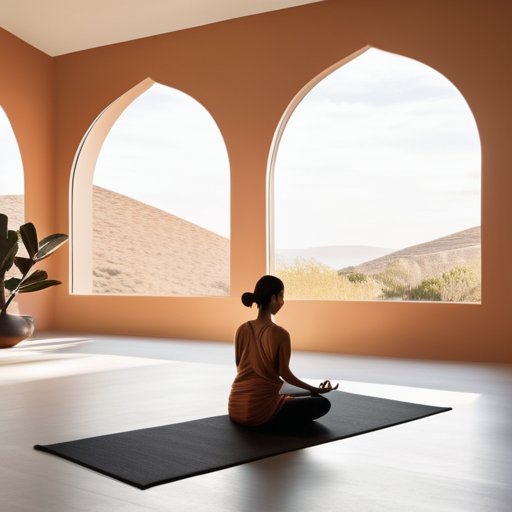
When I step back and trace the path we’ve walked through this article, three pillars emerge: a culturally attuned wellness routine, intentional stress‑reduction practices, and a mindful approach to the rooms we inhabit. We learned that a sunrise stretch inspired by Indian yoga, a mid‑day tea ceremony echoing Japanese calm, and a breathing pause borrowed from Scandinavian hygge can each turn a routine chore into a cross‑border conversation. By decluttering with the Japanese principle of katazuke and arranging workstations the way a Moroccan riad balances light and shade, we create a living canvas where global perspectives become daily habit. In short, a balanced lifestyle at home is less about ticking boxes and more about weaving the world’s rhythms into our own four walls.
As the doors of our homes swing open each morning, they also invite the world inside. I encourage you to see your living room not just as a place to unwind but as a diplomatic lounge where stories from Kathmandu, Nairobi, and Buenos Aires mingle over a cup of chai. Let the scent of Tibetan incense remind you that serenity travels, and let the rhythm of a West African drum echo in your kitchen while you prep dinner. When these global threads stitch our daily routines, the balance we crave becomes a living testament to shared humanity—starting, unmistakably, within our own walls.
Frequently Asked Questions
How can I design a daily routine that balances work, family duties, and personal wellbeing without feeling overwhelmed?
I start each day with a 10‑minute sunrise pause, noting the time zones of the cities I love and letting that rhythm set my pace. I block work into two‑hour windows, sandwiching a family‑check‑in and a movement break between them. I serve a dish that recalls my Delhi roots, then schedule a 30‑minute ‘me‑time’ for meditation or a language lesson. Anchoring each segment to a cultural cue keeps overwhelm at bay and honors work, family, and self.
What practical habits can I adopt at home to reduce stress while still nurturing my cultural connections and global friendships?
At home, I start each morning with a 10‑minute “pause”: I brew tea, set a timer, and scroll through a friend’s Instagram story from another time zone, letting their sunrise remind me I’m part of a wider day. I schedule a weekly video‑call over a shared playlist, swapping music from our hometowns, and keep a small “culture corner” with postcards, spices, and a language‑learning app as daily reminders that stress can be a bridge, not a barrier.
How can I organize my living space to create distinct zones for productivity, relaxation, and cultural expression?
When I rearranged my flat in a repurposed flat in Delhi, I first sketched a simple floor plan. I set a compact desk near a window for daylight‑filled productivity, using a screen to seal it off at night. Opposite, I placed a low‑light rug and floor cushions for a relaxation nook, adding a tea‑set from my travels. Finally, I carved a cultural corner—shelves for travel‑sourced artifacts, a woven tapestry, and a speaker for world‑music playlists.