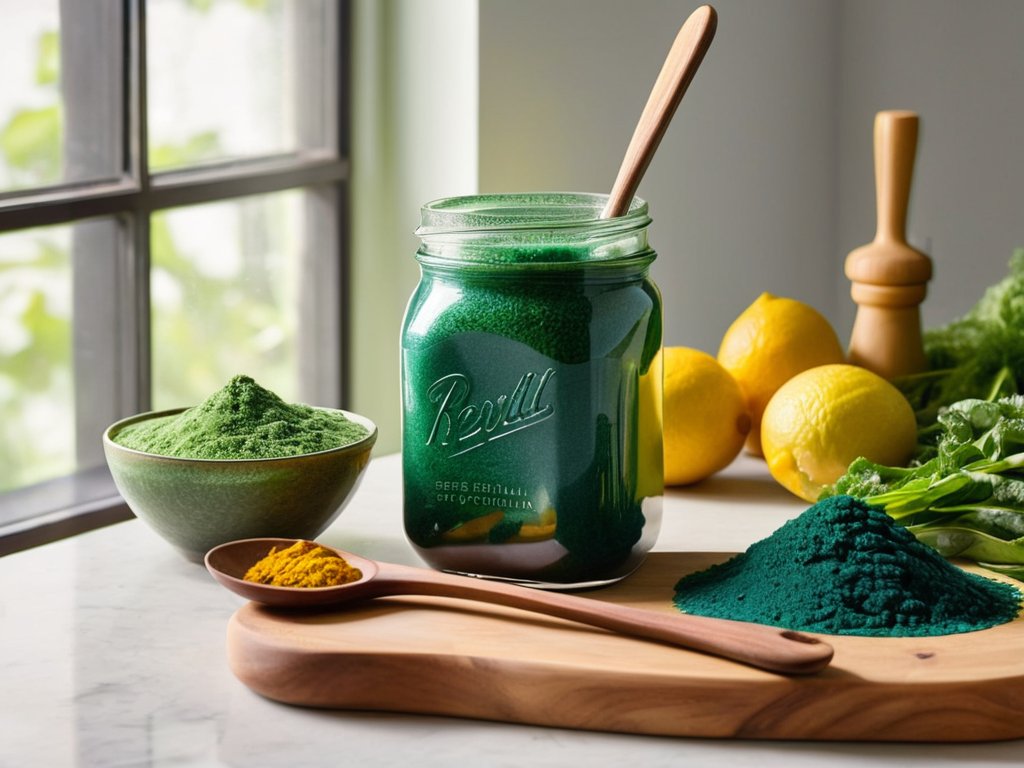
Ever found yourself scrolling through glossy wellness posts that promise spirulina will turn you into a super‑human, only to wonder if any of those claims actually hold water? I’ve been there – standing in a bustling market in Oaxaca, watching a vendor grind the deep‑green algae into a frothy drink that smelled faintly of the sea and fresh rain, while the tourists around me debated whether it could replace their multivitamins. The hype around Spirulina benefits often feels louder than the science, and that disconnect is what drives me to cut through the noise.
In the pages that follow, I’ll lay out the lessons from my time drafting health policy in Nairobi, swapping recipes with a family in Kerala, and testing the algae in my own kitchen blender. Expect a straight‑talk inventory of what spirulina truly delivers – from protein quality to antioxidant punch – and, as importantly, where the claims stretch beyond the evidence. No jargon, no pricey supplements, kind guide that lets you decide whether this blue‑green powerhouse belongs in your pantry—and how it fits into everyday life without turning grocery bill into a negotiation.
Table of Contents
- Spirulina Benefits a Global Lens on Nutrition and Wellness
- Blue Green Algae Antioxidants Connecting Cultures Through Health
- Unpacking Spirulina Protein Content for Everyday Energy
- Daily Dosage of Spirulina Balancing Weight Skin and Immune Boost
- Spirulina Immune System Boost Everyday Practices for Resilience
- Spirulina Weight Loss Effects Myths Science and Global Stories
- 5 Practical Ways to Harness Spirulina’s Power in Your Daily Life
- Key Takeaways
- A Green Thread Across Borders
- Conclusion: Spirulina's Global Promise
- Frequently Asked Questions
Spirulina Benefits a Global Lens on Nutrition and Wellness
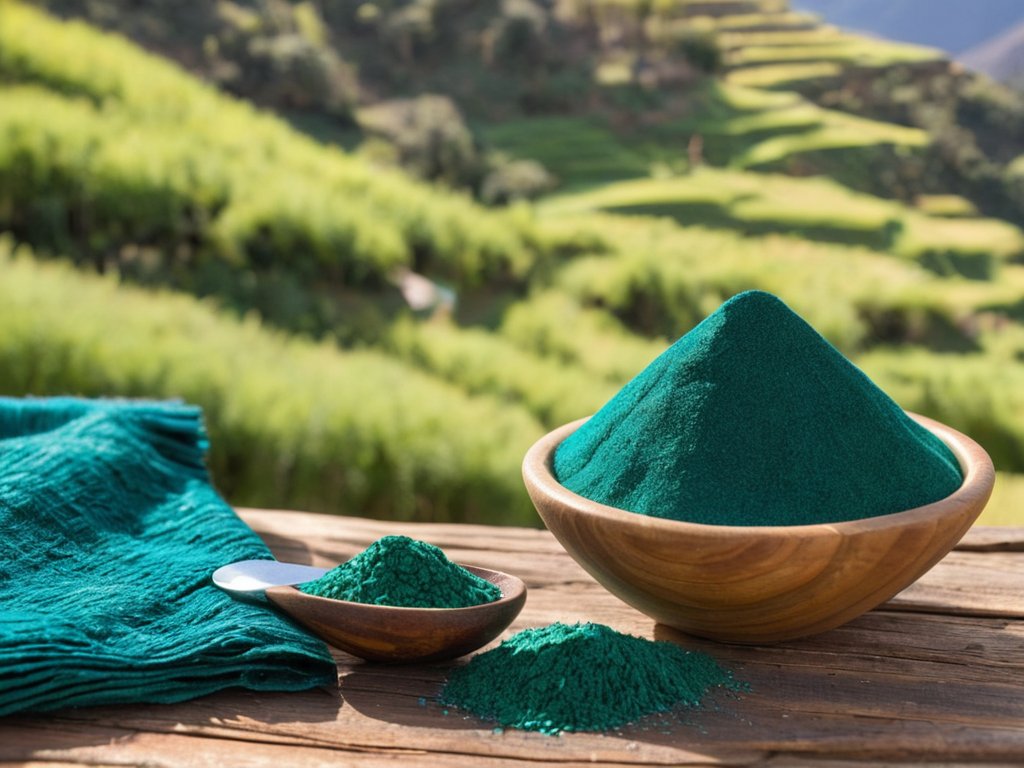
When I first met a cooperative of women in the Peruvian highlands, they handed me a modest sachet of dried blue‑green algae and asked how I measured its worth. The answer lay in the spirulina protein content—a staggering 60‑70 % by weight, rivaling whey and far surpassing most plant sources. Coupled with a cocktail of blue‑green algae antioxidants like phycocyanin, a tiny pigment that also gives spirulina its vivid teal hue, the powder becomes a portable nutrient dense enough to sustain trekkers, schoolchildren, and refugees alike. I’ve learned that a daily dosage of spirulina as low as one teaspoon (about 5 g) can bridge gaps in essential amino acids without overwhelming the palate, making it a pragmatic addition to diverse diets across continents.
Back in Delhi, a colleague who runs a community health clinic swore by the spirulina immune system boost she observed in patients recovering from seasonal flu. The same algae has quietly entered the beauty conversation, with its spirulina skin health claims rooted in anti‑inflammatory properties that calm acne and promote a radiant complexion. While the market often pits spirulina vs chlorella in a nutritional showdown, I find the real story is how these micro‑greens complement each other—spirulina’s robust protein and antioxidant profile pairing well with chlorella’s chlorophyll‑rich detoxifying edge. And for those curious about the spirulina weight loss effects, the modest caloric load combined with sustained satiety can help trim waistlines without the crash diets that dominate headlines.
Blue Green Algae Antioxidants Connecting Cultures Through Health
When I first watched a sunrise over the turquoise waters of Lake Chad, the local women were already harvesting the slim, emerald strands of spirulina that float just beneath the surface. The secret to its vivid hue is phycocyanin, a pigment that doubles as a potent antioxidant, neutralising free radicals the way a diplomatic negotiation defuses tension. In the same breath, I realized that a molecule discovered by a 19th‑century German chemist now fuels daily vigor of families across three continents.
Back in Delhi, I was invited to a community kitchen where spirulina powder swirled into a humble lentil soup, a ritual that echoes centuries‑old traditional remedies from the Pacific islands to the Andes. Sharing that bowl felt like turning a page in my vintage globe collection—each grain a reminder that health, like language, travels, adapts, and ultimately binds us together.
Unpacking Spirulina Protein Content for Everyday Energy
During a month‑long trek across Ladakh, I found that a scoop of spirulina powder feels like a power station. Each gram delivers about 57 % protein, and unlike many plant sources it supplies all nine essential amino acids, making it a complete protein that the body can use quickly after a day of thin‑air breathing. The green hue signals phycocyanin, which escorts those amino acids into my bloodstream, offering a gentle lift without caffeine’s crash.
I stir a teaspoon of spirulina into oatmeal and notice alertness that lasts into the afternoon. For those juggling meetings across time zones, that sustained energy can mean the difference between a scattered schedule and a focused narrative. Because spirulina thrives in brackish ponds with minimal land use, its protein harvest leaves an ecological footprint—a point I raise when discussing food security with community leaders in coastal Bangladesh.
Daily Dosage of Spirulina Balancing Weight Skin and Immune Boost
When I first tried to weave spirulina into my morning routine, I treated it like a passport stamp—one tiny scoop, then another, until I could feel the rhythm of the powder settling into my day. The sweet spot for most people hovers around 1–2 grams per day, which delivers enough of the plant’s famed spirulina protein content without overwhelming the palate. In my own experiment, that modest amount nudged the scale in the right direction; the spirulina weight loss effects manifested as steadier energy and fewer cravings, rather than a dramatic drop on the bathroom scale. For travelers who spend long hours on trains or in remote field offices, this gentle, consistent intake feels like a quiet ally, keeping hunger at bay while the body quietly taps into the algae’s nutrient reservoir.
Beyond the waistline, I’ve noticed a subtle glow that seems to echo the sea‑green hue of the powder itself. The blue‑green algae antioxidants act like a microscopic sunscreen, defending skin cells from oxidative stress, which translates into smoother texture and a faint, healthy radiance. Pairing the daily dose with a splash of lemon not only masks the earthy flavor but also amplifies the spirulina immune system boost, thanks to a cocktail of phycocyanin and vitamin B12. When I compare notes with colleagues who favor spirulina vs chlorella, the consensus is that spirulina’s protein density and antioxidant profile make it the more versatile companion for anyone chasing balanced weight, resilient skin, and a fortified immune front.
Spirulina Immune System Boost Everyday Practices for Resilience
When I’m navigating the bustle of a Delhi market or the quiet of a coastal Scottish village, I keep my immune guard up with a simple habit: a daily sip of spirulina‑infused water. A teaspoon of the powder swirled into lukewarm water not only tastes of the sea but delivers phycocyanin, the pigment that research links to enhanced white‑blood‑cell activity. I’ve watched fellow travelers in Ghana add the same mix to their morning millet porridge, noting fewer sick days during the rainy season.
Back home in London, I pair a pinch of spirulina with fermented kimchi in a cold‑brew salad, letting the probiotic punch amplify the algae’s antioxidant shield. This ritual has become a conversation starter at neighborhood potlucks in our daily lives, where neighbors from Brazil to Bangladesh share how the blend supports immune resilience for everyone during flu‑heavy winters and beyond.
Spirulina Weight Loss Effects Myths Science and Global Stories
I first heard the miracle metabolism myth while negotiating a trade delegation in Oaxaca, where a local health coach swore by spirulina tablets as a shortcut to shedding kilos. Curious, I dug into the literature: randomized trials show a modest increase in satiety and a slight rise in resting metabolic rate, but only when the algae is paired with a calorie deficit, and a healthier relationship with food. The science reminded me that no single ingredient can outrun the physics of balance.
Back in Accra, I visited a community kitchen where elders sprinkle spirulina into millet porridge, telling younger women that it supports the balanced plate principle while they aim to trim waistlines. Their stories echo a broader truth: the algae’s nutrient density can smooth cravings, yet sustainable weight loss hinges on varied diet, movement, and cultural context, and community resilience.
5 Practical Ways to Harness Spirulina’s Power in Your Daily Life
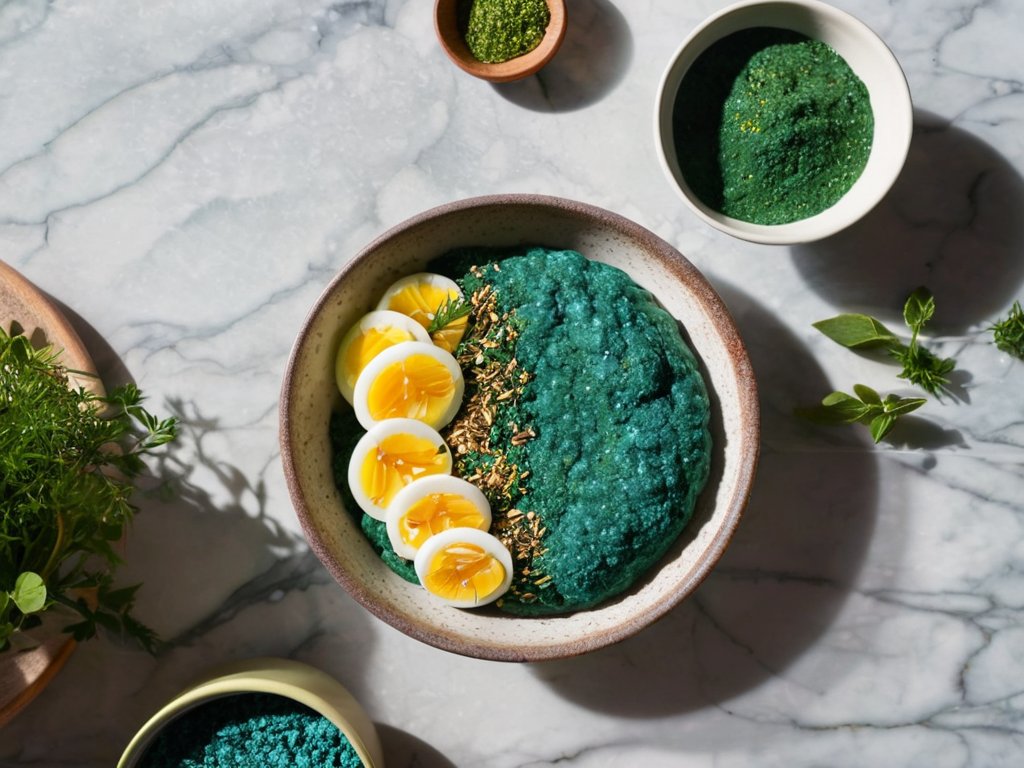
- Start modest: add a teaspoon (≈3 g) of spirulina powder to your morning smoothie and gradually increase to a tablespoon as your palate adapts, ensuring you capture its protein punch without overwhelming taste.
- Mix it into savory dishes: stir spirulina into soups, pesto, or homemade energy bars for a subtle green hue and a boost of antioxidants that support cellular health.
- Pair with vitamin C‑rich foods: combine spirulina with citrus fruits, bell peppers, or kiwi to enhance iron absorption, a key benefit for those managing fatigue or anemia.
- Use it as a post‑workout recovery aid: blend spirulina with banana, almond milk, and a pinch of sea salt to replenish electrolytes, reduce inflammation, and promote muscle repair after intense training.
- Rotate with other superfoods: alternate spirulina with chlorella, moringa, or wheatgrass every few weeks to diversify micronutrient intake and keep your gut microbiome thriving.
Key Takeaways
Spirulina’s protein‑rich profile offers a sustainable, plant‑based energy source that resonates across cultures—from street‑food stalls in Lagos to wellness cafés in Copenhagen.
Its blend of phycocyanin, beta‑carotene, and other antioxidants not only supports cellular health but also serves as a conversation bridge linking traditional remedies with modern nutrition science.
When taken in modest daily doses (1–3 g for beginners, up to 5 g for seasoned users), spirulina can aid weight management, skin vitality, and immune resilience—provided it’s sourced responsibly and paired with a balanced diet.
A Green Thread Across Borders
Spirulina isn’t just a nutrient‑rich algae; it’s a tiny, blue‑green bridge that carries the stories of coastal fishermen, ancient healers, and modern scientists—reminding us that wellness is a shared language spoken in every corner of the world.
Alexandra Thompson
Conclusion: Spirulina's Global Promise
In tracing spirulina’s journey from the turquoise lakes of Lake Chad to the rooftop gardens of my Delhi apartment, I’ve seen how this modest blue‑green algae stitches together the themes that ran through our sections: a protein powerhouse that fuels daily energy, antioxidants that bridge traditional herbal wisdom across continents, nuanced realities behind weight‑loss claims, and a modest daily dose that can nudge our immune system toward greater resilience. By looking at the science alongside the stories—whether a fisherwoman in the Philippines sharing her family’s health ritual or a biotech startup in Berlin refining cultivation— the picture that emerges is one of a versatile, accessible nutrient that respects both body and culture.
As I close my notebook and place another vintage globe beside my pen, I’m reminded that spirulina’s true benefit lies not just in the nutrients it delivers but in the conversations it sparks. Imagine classrooms in Nairobi debating sustainability, kitchens in Oaxaca experimenting with spirulina‑infused sauces, and policymakers in Brussels considering algae as a climate‑friendly protein source. If we allow curiosity to guide us, this humble organism can become a bridge—connecting economies, traditions, and health aspirations across borders. So my invitation to you, fellow traveler of ideas, is simple: explore spirulina not as a fad, but as a shared story that invites us all to eat, heal, and grow together.
Frequently Asked Questions
Can spirulina help with specific health conditions like anemia or diabetes?
Yes, spirulina can play a supporting role, but it isn’t a cure‑all. Its iron‑rich phycocyanin helped my aunt in Delhi lift her hemoglobin when diet alone fell short, though we still keep her under a doctor’s watch. For type‑2 diabetes, the modest carb load and possible insulin‑sensitising compounds have shown promise in studies from Brazil to Japan, yet individual responses vary. Think of spirulina as a nutrient‑dense adjunct, not a replacement for medical treatment.
What is the optimal daily dosage of spirulina for balanced weight, skin, and immune benefits?
I’ve found that most people feel the sweet spot at 3–5 grams of pure spirulina powder a day—roughly a teaspoon‑to‑a‑tablespoon splash—taken with a meal so the nutrients absorb better. If you’re chasing a more noticeable glow or a stronger immune buffer, edging up to 7–10 grams (about two teaspoons) can help, but I always start low and listen to my body, especially if you have a sensitive stomach.
How can I ensure the spirulina I buy is sustainably sourced and free from contaminants?
Whenever I hunt for a new spirulina powder, I start with the label’s provenance. Look for USDA‑Organic, EU‑Organic, or the stricter USDA‑Certified Sustainable certifications that guarantee clean water and low‑impact farming. A brand should post lab results—checking for heavy metals, microcystins, and pesticide residues—on its site. Ask whether the algae are grown in closed‑pond or photobioreactor systems and if the harvest comes from native, non‑invasive strains. Traceability from farm to shelf is the surest sign of responsibility.