Everyone seems to whisper that vegetarian slow cooker recipes are a compromise—bland, boring, and only worth the effort if you’ve got hours to waste in the kitchen. The truth I discovered while cooking a lentil stew in a remote Himalayan tea house is the exact opposite: a well‑chosen blend of spices, a handful of fresh herbs, and a pinch of patience can turn a lazy afternoon into a passport‑stamp of flavor. I remember the moment the pot lifted, steam curling like a scented flag over the kitchen of a family‑run guesthouse, and I realized that the slow cooker isn’t a culinary dead‑end but a bridge between the comfort of home and the zest of distant markets.
Over the next few minutes I’ll walk you through three of my most trusted, experience‑tested vegetarian slow cooker recipes—each rooted in a place I’ve called home for a night, from the coconut‑kissed chickpea tagine of Marrakech to the smoky black‑bean chilies of Oaxaca. You’ll get the exact spice ratios, the moments when a quick stir makes all the difference, and the cultural tidbits that keep every spoonful grounded in a story worth sharing.
Table of Contents
- Recipe Instructions
- Global Flavors Unveiled Vegetarian Slow Cooker Recipes That Connect Culture
- Morning Conversations Vegetarian Slow Cooker Breakfast Ideas for Global Mor
- Spicy Stories Slow Cooker Vegetarian Chili That Bridges Borders
- Slow‑Cooked Wisdom: 5 Essential Tips for Vegetarian Crock‑Pot Creations
- Key Takeaways: Cooking with Purpose and Perspective
- Slow‑Cooked Wisdom
- Closing the Circle: Slow‑Cooked Vegetarian Journeys
- Frequently Asked Questions
Recipe Details
Ingredients
- 1 can (15 oz) chickpeas, drained and rinsed (protein-packed and ready to go)
- 2 medium sweet potatoes, peeled and cubed (adds natural sweetness)
- 1 onion, diced (for aromatic base)
- 2 cloves garlic, minced (a kiss of garlic)
- 1 tbsp ginger, grated (zesty zing)
- 1 can (14 oz) diced tomatoes (tomatoey goodness)
- 1 cup vegetable broth (liquid love)
- 2 tbsp curry powder (the star of the show)
- 1 tsp cumin (earthy whisper)
- 1 tsp smoked paprika (subtle smokiness)
- ½ tsp turmeric (golden glow)
- ½ tsp salt (to taste)
- ¼ tsp black pepper (just a pinch)
- ½ cup coconut milk (creamy finish)
- Fresh cilantro, chopped (garnish, optional)
- Cooked basmati rice (to serve)
Tools & Supplies
- Slow cooker (crockpot)
- Measuring spoons
- Knife and cutting board
- Wooden spoon
- Serving bowls
Recipe Instructions
Step 1
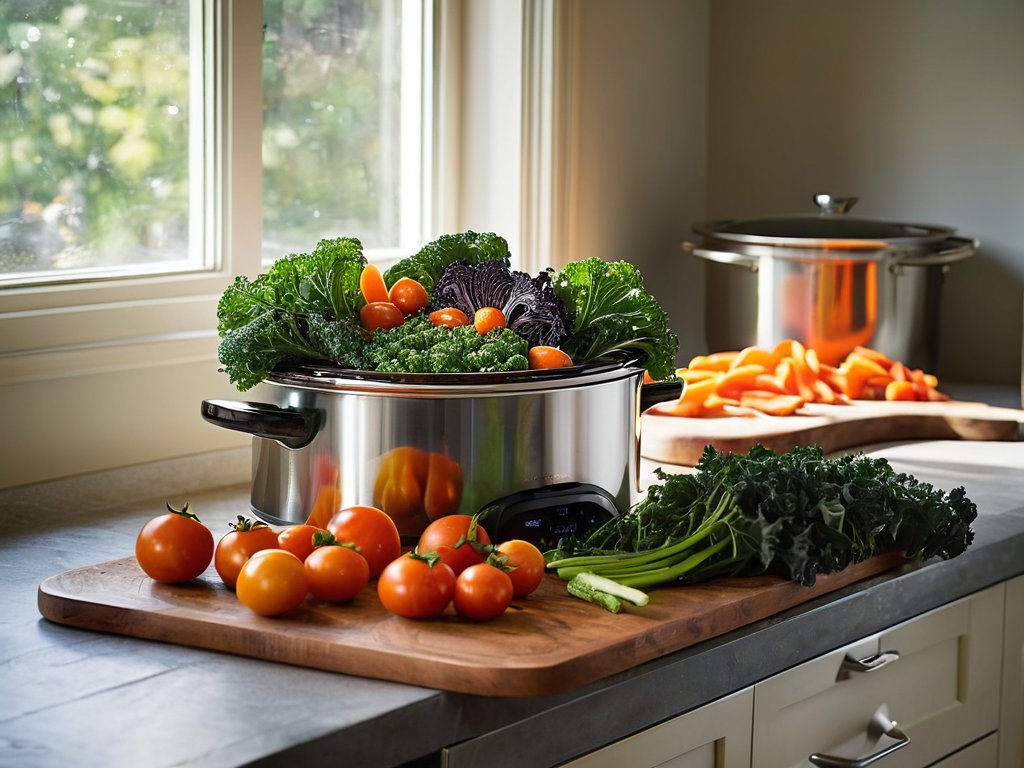
First, I assemble the pantry staples: 1 cup red lentils, 2 cups diced sweet potatoes, 1 cup chopped carrots, a half‑cup of pearl barley, a can of diced tomatoes, and a good pinch of smoked paprika. While the ingredients sit, I take a moment to appreciate the journey each spice has taken to reach my kitchen.
Step 2
Next, I wash and rinse the lentils and barley under cold water, letting the droplets remind me of monsoon rains in Delhi; this simple act not only cleanses but also removes excess starch that could cloud the stew’s texture later.
Step 3
Then I layer the ingredients in the slow cooker: start with the lentils and barley at the bottom, add the sweet potatoes and carrots on top, and finally pour in the tomatoes, vegetable broth, and a splash of coconut milk for silkiness. The order matters—denser grains need the heat first, while the vegetables finish gently.
Step 4
After that, I season thoughtfully, sprinkling in the smoked paprika, a teaspoon of cumin, a pinch of sea salt, and a drizzle of maple syrup. I give everything a gentle stir, letting the aromas mingle like old friends reconvening after years apart.
Step 5
I now set the timer: low for 7 hours or high for 4 hours, depending on my travel schedule. While the cooker works its quiet magic, I often flip through my vintage globe collection, imagining the routes these ingredients once traveled.
Step 6
Finally, when the stew is thick and fragrant, I taste and adjust—perhaps a dash more salt or a squeeze of lime to brighten the palate. I ladle the stew into bowls, garnish with fresh cilantro and toasted pumpkin seeds, and serve it alongside warm naan, letting each bite tell a story of connection across continents.
Global Flavors Unveiled Vegetarian Slow Cooker Recipes That Connect Culture
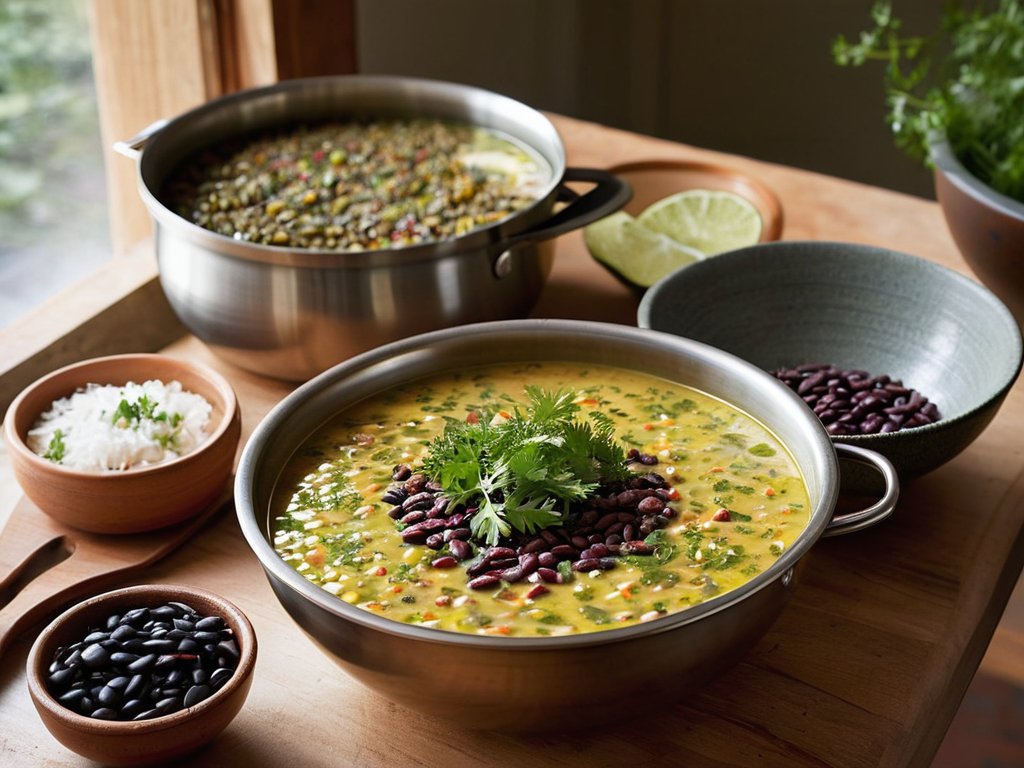
When I first tried to translate my grandmother’s monsoon‑season dal into a modern crockpot, I realized the slow cooker is a cultural bridge. A slow cooker vegetarian chili carries the smoky heat of New Mexico, while the same pot can cradle a coconut‑lime lentil stew that echoes Kerala’s coastal kitchens. A tip I’ve gathered on the road: toast whole spices—cumin, coriander, fennel—before adding them; the brief heat releases aromas that survive the long simmer. Finish with fresh cilantro or kaffir lime leaves right before serving, and you’ll taste the journey rather than just the destination. Plant‑based crockpot soups especially benefit from this two‑stage aroma boost.
My go‑to vegetarian slow cooker breakfast ideas start with rolled oats, diced sweet potato, and a splash of tamari, creating a nutrient‑dense slow cooker dish that awakens the palate without rush. For a low‑sodium twist, I replace regular broth with a light vegetable stock and soak the beans overnight; the beans stay tender and the flavor stays clean. A pinch of smoked paprika or a drizzle of tahini at the end transforms this simple base into one of my favorite easy vegetarian slow cooker meals.
Morning Conversations Vegetarian Slow Cooker Breakfast Ideas for Global Mor
I often start my day in a tiny mountain village in the Andes, where the sunrise is a chorus of birdcalls and the scent of fresh quinoa drifts from nearby fields. In my slow cooker, I let a simple blend of quinoa, coconut milk, and a pinch of Peruvian aji amarillo simmer overnight, so by dawn I have a creamy, protein‑rich porridge that feels like a warm hug from the earth itself. Back in London, I swap the quinoa for rolled oats, add diced mango, a splash of cardamom‑spiced tea, and a handful of toasted almonds—an ode to the bustling spice markets of Delhi that once shaped my childhood mornings. The beauty of a vegetarian slow‑cooker breakfast is its ability to travel across time zones, letting me serve a dish that’s both comforting and a conversation starter, inviting friends to share the stories that flavor each bite.
Spicy Stories Slow Cooker Vegetarian Chili That Bridges Borders
The first time I simmered a pot of vegetarian chili in a modest chalet outside Oaxaca, the air was thick with the scent of dried chilhuacle and smoked paprika—spices I’d first encountered in a bustling Delhi market. By letting the beans, fire‑roasted tomatoes, and a handful of cumin and coriander melt together in the slow cooker, I discovered how time can coax disparate flavors into a harmonious conversation, much like the vintage globes on my shelf that map distant stories onto a single surface.
When I serve the chili, I garnish it with fresh cilantro, a squeeze of lime, and a drizzle of avocado crema—each topping a nod to a different corner of the world. The dish invites diners to share their own spice memories, turning a simple family‑style bowl into a cross‑cultural dialogue that lingers long after the last spoonful.
Slow‑Cooked Wisdom: 5 Essential Tips for Vegetarian Crock‑Pot Creations
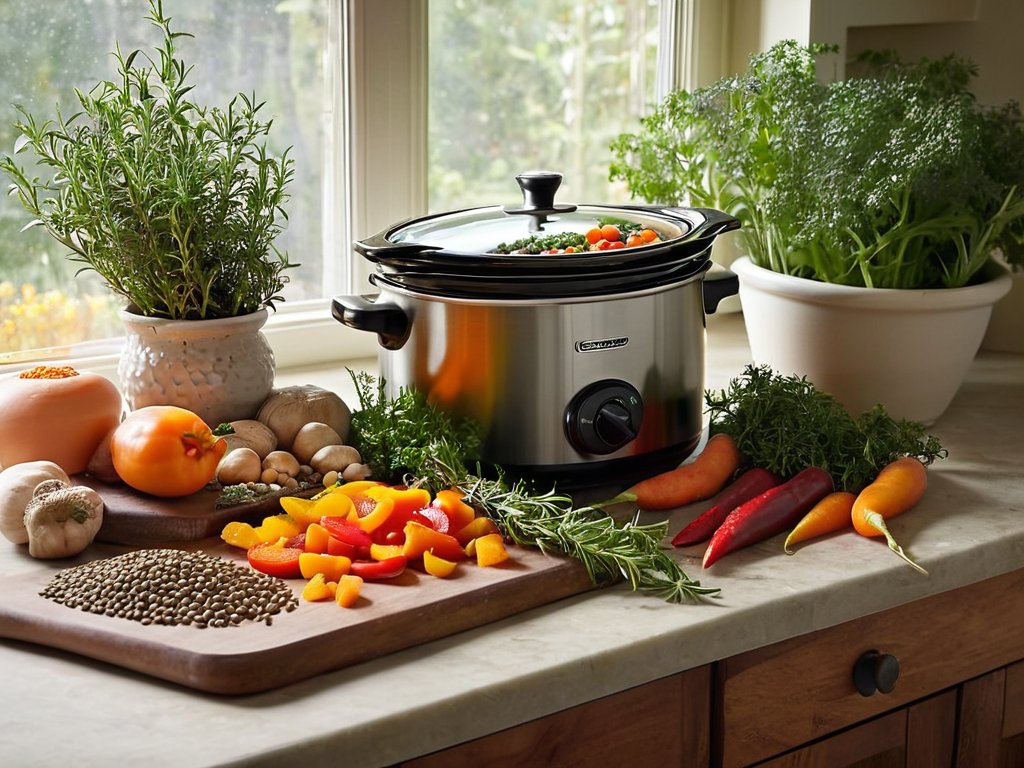
- Layer ingredients strategically—denser veggies like carrots and potatoes go at the bottom, while delicate greens and herbs stay on top to preserve texture and flavor.
- Use a modest amount of liquid; vegetables release moisture as they cook, so ½ to ¾ cup of broth or sauce is usually enough for a full‑day simmer.
- Embrace the power of spices early—toast whole spices before adding them to the pot to unlock deeper, aromatic notes that travel across cultures.
- Add fresh herbs, a squeeze of citrus, or a splash of soy sauce in the last 30 minutes to brighten the dish and prevent over‑cooking delicate flavors.
- Don’t forget to taste and adjust seasoning after cooking; a pinch of salt, a drizzle of olive oil, or a dash of heat can transform a humble stew into a conversation‑starter.
Key Takeaways: Cooking with Purpose and Perspective
A slow cooker isn’t just a kitchen gadget—it’s a bridge that lets diverse, plant‑based traditions simmer together, making world flavors accessible to anyone’s schedule.
Prep‑once, set‑and‑forget meals free up mental space, allowing more time for the conversations and cultural exchanges that truly nourish our global community.
Experimenting with spices, legumes, and regional vegetables teaches us that vegetarian cuisine can be both comforting and a powerful storytelling medium, connecting us to distant kitchens with every bite.
Slow‑Cooked Wisdom
In the gentle simmer of a vegetarian slow‑cooker, borders melt away, letting flavors tell the stories of distant kitchens and reminding us that nourishment is a shared language.
Alexandra Thompson
Closing the Circle: Slow‑Cooked Vegetarian Journeys
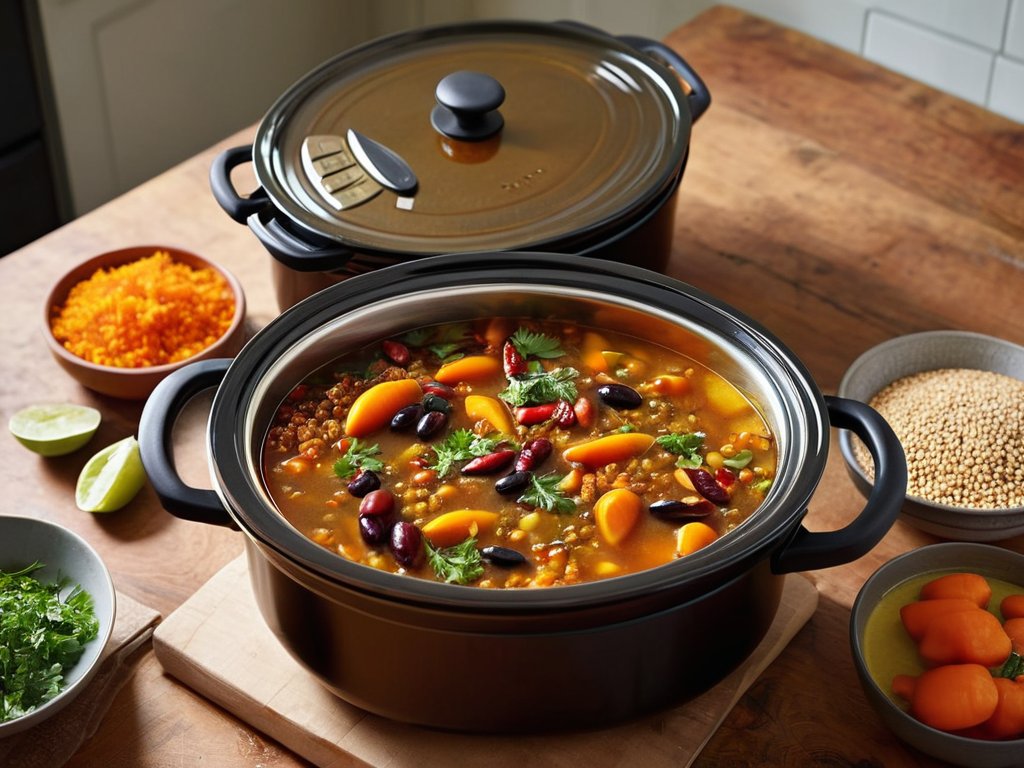
Looking back on the simmering stories we’ve shared, it’s clear that a humble slow cooker can become a passport to world‑wide taste. We explored a hearty vegetarian chili that threads Mexican heat with Indian legumes, a sunrise‑ready breakfast bowl that fuses Turkish olives with Peruvian quinoa, and several other dishes that prove global flavors need not be complicated. Each recipe was broken down into a clear card and step‑by‑step guide, so whether you’re a seasoned home chef or a busy traveler between time zones, the process stays as gentle as a long‑haul flight and as rewarding as a shared meal at a roadside tea house. And because the recipes are plant‑based, they also whisper a promise of sustainability for our shared planet.
As I close my notebook and set the last globe back on the shelf, I’m reminded that every simmer carries a conversation waiting to happen. When we let vegetables and spices mingle over hours, we also give space for stories to travel from market stalls in Marrakech to family kitchens in Kathmandu. I hope these slow‑cooker creations inspire you to invite a neighbor, a student, or a fellow traveler to the table, turning a simple pot into a bridge that spans continents. May the aroma of your next vegetarian stew remind us all that shared meals are the quiet diplomats of our interconnected world. Let each ladle be a passport, and each bite a reminder that curiosity and compassion travel best seasoned with flavor.
Frequently Asked Questions
Can I substitute dairy milk with plant‑based milk in these slow‑cooker dishes without affecting texture?
I’ve found that most plant‑based milks slide into a slow‑cooker just as smoothly as cow’s milk, but the final mouthfeel can shift a touch. Unsweetened oat or soy—both high in protein and a bit creamy—preserve the richness of sauces and soups, while almond or rice feel lighter and may thin the broth. If you miss that velvety body, stir in a teaspoon of cornstarch or a splash of coconut cream, still toward the end.
How long can I safely store leftovers from a vegetarian slow‑cooker meal in the fridge or freezer?
I usually keep leftovers from a slow‑cooker veggie stew in the fridge for 3–4 days—just enough time for the flavors to meld without risking spoilage. If you’re not planning to eat them sooner, I transfer the portions into airtight containers and stash them in the freezer; they stay safe—and tasty—for up to 2–3 months. Thaw overnight in the fridge, then reheat gently on the stove or in a low‑heat oven, and you’ll still taste the journey we cooked together.
What are the best ways to add protein to slow‑cooker vegetarian recipes for a balanced meal?
I’ve learned on a kitchen in Oaxaca that a handful of beans can turn a stew into a protein‑rich hug. Soak black beans, lentils, or chickpeas overnight, then drop them in the pot; they soften while releasing earthy depth. Cube firm tofu or crumble tempeh for a silky bite, adding them in the last hour to keep texture. Quinoa, amaranth, or a sprinkle of roasted nuts and seeds finish the dish with crunch and amino acids.