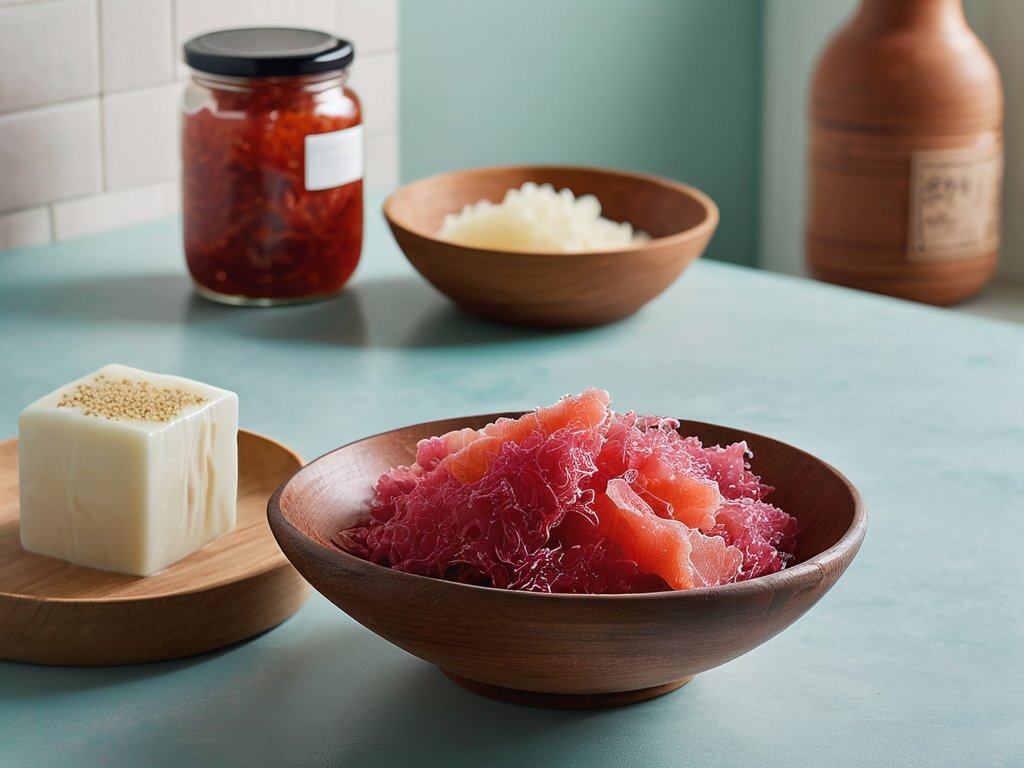
Imagine me, knee‑deep in the smoky kitchen of a tiny Tibetan monastery, the air thick with the tang of fermenting yak butter tea, when my host—an octogenarian monk—slides a small jar of briny turnip across the wooden table and says, “This is the secret to a calm mind.” In that instant I realized the myth that only exotic superfoods can balance our microbiome was wrong; the real power lies in the humble, centuries‑old practice of fermented foods and gut health that people everywhere have been perfecting. The same microbes that keep a distant village thriving have been quietly reshaping my own digestive rhythm ever since I returned to London.
In the next few pages I’ll strip away the hype and give you a step‑by‑step roadmap: how to pick the right starter cultures, simple home‑fermentation techniques that even a city‑dweller can master, safety checks to keep your jars happy, and quick ways to weave sauerkraut, kefir, miso and other global staples into everyday meals without turning your fridge into a science lab. By the end you’ll have a personal “gut‑garden” you can tend with confidence, and enjoy the vibrant health benefits.
Table of Contents
Project Overview
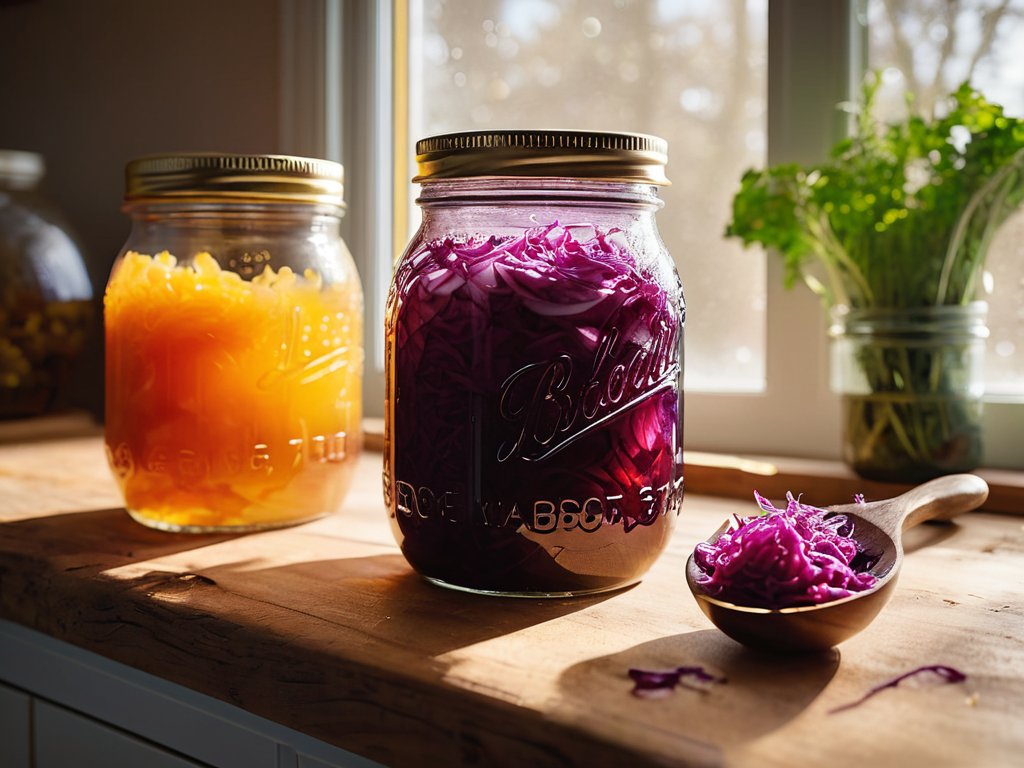
Total Time: 2 to 3 weeks (including fermentation and preparation)
Estimated Cost: $15 – $30
Difficulty Level: Intermediate
Tools Required
- Glass fermentation jars (Wide-mouth, 1‑liter or 2‑liter)
- Fermentation weight (Keeps vegetables submerged)
- Cheesecloth (Covers jars to allow airflow)
- Rubber bands or jar rings (Secures cheesecloth)
- Digital kitchen thermometer (Optional but helpful for monitoring temperature)
- Large mixing bowl (For prep and mixing)
- Sharp knife or mandoline slicer (For slicing vegetables)
Supplies & Materials
- Cabbage (For sauerkraut)
- Sea salt (Non-iodized, 2% of vegetable weight)
- Garlic, ginger, and spices (Flavor boosters for kimchi)
- Carrots, radishes, daikon (Optional mix‑ins)
- Kombucha SCOBY (Starter culture for kombucha)
- Black tea bags (Base for kombucha)
- White granulated sugar (Feeds the SCOBY)
- Plain whole‑milk yogurt or kefir starter (For homemade yogurt/kefir)
- Fresh fruit (berries, mango, etc.) (Flavorings for yogurt/kefir)
- Clean cloth or paper towel (For covering fermentation vessels)
Step-by-Step Instructions
- 1. First, explore your pantry and pick a fermented staple that sparks a memory—perhaps kimchi from my weeks in Seoul or a modest jar of sauerkraut that reminded me of my grandmother’s kitchen in Delhi. Identify the flavor profile you’re drawn to and set aside a modest serving (about two to three tablespoons) to experiment with throughout the week.
- 2. Next, schedule a daily tasting ritual. Allocate a quiet moment—maybe after your morning tea or before your evening walk—to savor the chosen ferment. Notice the texture, the tang, and how it feels in your mouth, then jot a quick note in a notebook or phone app about any subtle changes in your energy or digestion.
- 3. Introduce variety gradually. After three days, add a second fermented food from a different culture—think Ethiopian injera or Mexican kombucha. Mix them into meals you already love, such as sprinkling miso into a lentil soup or swirling kefir into a fruit smoothie, to keep your gut microbes intrigued.
- 4. Track your body’s responses using a simple log: record meals, how you felt before and after, and any bathroom patterns. Over a two‑week period, look for trends—perhaps reduced bloating, steadier mood, or a more regular rhythm. This data becomes your personal map of microbial harmony.
- 5. Share the journey with a friend or online community. Invite someone to swap a homemade ferment recipe, or host a small tasting evening where each participant brings a unique pickled treat. The conversation itself fuels curiosity and reinforces the habit, turning a health practice into a cultural exchange.
- 6. Reflect and adjust at the end of the month. Review your notes: which ferment gave you the most comfort? Which combination felt like a culinary bridge between continents? Decide whether to keep a permanent spot for those favorites in your fridge, or to explore new horizons—perhaps a fermented tea from the Himalayas or a seaweed kimchi from coastal Japan.
Fermented Foods and Gut Health Stories Across Cultures
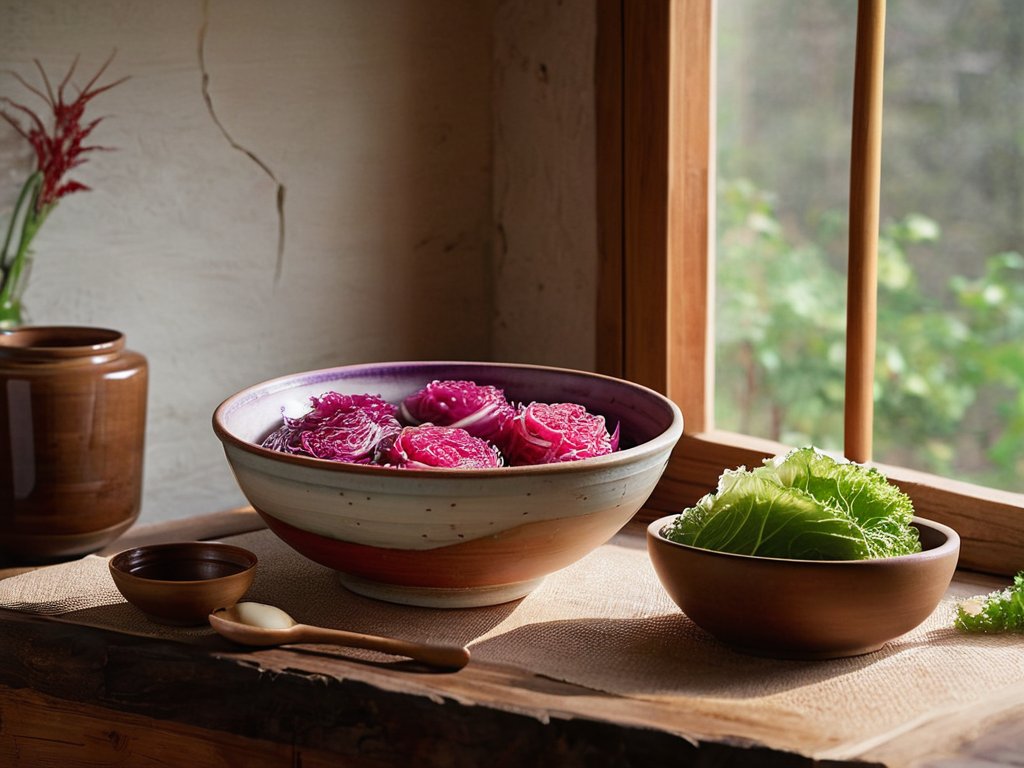
In a remote Korean village, the scent of bubbling kimchi jars reminded me that food is a living archive. Watching salted cabbage ferment overnight offers a vivid illustration of how fermented foods improve microbiome diversity—each bubble carries a new strain that can colonise our gut. As a rule of thumb, I aim for a daily serving size of fermented foods about a quarter‑cup of kimchi or a tablespoon of kefir.
Back in Delhi, I tasted home‑grown sauerkraut beside a friend’s fiery kimchi and discovered that sauerkraut vs kimchi probiotic content can vary by 30 %, yet both deliver lactic‑acid bacteria that calm inflammation. For those hunting the best probiotic‑rich fermented foods for digestion, a handful of fermented carrots or beet strips alongside your meal maximises the fermented vegetables benefits for gut health. These crunchy sides also supply prebiotic fiber that feeds the newly introduced microbes.
During a Patagonia trek I swapped a sugary soda for a chilled kombucha, noting its kombucha gut health effects—a gentle fizz that carries yeast and bacteria. I keep it to a half‑cup a day, fitting comfortably within my daily serving size of fermented foods, especially when I already enjoy yogurt or miso. Each sip feels like a tiny diplomatic envoy, easing inflammation and restoring balance. If you’re new to kombucha, start with a quarter‑cup and let the palate adapt.
Best Probioticrich Fermented Foods for Digestion
When I’m back from a week‑long trek in the Andes, the first thing I reach for is a jar of homemade kefir. Its creamy tang carries billions of Lactobacillus and Bifidobacterium strains that, as research shows, help smooth the transition from high‑altitude meals to the gentle rhythm of my gut. I also think of the caraway‑spiced sauerkraut my grandmother in Delhi’s Kashmiri enclave would serve alongside a hearty daal, its lactobacilli doing the same work for digestion.
The fiery kimchi of my Korean friends, a red‑peppered cabbage stew, not only awakens the palate but also delivers a cocktail of Leuconostoc and Lactobacillus plantarum that keep the intestine moving. A spoonful of miso soup, a splash of kombucha at a Budapest market, or a bite of tempeh in Jakarta each brings its own microbial entourage, turning ordinary meals into allies for nutrient absorption and regularity.
How Fermented Foods Improve Microbiome Diversity
When I uncork a bottle of kimchi in a tiny Seoul market stall, the bright tang of napa cabbage isn’t just a flavor—it’s a living archive of lactic‑acid bacteria that have been coaxed into existence for centuries. Those same microbes—Lactobacillus plantarum, Leuconostoc mesenteroides, and friends—join the bustling community already thriving in my gut, nudging the ecosystem toward greater variety. Each bite of a fermented mango pickle in Goa, a tangy kefir sip in a Georgian farmhouse, or a modest sauerkraut spoonful on a train to Budapest adds a distinct strain, like adding new countries to my vintage globe collection; the more diverse the map, the richer the dialogue between host and microbe.
That expanded dialogue matters because a heterogeneous microbiome is better at breaking down complex fibers, producing short‑chain fatty acids, and keeping opportunistic pathogens in check. In practice, I’ve noticed fewer mid‑day slumps and a steadier mood after weaving these fermented chapters into my meals—proof that culinary tradition can be a quiet, yet powerful, diplomat for gut resilience.
Key Takeaways
Fermented foods act as natural probiotics, enriching gut microbiome diversity and supporting digestion across cultures.
Regularly incorporating a variety of fermented staples—from kimchi to kefir—offers a spectrum of beneficial bacteria that can bolster immunity and mental wellbeing.
Mindful preparation and storage are crucial; respecting traditional methods ensures safety while preserving the unique flavors that connect us globally.
Fermentation: The Quiet Dialogue Between Culture and Gut
In every bubbling jar, we hear a conversation between centuries of tradition and the microbes that keep our guts humming—a reminder that health is as much about shared stories as it is about science.
Alexandra Thompson
Fermented Foods and Gut Health: A Closing Reflection
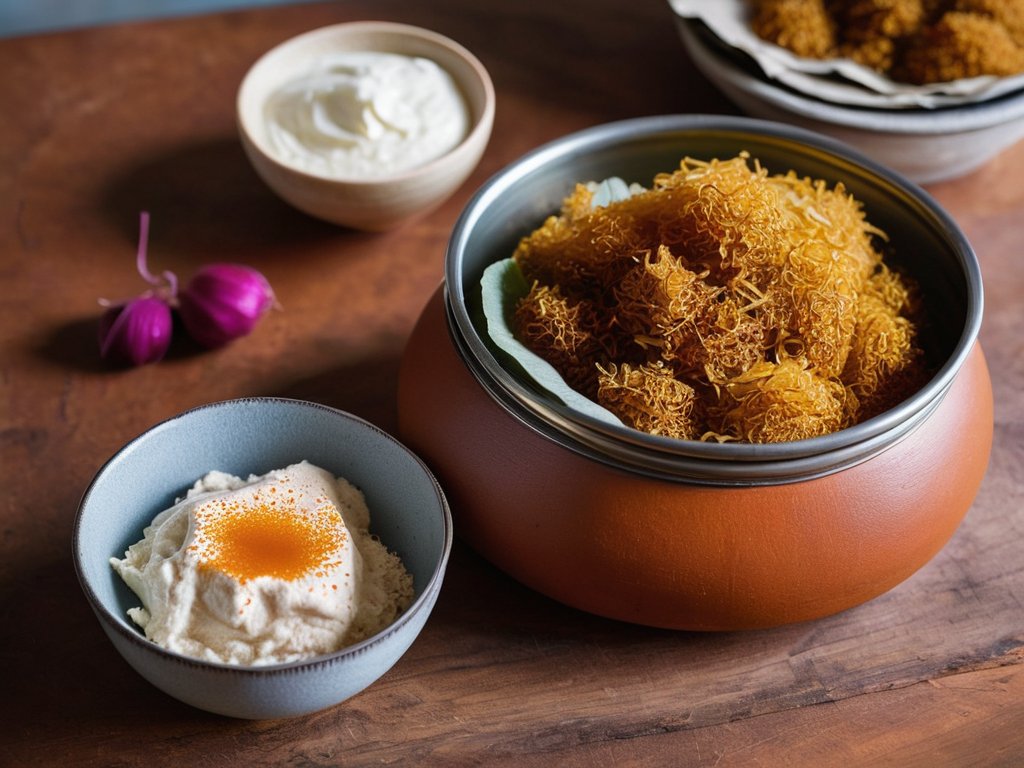
Looking back on the culinary journey we’ve taken, it’s clear that fermented foods are more than a trendy health hack—they’re a universal language of nourishment. We explored how centuries‑old practices in places as distant as the Korean kimchi jars and the Ethiopian injera teff starters converge on one scientific truth: they boost microbiome diversity. By breaking down complex sugars, these living cultures create a friendly environment for beneficial bacteria, which in turn supports digestion, immunity, and even mood. I walked you through a starter guide, highlighted the top probiotic‑rich fermented foods for everyday meals, and offered practical tips for safe home fermentation. Together, these pieces form a roadmap for turning any kitchen into a laboratory of health.
As I pack my vintage globe and set off for the next remote village, I’m reminded that every spoonful of sauerkraut or cup of kefir carries a story of people who learned to listen to their bodies and the land around them. When we invite these cultures onto our plates, we’re not just feeding our gut; we’re stitching a global gut narrative that links Delhi’s pickled mangoes to Reykjavik’s skyr. I hope you’ll let curiosity guide you to a new jar, a new recipe, a new conversation—because fermentation turns ordinary moments into shared celebrations of health and humanity. Let’s keep the world fermenting, one bite at a time.
Frequently Asked Questions
Which fermented foods are safest for beginners with a sensitive stomach?
If you’re easing into fermentation with a sensitive tummy, I start with the milder, low‑acid options. Plain, unsweetened kefir and drinkable yogurt (look for “live & active cultures”) introduce a gentle dose of bacteria. Soft, starter‑grade miso paste, a spoonful of tempeh, or a modest serving of unpasteurised sauerkraut that’s been fermented for just a few days are also forgiving. Keep portions small—about a tablespoon—and observe how your gut reacts before scaling up gradually.
How long does it typically take to notice changes in digestion after adding probiotics from fermented foods?
I usually start feeling a subtle shift within 5‑10 days of sprinkling a daily spoonful of kimchi or a cup of kefir into my routine, though many people report a clearer change after two weeks. The gut is a living ecosystem, so the speed depends on how diverse your microbiome already is, the amount you consume, and whether you pair it with fiber‑rich foods. If you’re new to fermented foods, give it about three weeks before you judge the full digestive impact.
Can fermented foods help manage specific gut issues like IBS or leaky gut, and what should I look for?
Yes, I’ve seen fermented foods smooth the ups and downs of IBS and even soothe a leaky gut, but the trick is choosing wisely. Look for products that list “live and active cultures” and are low‑FODMAP – think plain kefir, modest‑sauerkraut, or a modest splash of kimchi made without added garlic or onion. Start with a tablespoon a day, watch your symptoms, and favour varieties that are minimally processed and free of artificial preservatives.