In the thin air of a Peruvian ridge, I was halfway up a steep trail, my lungs burning, when I realized the granola bar I’d packed was doing more harm than good. The myth that “more protein equals faster results” had followed me from a Delhi gym to a London office, but that day the truth unfolded: balanced energy matters more than any single macro. My own misstep sparked a deeper curiosity about nutrition for fitness—how the foods we choose echo the cultures we travel through and, ultimately, how they fuel the bodies we push to their limits.
From that high‑altitude lesson I built a guide that strips away the hype, offering clear, culturally‑informed steps you can apply whether you’re training in a cramped studio or a sunrise desert. In the next few pages you’ll learn how to match meals to movement, calibrate carbs and fats for endurance, and use simple, affordable ingredients that respect both your body and the planet. By the end, you’ll have a toolbox of no‑hype, practical advice that lets you eat with intention, recover faster, and stay motivated on any terrain.
Table of Contents
- Project Overview
- Step-by-Step Instructions
- Nutrition for Fitness Global Stories of Fueling Performance
- Macronutrient Timing for Athletes a Crosscultural Perspective
- Preworkout Nutrition Tips That Unite Everyday Movers
- Fueling Your Body: Five Essential Nutrition Tips for Fitness
- Key Takeaways: Fueling Your Fitness Journey Across Cultures
- Fueling the Global Body
- Conclusion
- Frequently Asked Questions
Project Overview

Total Time: 1 hour 30 minutes
Estimated Cost: $30 – $80
Difficulty Level: Easy
Tools Required
- Food Scale ((digital, 0.1‑gram precision))
- Measuring Cups and Spoons
- Blender or Food Processor ((for smoothies and meal prep))
- Meal Prep Containers (Reusable, portion‑size)
- Notebook or Nutrition App (to log intake)
Supplies & Materials
- Protein Powder (whey, plant‑based, or mixed)
- Whole Grains (brown rice, quinoa, oats)
- Lean Protein Sources (chicken breast, turkey, tofu, beans)
- Fresh Produce (variety of vegetables and fruits)
- Healthy Fats (avocado, nuts, olive oil)
- Electrolyte Drink Mix (optional for intense workouts)
Step-by-Step Instructions
- 1. First, map your energy needs by calculating your basal metabolic rate and then adding the extra calories you’ll burn during workouts. I pull up a simple online calculator, plug in my age, weight, height, and activity level, and note the total. From there, I adjust the figure by 10‑15 % on days I plan intense cardio or strength sessions, ensuring I have a clear target to guide every meal I plan.
- 2. Next, build a balanced plate that reflects the three macronutrient pillars: protein, carbs, and fats. I aim for roughly 30 % protein, 40 % complex carbs, and 30 % healthy fats per meal, using a visual cue of a plate divided into sections. A handful of quinoa, a palm‑sized portion of grilled tempeh, and a drizzle of olive oil become my baseline, which I can tweak based on the day’s training focus.
- 3. Then, time your nutrients strategically around your workout window. I schedule a light, carb‑rich snack—like a banana with a spoonful of almond butter—30‑45 minutes before hitting the gym to fuel muscles. Post‑exercise, I prioritize a protein‑laden recovery shake or a bowl of lentil soup within two hours, pairing it with a modest carb source to replenish glycogen stores.
- 4. Hydration is non‑negotiable, so I keep a reusable water bottle at my side and sip steadily throughout the day. I aim for at least 2.5 liters of plain water, adding a pinch of sea salt or a splash of citrus when I’ve sweated heavily. On longer training days, I incorporate an electrolyte drink, but I keep the sugar content low to avoid counterproductive spikes.
- 5. Incorporate micronutrient powerhouses to support recovery and overall health. I sprinkle leafy greens, colorful vegetables, and fermented foods into every meal, ensuring I get iron, calcium, magnesium, and B‑vitamins. A quick stir‑fry with kale, bell peppers, and a dash of kimchi not only adds flavor but also bolsters my immune system after demanding sessions.
- 6. Finally, review and refine weekly by logging what I eat, how I feel, and my performance metrics. I use a simple spreadsheet to note energy levels, sleep quality, and any muscle soreness. If I notice persistent fatigue, I tweak the carb ratio; if recovery feels sluggish, I bump up protein or add a magnesium supplement. This reflective loop keeps my nutrition aligned with my evolving fitness goals.
Nutrition for Fitness Global Stories of Fueling Performance
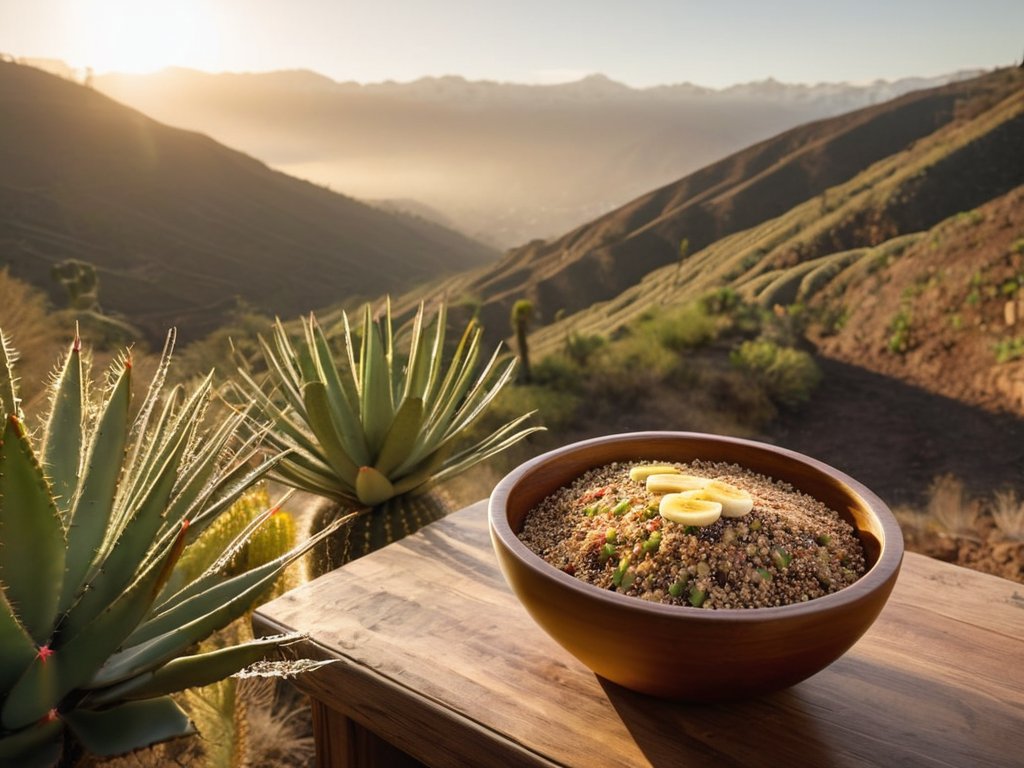
When I trekked through the Andean valleys, local runners swore by a handful of toasted quinoa mixed with ripe banana and a splash of cactus water before the sunrise sprint. That simple combo showed me that pre‑workout nutrition tips can be rooted in the foods around us. By pairing the carb‑rich quinoa with quick‑release banana sugars, athletes naturally practice macronutrient timing for athletes, topping up glycogen as the body awakens. At altitude, a sip of lightly salted cactus juice every half hour proved an effective hydration strategy for training, keeping my pulse steady on steep climbs.
In Marrakech’s souks I watched sprinters refuel with a lentil‑chickpea stew, carrots, and a drizzle of argan oil—a dish rich in iron, zinc, and vitamin C, *micronutrient sources for muscle
Macronutrient Timing for Athletes a Crosscultural Perspective
When I coached a sprinter in Osaka, I learned the Japanese concept of ‘shokuyō timing’—eating a bowl of rice and miso soup 90 minutes before a sprint—mirrors glycogen loading, yet it is wrapped in a ritual of mindfulness. Back home in London, I’d usually recommend a protein‑rich smoothie an hour pre‑run, but Osaka reminded me that the clock can be as cultural as it is physiological.
High up in Kenya’s Rift Valley, marathoners sip ugali porridge right after sunrise, letting the sun’s rise cue their carb loading. In Oaxaca, a cyclist I met mixes tamarind‑lime agua fresca with a pinch of chili before a hill climb, insisting the spice spikes adrenaline while the carbs fire up his legs. These snapshots remind me that macronutrient timing is as cultural as it is scientific, shaped by local rhythms and flavors.
Preworkout Nutrition Tips That Unite Everyday Movers
I’ve learned that the best pre‑workout fuel isn’t a secret formula but a conversation between body, culture, and schedule. Whether I’m lacing up for a sunrise jog on the dunes of Rajasthan or joining a community cycling class in Bogotá, I start with a modest carbohydrate‑protein combo about 30‑45 minutes before moving. A handful of dates dipped in almond butter, a slice of whole‑grain toast with a smear of miso, or a traditional Mexican avena bowl—each offers quick glucose to spark the muscles while the protein steadies blood sugar. Hydration, too, carries a cultural twist: a sip of spiced ginger‑lemongrass water reminds me of the street stalls in Hanoi, while a plain electrolyte‑infused coconut water feels like a nod to island life. The key is simplicity, timing, and a nod to the flavors that have powered everyday people for generations.
Fueling Your Body: Five Essential Nutrition Tips for Fitness

- Prioritize whole, minimally processed foods to provide sustained energy and micronutrients.
- Balance macronutrients: combine carbohydrates, protein, and healthy fats in each meal to support performance and recovery.
- Time your meals: eat a carbohydrate‑rich snack 60‑90 minutes before workouts and a protein‑focused recovery meal within two hours after exercise.
- Stay hydrated: aim for at least 2‑3 L of water daily, adjusting for climate and sweat loss, and consider electrolytes for longer sessions.
- Listen to your body’s signals: track how different foods affect your energy, digestion, and mood, and adjust portions accordingly.
Key Takeaways: Fueling Your Fitness Journey Across Cultures
Align macro‑nutrient timing with the foods and meals that resonate in your cultural context – a balanced plate before and after training can be both effective and deeply personal.
Choose whole, locally‑sourced ingredients that not only power performance but also support the communities and ecosystems you move through.
Tune into your body’s signals and adjust your nutrition rhythm to fit your daily schedule, training load, and cultural rhythms for sustainable, authentic progress.
Fueling the Global Body
When we choose the foods that power our workouts, we’re not just feeding muscles—we’re weaving a tapestry of cultures, histories, and shared aspirations into every rep.
Alexandra Thompson
Conclusion
In the pages we’ve traveled together, I’ve mapped how the rhythm of macronutrient timing can shift from the tea‑break rituals of Japanese sprinters to the hearty lentil stews that power Kenyan long‑distance runners. We unpacked the science of protein windows, carbohydrate loading, and the subtle art of balancing fats, while also honoring the everyday mover who reaches for a banana or a handful of dates before a city‑side jog. Hydration, micronutrient diversity, and culturally rooted food choices emerged as the connective tissue that turns a meal into a performance‑boosting ritual. By weaving these strands, the guide equips any body—whether training for a marathon or simply climbing stairs—with a flexible, globally informed nutrition playbook.
Yet the most compelling takeaway is not merely a checklist of carbs and proteins, but a reminder that every bite carries a story—a thread that links our bodies to the lands and peoples that nourish them. When we choose a spice‑laden chickpea curry for post‑run recovery, we are also honoring the centuries‑old trade routes that brought those legumes across oceans. I invite you to let curiosity guide your plate, to experiment with flavors beyond your comfort zone, and to see each meal as a passport to deeper resilience. Together, let’s fuel our shared journey, turning nutrition into a bridge that unites health, culture, and the endless pursuit of personal growth.
Frequently Asked Questions
How can I balance my macronutrient intake when training for both strength and endurance?
Balancing macros when you’re chasing both strength and endurance feels a bit like negotiating a treaty—each side needs its own concessions, but the agreement must serve the whole mission. I start by anchoring my calories around a 40‑30‑30 split (carbs‑protein‑fat) on heavy‑lift days, then shift to 55‑25‑20 when long‑run miles loom. Think of protein as your diplomatic envoy: 1.6‑2.2 g per kg daily, timed within two hours post‑session. Carbs become your cultural exchange, fueling glycogen stores before long efforts, while healthy fats act as the quiet ambassadors that keep inflammation in check. Adjust the ratios week by week, listening to how your body votes on performance and recovery.
What are culturally diverse pre‑ and post‑workout foods that support recovery without compromising taste?
I’ve learned that a good fuel combo can be both delicious and rooted in tradition. Before a run, I love a Japanese onigiri filled with grilled salmon and a sprinkle of sesame—carbs, protein, and healthy fats in one bite. For a midday lift, a Mexican‑style black‑bean and sweet‑potato quesadilla offers steady energy. After sweating it out, a Moroccan‑inspired chickpea‑date smoothie blends protein, potassium and sweetness, while a Greek yogurt with honey and walnuts gives recovery.
How do I adjust my nutrition plan while traveling to remote locations with limited food options?
I’ve learned that flexibility is the secret when I’m on a remote trek. First, I map out the staples I can carry—whole‑grain crackers, dried legumes, a small tin of olive oil—and treat them as my base. Then I scout local markets for fresh produce, lean proteins, or fermented foods that echo the flavors I know. I adjust portion sizes to match the day’s activity, keep hydration top‑priority, and pack an electrolyte mix for unexpected altitude climbs.