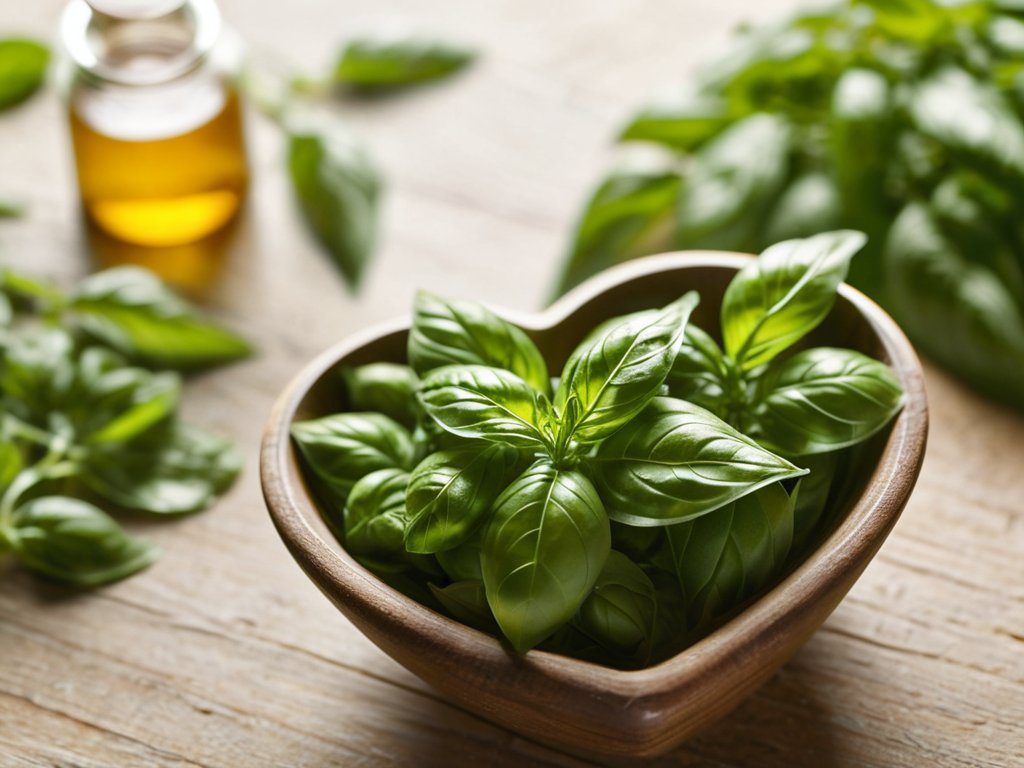
Imagine heat of a Delhi bazaar pressing against my skin, air thick with spices, and a sudden waft of fresh rosemary cutting through the clamor. I was there, notebook in hand, negotiating a trade deal, when a street vendor offered a tiny vial of rosemary oil and whispered, ‘just a drop, and the world quiets.’ In that moment I realized myth about aromatherapy techniques—that they belong only in quiet yoga studios—was wrong. The truth? A well‑placed scent can become a portable diplomatic tool, calming nerves on a crowded flight or in a tense negotiation room.
In the pages that follow I’ll strip away the glitter and give you the no‑nonsense playbook I’ve built from embassies, mountain retreats, and midnight train rides. You’ll learn how to choose a base oil that respects your skin, why a 3‑to‑5‑drop rule often outperforms “a splash” in small spaces, and how to blend citrus with grounding woods to create a focus boost for long‑haul flights. By the end, you’ll have a pocket‑sized kit and a step‑by‑step routine that works whether you’re drafting a policy brief or simply trying to unwind after jet lag.
Table of Contents
- Project Overview
- Step-by-Step Instructions
- Aromatherapy Techniques That Bridge Cultures and Calm Minds
- Crafting Calm Blending Top Therapeutic Essential Oils for Stress Relief
- Safe Sanctuaries Aromatherapy Safety Guidelines for Yoga and Nighttime Slee
- Key Takeaways
- Scented Bridges: The Quiet Power of Aroma
- Conclusion: Scented Pathways to Global Calm
- Frequently Asked Questions
Project Overview
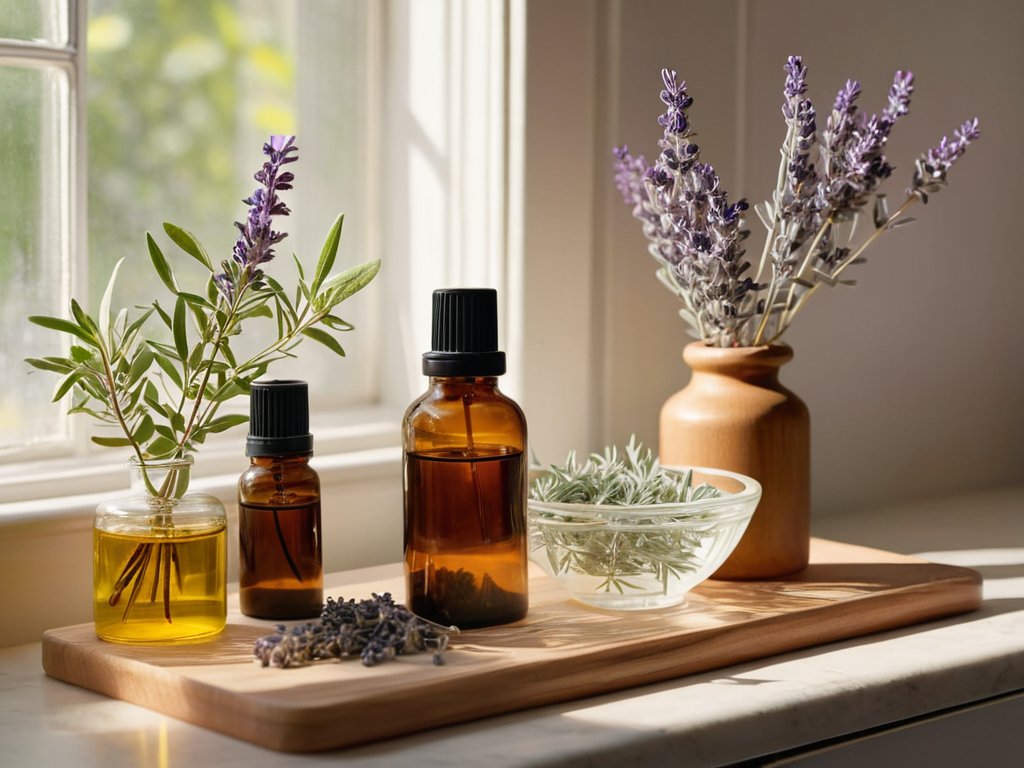
Total Time: 1 hour 30 minutes
Estimated Cost: $35 – $70
Difficulty Level: Easy
Tools Required
- Essential Oil Diffuser (Electric or ultrasonic)
- Glass Dropper Bottles (2-oz capacity for blends)
- Small Funnel (For transferring oils)
- Measuring Spoons (1/4 tsp and 1/2 tsp)
- Mixing Bowl (Glass or ceramic)
Supplies & Materials
- Essential Oils (Lavender, Peppermint, Eucalyptus, etc.)
- Carrier Oil (Sweet almond or jojoba)
- Distilled Water (For diffuser)
- Spray Bottle (For room sprays)
- Labels (To mark blends)
Step-by-Step Instructions
- 1. First, I pause to listen to my surroundings and decide which aroma will resonate with the mood I want to cultivate. I pull out my vintage globe, spin it, and let my mind wander to a place—perhaps the citrus groves of Sicily or the sandalwood markets of Jaipur. Once the scent is chosen, I gather a small amount of essential oil and a carrier like jojoba or sweet almond, remembering that a few drops go a long way.
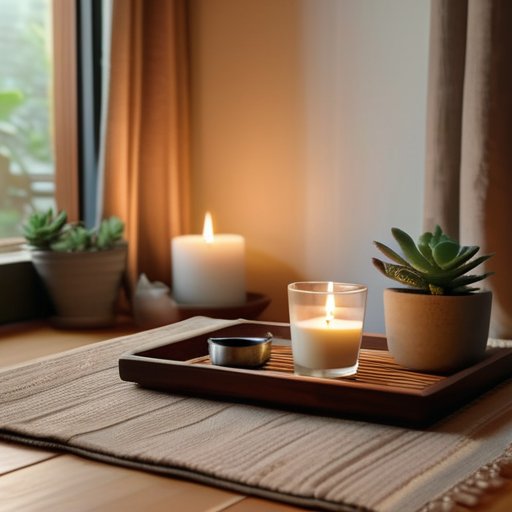
- 2. Next, I clear a modest corner of my room, dim the lights, and lay out a soft cloth. I place a glass bowl or a ceramic diffuser at the center, treating it as a tiny altar for the fragrance. By lighting a single candle—maybe a cinnamon-spiced one from a recent trip to Morocco—I create a gentle ambience that invites the oil to breathe.
- 3. Then I blend the oil with the carrier, typically at a 2% dilution for topical use (about 12 drops of essential oil per ounce of carrier). I stir slowly, visualizing the blend bridging cultures, and I test a tiny dab on my wrist to ensure the scent is subtle yet present before moving forward.
- 4. After that, I set the diffuser to a low mist, allowing the aroma to waft slowly across the space. I time it for ten minutes, using a timer on my phone, and I sit cross‑legged on the floor, inhaling deeply. As the vapor rises, I let my thoughts drift to stories of distant markets, letting the scent act as a sensory passport.
- 5. If I’m on the go, I craft a personal inhaler: a small glass tube filled with a cotton wick soaked in a few drops of my chosen oil. I tuck it into my bag, and whenever the day feels heavy, I take a brief, mindful inhale, feeling the instant uplift that connects me to far‑away places.
- 6. For a more immersive experience, I incorporate a gentle massage. I warm a spoonful of the blended oil in my hands, then roll it into my shoulders and temples, moving slowly as if tracing the routes of ancient trade caravans. The tactile contact deepens the aromatic journey, turning it into a full‑body conversation with the scent.
- 7. Finally, I close the session by journaling. I open a lined notebook, jot down the emotions, images, or memories the aroma evoked, and reflect on how this simple practice can bridge cultural gaps in my daily life. This habit not only grounds the experience but also enriches my ongoing narrative as a global citizen.
Aromatherapy Techniques That Bridge Cultures and Calm Minds
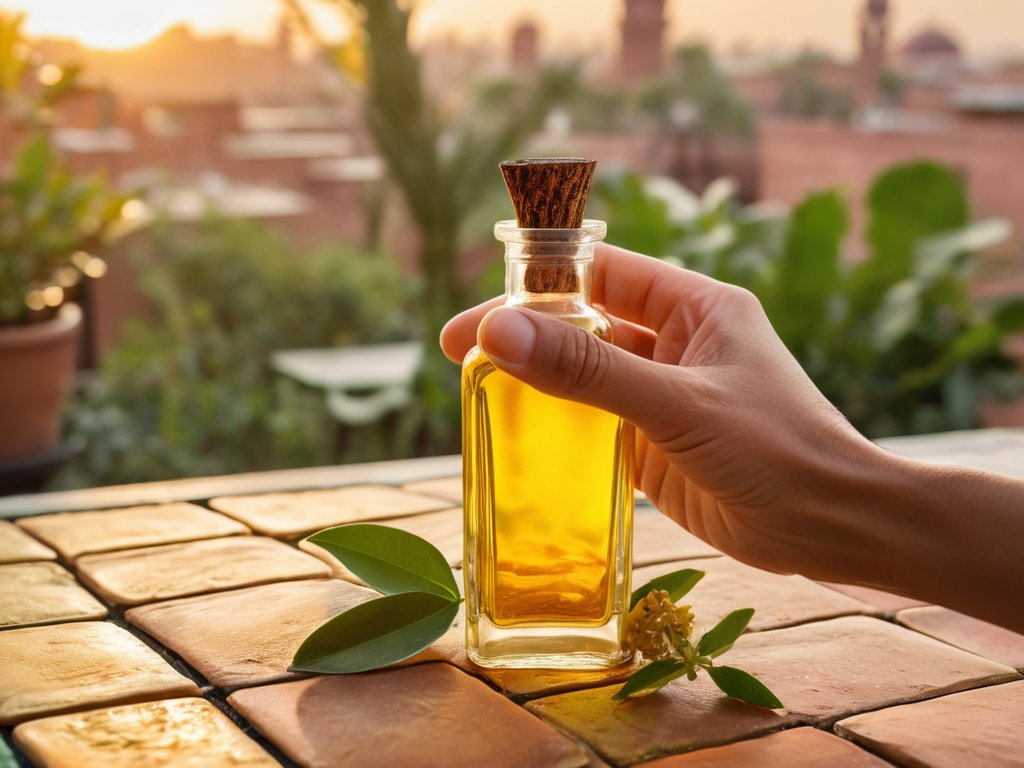
When I first sat on a rooftop in Marrakesh, the scent of orange blossom mingled with the heat of the market, and I realized that how to blend essential oils can become a quiet act of diplomacy. By pairing a grounding note of sandalwood with the bright lift of bergamot—both listed among the top therapeutic essential oils—you create a bridge between the calm of a British garden and the vibrant pulse of a South‑Asian bazaar. A few drops diluted in a carrier oil not only serve aromatherapy for stress relief, they also respect the aromatherapy safety guidelines that keep skin irritation at bay, reminding us that mindfulness begins with a responsible touch.
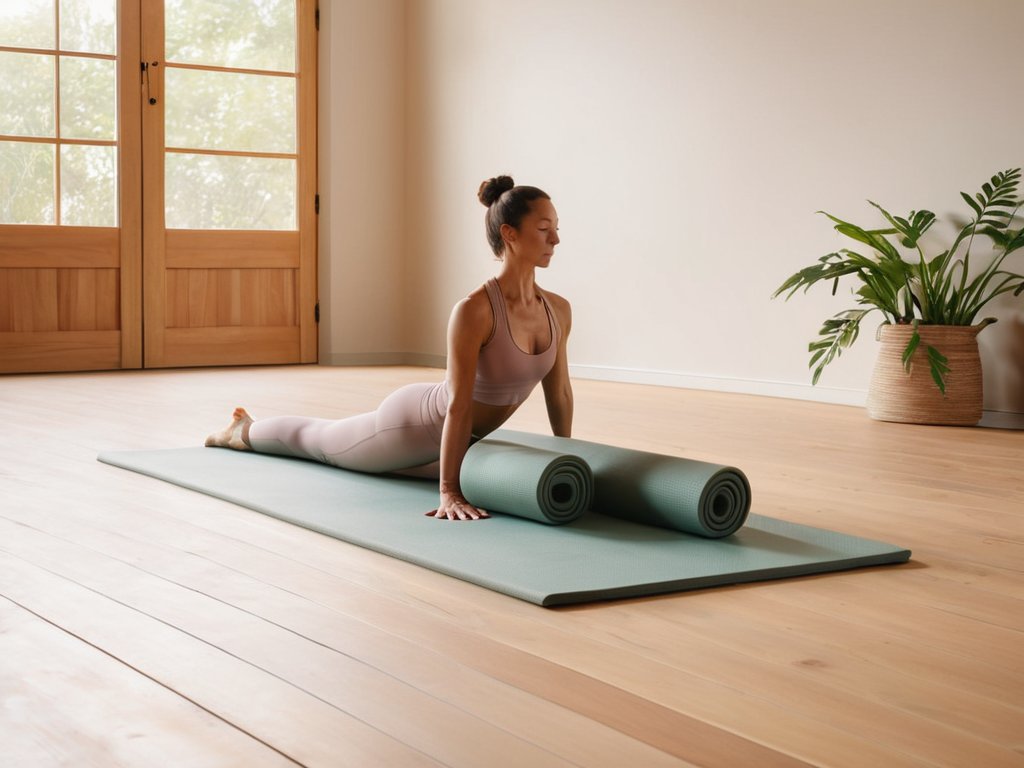
Later, I incorporated that same blend into my sunrise yoga flow on a mist‑kissed cliff in New Zealand. A few breaths of the mixture before sun salutations deepened the stretch, illustrating using aromatherapy in yoga practice as a subtle invitation to stay present. When the day winds down, I swap the citrus for lavender and a whisper of cedar, diffusing the combo for aromatherapy for sleep improvement; the gentle haze coaxes the mind toward rest while echoing lullabies heard in distant villages. In each setting, the fragrance becomes a shared language, inviting strangers to pause, breathe, and recognize the common threads that bind us.
Crafting Calm Blending Top Therapeutic Essential Oils for Stress Relief
When I wander a market in Marrakech, the orange blossom drifting from a stall conjures the citrus groves my grandmother tended in Delhi. I pull out my worn bottle of sweet orange essential oil and blend it with a few drops of calming lavender from the Provençal fields I visited on a diplomatic posting. The mixture in my palm instantly softens the city’s clamor, turning it into a hum.
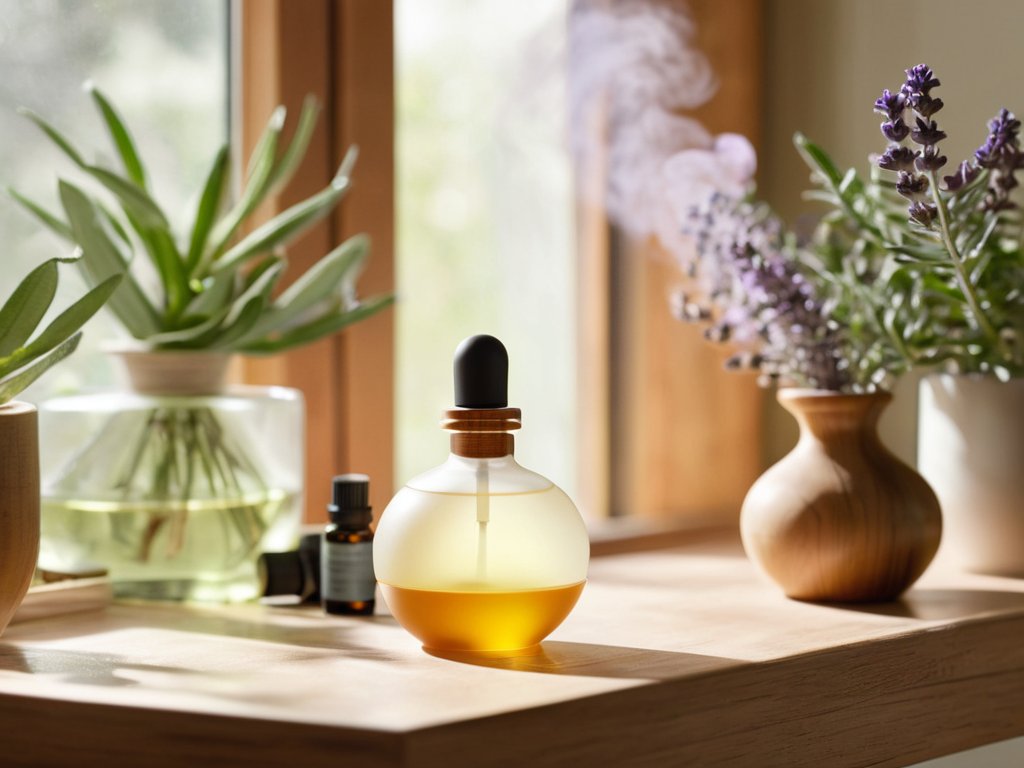
At home I keep an oil blend on my globe shelf: two parts lavender, one part sweet orange, and a whisper of ylang‑ylang—a nod to Bali’s fragrant temples where I first sensed scent’s meditative power. A drop in a diffuser or a roller bottle with oil creates a cloud of reassurance that travels from my London desk to Kathmandu’s rooftop terraces, reminding me that calm is a passport we can all stamp.
Safe Sanctuaries Aromatherapy Safety Guidelines for Yoga and Nighttime Slee
When I set up my mat in a modest riad overlooking the Atlas Mountains, I always treat the scent‑cloud around me like a quiet guest—inviting, but never overwhelming. For yoga, I dilute 1‑2 drops of lavender or sweet orange in a carrier such as fractionated coconut oil, then massage the blend onto the wrists, the inner elbows, or the soles of the feet; these pulse points let the aroma rise gently as you move through each asana. Keep the oil concentration below 3 % if you’re sharing the space, and never apply directly to the throat or face, where inhalation can become too intense. A quick patch test on the inner forearm—wait fifteen minutes—will tell you if a skin sensitivity lurks beneath the calming intention.
For bedtime, I prefer a low‑diffusion ceramic diffuser set on the lowest mist setting, paired with a calming mix of cedarwood, chamomile, and a whisper of vetiver. Place the diffuser at least three feet from the headboard to avoid direct inhalation, and turn it off after 30 minutes; the lingering scent is enough to coax the nervous system into a slower rhythm. Remember, a little goes a long way—especially when the goal is to slip into sleep, not to stay awake counting the fragrant notes.
Key Takeaways
A few drops of lavender, sandalwood, and lemongrass blended together create a universally calming scent that feels at home in both a London flat and a Delhi courtyard.
Safety isn’t optional: stick to recommended dilution ratios, ensure proper ventilation, and respect timing so aromatherapy enhances yoga or sleep without unintended side‑effects.
A portable ritual—just a cloth, a small diffuser, or even a personal inhaler—lets you turn any space into a calming sanctuary, carrying a piece of the world wherever you travel.
Scented Bridges: The Quiet Power of Aroma
In the gentle swirl of essential oils, we find a language that transcends borders—each breath a reminder that calm is a shared heritage, waiting to be inhaled and passed on.
Alexandra Thompson
Conclusion: Scented Pathways to Global Calm
Looking back over the journey we’ve taken together, we began with a clear, step‑by‑step roadmap that demystified the basics of diffusion, topical application, and mindful inhalation. We then explored crafting calm by selecting and blending top therapeutic essential oils—lavender, bergamot, and frankincense—to create a portable stress‑relief kit that feels as familiar as a passport stamp. The cultural thread ran through each recipe, reminding us that a single drop of sandalwood can echo a sunrise over the Thar Desert while a hint of ylang‑ylang whispers the rhythm of a Balinese market. Finally, the safety guidelines section equipped yogis and night‑time dreamers with practical tips—dilution ratios, ventilation, and skin‑patch testing—so every breath becomes a conscious, protected invitation to unwind.
For me, the most vivid reminder of aromatherapy’s power arrived in a remote highland village in the Andes, where a grandmother offered a single sprig of eucalyptus infused with the scent of fresh rain. In that fleeting moment, the fragrance became a passport, instantly linking my London‑born heart to centuries of Andean stewardship. I invite you to treat each bottle not just as a remedy, but as a story‑telling companion that carries the whispers of distant kitchens, prayer rooms, and sunrise meditations. When we breathe deliberately, we honor those unseen connections and, in turn, nurture a calmer, more empathetic world—one scented breath at a time.
Frequently Asked Questions
Can I safely use essential oils if I have allergies or skin sensitivities?
I’ve learned—that a soothing scent can provoke a reaction if you’re allergic or have sensitive skin. Begin with patch test: dilute one drop of essential oil in at least five drops of a carrier (jojoba or sweet almond) and apply to inner forearm for 24 hours. If redness or itching appears, avoid that oil. Favor low‑allergen choices like lavender, chamomile, or frankincense, and keep a scent‑journal. When unsure, a chat with a dermatologist turns it into safe practice.
What’s the best way to choose and combine carrier oils for my aromatherapy blends?
When I’m packing a satchel for a remote retreat, I ask what the skin needs: dry skin welcomes sweet‑almond or jojoba, while oily skin feels lighter with grapeseed or fractionated coconut. I then consider the scent’s journey—carriers like avocado let florals linger; neutral ones such as fractionated coconut keep focus on essential oil. I blend carriers 1:1, then add the oil at 2 % for massage or 1 % for diffusion, testing a drop on my wrist.
How can I incorporate traditional aromatherapy practices from different cultures into my daily routine?
I start my day by lighting a small stick of frankincense—an ancient Egyptian scent that steadies the mind before I sip tea. At lunch, I add a drop of Indian sandalwood oil to my water bottle, letting the earthy aroma travel with me like one of my vintage globes. In the evening, I diffuse Japanese yuzu peel for a bright, citrus lift, then finish with a Moroccan rose‑petal spray on my pillow. Each ritual feels like a tiny cultural passport, stitching global calm into my routine.