I’ve spent countless evenings in cramped kitchen corners—from a flat in London’s Camden to a shared balcony in New Delhi—pondering why the same handful of staples never seems to nourish both body and curiosity. When the pantry is stocked with convenience at the expense of culture, meals become a repeat of the familiar, and the world outside our windows feels a little farther away. That’s why I’m obsessed with crafting a balanced grocery list that feels like a passport, not a checklist, weaving together health, flavor, and the stories behind each ingredient.
In the next few minutes I’ll walk you through five pantry heroes that transform ordinary shopping trips into intentional acts of self‑care and cultural exchange. First, I’ll reveal how a simple bunch of leafy greens can anchor your meals in micronutrient stability. Then we’ll explore legumes that double as protein powerhouses and conversation starters at the dinner table. Third, I’ll introduce a versatile grain that carries centuries of migration routes in every bite. Finally, I’ll share two surprise staples—one sweet, one savory—that keep your palate curious while your body stays balanced.
Table of Contents
- Rooted Staples: Whole Grains & Legumes
- Colorful Canvas: Fresh Fruits & Vegetables
- Protein Palette: Ethical Animal & Plant Options
- Flavor Foundations: Herbs, Spices & Condiments
- Smart Sips: Water, Teas & Minimalist Dairy
- Key Takeaways for a Balanced Grocery List
- Balanced Grocery List: A Global Lens
- Wrapping Up: A Grocery List That Tells a Story
- Frequently Asked Questions
Rooted Staples: Whole Grains & Legumes
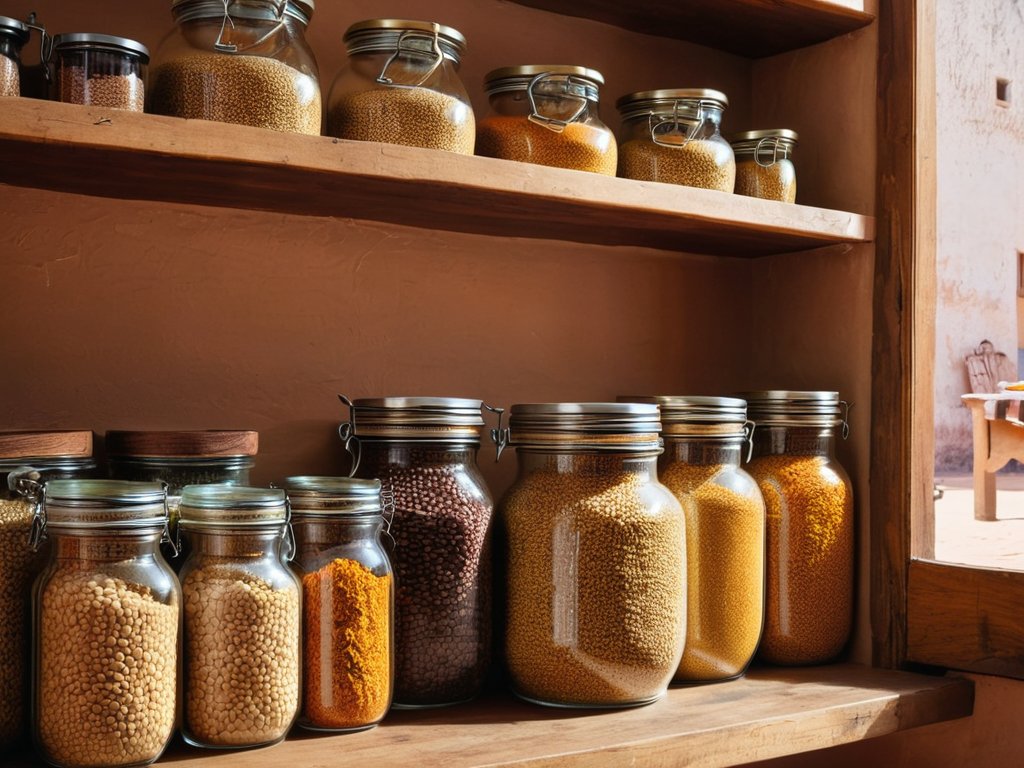
When I wander the bustling markets of Marrakech, the scent of couscous and simmering lentils reminds me that a balanced pantry starts with nutrient‑dense staples. I always keep a trio of quinoa, brown rice, and steel‑cut oats on hand; they’re versatile enough to bridge a quick breakfast and a hearty dinner, and they keep my energy steady during long reporting trips.
Storing these grains in airtight glass jars—my favorite vintage globes even double as pantry containers—helps preserve their natural oils and prevents pantry pests. I also rotate legumes like chickpeas and black beans every few weeks, so they stay fresh and I can toss them into salads, stews, or my beloved chana masala without a second thought.
Colorful Canvas: Fresh Fruits & Vegetables
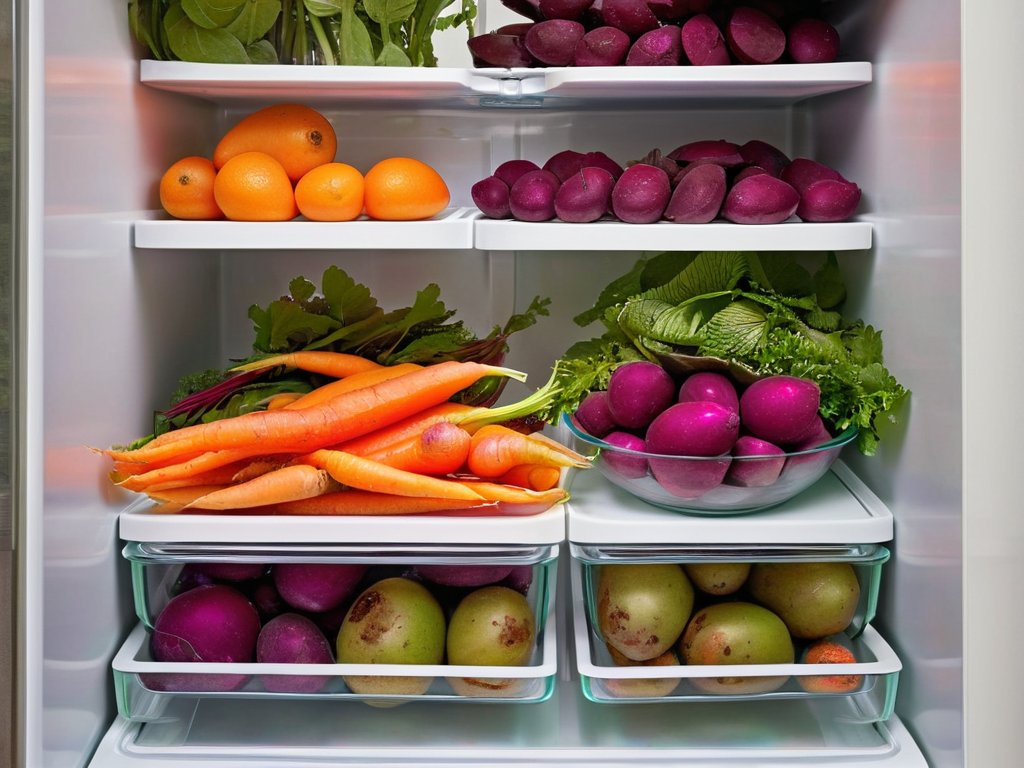
My most vivid memories are of strolling through a tiny hillside farm in the Andes, where the rows of purple potatoes and bright orange carrots seemed to paint the earth itself. I aim to bring that palette into my kitchen by choosing at least three colors of produce each week; it’s a simple visual cue that ensures I’m getting a rainbow of phytonutrients.
Back home, I treat my fridge like a temporary gallery—placing leafy greens on the top shelf, berries in clear bowls, and root vegetables in the crisper. This arrangement not only extends shelf life but also invites me to experiment with flavor pairings, like pairing tangy kiwi with earthy beetroot in a summer salad.
Protein Palette: Ethical Animal & Plant Options
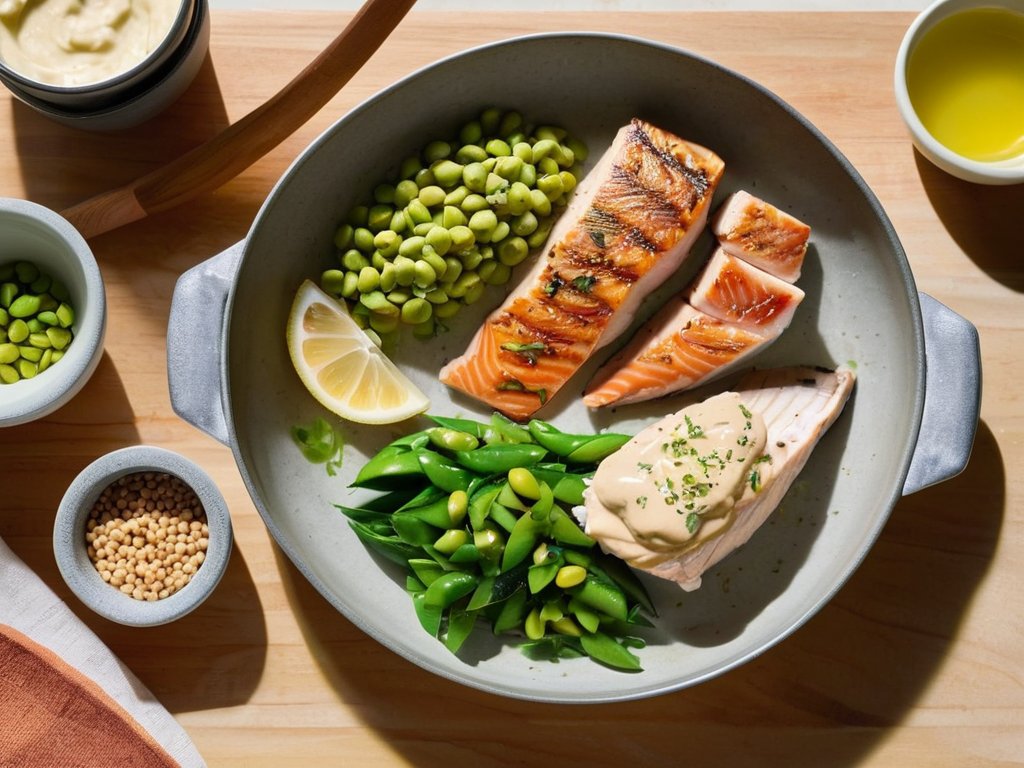
During a diplomatic delegation in Kyoto, I was served a delicate slice of grilled mackerel alongside a tofu stir‑fry, and it struck me how protein can be both sustainable and sumptuous. I now balance my list with responsibly sourced fish, free‑range poultry, and a handful of plant‑based proteins such as tempeh and edamame.
I keep a small freezer stash of marinated salmon fillets for quick meals, but I also reserve space for a bag of lentil pasta and a tub of hummus. This dual approach lets me pivot between a quick sushi bowl after a late‑night flight and a comforting chickpea curry when I’m home‑cooking for friends.
Flavor Foundations: Herbs, Spices & Condiments
On a research trip to Istanbul, I discovered a tiny spice shop where the air was thick with sumac and za’atar. Those aromas taught me that a balanced grocery list isn’t just about macronutrients; it’s also about the stories hidden in a pinch of flavor. I now keep a rotating selection of dried herbs—basil, cilantro, and rosemary—and a few exotic spices that spark curiosity.
A small jar of fermented kimchi, a bottle of quality olive oil, and a jar of miso paste have become my pantry’s conversation starters. When I add a spoonful of miso to a broth or a dash of smoked paprika to roasted vegetables, I’m reminded of the cultural bridges I’ve built, one taste at a time.
Smart Sips: Water, Teas & Minimalist Dairy
Traveling across the Scandinavian fjords, I learned the art of hydration through simplicity: crisp spring water, herbal teas, and modest dairy portions. I now prioritize a reusable water bottle and a selection of teas—green, rooibos, and a fragrant chai blend—so I stay hydrated while honoring my palate.
For dairy, I keep a modest carton of kefir and a block of aged cheddar, both of which add probiotic benefits and depth to meals without overwhelming the grocery basket. This mindful approach lets me enjoy a creamy smoothie in the morning and a cheese board at dusk, all while keeping my list lean and purposeful.
Key Takeaways for a Balanced Grocery List
A well‑rounded pantry starts with a mix of whole grains, lean proteins, and colorful produce—think of each aisle as a cultural conversation waiting to happen.
Prioritise versatility: choose ingredients that can be swapped across cuisines, allowing you to stretch fresh flavors into multiple meals without extra cost or waste.
Mindful budgeting isn’t about cutting corners; it’s about investing in staples that nourish both body and curiosity, turning everyday cooking into a global storytelling experience.
Balanced Grocery List: A Global Lens
A balanced grocery list isn’t just about nutrients on a plate; it’s a passport to the stories of farms, markets, and families that feed us, reminding us that every choice stitches a tighter thread in the tapestry of our shared humanity.
Alexandra Thompson
Wrapping Up: A Grocery List That Tells a Story
Looking back, the five pillars we built together—seasonal produce that mirrors the earth’s rhythm, plant‑based proteins that respect health and planet, whole‑grain staples that anchor every meal, ethically sourced fats that add richness without compromise, and a modest stash of pantry spices that carry stories from distant kitchens—show that a balanced grocery list is less a checklist and more a framework for mindful nourishment. By choosing items that are fresh, versatile, and responsibly sourced, we create meals that feed our bodies and curiosity, turning everyday cooking into a quiet act of cultural diplomacy. When we pair a crisp carrot from a local farm with a pinch of smoked paprika from Spain, the plate becomes a conversation between neighborhoods, and the grocery bag a passport.
I think of the grocery aisle as a miniature embassy, where each barcode is a tiny diplomat and every choice a vote for the world we want to inhabit. The next time you reach for fermented beans or heirloom tomatoes, pause and imagine the hands that cultivated them, the stories they carry, and the conversations they could spark around your table. Let curiosity guide your cart, turning routine shopping into stewardship—nurturing health, honoring labor, and stitching together the diverse tapestry of our shared humanity. Let your next grocery run be less a chore and more a passport stamp for the palate.
Frequently Asked Questions
How can I adapt a balanced grocery list to accommodate dietary restrictions like gluten‑free or vegan needs?
When I draft a grocery list for a family dinner in Delhi or a market in Reykjavik, I start by mapping the core food groups onto the dietary map. For gluten‑free meals, I swap wheat staples for rice, quinoa or millet and keep certified gluten‑free flour. For vegans, I replace dairy with fortified plant milks, nuts and legumes, adding fresh herbs for flavor. The key is to keep protein, fiber and healthy fats balanced, regardless of restriction.
What’s the best way to keep fresh produce from spoiling before I get a chance to use it?
I’ve learned that a bit of foresight turns a fridge into a mini‑market respecting the harvest. First, wrap leafy greens in a damp paper towel and slip them into a perforated bag; the moisture stays, the air circulates. For berries, spread them on a single‑layer tray, cover loosely with a cloth, and store in the coldest drawer. Keep ethylene‑producing fruits—bananas, apples—away from veg, and give mushrooms a paper‑bag home. A rinse just before use, not before storage, preserves crunch.
How do I budget for a nutritionally balanced list without breaking the bank?
I start each month by jotting down the staples I need—lentils, brown rice, seasonal veg, a few fresh herbs, and a modest protein source. I then scout local markets for the day‑old produce that’s still vibrant but discounted, and I pull the cheaper cuts of meat or plant‑based alternatives onto the list. By anchoring my meals around these low‑cost foundations, I can splurge on one or two “global” ingredients—like a spice blend or a small cheese—and still keep the whole week nutritionally balanced without blowing my budget.