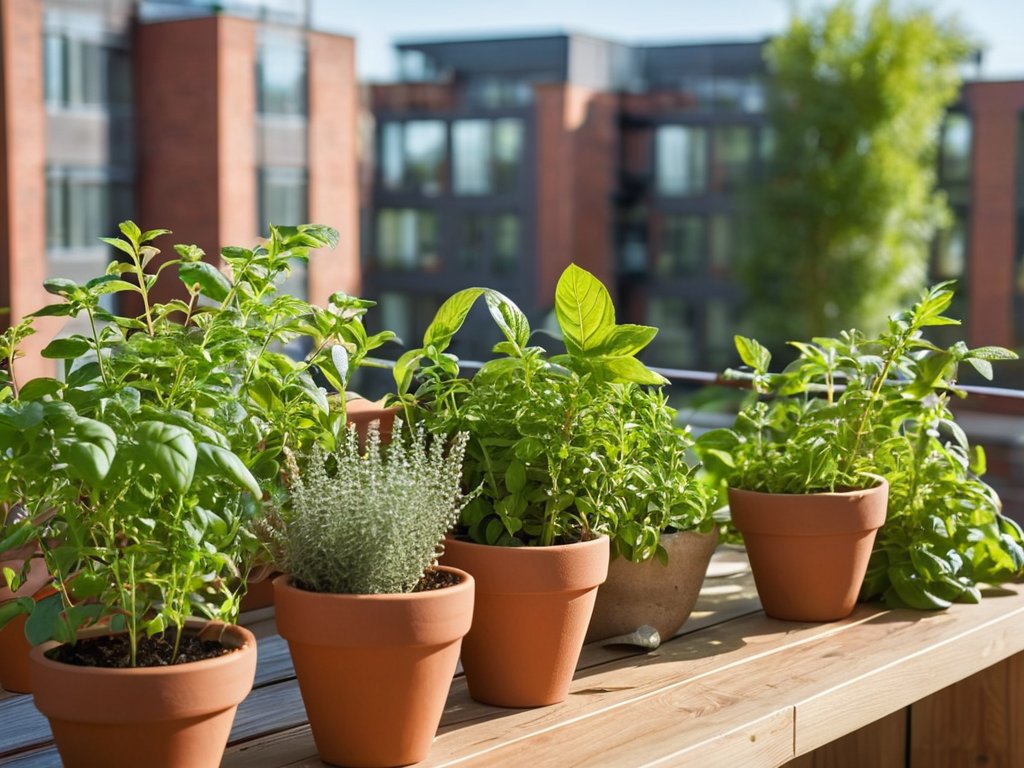
Most people assume that growing your own herbs demands a sprawling backyard and a green‑thumb pedigree—an idea I chased across the rooftops of Delhi and the cramped flats of London, only to discover the truth is far simpler. The real secret? A sunny windowsill, a modest pot, and a pinch of curiosity can out‑produce a garden plot. I still remember the first time I coaxed a shy basil seedling to break through the soil of a battered kitchen windowsill in a tiny hostel room; it felt like a diplomatic breakthrough, a small treaty between me and the earth.
In the next few pages I’ll strip away the jargon and give you a no‑hype, step‑by‑step roadmap: choosing the right varieties for your climate, mastering the light‑water balance, troubleshooting common pests without chemicals, and harvesting at the peak of flavor. I’ll sprinkle in anecdotes from my travels—how a Moroccan mint garden taught me the art of continuous pruning, and why a Japanese shiso leaf can transform a simple soup into a conversation starter. By the end, you’ll have a thriving herb cabinet that feeds both palate and curiosity.
Table of Contents
- Project Overview
- Step-by-Step Instructions
- Cultivating Connection Growing Your Own Herbs for Global Dialogue
- How to Start an Indoor Herb Garden With Purpose
- Organic Pest Control for Herbs Safeguarding Cultural Heritage
- Five Essential Tips for Thriving Herb Gardens
- Key Takeaways for a Purposeful Herb Garden
- Rooted Reflections
- A Closing Thought: Herbs as Bridges
- Frequently Asked Questions
Project Overview
Total Time: 1 hour 30 minutes
Estimated Cost: $20 – $40
Difficulty Level: Easy
Tools Required
- Trowel or small hand shovel
- Watering can or spray bottle
- Garden scissors or pruning shears
- Measuring cup ((for fertilizer))
- Gloves ((optional, for soil handling))
Supplies & Materials
- Herb seeds (e.g., basil, parsley, mint, thyme)
- Potting mix (well‑draining)
- Containers or pots (6 inches diameter or larger)
- Seed trays or peat pellets (for germination)
- Organic liquid fertilizer (once a month)
- Label tags (to mark herb varieties)
Step-by-Step Instructions
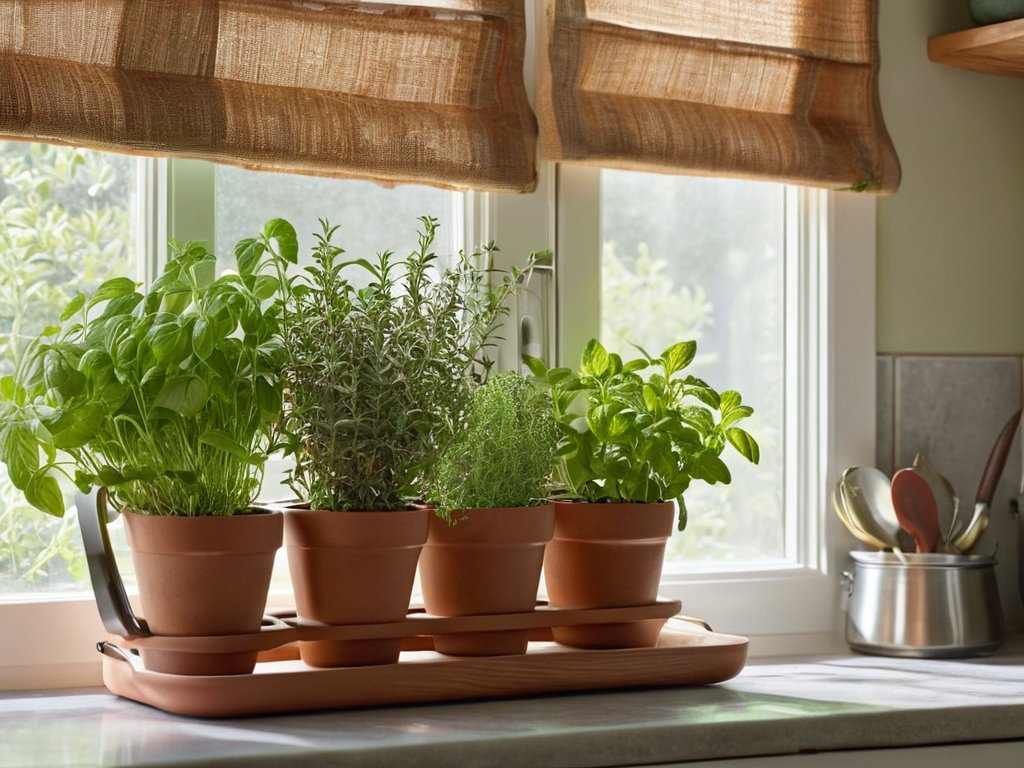
- 1. First, I pick the herbs that speak to my own story—whether it’s fragrant basil that reminded me of a Delhi kitchen, or resilient rosemary echoing the cliffs of Cornwall. I choose pots with drainage holes, line them with a thin layer of gravel, and place the containers where a sunny window or a modest balcony can catch at least six hours of light each day.
- 2. I blend a light, well‑draining soil mix using two parts potting compost, one part coconut coir, and a sprinkle of perlite; this combination mimics the airy soils I’ve encountered in the highlands of Ethiopia. After moistening the mix until it feels like a damp sponge, I fill each pot, leaving a small gap at the top for watering.
- 3. Sowing is a quiet ritual: I scatter the tiny seeds over the surface, lightly press them into the soil, and cover them with a thin veil of the same mix—just enough to keep them snug but not smothered. For seedlings, I gently loosen the root ball and nestle them into the prepared pots, ensuring the crown sits just above the soil line.
- 4. I position the pots where they can bask in bright, indirect sunlight, rotating them every few days so every side receives equal exposure. In winter, I supplement with a modest grow‑light placed about a foot above the foliage, mimicking the evening glow of a Mediterranean courtyard.
- 5. Consistent care is the heartbeat of the garden: I water with a fine spray until water drips from the drainage holes, then let the top inch of soil dry before the next drink. I pinch off any spindly shoots and trim regularly to encourage bushier growth, remembering that each snip releases a fresh aroma that can fill an entire room.
- 6. When the leaves reach a vibrant size, I harvest by cutting just above a leaf node, using clean scissors to avoid shocking the plant. I rinse the herbs, pat them dry, and either use them immediately, dry them on a screensaver for future teas, or share a handful with neighbors—turning a simple kitchen garden into a small network of cultural exchange.
Cultivating Connection Growing Your Own Herbs for Global Dialogue
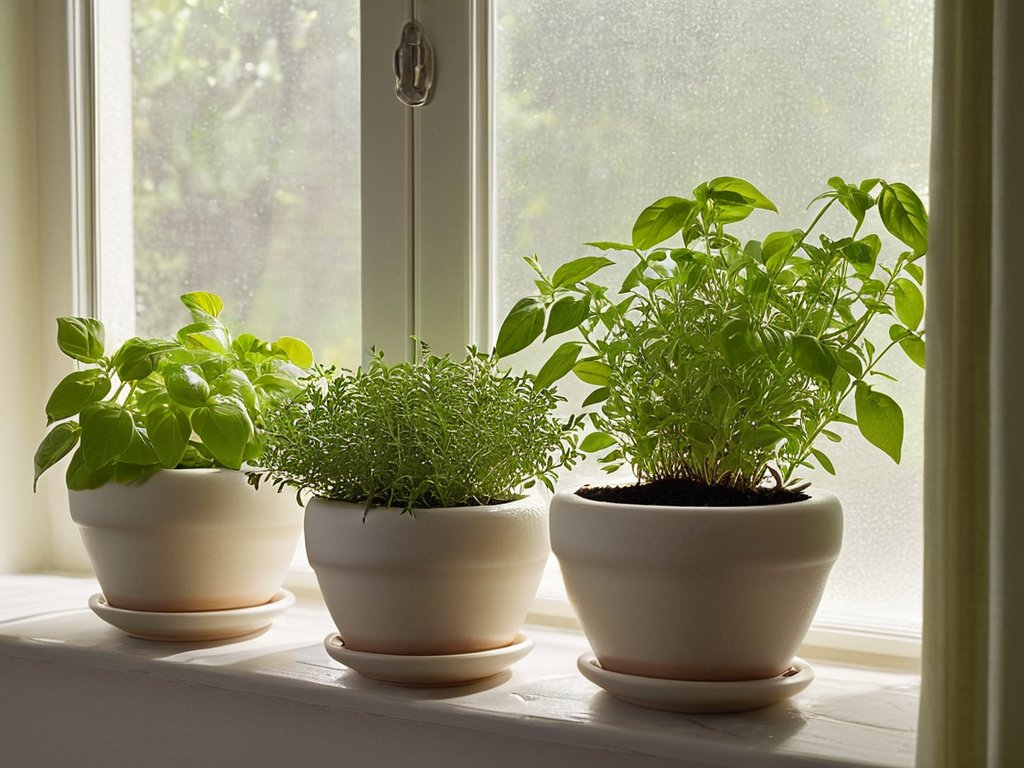
When I first asked myself how to start an indoor herb garden, I imagined a tiny embassy on my windowsill—each pot a diplomatic envoy, each scent a whispered story from another continent. The secret often lies in the best soil mix for herbs: a light blend of peat, perlite, and a dash of composted leaf mold gives roots room to breathe while retaining just enough moisture. I set a simple herb garden watering schedule—tap the saucer every morning, then let the tray dry by dusk—so the plants stay hydrated without drowning, mirroring the balance I once struck between negotiation and compromise.
Later, I discovered that herb pruning techniques are more than aesthetics; a gentle trim encourages bushier growth and keeps flavors bright, much like a well‑timed conversation keeps dialogue lively. I also enjoy companion planting with herbs—tucking basil beside tomatoes or rosemary near carrots—to let their natural aromas act as organic pest control for herbs, reducing the need for chemicals. By rotating varieties seasonally, I achieve year‑round herb cultivation, turning my modest balcony into a continuous cultural exchange where every sprig carries a story waiting to be shared over a cup of tea.
How to Start an Indoor Herb Garden With Purpose
When I first set foot in a modest London flat, the only green I could cling to was a wilted basil sprig rescued from a Delhi market. Rather than let it wither, I planted it in a repurposed tea tin and declared the act a protest—showing that flavors cross borders. An indoor herb garden becomes a pocket of cultural memory, keeping my family’s aromas alive while inviting new, shared stories into the space.
I start with three herbs that map my diaspora: mint for the Mediterranean, coriander for South Asia, and rosemary echoing the English countryside. Using vintage glass globes from my collection, I fill each with soil, label them with their region, and watch seedlings push toward the light. Once sturdy, I host a cooking circle with friends from Mumbai to Manchester, swapping recipes and stories—showing that an indoor garden can bridge continents.
Organic Pest Control for Herbs Safeguarding Cultural Heritage
Each time an aphid kisses a basil leaf, I recall Delhi’s bustling bazaars where vendors kept cilantro safe with clove bundles, and English cottage gardens where rosemary hung to deter moths. Those time‑tested tricks are more than folklore; they’re the cultural threads that tie our herbs to their histories.
My go‑to organic shield is a neem‑garlic mist: blend one tablespoon cold‑pressed neem oil, a clove of crushed garlic, a pinch of chili powder, and a cup of water, then spray at sunrise. I plant marigolds alongside thyme; their orange blooms release compounds that repel nematodes, a practice echoed in Mexican milpas. A light dusting of diatomaceous earth around mint creates a barrier against slugs, while lavender, a staple on Mediterranean balconies, keeps moths at bay. These gentle methods protect the garden and honor the heritage each herb carries in our kitchens every day.
Five Essential Tips for Thriving Herb Gardens
- Choose a sunny windowsill or a well‑lit indoor nook; most herbs crave 6‑8 hours of indirect light daily.
- Use high‑quality, well‑draining potting mix and repot every spring to prevent root congestion.
- Water consistently but avoid soggy soil—feel the top inch; if it’s dry, give a light drink.
- Harvest regularly by snipping just above a leaf node to encourage bushier growth and prevent legginess.
- Rotate your herbs every few weeks to ensure even light exposure and to keep pests from settling in.
Key Takeaways for a Purposeful Herb Garden
A modest indoor herb garden can become a bridge between cultures—choose varieties that tell a story, from Mediterranean basil to Indian cilantro, and share their culinary roots with friends and family.
Sustainable, organic pest control isn’t just about healthier plants; it’s a nod to traditional practices that have protected crops for generations across continents.
Consistent care—light, water, and love—turns a simple kitchen windowsill into a living laboratory where you can taste, learn, and spark global conversations with every fresh leaf.
Rooted Reflections
When I tend a basil leaf on my kitchen windowsill, I’m not just cultivating flavor—I’m nurturing a dialogue between the spice markets of Delhi, the herb gardens of Tuscany, and the stories that bind us across continents.
Alexandra Thompson
A Closing Thought: Herbs as Bridges
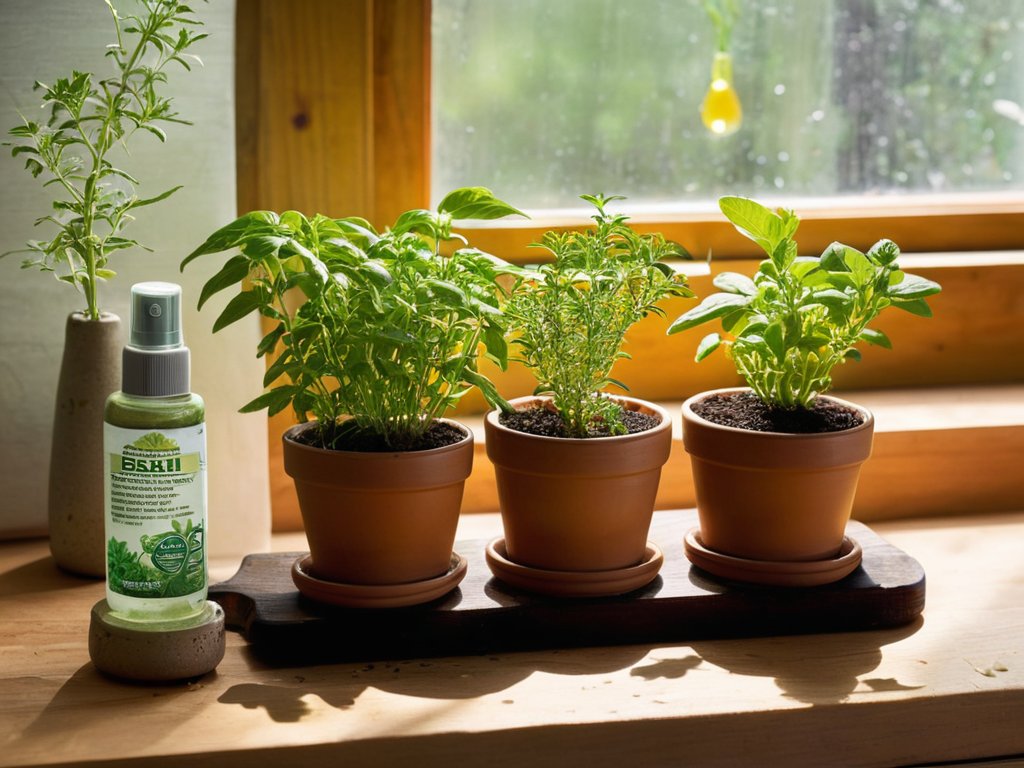
In the pages that led us here, I walked you through the practical backbone of a thriving herb sanctuary: selecting resilient varieties like basil, mint, and coriander; preparing a windowsill with organic soil; mastering the rhythm of watering just enough to keep roots moist but never soggy; and giving each plant its own slice of sunshine or a modest LED halo. We also unpacked the little‑scale tactics of organic pest control—from neem‑infused sprays to companion planting—that keep unwanted intruders at bay without compromising the purity of flavor. By anchoring these steps in a purpose‑driven framework, the indoor herb garden becomes more than a kitchen shortcut; it transforms into a living laboratory for cultural curiosity.
Now imagine each sprig you harvest as an ambassador, whispering stories of the markets of Marrakech, the terraced farms of the Andes, and the rooftop gardens of Tokyo. When we share a pinch of rosemary at a family dinner or gift a pot of cilantro to a neighbor, we are stitching a thread of global dialogue that links kitchens, cultures, and generations. I invite you to let your herbs grow beyond the pot—document their progress, trade seed cuttings across borders, and let the aromas become conversation starters at community gatherings. In nurturing these plants, we nurture our own capacity to listen, learn, and celebrate the shared heritage that flavors our world.
Frequently Asked Questions
What are the most climate‑resilient herbs I can grow indoors if I move frequently between London and Delhi?
I’ve found that a few hardy herbs thrive whether I’m tucked into a London flat or a Delhi apartment. Basil “Genovese” tolerates temperature swings, especially when kept on a sunny windowsill; rosemary is drought‑tolerant and loves the dry Delhi heat but survives London’s cooler drafts. Mint (peppermint) is forgiving of low light, and thyme handles both humidity and occasional neglect. All three need well‑draining soil and a splash of sunlight each day.
How can I preserve the traditional culinary uses of each herb while keeping my garden organic and pest‑free?
First, I dive into the stories behind each leaf—scrapbooks, family elders, or regional cookbooks—to note the spice’s signature pairings and preparation methods. I then label my pots with those culinary cues, so the garden itself becomes a recipe card. To stay organic, I practice companion planting (marigold beside basil, rosemary with beans), trap‑crop nasturtium for aphids, and finish with a light spray of neem or homemade garlic‑pepper tea whenever pests appear, and store them for winter.
Can I involve my community—neighbors or online cultural groups—in a shared herb‑exchange to broaden our culinary horizons?
Absolutely—think of a “herb‑swap circle” as a living tapestry of flavors and stories. Start by inviting neighbors or an online cultural forum to list the herbs they grow, then set a simple schedule—weekly or monthly drop‑offs at a community hub or a virtual “potluck” photo board. Include a brief note with each bundle: the herb’s origin, a favorite family recipe, and any folklore attached. This ritual not only diversifies your pantry but also weaves personal narratives across borders, turning every leaf into a conversation.