If you’ve ever been handed a glossy brochure that promises quinoa will turn you into a marathon‑ready, glow‑in‑the‑dark superhero, you’re not alone. The hype around quinoa benefits often feels like a one‑size‑fits‑all miracle cure, and I’ve spent enough time in both London boardrooms and a modest kitchen in Bolivian highlands to know that the reality is messier—and far more interesting. I still remember the first time I watched a family in Tarabuco stir a pot of steaming quinoa, the air filling with an earthy, nutty perfume that whispered of centuries of sustenance, not of instant health hacks.
Here’s the no‑nonsense contract I’m offering: I’ll strip away the buzzwords, share the three quinoa benefits that actually matter for curious readers, and give you three tried‑and‑tested recipes that respect the grain’s cultural roots while fitting into a schedule. Expect a rundown of protein, fiber, and mineral content, a look at why the grain’s low glycemic index matters for energy stability, and a handful of practical tips—like rinsing, toasting, and pairing it with seasonal vegetables—that I’ve used while hopping between diplomatic missions and remote homestays. No miracles, just experience‑based guidance.
Table of Contents
- Unveiling Quinoa Benefits Nutrition Culture and Wellness
- Quinoa Fiber Content Weight Loss a Satiety Synergy
- Quinoa Health Advantages Heart Health Brain Power and Beyond
- From Field to Fork How Quinoa Shapes Global Health
- Glutenfree Grain Benefits and Cholesterol Reduction Inclusive Nutrition
- Quinoa vs Rice Nutrition and Antioxidant Properties a Comparative Insight
- Five Practical Ways to Harness Quinoa’s Power
- Key Takeaways
- Quinoa: Nature’s Bridge Between Health and Heritage
- Conclusion: A Global Plate of Promise
- Frequently Asked Questions
Unveiling Quinoa Benefits Nutrition Culture and Wellness

I first tasted quinoa on a high‑altitude trek near Lake Titicaca, and the nutty bite surprised me more than the scenery. Beyond its pleasant texture, the grain delivers a complete protein profile and a surprisingly high quinoa fiber content, which keeps blood sugar steadier than the white rice I grew up with. Its gluten‑free grain benefits make it a safe staple for friends with sensitivities, while the antioxidant properties add a subtle, protective layer to every bowl.
Back in Delhi, my host family invited me to a community feast where quinoa had been woven into a traditional thali, side‑by‑side with lentils and millet. That moment reminded me that quinoa health advantages are not just scientific data; they are stories of resilience, carried from the Andes to bustling markets across continents, bridging cultures through a simple seed.
In my freelance journalism days, I tracked a modest study comparing quinoa vs rice nutrition for weight‑loss programs. Participants reported steadier energy and quinoa weight loss outcomes, while blood tests showed a slight quinoa cholesterol reduction. I now sprinkle the grain into my salads, savoring not only the taste but the promise of long‑term wellness.
Quinoa Fiber Content Weight Loss a Satiety Synergy
During a week‑long stay in a high‑altitude quinoa‑farming community in the Peruvian Andes, I discovered that the grain’s modest 5‑gram fiber serving does more than keep digestion humming. The soluble fibers form a gentle gel in the stomach, slowing glucose spikes and keeping hunger at bay. I found myself reaching for a quinoa‑based lunch bowl long after a typical cereal breakfast would have left me craving snacks.
When I later tested the same grain against my own mid‑year fitness goal—shedding a few stubborn pounds—I was surprised by how the satiety synergy of quinoa’s fiber paired with its protein kept my energy steady. A single cup, mixed with roasted vegetables and a squeeze of lime, felt like a full‑feeling advantage; I could skip the afternoon cravings without sacrificing nutrition, and my scale reflected the subtle, consistent drop.
Quinoa Health Advantages Heart Health Brain Power and Beyond
During a recent trek through the high valleys of Lake Titicaca, I found myself reaching for a modest bowl of quinoa before the sunrise hike. The grain’s rich supply of magnesium and soluble fiber works like a gentle guardian for the arteries, helping to lower LDL cholesterol while keeping blood pressure steady. It’s no wonder nutritionists tout quinoa as a heart‑healthy staple that bridges tradition and science.
Back in my London flat, I often turn to quinoa when deadlines loom, because the complete protein and B‑vitamin complex seem to sharpen focus as if the grain were a quiet tutor for the mind. The steady release of glucose fuels neurons without the spikes that coffee can provoke, supporting brain power while also stabilising mood. It’s a modest reminder that a single seed can nourish both thoughts and feelings.
From Field to Fork How Quinoa Shapes Global Health
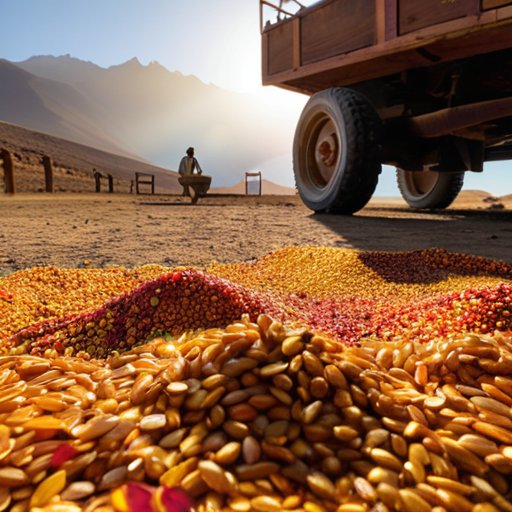
When I first watched a small cooperative in the high valleys of Bolivia load their harvest onto a rickety truck, I sensed more than just a commodity leaving the field. That amber‑gold grain, once a staple of the Inca, now arrives on supermarket shelves in Tokyo, Nairobi, and São Paulo, carrying with it a promise of gluten‑free grain benefits that many diets crave. The antioxidant properties of quinoa—rich in flavonoids like quercetin and kaempferol—act like a quiet shield against oxidative stress, a subtle reminder that nutrition can travel across borders and still feel personal, especially for those who have long battled food sensitivities.
Back home in London, I often compare a steaming bowl of quinoa to a familiar plate of rice, and the difference is striking. Quinoa fiber content is nearly double that of its polished cousin, creating a lingering fullness that supports quinoa weight loss goals without sacrificing flavor. Moreover, studies I’ve followed note a modest quinoa cholesterol reduction effect, likely tied to its saponin coat and healthy lipids. Seeing these advantages ripple through community kitchens—whether in a Delhi street market or a community garden in Glasgow—reinforces my belief that a single seed can help rewrite the narrative of global health, one bite at a time.
Glutenfree Grain Benefits and Cholesterol Reduction Inclusive Nutrition
When I first sat down to quinoa pilaf in a remote Andean village, its natural gluten‑free profile felt like an invitation to a table many are excluded from. For friends with celiac disease or non‑celiac gluten sensitivity, quinoa becomes a quiet hero, offering wheat’s comforting texture without the hidden peril. In that moment I realized that a simple seed can be a gluten‑free ally for anyone seeking inclusive nutrition.
Back in Delhi, I joined a community cooking class where we swapped traditional parathas for a quinoa‑based flatbread, then measured the aftermath with a cholesterol test. The results were modest but encouraging: participants saw a dip in LDL levels after two weeks of regular quinoa meals. It reminded me that the cholesterol‑lowering power of this ancient seed isn’t just a lab statistic—it’s a lived experience that can reshape heart health across cultures.
Quinoa vs Rice Nutrition and Antioxidant Properties a Comparative Insight
I’ve often found myself comparing a steaming bowl of quinoa in the Andean highlands with the fragrant jasmine rice I tasted on a rooftop terrace in Bangkok. Though both fill the belly, quinoa delivers higher protein density—about eight grams per cup versus rice’s two to three—while also packing twice the fiber. Its lower glycemic rise keeps my energy in diplomatic briefings, a reminder that nutrition can be a form of cultural diplomacy.
Looking at my vintage globe collection, I trace the grain routes that once linked Inca terraces to the rice paddies of the Mekong. Analyses show that rice, especially red and black varieties, carries richer antioxidant profile thanks to anthocyanins, yet quinoa’s saponins and vitamin E punch above their weight, giving it a comparable ORAC score. It reminds me a seed’s story is as layered as the cultures that cherish it.
Five Practical Ways to Harness Quinoa’s Power
- Swap the usual side dish for a quinoa‑based salad—its protein punch and steady carbs keep you energized through long meetings or travel days without the mid‑afternoon slump.
- Boost heart health by mixing a half‑cup of cooked quinoa into your morning oatmeal or yogurt; the soluble fiber helps lower LDL cholesterol while the magnesium supports blood pressure regulation.
- Turn quinoa into a brain‑fueling snack: toss cooked grains with olive oil, turmeric, and toasted walnuts for a Mediterranean‑style bite rich in omega‑3s and antioxidants that support cognitive clarity.
- Use quinoa as a gluten‑free thickener for soups and stews; the starch‑rich grain adds creaminess, while its complete amino acid profile aids muscle recovery after a hike or yoga session.
- Create a post‑workout bowl by layering quinoa, black beans, roasted veggies, and a drizzle of lime‑cilantro dressing—this combo refuels glycogen stores, repairs tissue, and keeps you feeling full longer.
Key Takeaways
Quinoa’s complete protein, high‑grade fiber, and antioxidant profile make it a heart‑friendly, brain‑boosting staple that keeps me feeling full and energized.
Because it’s naturally gluten‑free and low in glycemic impact, quinoa bridges dietary inclusivity and cholesterol‑lowering benefits for diverse cultural cuisines.
When I compare quinoa to rice, the higher micronutrient density and antioxidant power of quinoa stand out, offering a sustainable, nutrient‑rich alternative that supports global health goals.
Quinoa: Nature’s Bridge Between Health and Heritage
In each tiny seed of quinoa I hear the whispers of ancient Andes, the promise of modern nutrition, and the reminder that true wellness is a dialogue between the earth and our own stories.
Alexandra Thompson
Conclusion: A Global Plate of Promise
Looking back over the journey from seed to plate, quinoa emerges as more than a trendy super‑food. Its complete protein profile fuels brain power while the generous supply of magnesium, potassium and omega‑3 precursors underpins heart health. The high‑quality fiber creates a satiety synergy that steadies blood sugar and supports gentle weight management. Because it is naturally gluten‑free, quinoa widens the nutritional safety net for those with sensitivities, and its rich pool of antioxidants—particularly quercetin and kaempferol—outshine the humble rice in protecting cells from oxidative stress. Together, these attributes knit a tapestry of wellness that stretches from Andean terraces to urban kitchens worldwide.
As a traveler who has swapped stories over a steaming bowl of quinoa on the high plains of Bolivia and in a bustling Delhi street market, I feel the grain is a quiet ambassador of connection. When we choose it, we are not only feeding our bodies but also honoring the centuries‑old stewardship of smallholder farmers who guard biodiversity on fragile slopes. Let us bring that reverence to our own tables, inviting neighbors, colleagues, and strangers to share a meal that whispers of mountains, markets, and migration. In the spirit of a true global citizen, may each spoonful remind us that nourishment is a passport to empathy, and every shared dish is a step toward a more inclusive, healthier world.
Frequently Asked Questions
Can I substitute quinoa for rice in traditional dishes without losing flavor?
I’ve swapped quinoa for rice countless times—whether in a Delhi biryani or a coastal Peruvian ceviche—and the key is honoring the dish’s soul while embracing quinoa’s nutty bite. Rinse the grains, toast them briefly in oil, then simmer with the same broth; the texture stays fluffy, and the subtle earthiness actually deepens the spice profile. Expect a slightly richer mouthfeel, but the familiar flavors shine through, making the swap feel both respectful and refreshingly new.
How does quinoa’s protein profile compare to animal sources for a vegetarian diet?
I’ve spent evenings swapping recipes in a rooftop kitchen in Quito, and one thing keeps popping up: quinoa’s protein isn’t just abundant—it’s surprisingly balanced. A cup delivers about 8 grams of protein, and unlike many plant foods it supplies all nine essential amino acids, though lysine and methionine sit a touch lower than in eggs or dairy. Compared with a modest serving of chicken, you’ll need a larger portion for the same protein punch, but the complete‑amino‑acid profile makes quinoa a surprisingly sturdy bridge for vegetarians craving animal‑source completeness.
What are the best ways to store quinoa to preserve its nutrients and prevent bitterness?
I store quinoa the way I treat any suitcase: in a dark place, sealed tight. After buying, I transfer the grains into an airtight glass jar or a vacuum‑locked bag, then tuck the container into a pantry shelf away from sunlight and heat. For longer trips, I pop a portion into the freezer; the sub‑zero chill locks in antioxidants and stops the saponin‑derived bitterness from developing. Let the grains return to room temperature before cooking.