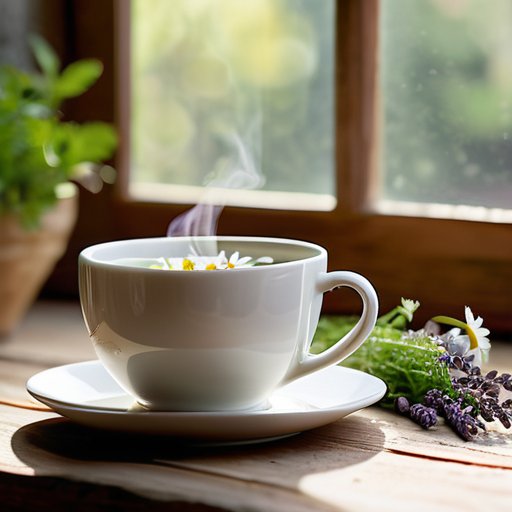
The kettle hisses, steam curling around my fingers as I stare at the peaks beyond the balcony of a guesthouse in the Himalayas. A local woman, her hands stained with tea leaves, offers me a cup and says, “This will quiet the mind more than any prayer.” I sip, and for the first time since my days in diplomatic corridors, the anxiety that has followed me across time zones seems to dissolve. That moment taught me that herbal teas for stress relief are not just a trendy wellness fad—they are centuries‑old negotiations between plant and pulse.
In the next minutes I’ll walk you through the no‑hype, hands‑on steps I use whenever I need to reset—how to choose a blend that matches your nervous system, the exact water temperature that unlocks the calming compounds, and a simple three‑minute ritual that turns a busy kitchen into a sanctuary. You’ll also learn which myths to discard (like “more is better”) and how to honor the cultural stories that have kept these infusions alive for generations. By the end, you’ll have a toolkit to brew calm on demand, wherever you are.
Table of Contents
- Project Overview
- Step-by-Step Instructions
- Herbal Teas for Stress Relief Global Paths to Calm
- Discover the Best Calming Tea Blends for Anxiety
- How to Brew Stress Relief Tea Steeping Times Secrets
- Steep into Serenity: 5 Essential Tips for Herbal Tea Stress Relief
- Key Takeaways for a Calmer Cup
- Steeping Calm Across Cultures
- A Sip of Serenity: Final Thoughts
- Frequently Asked Questions
Project Overview
Total Time: 15 minutes
Estimated Cost: $10 – $20
Difficulty Level: Easy
Tools Required
- Kettle or pot ((for boiling water))
- Tea infuser or strainer ((or a teapot with built‑in strainer))
- Measuring spoons ((1‑teaspoon and ½‑teaspoon))
- Mug or teacup
Supplies & Materials
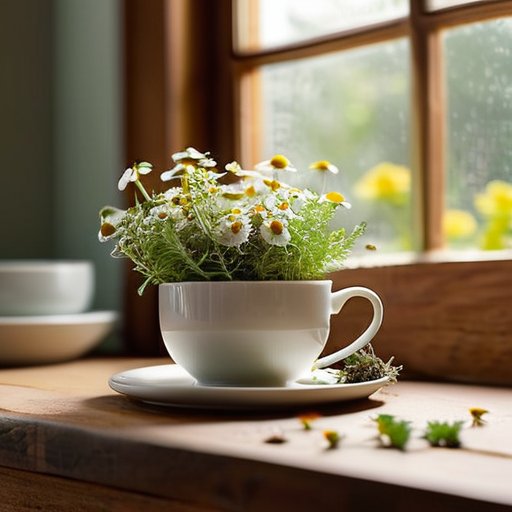
- Chamomile flowers (dried) (1‑teaspoon per cup)
- Lemon balm (dried) (½‑teaspoon per cup)
- Lavender buds (dried) (¼‑teaspoon per cup)
- Passionflower (dried) (½‑teaspoon per cup)
- Honey or maple syrup (optional, to taste)
- Fresh lemon slice (optional, for garnish)
Step-by-Step Instructions
- 1. First, I scout the pantry or market for the right herb—whether it’s calming chamomile from the Balkans, grounding lavender from Provence, or soothing ashwagandha leaves from the foothills of the Himalayas. Choose one that resonates with your mood and the story you want the tea to tell.
- 2. Next, I verify the quality. Look for bright, unblemished leaves or flowers, and if possible, pick organic or sustainably harvested batches. A quick sniff should reveal a fresh, aromatic scent; any musty notes mean the herbs have lost their potency.
- 3. Then, I heat the water to the perfect temperature—usually just shy of a rolling boil, around 90‑95 °C (194‑203 °F) for delicate blooms, and a full boil for heartier roots. Using a temperature‑controlled kettle helps preserve the subtle compounds that calm the nervous system.
- 4. Now I measure the herbs, typically one teaspoon of dried material per cup, or a generous tablespoon of fresh blossoms. I place them in a tea infuser or a small muslin bag, allowing the herbs enough room to unfurl and release their essence.
- 5. I pour the hot water over the herbs and set a timer. Most calming teas benefit from a 5‑7‑minute steep; longer for robust roots like licorice or tulsi. While the brew works its quiet magic, I take a few slow breaths, grounding myself in the present moment.
- 6. Finally, I strain the tea into my favorite mug, add a touch of honey or a slice of lemon if I like a hint of sweetness, and sip slowly. I let the warmth spread through my hands, feeling the tension melt away as the herbal notes linger on my palate.
Herbal Teas for Stress Relief Global Paths to Calm
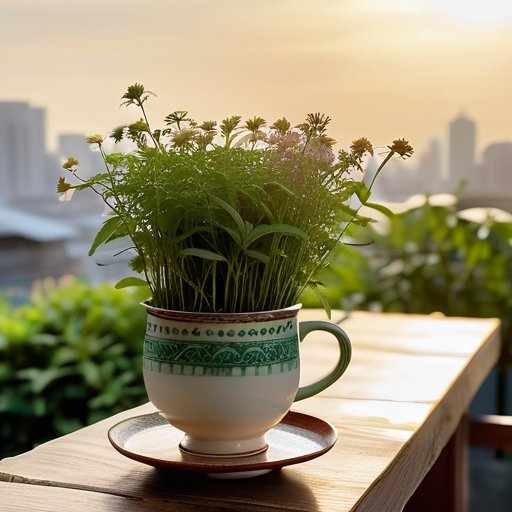
When I was sipping lemongrass‑mint tea on a breezy rooftop in Saigon, I realized that the secret to calm often lies in the plants themselves. Regions that have long relied on adaptogenic herbs for relaxation—such as ashwagandha in the Himalayas or schisandra in Chinese medicine—offer a natural scaffolding for the nervous system. Selecting an organic herbal tea for nervous system support not only honors those traditions but also ensures you’re avoiding unwanted pesticides. If you can, blend a handful of these adaptogens with soothing chamomile or rose petals; the resulting mix frequently tops lists of the best calming tea blends for anxiety across wellness forums.
A gentle brew is as much about patience as it is about ingredients. To master how to brew stress relief tea, start with water just shy of boiling—around 90 °C (194 °F)—and let the leaves or flowers steep for 4–6 minutes, adjusting the time based on the desired intensity. Longer steeping can coax out more of the calming alkaloids, but it may also introduce bitterness, so a quick taste test after the third minute is worth the pause. Experiment with local stress reducing tea recipes: a pinch of dried lavender from Provence, a splash of honey from Ethiopian beekeepers, or a dash of powdered licorice from Turkey can transform a simple cup into a cross‑continental meditation in a mug.
Discover the Best Calming Tea Blends for Anxiety
On a mist‑laden morning in the highlands of Oaxaca, I was handed a steaming cup of manzanilla y hierbabuena by a grandmother who swore by its ability to quiet a racing mind. That first sip taught me that the most effective calming blends often marry a bitter base—like green tea or rooibos—with a handful of nervine herbs: chamomile, lemon balm, or passionflower. The balance is key; the base supplies the ritual, the herbs bring the calm.
Back in London, my vintage globe collection reminded me that these ingredients travel far—Japanese sakura tea, with its subtle cherry blossom notes, pairs beautifully with lavender for an evening wind‑down, while South African rooibos blended with African pepperbush offers a caffeine‑free lift for anxious afternoons. I now keep a small tin for each region, letting the aroma guide me to the blend that matches my mood.
How to Brew Stress Relief Tea Steeping Times Secrets
When I’m perched on a balcony in Marrakesh, the steam curling from my chamomile‑lavender blend feels like a quiet handshake from the desert itself. The secret, I’ve learned, isn’t just the herbs but the ritual of timing. For most delicate flowers—chamomile, lemon balm, or hibiscus—aim for 4‑6 minutes in water that’s just shy of boiling, around 90 °C; a hotter swirl will bruise the fragile petals and turn the brew bitter. Roots and bark, like licorice or ginger, thrive on a longer, more vigorous steep—7‑10 minutes at a full boil—allowing their dense compounds to dissolve fully. I always cover the pot while it steeps; the trapped vapour locks in aromatic oils that quiet the nervous system. Finally, pause before you sip: let the tea settle for a minute, then inhale the fragrant steam, letting the calm seep in as naturally as the tide.
Steep into Serenity: 5 Essential Tips for Herbal Tea Stress Relief
- Choose fresh, whole‑leaf herbs whenever possible – they retain more of the calming oils and antioxidants than pre‑ground tea bags.
- Mind the water temperature: most soothing herbs like chamomile, lemon balm, and lavender release their calming compounds best at 190‑200 °F (88‑93 °C), not a rolling boil.
- Give each brew enough time: a 5‑7 minute steep extracts the full flavor and stress‑busting phytochemicals; longer can turn delicate notes bitter.
- Add a grounding element: a slice of ginger, a dash of honey, or a sprinkle of cinnamon not only enhances taste but also supports the nervous system.
- Create a ritual around the cup – set a quiet space, breathe deeply, and sip mindfully for a few minutes to let the tea’s calming effects settle in.
Key Takeaways for a Calmer Cup
Choosing the right herbs—like chamomile, lavender, or ashwagandha—can target specific stress triggers and enhance overall relaxation
Steeping time matters: 5‑7 minutes at 90‑95°C extracts the soothing compounds without bitterness, while a longer brew can intensify calm but may also increase astringency
Pair your tea ritual with mindful practices—deep breathing, gentle stretching, or a quiet moment of gratitude—to amplify the stress‑relief benefits and turn a simple sip into a holistic pause
Steeping Calm Across Cultures
In a world that never pauses, a cup of herbal tea becomes a quiet border crossing—steeping centuries of calm into the present, reminding us that peace can be brewed, sip by sip.
Alexandra Thompson
A Sip of Serenity: Final Thoughts
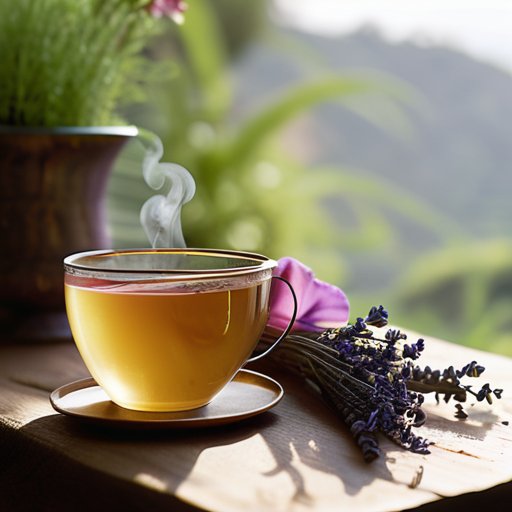
Looking back on the journey from the mist‑laden tea fields of Darjeeling to the sun‑kissed herb gardens of Oaxaca, I’m reminded how herbal teas for stress relief are more than a soothing ritual; they are a map of cultural wisdom. We explored three cornerstone blends—lavender‑chamomile, peppermint‑lemongrass, and rose‑hibiscus—each chosen for its calming phytochemistry and regional story. I walked you through the science of L‑theanine, the calming effect of menthol, and the gentle rhythm of flavonoids, then paired those insights with practical brewing guidelines: water temperature, steeping time, and the art of mindful sipping. By honoring both tradition and technique, you now have a portable toolkit for turning anxiety into calm, one cup at a time.
As I close this chapter, I can’t help but feel that each cup is a tiny passport, inviting us to pause, breathe, and listen to the quiet conversations that have traveled across continents for centuries. When you steep a handful of herbs, you’re not just extracting flavor—you’re drawing in resilience, community, and a reminder that calm is a shared human right. Let the ritual of tea become your daily diplomatic mission: a moment to negotiate with your own nervous system, to extend compassion to the world beyond your window, and to honor the countless hands that cultivated these plants. May your next sip be both a sanctuary and a bridge, linking you to the wider tapestry of humanity.
Frequently Asked Questions
Which herbal tea blends are most effective for easing anxiety without causing drowsiness?
I’ve found that a bright, citrus‑forward blend of lemon balm, spearmint and a touch of rooibos works wonders for jittery nerves without pulling me into a nap. Green tea paired with ashwagandha offers a gentle adaptogenic lift, while a crisp mix of ginger, lemongrass and a pinch of lavender calms the mind yet keeps the pulse steady. Finally, a light black‑tea base with holy basil (tulsi) provides focused serenity without the drowsy haze.
How does the cultural origin of a tea influence its stress‑relieving properties and the ritual around brewing it?
Because each tea emerged from its region’s climate, herbs, and belief systems, its calming effect is woven into those traditions. In Japan, matcha’s grassy bitterness meets a tea‑ceremony that foregrounds mindfulness; the ritual lowers cortisol as much as the L‑theanine in the leaf. In Morocco, mint tea sweetened with honey is shared among family, turning an infusion into a social anchor that eases anxiety. Thus cultural origin shapes both the botanicals and how we brew, sip, and connect.
Can I combine different herbs in one cup, and if so, what are safe, synergistic pairings for daily stress management?
I often blend herbs, and yes—mixing them can boost calm without overloading your palate. A classic trio is chamomile, lemon balm, and a pinch of lavender; the three soothe the nervous system and smooth each other’s flavors. For a gentle caffeine lift, add a few specks of green tea to passionflower and mint. Stick to 1‑2 teaspoons of dried herbs per cup, and let the water cool to 90 °C before steeping 4–6 minutes.