I was standing on a cracked, rain‑slicked sidewalk in Hanoi, the scent of lemongrass and charred beef wafting from a street stall, when a stranger handed me a bowl of pho and whispered, “Taste the story.” In that moment I realized that global cuisines are less about exotic menus and more about the conversations that simmer beneath each spoonful. The myth that you need a passport and a Michelin star to savor the world’s flavors is wrong; all it takes is a willingness to follow your nose to the nearest corner market.
In the pages that follow, I’ll walk you through three steps to turn any kitchen into a passport: (1) how to spot authentic ingredients at your local market without getting lost in jargon, (2) a cheat sheet for building a base stock that honors the broth traditions of Vietnam, Thailand, and beyond, and (3) the etiquette of sharing a meal that turns strangers into conversation partners. By the end, you’ll be able to serve a dish that feels like an embassy, and you’ll know exactly which spices to keep on hand for your culinary diplomatic mission.
Table of Contents
Project Overview
Total Time: 2-4 hours
Estimated Cost: $75-150
Difficulty Level: Intermediate
Tools Required
- Chef’s knife – essential for precise chopping
- Cast iron skillet – retains heat for searing and sautéing
- Mortar and pestle – ideal for grinding whole spices
Supplies & Materials
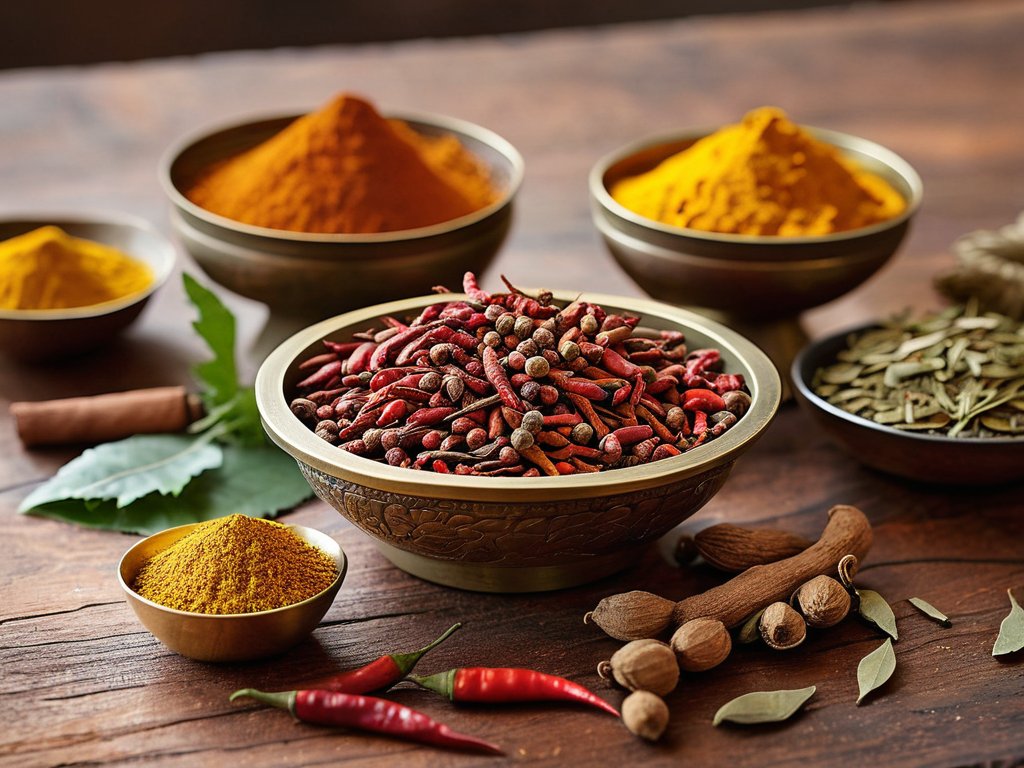
- Assorted spices (cumin, coriander, paprika, turmeric) – 2 tbsp each
- Fresh vegetables (bell peppers, carrots, onions) – 6 cups total
- Protein (tofu, chicken, or chickpeas) – 1 lb
- International sauces (soy sauce, harissa, tamari) – 1/4 cup each
Step-by-Step Instructions
- 1. First, set a culinary compass. I start by picking a region that sparks my curiosity—perhaps the bustling night markets of Penang or a tucked‑away farmhouse in Tuscany. I jot down a handful of must‑try dishes and the cultural questions they raise, so I arrive with a purpose rather than a vague wanderlust.
- 2. Next, map the food‑scene before you land. I scour local blogs, Instagram reels, and community forums to locate where the authentic flavors live—whether it’s a family‑run noodle stall or a centuries‑old bakery. I also note any upcoming festivals or market days, because timing can turn a routine meal into a cultural celebration.
- 3. Then, engage the people behind the plate. I introduce myself, share a snippet of my own story, and ask open‑ended questions like, “What does this dish mean to your family?” or “How has the recipe evolved with the seasons?” Their anecdotes become the human thread that ties each bite to a broader narrative.
- 4. Afterward, taste with intention. I take a moment to observe the colors, aromas, and textures before the first forkful, then chew slowly, letting the flavors unfold. I pause to note the story each ingredient tells—whether it’s a spice traded along ancient routes or a locally foraged mushroom that only appears after monsoon rains.
- 5. Record the experience like a field journal. I sketch quick sketches, snap candid photos, and write a few lines in a leather‑bound notebook, capturing not just the taste but the ambience, the chatter of nearby diners, and any unexpected cultural insights that surface during the meal.
- 6. Finally, share the journey with your audience. I craft a blog post that weaves together the dish’s history, the personal stories I gathered, and my sensory impressions. I always end with a reflective question—What does this flavor teach us about our shared humanity?—inviting readers to taste beyond the palate.
Section 1
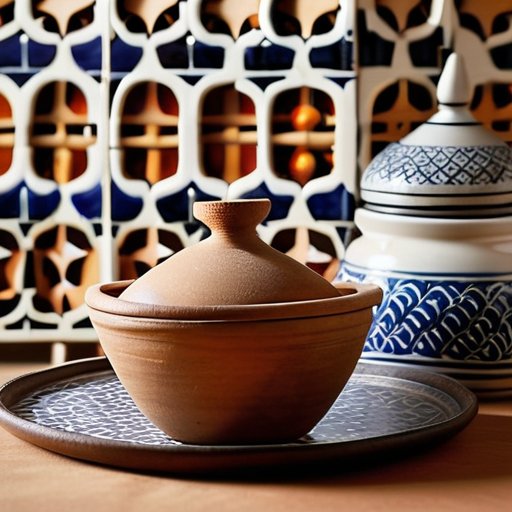
When I step into a bustling market in Marrakech or a quiet village kitchen in Hokkaido, the first thing that catches my eye isn’t the spice rack but the stories woven into each plate. From the slow‑cooked tagine handed down through three generations to the delicate miso soup that greets sunrise, cultural food traditions act as a compass, pointing toward deeper histories. To honor these narratives in my own kitchen, I stock a selection of global pantry staples—dried lentils, fermented fish sauce, and a handful of aged spices—so I can recreate the comforting aromas of distant homes while staying grounded in my flat.
Once the basics are in place, I love to experiment with fusion recipes for healthy meals that respect the integrity of each cuisine while inviting a fresh twist. A quick stir‑fry of Ethiopian berbere‑spiced chickpeas with Japanese soba noodles, for example, showcases how worldwide flavor profiles can mingle without erasing their origins. The key is to learn a few core international cooking techniques—tempering, braising, or the art of balancing sweet and salty—so the final dish feels like a dialogue between continents rather than a forced mash‑up.
Section 2
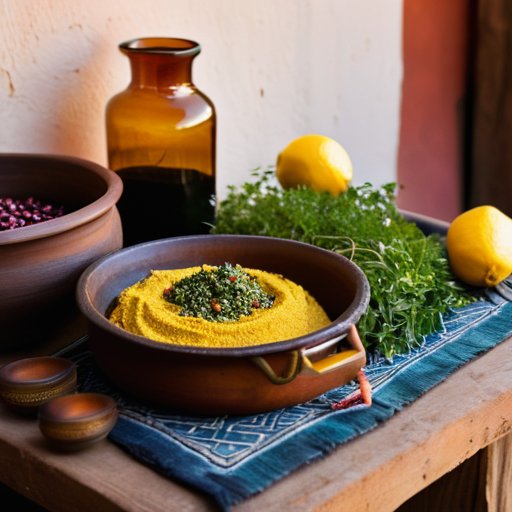
When I step into a bustling market in Marrakech or a village kitchen in Oaxaca, I’m reminded that the story of a plate begins long before the first bite. Seeking out traditional dishes from around the world forces me to ask what rituals surround the simmering pot, what seasonal herbs are whispered into the broth, and how a single spice can echo a pilgrimage. By cataloguing these cultural food traditions in my notebook, I’ve learned to spot the subtle threads—like the smoky umami of fermented black beans in Chinese cuisine or the bright citrus lift in Mediterranean mezze—that stitch together flavor profiles.
Back home, I often turn curiosity into practice by assembling a global pantry staples cabinet—aminos, dried chilies, and miso—to experiment with fusion recipes for healthy meals. The magic happens when I borrow an Indian tandoori technique, then finish the dish with a Japanese pickling method; the result is a bowl that feels both familiar and daring. Mastering international cooking techniques like wok searing or slow stone‑pot simmering not only expands my culinary vocabulary but also teaches me respect for the discipline behind each regional specialty.
Five Flavorful Ways to Navigate World Kitchens
- Follow the local market schedule—most fresh produce and spices hit the stalls at dawn.
- Learn the language of the table; a simple “thank you” in the native tongue opens doors to hidden family recipes.
- Respect regional dining etiquette—whether it’s slurping noodles in Japan or sharing platters in Ethiopia, manners vary by culture.
- Keep a portable spice notebook; jot down unfamiliar aromas and the stories behind them for future kitchen experiments.
- Pair each dish with a local beverage, because the right tea, coffee, or fermented drink often reveals a cuisine’s true character.
Three Takeaways for Your Culinary Journey
Food is a passport—every bite tells a story of geography, history, and the people who make it.
Authentic experiences come from listening to local voices, not just following guidebooks.
Sharing a meal, whether street‑side tacos or family‑style ramen, builds the bridges we seek across cultures.
A World on a Plate
In every bite, a border blurs, and the stories of strangers become the spices that flavor our shared humanity.
Alexandra Thompson
Wrapping It All Up
When I close this little road‑map of flavors, three threads emerge: first, that every dish is a passport stamped with history; second, that technique and spice are the dialects we all speak; and third, that sharing a meal is the most immediate form of diplomacy. We’ve wandered from the smoky tandoori ovens of Delhi to the umami‑rich ramen stalls of Osaka, traced how seasonal markets shape a chef’s imagination, and uncovered how family recipes travel across continents like whispered letters. By the end, the guide shows that a single bite can reveal migration patterns, colonial legacies, and the joyous resilience of everyday people. It reminds us that the kitchen, like any embassy, negotiates peace through taste.
So, as I tuck this notebook into my satchel and set off for next border, I invite you to become a culinary ambassador in your own kitchen. Whether you’re plating a street‑food taco in Monterrey or simmering a humble lentil stew, remember that each aroma is a conversation starter. Let curiosity be the spice that pushes you to ask the vendor about his grandmother’s secret blend, or to join a neighbor’s Friday night biryani potluck. In the end, global cuisines are not just recipes; they are living maps that guide us toward empathy, reminding us that the world feels a little smaller when we all sit at same table.
Frequently Asked Questions
How can I responsibly explore and taste authentic dishes from different cultures without falling into the tourist-trap or cultural appropriation?
Whenever I wander a bustling night market in Taipei or a family kitchen in Oaxaca, I start by listening. I ask locals which stalls the neighborhood trusts, then sit at the communal table, letting the chef explain each ingredient’s history. I make a habit of buying directly from vendors, paying fairly, and sharing what I’ve learned with friends—crediting the source. By learning key phrases and respecting dining etiquette, I savor food without turning it into a selfie‑stage.
What are some lesser‑known regional cuisines that deserve a spot on my culinary bucket list?
On my recent trek through the Caucasus, I fell in love with Georgian khachapuri and the smoky khinkali that linger long after the last bite. In the highlands of Ethiopia, the spiced lentil stew shiro paired with injera reveals a communal rhythm I’ve rarely tasted elsewhere. Further east, the coastal town of Gyeongju in Korea serves ssambap—rice wrapped in fresh leaves—offering a humble, vegetal elegance that deserves a place on any adventurous palate.
How do seasonal ingredients and local traditions shape the flavors of a country's most iconic dishes?
Seasonality is the heartbeat of a nation’s kitchen. When the first snow blankets the Alps, Alpine cheese melts into a comforting fondue; in summer, Japanese chefs harvest fresh shiso and seaweed for delicate sashimi that sings of the sea. Local festivals dictate when certain spices are ground, and centuries‑old rituals decide which herbs are whispered into a stew. In short, the calendar, climate, and cultural rites together sculpt the flavor map of each iconic dish.