I was halfway up a limestone terrace in the remote village of Gasa, Bhutan, when the wind slipped through prayer flags and the scent of pine filled the air. My makeshift meditation space—just a woven mat, a single candle, and a view of the Himalayas—felt more sacred than any sleek, all‑white studio I’d seen in glossy design magazines. The myth that meditation space design demands spotless minimalism instantly fell away as I realized that the real secret lies in the textures, stories, and smells that echo the places we love.
In the next few minutes I’ll walk you through the three practical pillars that turned that mountain hut into a daily sanctuary: (1) anchoring the space with objects that carry personal history, (2) balancing light and sound without expensive gadgets, and (3) curating a scent palette that mirrors the climate of your favorite journeys. By the time you finish reading, you’ll have a checklist for you that you can apply to a corner of your apartment, a garden shed, or even a bustling hostel room—no need for a costly redesign right today, just a mindful, culturally resonant blueprint.
Table of Contents
Project Overview
Total Time: 2-3 hours
Estimated Cost: $80‑150
Difficulty Level: Beginner
Tools Required
- Measuring tape – for checking dimensions of the area
- Cordless drill – to secure hooks, brackets, or shelving
- Screwdriver set – for assembling furniture or mounting décor
- Level – to ensure shelves, wall art, and lighting are straight
- Scissors – for trimming fabric, cords, or decorative elements
Supplies & Materials
- Area rug – 1 (size appropriate for the space)
- Floor cushions or meditation floor pillows – 2‑4 (depending on capacity)
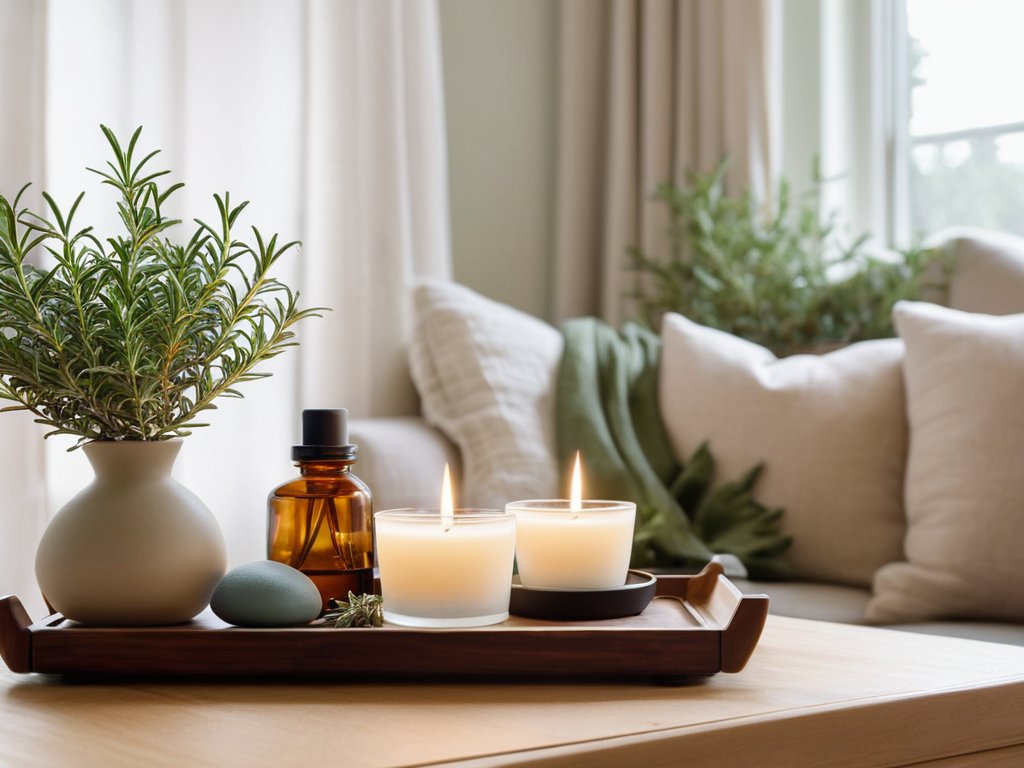
- Scented candles or essential‑oil diffuser – 1‑2 units
- Small indoor plants (e.g., succulents, peace lily) – 2‑3 pots
- String lights or soft ambient lighting – 1 set (approx. 6‑10 ft)
- Decorative fabric or tapestry for a focal wall – 1 piece (enough to cover desired area)
- Wall hooks or floating shelves – 2‑4 (for hanging décor, incense, or storage)
- Storage basket or bin – 1 (to keep blankets, journals, or meditation props)
Step-by-Step Instructions
- 1. Begin with intention. Sit down with a notebook and sketch the purpose of your sanctuary—whether it’s a daily reset after diplomatic meetings or a quiet corner for cross‑cultural reflections. Naming the space (perhaps after a distant village you visited) anchors the room in a story, turning a simple room into a personal pilgrimage.
- 2. Choose a location that honors light and silence. Look for a corner where natural daylight can filter in without harsh glare, and where street noise is muffled. If you’re in a bustling flat, consider a portable screen or a thick rug to create a soft boundary between the world outside and your inner horizon.
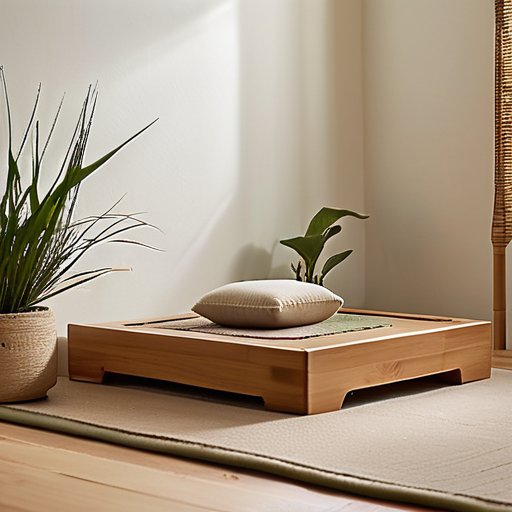
- 3. Select furnishings that echo journeys. A low, solid wood floor cushion, a reclaimed‑wood meditation bench, or a hand‑woven floor mat from a market in Marrakech can make the space feel lived‑in. Pair these with a small, sturdy table to hold a travel‑touched journal or a vintage compass you collected on a Himalayan trek.
- 4. Curate sensory elements that tell a story. Introduce a scented candle infused with sandalwood from a temple in Varanasi, or a diffuser with essential oils that remind you of the sea breezes off a remote island. Soft ambient music—perhaps a recording of a distant prayer chant—can further weave global textures into the room.
- 5. Incorporate visual cues that inspire mindfulness. Hang a minimalist piece of art—maybe a line drawing of a globe you keep in your collection—or a tapestry woven by artisans you met on a cultural exchange. Even a single framed photograph of a sunrise over a desert can serve as a quiet reminder of the world beyond the walls.
- 6. Establish a simple ritual to enter the space. Before each session, light the candle, inhale the incense, and pause to notice the textures around you. This brief ceremony signals to your mind that you’re stepping into a sacred pause, turning ordinary moments into a shared meditation across continents.
Section 1
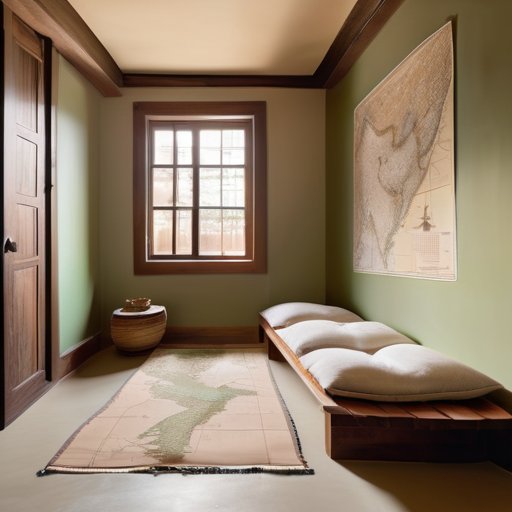
One of the quirkiest lessons I learned while setting up a quiet corner in a bustling hostel in Kathmandu is that scale trumps square footage. In a small meditation room layout ideas guide, I map the floor as a miniature world map—leaving a clear path from the door to a modest cushion, then placing a low shelf for incense and a hand‑woven beads jar. Natural lighting for meditation space becomes a silent partner when a narrow window is dressed with sheer curtains, letting dawn spill over a muted color palette for zen space of soft sage and warm sand. The result feels like an invitation to pause.
Beyond geometry, ambience hinges on what you let in—or keep out. A simple DIY meditation altar built from reclaimed wood can anchor the room’s energy, while minimalist meditation decor—a single bonsai or a framed haiku—prevents visual clutter. If city traffic threatens your stillness, try a DIY soundproofing meditation room trick: hang acoustic panels disguised as a tapestry of native textiles. Finally, gather your essential meditation accessories—timer, scented candle, journal—so each session starts with intention, not just habit.
Section 2
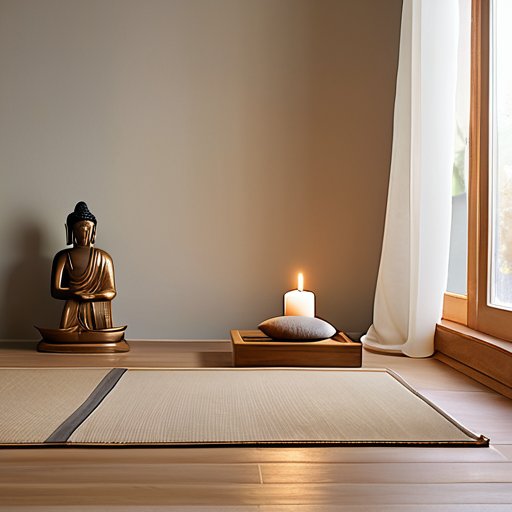
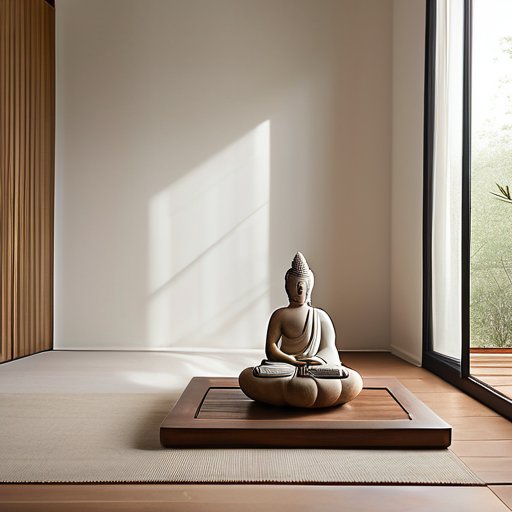
Whenever I step into a room that feels like a quiet harbor, I first check how light drifts across the floor. Harnessing natural lighting for meditation space means placing a modest window or skylight so sunrise gently brushes the cushions, then using sheer curtains to soften glare. Pair that glow with a color palette for zen space—soft greys, muted sage, or a whisper of amber—that invites the mind to settle without visual clutter. In a modest square, a single rug and a streamlined shelf for a candle or small Buddha statue achieve minimalist meditation decor that feels both intentional and spacious.
If square footage is at a premium, I lean on small meditation room layout ideas: a fold‑away bench along one wall, a clear floor for a yoga mat, and a thin bamboo screen that doubles as a backdrop for a DIY meditation altar. Essential meditation accessories—an eye pillow, an incense holder, and a set of tuning forks—elevate the practice without crowding the room. For silence, a trick works: panels disguised as a gallery of postcards, turning the space into a sanctuary where noise fades to a hum.
Designing a Sanctuary: Five Essentials for Your Meditation Space
- Choose natural light over harsh fluorescents so daylight can gently coax your mind awake.
- Anchor the room with a simple, low‑profile rug that grounds both body and spirit.
- Incorporate a single focal point—perhaps a small altar, a potted plant, or a candle—to center attention.
- Keep clutter at bay; a clear floor invites an uncluttered mind.
- Layer textures—soft cushions, warm throws, and a smooth stone—to engage the senses without distraction.
Key Takeaways for Your Meditation Space
Prioritize natural light and simple, sustainable materials to nurture calm.
Create adaptable zones that support both solitary reflection and shared silence.
weave in culturally resonant textures or symbols to foster a sense of global belonging.
Designing Sacred Spaces
“A meditation space isn’t just a room; it’s a crossroads where light, texture, and silence meet, inviting every traveler to pause, breathe, and rediscover the world inside and the world beyond.”
Alexandra Thompson
Wrapping It All Up
In designing a meditation space, we learned that intentional lighting can turn a room into a sanctuary, whether it’s the soft glow of a Himalayan salt lamp or filtered daylight that mimics sunrise. We then explored the power of natural textures—bamboo, stone, woven rugs—to ground the body, and how placing a single cultural artifact, like a Tibetan prayer wheel or a West African drum, can weave a narrative of global connection. The guide reminded us to keep the layout uncluttered, respect acoustics with soft fabrics, and allow flexibility so the space can evolve with the practitioner’s journey. By balancing aesthetics with purpose, each element works together to create a mindful environment that invites stillness and focus.
Ultimately, a meditation space is more than a room; it is a portable temple that travels with you wherever life leads. When I step into a corner I have deliberately shaped—whether a sun‑lit balcony in Marrakech or a cosy nook beside a London rain‑spattered window—I feel world’s pulse slow, and my own breath align with it. I invite you to view your sanctuary as a living bridge between cultures, a canvas where each breath paints a shared story of mindfulness. May your space become the home of inner peace that reminds you, each day, that the quiet you cultivate inside reverberates outward, stitching together the global tapestry of humanity.
Frequently Asked Questions
How can I incorporate natural elements and local cultural motifs into my meditation space without it feeling cluttered?
I start by picking one natural element—perhaps a locally‑sourced wooden bowl or a single woven mat—and let it become the room’s quiet anchor. Then I choose a single cultural motif, like a traditional pattern or a hand‑carved statue, and display it deliberately, leaving ample breathing space around it. Soft, earthy tones and uncluttered shelving keep the vibe serene, while subtle lighting highlights each piece without overwhelming the eye.
What lighting and acoustic solutions work best for creating a calm environment in a small apartment?
When I set up my own studio in a tiny London flat, I learned that soft LEDs with a warm 2700‑3000K hue mimic sunset light, while a Himalayan salt lamp adds an amber glow. To quiet the city’s hum, I drape a thin woven tapestry across the wall and place a low‑profile rug under the meditation cushion—both absorb echo without crowding the room. A tabletop water fountain adds subtle, soothing sound, turning the space into an oasis.
Are there budget‑friendly ways to make a dedicated meditation corner feel like a sacred, inviting sanctuary?
Absolutely—think of your corner as a tiny pilgrimage site. Start with a simple floor rug you’ve rescued from a market stall in Marrakech; its woven patterns instantly signal a sacred pause. Add a modest, hand‑crafted candle holder you brought back from a Nepalese tea house, and let a single, low‑cost LED lantern glow like a sunrise. A couple of plush cushions, a small incense stick, and a tiny, vintage globe (one of my favorites) create a sense of world‑wide calm without breaking the bank.