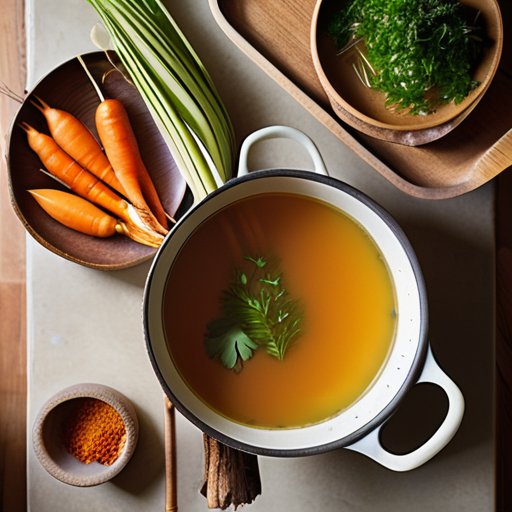
I was crouched on a kitchen floor in a cramped hostel in Kathmandu, the scent of simmering onions and ginger curling around a tin kettle, when a fellow traveler asked, “Do you really need a chicken broth recipe that takes hours?” I laughed, because the truth I’d learned on a rainy night in a Turkish bazaar is that the best broth isn’t about time‑consumption but about mindful choices: a whole free‑range bird, a splash of apple cider vinegar, and the patience to listen to the bubbles. That night, the broth became a treaty between strangers, a warm bridge across language barriers.
In the pages that follow, I’ll strip away the myth that broth‑making is a culinary marathon and hand you a no‑nonsense chicken broth recipe born from bazaars, embassies, and kitchen tables alike. You’ll learn why a splash of vinegar matters, how a quick skim can keep the broth crystal clear, and which humble herbs I’ve gathered in the highlands of Peru to add depth without overpowering. By the end, you’ll be able to serve a bowl that feels like a passport stamp—simple, authentic, and undeniably comforting.
Table of Contents
Recipe Details
Ingredients
- 1 whole chicken (3–4 lb), giblets removed
- 12 cups cold water
- 2 carrots, cut into chunks
- 2 celery stalks, cut into chunks
- 1 large onion, quartered
- 2 garlic cloves, smashed
- 1 bay leaf
- 5 whole black peppercorns
- 1 teaspoon salt (adjust to taste)
- A handful of fresh parsley stems
Recipe Instructions
Step 1
Gather the ingredients – I start with a whole free‑range chicken, a handful of fresh carrots, celery stalks, and a generous onion, all sourced from the bustling market I visited in Chiang Mai. Add a few sprigs of thyme, a bay leaf, and a pinch of sea salt; the simple aromatics will soon whisper stories of distant kitchens.
Step 2
Rinse the chicken under cool water, then pat it dry with a linen kitchen towel I picked up in a small coastal village in Portugal. Place the bird, skin side up, into a large stockpot, letting its natural juices mingle with the broth as they would in a communal pot back home.
Step 3
Cover the poultry with cold water—just enough to submerge it, about twelve cups for a six‑quart pot. As the water turns cloudy, I sprinkle in a splash of apple cider vinegar; this tiny trick, learned from a grandmother in Oaxaca, helps draw out the gelatin that gives the broth its silkiness.
Step 4
Bring the pot to a gentle simmer, skimming off any foam that rises to the surface. Once the bubbles are just a whisper, add the chopped carrots, celery, onion, and herbs. Let the mixture bubble slowly for three hours, stirring occasionally, so the flavors have time to wander and mingle like travelers sharing stories around a fire.
Step 5
Strain the broth through a fine‑mesh sieve or a clean cheesecloth, discarding the solids but reserving the clear, amber liquid. I like to let it cool a bit before transferring it to glass jars; the broth becomes a quiet canvas for future soups, ramen, or a comforting cup on a rainy night.
Step 6
Store or serve: If you’re planning ahead, refrigerate the broth for up to five days or freeze it in portion‑size containers for later. A sip of this homemade elixir, seasoned with a dash of freshly cracked pepper, can instantly transport you to the bustling streets of Marrakech or a quiet tea house in Kyoto.
Harvesting Homemade Chicken Broth With Vegetables From Global Markets
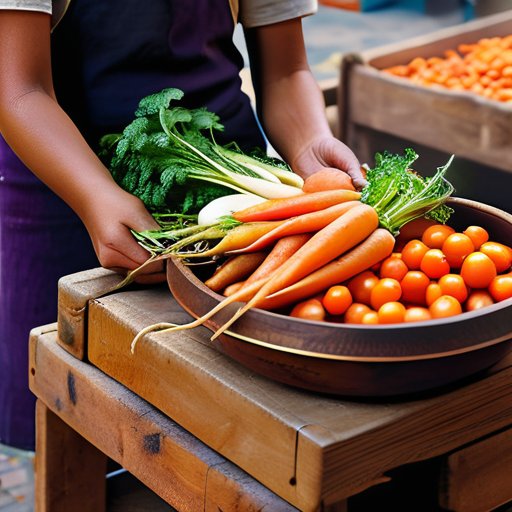
When I wander through the bustling stalls of a Saturday market in Oaxaca, the scent of fresh cilantro and earthy carrots pulls me toward a cart piled high with heirloom tomatoes, daikon, and purple potatoes. I love swapping stories with the vendors while gathering the vegetables that will soon swim in a simmering pot. By choosing produce that’s still slightly firm, I’m able to coax a richer depth into my homemade chicken broth with vegetables, letting each root release its natural sweetness. A quick rinse, a splash of cold water, and a gentle roll‑over of the bones set the stage for a broth so clear you can see the faint swirl of spices—how to make clear chicken broth is essentially a lesson in patience, not pressure.
Back home, I often turn the day’s kitchen scraps into a quick chicken broth using leftovers that fuels my weekday soups. A handful of leftover chicken carcasses, a sprig of thyme, and a few bay leaves transform into a chicken broth stock recipe with herbs that stays low on sodium yet high on flavor. I like to finish the pot with a pinch of sea salt and a whisper of ginger, then strain and store it in glass jars for the week ahead. This approach not only reduces waste but also gives me a reliable base for any easy chicken broth recipe for soups that may appear on my radar.
How to Make Clear Chicken Broth for Everyday Soups
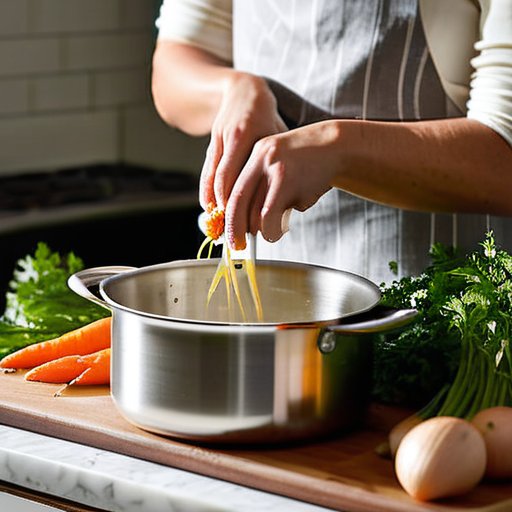
When I’m in a hotel kitchen in a bustling market town, the first thing I do to how to make clear chicken broth is to keep the pot barely simmering. A gentle bubble, not a rolling boil, prevents the proteins from coagulating into a cloudy haze. I like to toss a handful of fresh thyme, a few peppercorns, and a sprig of parsley—ingredients that turn a simple stock into a chicken broth stock recipe with herbs that feels both bright and comforting. For a low‑sodium version, I skip the bouillon cubes and let the natural sweetness of the bones and vegetables shine, letting the broth reduce only enough to concentrate flavor without concentrating salt.
Back home, my aunt taught me that the secret to a crystal‑clear broth lies in the “skimming” ritual that dates back to 12th‑century French kitchens. By ladling off the foam that rises in the first 30 minutes, you preserve the broth’s translucence and keep it suitable for easy chicken broth recipe for soups like a delicate consommé or a quick noodle soup on a rainy night. I also love using leftover roast chicken carcasses; the quick chicken broth using leftovers not only reduces waste but adds a depth of roasted flavor that fresh bones sometimes miss.
Finally, once the broth has cooled, I strain it through a fine‑mesh sieve lined with cheesecloth, then pour it into freezer‑safe containers. I label each batch with the date and a tiny note—“low‑sodium, herb‑infused, clear” —so that when a friend calls from across the globe, I can instantly send a cup of liquid comfort, proof that a simple broth can bridge continents as easily as a vintage globe connects continents on my shelf.
Five Savvy Secrets to Soup‑Ready Chicken Broth
- Begin with a cold pot—adding bones to cold water and bringing it up gently yields a clearer, more flavorful base.
- Roast the chicken bones and carcass first; the caramelized bits add a deep, nutty undertone that transforms a simple broth.
- Skim the foam and impurities within the first 30 minutes; this habit prevents cloudiness and keeps the broth pristine.
- Introduce fresh aromatics (ginger, lemongrass, or bay leaves) midway through simmering to preserve their bright notes without bitterness.
- Cool the broth rapidly, then skim the solidified fat before storing in airtight jars for up to a week in the fridge or three months frozen.
Key Takeaways
A gentle, long simmer extracts deep flavor without clouding, turning simple ingredients into a comforting global staple.
Fresh, seasonal vegetables from local markets add subtle sweetness and cultural nuance to the broth.
Proper cooling and airtight storage preserve both taste and nutrition, making the broth a versatile base for future meals.
A World in a Bowl
In a simmering pot, the humble chicken broth becomes a passport, carrying the flavors of distant markets and the stories of the hands that gathered its vegetables, reminding us that nourishment is a universal language.
Alexandra Thompson
Final Thoughts on the Broth
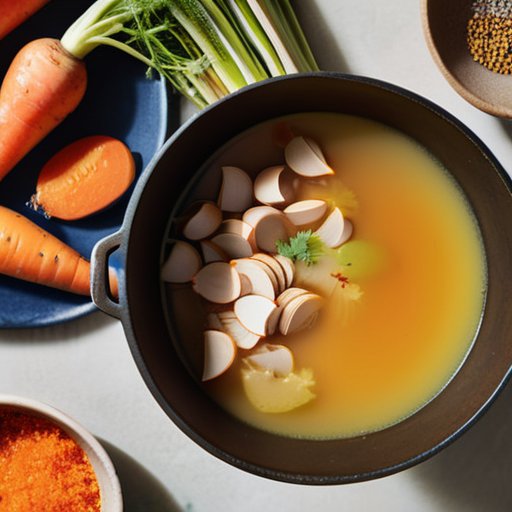
In this journey through the kitchen, we’ve traced the full arc of a humble chicken broth—from the simple recipe card that kept the ingredients list clear, through the careful simmer that coaxed gelatin and flavor from the bones, to the market stroll that turned ordinary carrots and leeks into a cross‑cultural chorus. By skimming the surface to achieve a clear chicken broth, straining out the sediment, and seasoning with a pinch of sea‑salt, we’ve shown how a few mindful steps can transform leftovers into a silk‑smooth base for any soup. And as we wandered the stalls of global markets, we discovered that the freshest vegetables carry stories as vivid as the broth itself.
What I love most about a good broth is that it invites us to sit, ladle a steaming bowl, and let the vapor carry a conversation across continents. Whether you’re serving it to a London neighbour, a student in Nairobi, or a family gathered around a fire in the Peruvian highlands, that amber liquid becomes a shared passport. So I invite you to treat your next pot not merely as a recipe but as a small ceremony—one that honors the farmers, the free‑range chickens, and the many hands that will eventually dip a spoon into that soup as a conversation. May each sip remind us that even the humblest kitchen can be a gateway to global friendship.
Frequently Asked Questions
How can I adjust the broth to accommodate dietary restrictions, such as low sodium or gluten‑free diets, without sacrificing flavor?
When I’m tweaking my chicken broth for a low‑sodium, gluten‑free table, I start with a clean, unsalted stock base and let aromatics do the heavy lifting. Fresh herbs like thyme, rosemary, and a splash of lemon zest brighten the broth, while a dash of gluten‑free tamari or a pinch of sea‑salt keeps it gentle. Roast the bones for deeper umami, finish with a drizzle of olive oil, and you’ve got a flavorful, health‑conscious broth that.
What are the best storage methods for homemade chicken broth to preserve its freshness for weeks or even months?
I always treat a pot of broth like a passport stamp—careful handling decides how long it lasts. First, let it cool quickly in an ice‑water bath, then portion it into sterile jars or freezer bags, leaving a centimetre of headspace. In the fridge, sealed containers keep it fresh for about 4‑5 days; for longer voyages, label freezer bags with the date and store flat at –18 °C, where it stays bright for up to three months, or longer.
Can I incorporate unconventional ingredients (like miso, spices from different regions, or seasonal vegetables) to give my broth a unique cultural twist?
Absolutely—think of broth as a canvas for flavors. A splash of miso at the end adds umami depth and a Japanese whisper, while a pinch of ras el hanout or smoked paprika echoes North African markets. Toss in vegetables like sweet corn in summer or daikon in winter, and finish with a drizzle of herb oil from a market you visited. The key is to layer flavors gently, tasting as you go, so each addition tells its own story.