As I sat in a small café in Tokyo, sipping on a steaming bowl of chicken soup, I couldn’t help but think about how this humble dish has been misunderstood across cultures. The common myth that chicken soup is just a bland, comforting remedy for the sick is far from the truth – it’s so much more than that. In reality, chicken soup is a universal language, capable of bridging cultural divides and evoking emotions that transcend borders. My own experiences traveling to remote locations and engaging in cultural exchange programs have shown me that chicken soup is a staple in many cuisines, each with its own unique twist and story to tell.
In this article, I promise to take you on a journey to uncover the rich history and diversity of chicken soup, beyond the familiar recipes and health benefits. Through my own stories and experiences, I’ll share honest, hype-free advice on how to appreciate and prepare chicken soup in a way that honors its cultural significance. Whether you’re a fellow traveler, a food enthusiast, or simply someone looking to broaden your perspectives, I invite you to join me in exploring the fascinating world of chicken soup – and discover how this simple dish can warm our hearts and bring us closer together.
Table of Contents
Recipe Details
Ingredients
- 1 pound boneless, skinless chicken breast (cut into bite-sized pieces)
- 4 cups chicken broth (low sodium)
- 2 medium carrots (peeled and sliced)
- 2 stalks celery (sliced)
- 1 medium onion (chopped)
- 2 cloves garlic (minced)
- 1 teaspoon dried thyme
- 1/2 teaspoon salt
- 1/4 teaspoon black pepper
- 2 tablespoons olive oil
Tools & Supplies
- Large pot
- Cutting board
- Knife
- Measuring cups
- Measuring spoons
Recipe Instructions
Step 1
To start making this comforting dish, begin by gathering all your ingredients, as meticulous preparation is key to bringing out the flavors in our chicken soup recipe. You’ll need a whole chicken, preferably organic, along with vegetables like carrots, celery, and onions, which form the aromatic base of our soup.
Step 2
Next, chop the onions, carrots, and celery into bite-sized pieces, ensuring they are all roughly the same size so they cook evenly. This step is crucial because it allows for the uniform release of flavors as the vegetables simmer in the broth. Take a moment to appreciate the simple joy of chopping fresh vegetables; it’s almost therapeutic.
Step 3
In a large pot, heat a couple of tablespoons of olive oil over medium heat. Once the oil is warm, add the chopped onions, carrots, and celery, and let them soften and caramelize slightly. This process brings out the natural sweetness in the vegetables, which will later balance the savory flavor of the chicken.
Step 4
After about 10 minutes of sautéing the vegetables, it’s time to add the whole chicken to the pot. Season the chicken generously with salt, pepper, and any other herbs you like (such as thyme or rosemary), making sure to rub the spices all over the bird for maximum flavor absorption. Then, pour in enough chicken broth to cover the chicken completely, along with a couple of cups of water.
Step 5
Bring the mixture to a boil, then reduce the heat to low and let it simmer for about an hour, or until the chicken is cooked through and the meat starts to fall off the bone. This slow cooking process is what makes homemade chicken soup so special, as it allows all the flavors to meld together in perfect harmony. During this time, you can prepare any additional ingredients, like noodles or rice, according to your preference.
Step 6
Once the chicken is fully cooked, remove it from the pot and let it cool down enough to handle. Then, shred or chop the chicken into manageable pieces and return it to the pot. This step ensures that every spoonful of soup has a good balance of chicken and broth. Now, taste the soup and adjust the seasoning as needed, adding more salt, pepper, or herbs to get the flavor just right.
Step 7
Finally, serve the chicken soup hot, garnished with fresh herbs if desired, and accompanied by your choice of sides. There’s something deeply satisfying about taking that first sip of warm, comforting broth, feeling it spread through your body and warm your heart. This simple act of enjoying a homemade meal can be a powerful reminder of the beauty in everyday moments and the importance of taking time to appreciate them.
Chicken Soup Unites
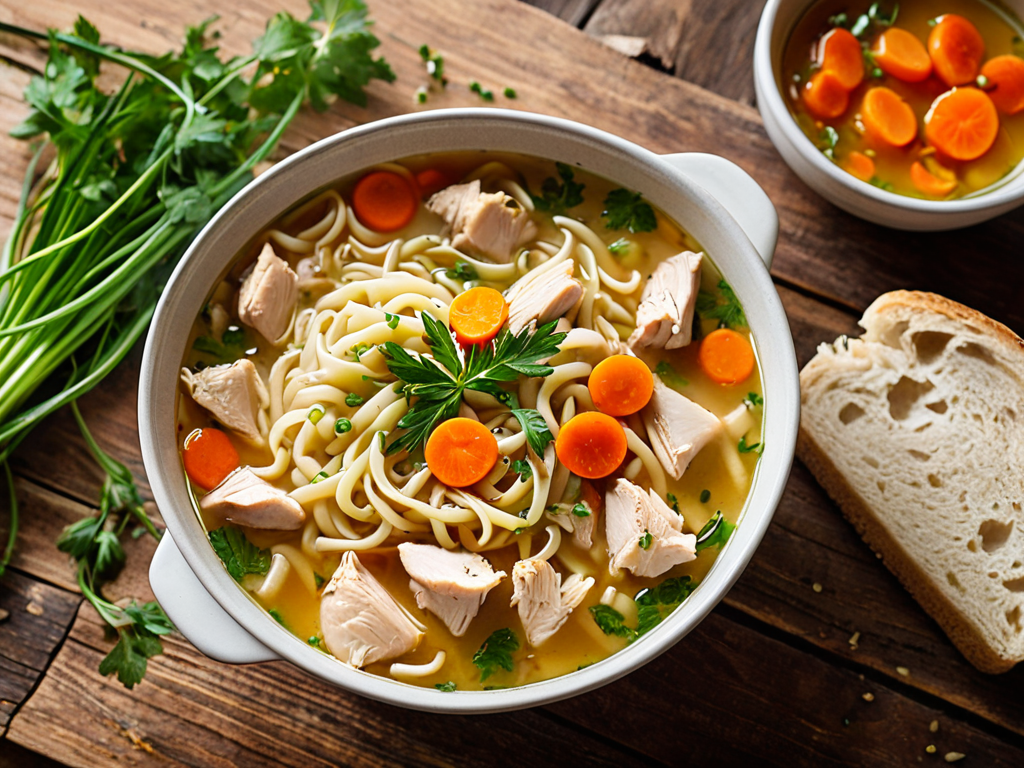
As I sit here, sipping on a warm bowl of goodness, I’m reminded of the power of comfort food recipes to bring people together. There’s something special about a dish that can transcend borders and cultures, evoking feelings of nostalgia and warmth in everyone who tastes it. Chicken noodle soup variations are a great example of this, with different regions adding their own unique twist to the classic recipe.
One of the things I love about traveling is discovering new healthy soup options for colds that locals swear by. From spicy ginger broths to soothing vegetable-based concoctions, each one has its own story and history behind it. And yet, despite these differences, they all share a common thread – the ability to nourish and comfort us when we need it most. Whether you’re using an easy chicken broth recipe as a base or adding your own favorite ingredients, the end result is always something special.
As I look at my collection of vintage globes, I’m reminded of all the amazing slow cooker chicken soup recipes I’ve discovered on my travels. From hearty, slow-cooked stews to light and refreshing broths, each one has its own unique character and charm. And as I sit here, surrounded by the trappings of my travels, I’m grateful for the opportunity to share these stories and recipes with others, in the hopes that they might inspire vegetable soup additives and other creative twists on classic dishes.
Comfort Food Recipes Beyond Borders
As I sit here surrounded by my vintage globes, each one a reminder of a place I’ve been and a story I’ve uncovered, I’m drawn to the idea that comfort food knows no borders. From Japan’s steaming bowls of tonkotsu ramen to India’s rich, spicy curries, every culture has its own unique take on dishes that warm the heart. For me, it’s about more than just the taste – it’s about the people and places behind each recipe, the traditions and histories that make them so special.
In my travels, I’ve discovered that comfort food is a common language, one that can bridge even the widest of cultural divides. Whether it’s a hearty stew from Morocco or a fragrant paella from Spain, these dishes have a way of bringing people together, of sparking conversations and creating connections that transcend borders and backgrounds.
Easy Chicken Broth for Healthy Souls
As I reflect on my travels, I’ve noticed that a warm, comforting bowl of chicken soup can be found in almost every culture, each with its own unique twist. The foundation of this universal comfort food is, of course, a rich and flavorful chicken broth. I’ve had the privilege of learning various techniques for crafting the perfect broth from cooks around the world. One common thread among these recipes is the emphasis on using high-quality ingredients and taking the time to slowly simmer the broth, allowing the flavors to meld together in harmony.
This approach not only results in a more delicious broth but also one that’s packed with nutrients, making it a staple for healthy souls. By using vegetables, herbs, and spices, we can create a broth that’s both nourishing and aromatic, perfect for sipping on its own or using as the base for a variety of soups and stews.
Simmering Wisdom: 5 Essential Tips to Elevate Your Chicken Soup Experience
- Embrace the Art of Layering Flavors: Start with a rich chicken broth, then add aromatics like onions, carrots, and celery to create a depth of flavor that will leave you wanting more
- Spice It Up: Experiment with global spice blends, such as cumin and coriander for a Middle Eastern twist or ginger and chili flakes for an Asian-inspired kick, to add a unique twist to your chicken soup
- Don’t Be Afraid to Get Creative with Vegetables: From hearty root vegetables like parsnips and turnips to leafy greens like kale and spinach, the possibilities are endless, so feel free to mix and match to find your perfect combination
- Acidity is Key: A squeeze of fresh lemon juice or a splash of vinegar can help balance the richness of the chicken and vegetables, creating a harmonious and refreshing flavor profile
- Let It Simmer: Resist the temptation to rush the cooking process, and instead let your chicken soup simmer gently for at least an hour to allow the flavors to meld together and the ingredients to become tender and comforting
Key Takeaways from Our Journey with Chicken Soup
As we’ve simmered together the ingredients and stories of chicken soup, it’s clear that this beloved dish has the power to transcend cultural boundaries and bring people together in a shared experience of comfort and warmth.
Beyond its undeniable health benefits, chicken soup represents a universal language of care and community, with recipes and traditions evolving uniquely across different parts of the world yet retaining a common essence.
Whether you’re savoring a steaming bowl in a bustling city or a quiet village, the true beauty of chicken soup lies not just in its taste, but in its ability to evoke memories, forge connections, and remind us of our shared humanity.
Warming Hearts Across Cultures
Chicken soup is more than just a recipe, it’s a universal language that speaks directly to our souls, reminding us that despite our differences, we are all connected by the simple pleasures of comfort and community.
Alexandra Thompson
Simmering Together: A Global Celebration of Chicken Soup
As I reflect on our journey through the world of chicken soup, it’s clear that this humble dish is more than just a comfort food – it’s a universal language that bridges cultures and fosters connection. From the easy chicken broth recipes to the diverse array of ingredients used across different regions, we’ve seen how chicken soup can bring people together in a way that transcends borders. Whether you’re sipping on a steaming bowl in a small village or a bustling city, the experience is often rooted in a deep sense of community and shared tradition.
As we conclude our exploration of chicken soup’s unifying power, I’m reminded of the profound impact that food can have on our lives. It has the ability to evoke emotions, spark memories, and create a sense of belonging – all essential elements of the human experience. So the next time you sit down to enjoy a warm bowl of chicken soup, remember that you’re not just nourishing your body, you’re also connecting with a global community that shares your passion for this beloved dish. Let’s continue to simmer together, celebrating our differences and embracing the common threads that make us human.
Frequently Asked Questions
What are the cultural variations of chicken soup that make it a universal comfort food?
From Japan’s torisoba to Mexico’s caldo de pollo, each culture weaves its unique flavors into this universal comfort food, reflecting local ingredients and traditions, yet sharing a common thread – the soothing warmth that chicken soup brings to our lives, no matter where we are in the world.
Can the health benefits of chicken soup be attributed to specific ingredients or is it the combination of nutrients that makes it so beneficial?
I believe it’s the harmonious combination of nutrients in chicken soup that makes it so beneficial, rather than a single ingredient. The protein from the chicken, vitamins from the vegetables, and antioxidants from the herbs all work together to create a soothing, immune-boosting effect that transcends its individual parts.
How can I adapt a traditional chicken soup recipe to accommodate different dietary restrictions and preferences?
To adapt traditional chicken soup to various diets, consider swapping noodles for gluten-free alternatives, using vegan ‘chicken’ broth, or adding spices for a vegetarian twist. For dairy-free options, coconut milk or almond milk can enrich the flavor. Experimenting with these tweaks allows you to share the comfort of chicken soup with everyone, regardless of their dietary needs.