You’ve probably heard the myth that budget meal planning forces you to trade excitement for cheap canned beans and bland rice. The truth? With a few mindful choices, you can stretch every rupee—or pound—without turning your kitchen into a cafeteria. I learned this on a night in a hostel kitchen in Kathmandu, when the only groceries left were lentils, a half‑ripe mango, and a packet of turmeric I’d bought weeks earlier. Instead of resigning myself to a dull stew, I turned those humble ingredients into a fragrant, spice‑kissed curry that fed three hungry travelers and sparked a lively conversation about home‑cooked comforts across continents.
In the pages that follow, I’ll walk you through a no‑fluff, step‑by‑step guide to mastering budget meal planning without losing the joy of discovery. You’ll get a printable pantry checklist, a simple “price‑per‑portion” calculator, and three adaptable weekly menus that blend global flavors with the cheapest local staples. I’ll also share the little hacks I picked up from street vendors in Delhi and fish markets in Lisbon—tips that let you shop smarter, cook faster, and still feel like a culinary explorer on a shoestring budget.
Table of Contents
- Project Overview
- Step-by-Step Instructions
- Budget Meal Planning Connecting Cultures Through Affordable Weekly Menus
- How to Batch Cook on a Budget With Cheap Protein
- Lowcost Weekly Menu Ideas That Celebrate Global Flavors
- Key Takeaways
- A Recipe for Connection
- Wrapping Up: A Global, Budget‑Friendly Culinary Journey
- Frequently Asked Questions
Project Overview

Total Time: 1 hour 45 minutes
Estimated Cost: $15 – $30
Difficulty Level: Easy
Tools Required
- Spreadsheet software or meal planning app ((e.g., Google Sheets, Microsoft Excel, or free apps like Mealime))
- Kitchen scale ((for accurate portion sizing))
- Measuring cups and spoons
- Pen and notebook ((for quick notes and grocery lists))
Supplies & Materials
- Reusable grocery list template
- Storage containers (plastic or glass) (Various sizes for batch‑cooked meals)
- Basic pantry staples (rice, pasta, beans, canned tomatoes)
- Seasonal fresh produce
- Freezer bags or zip‑top bags
Step-by-Step Instructions
- 1. First, I sit down with a quick pantry audit and a notebook, noting every grain, legume, spice, and frozen item I already have. I then set a realistic weekly budget based on my grocery receipts from the past month, adjusting for any upcoming festivals or market trips so I know exactly how far my funds can stretch before I even step into the store.
- 2. Next, I pick a handful of staple proteins and versatile carbs—think lentils, chickpeas, rice, and pasta—that can be repurposed across meals. I love choosing ingredients with global versatility because they let me weave flavors from Delhi to Dublin without inflating the cost.
- 3. Then I map out a weekly theme for each day, such as “Mediterranean Monday” or “Spice‑Route Thursday.” This not only adds a narrative thread to my meals but also guides me to buy only the spices and fresh produce needed for that day’s cuisine, keeping the shopping list lean and purposeful.
- 4. With the themes in place, I draft a master shopping list organized by store sections: produce, pantry, dairy, and frozen. I highlight seasonal vegetables at the local market—like winter kale or summer tomatoes—and mark them in italics to remind myself to chase the best prices and freshest flavors.
- 5. After the market run, I move to batch cooking, preparing large pots of soups, stews, or grain salads that can be portioned into reusable containers. I label each portion with the day and theme, ensuring portion control and reducing waste while freeing up evenings for storytelling rather than stovetop stress.
- 6. Finally, I schedule a brief review at the end of the week, noting which meals sparked conversation at the table and which ingredients lingered unused. This flexibility lets me tweak the next week’s plan—perhaps swapping a pricey herb for a more affordable alternative—so the cycle of mindful, budget‑friendly cooking keeps evolving.
Budget Meal Planning Connecting Cultures Through Affordable Weekly Menus
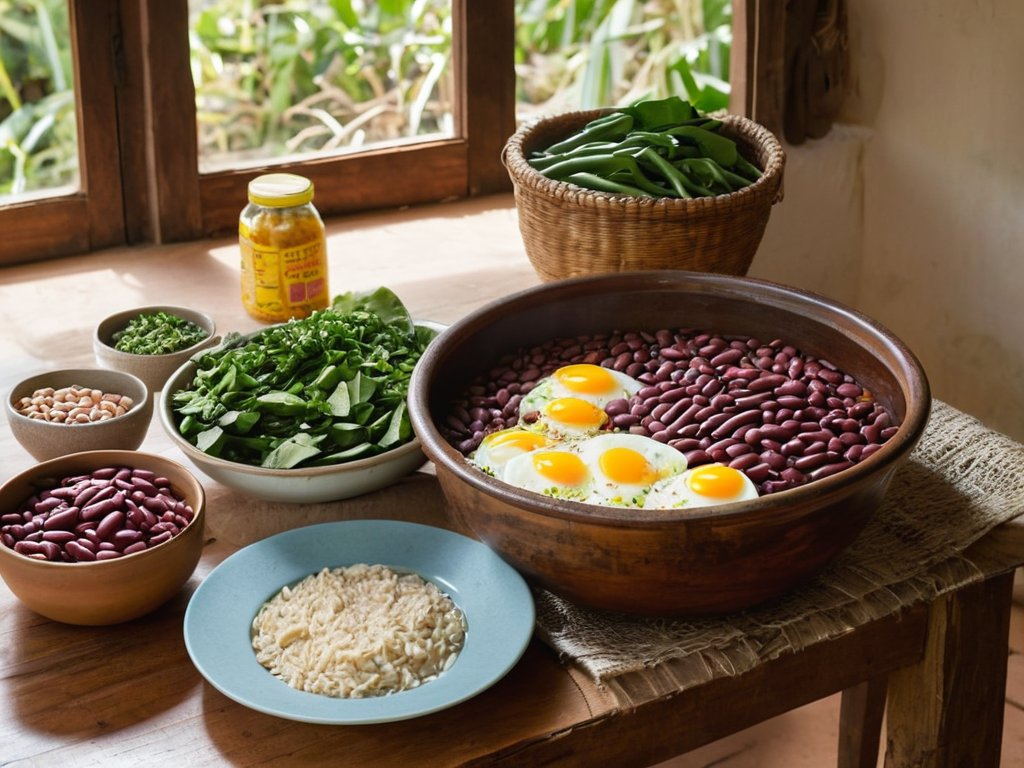
When I was stationed in a coastal town in Ghana, I discovered that a handful of cheap protein sources for meals—like dried beans, sardines, and eggs—can transform a modest pantry into a vibrant table. By pairing these staples with locally grown greens, I could craft nutritious meals under $5 that felt both comforting and exotic. One trick I carry with me is to buy beans in bulk during market days and pre‑soak them overnight; the next morning they’re ready to be simmered into a fragrant stew that will last for three days. Pair that with a quick stir‑fry of seasonal vegetables, and you have a low‑cost weekly menu idea that feeds a family of four without sacrificing flavor or nutrition.
Another habit I’ve cultivated on the road is to treat my kitchen like a micro‑embassy for cultural exchange. Using a budget‑friendly meal planning template, I map out each day’s dishes and note which ingredients can be repurposed across meals—think leftover quinoa becoming a base for a hearty lentil soup, or roasted carrots turning into a spiced salad topping. This habit not only streamlines how to batch cook on a budget but also cuts down on waste, allowing me to save money on pantry staples like rice, spices, and canned tomatoes. The result is a weekly menu that feels like a culinary passport, connecting the flavors of distant markets while keeping the ledger pleasantly balanced.
How to Batch Cook on a Budget With Cheap Protein
When I’m holed up in a modest kitchen in a hostel on the Silk Road, the first thing I do after a day of market‑hunting is pull out a pot of simmering lentils. Lentils, beans and split peas are the unsung diplomats of the pantry – they travel cheap, sit politely on the shelf for months, and transform with a pinch of cumin from Morocco or a splash of soy‑ginger from Taiwan. I cook a big batch (about two kilograms) with aromatics, then portion it into zip‑lock bags, each labeled with a date, a spice cue, and a tiny flag sticker I collect from the country that inspired the flavor.
Eggs and canned sardines are my “quick‑response” allies. A stovetop scramble with a handful of frozen peas, a drizzle of harissa, or a sardine‑and‑tomato toast can turn a weekday dinner into a mini‑embassy of taste without denting the budget. The trick is to pre‑cook the protein, cool it rapidly in an ice‑water bath, and store it in the coldest corner of the fridge; they stay fresh for up to five days, giving me the flexibility to mix‑and‑match with fresh veggies, rice, or flatbread I pick up at the next bazaar.
Lowcost Weekly Menu Ideas That Celebrate Global Flavors
I start each Monday by pulling out my trusty vintage globe, letting my finger land on a country that will inspire the week’s plates. For under $30, I can whisk together a fragrant Moroccan chickpea stew, served over a humble bed of couscous, followed by a bright Mexican street‑taco night where corn tortillas meet pantry‑staple black beans, roasted sweet‑potato cubes, and a squeeze of lime. Mid‑week, a simple Filipino adobo—just soy, vinegar, garlic, and chicken thighs—fills the kitchen with nostalgia, while a quick Indian dal, simmered with lentils, turmeric, and a handful of frozen peas, rounds out the menu. Each dish uses bulk staples—rice, legumes, seasonal veg—so the cost stays low, yet the aromas and spices transport me from Marrakech to Manila without leaving my tiny apartment. I pair each meal with tea or infused water, turning frugality into a celebration of shared humanity.
Key Takeaways
Plan your week around versatile, affordable proteins—lentils, eggs, and canned fish—so you can batch‑cook once and remix meals across cuisines without breaking the bank.
Build a global pantry of staple spices, sauces, and grains; a few well‑chosen ingredients let you transform the same base components into Indian, Mexican, Mediterranean, or Southeast Asian dishes each week.
Treat your meal plan as a cultural conversation: set aside a “theme day” to explore a new region, then use leftovers creatively, turning budget constraints into opportunities for flavor‑filled storytelling.
A Recipe for Connection

Budget meal planning isn’t just about stretching a pound; it’s about weaving stories from the markets of Delhi, the stalls of Marrakech, and the cafés of Lisbon into a single, nourishing tapestry that reminds us we all share the same hunger for belonging.
Alexandra Thompson
Wrapping Up: A Global, Budget‑Friendly Culinary Journey
Looking back over the steps I’ve laid out, the picture is clear: a successful budget meal plan starts with a simple budget sheet, a market trip for seasonal produce, and a pantry stocked with versatile staples like rice, beans, and lentils. From there, I encourage you to sketch a global flavors‑filled menu, swapping a Mexican‑style bean stew for a Moroccan chickpea tagine or a simple Indian dal for a hearty Italian pasta e fagioli. Batch‑cooking cheap protein—whether it’s a bulk‑cooked chicken thigh, a pot of boiled eggs, or a tofu stir‑fry—lets you portion out meals while keeping waste low. Finally, a quick weekly audit of leftovers and expenses keeps the budget‑friendly menu honest and adaptable.
Beyond spreadsheets and simmering pots, I see each affordable dish as a tiny act of food diplomacy, a whisper of distant kitchens into our own homes. When a family gathers around Ethiopian injera or Filipino adobo, the conversation often drifts to the streets where those recipes were born, sparking curiosity and empathy. I hope the framework I’ve shared becomes a passport you can pull out whenever the pantry feels empty or the wallet tight, reminding you that creativity thrives on constraints. Keep your globe turning, your skillet sizzling, and let every modest meal be a bridge that brings the world a little nearer.
Frequently Asked Questions
How can I keep my meals nutritious while staying under a tight budget?
I keep my plate balanced by anchoring each meal around a low‑cost protein—lentils, chickpeas, or a few eggs—then stretching it with seasonal veggies and a handful of whole‑grain carbs. A quick trick is to buy frozen greens in bulk; they retain nutrients and last weeks. Spice blends from my vintage globe collection add flavor without extra cost, while a splash of citrus or a drizzle of olive oil supplies the healthy fats our bodies crave.
What are some pantry staples that stretch across different cuisines without breaking the bank?
I keep a modest pantry that feels like a passport to any kitchen. A bag of lentils or split peas, sturdy enough for Indian dal, Mexican frijoles, and a hearty Italian soup. A jar of tomatoes—canned whole, crushed, or sun‑dried—turns into shakshuka, salsa, or marinara in a flash. Basics like rice, oats, and neutral‑flavored oil bridge Thai fried rice, Middle‑Eastern pilaf, and a simple British porridge. A handful of spices—cumin, paprika, and turmeric—add depth without draining the wallet.
How do I store and reheat batch‑cooked meals so they stay tasty throughout the week?
I treat batch‑cooked dishes like travelers—pack them, give them room to breathe, and revive them gently. Cool food completely, then split it into glass jars or BPA‑free containers; a thin layer of oil or broth on top keeps sauces from drying. Store proteins on the bottom, veggies on top, and label dates. To reheat, add a splash of water in a pan or a microwave burst, covering with a damp paper towel so steam restores texture.