As I sat in a small café in Tokyo, surrounded by the quiet hum of technology, I couldn’t help but think about the common misconceptions surrounding how 5G will enable smart cities. So often, the conversation revolves around expensive, high-tech solutions that seem to prioritize innovation over inclusivity. But what about the everyday people who will be living and working in these cities? Don’t they deserve a say in how their communities are shaped by this technology? I’ve seen firsthand how 5G can be a powerful tool for connection and growth, but only if we approach it with a focus on community-driven development.
In this article, I promise to cut through the hype and provide a no-nonsense look at the ways in which 5G is actually being used to create more livable, sustainable cities. From smart traffic management to innovative public services, I’ll be sharing real-world examples of how 5G is making a tangible difference in the lives of citizens around the world. My goal is to provide you with a deeper understanding of the potential of 5G, and to inspire you to think critically about the role that technology can play in shaping our shared future. By the end of this journey, you’ll have a clearer sense of how 5G will enable smart cities that are truly of the people, by the people, and for the people.
Table of Contents
Weaving Smart Cities
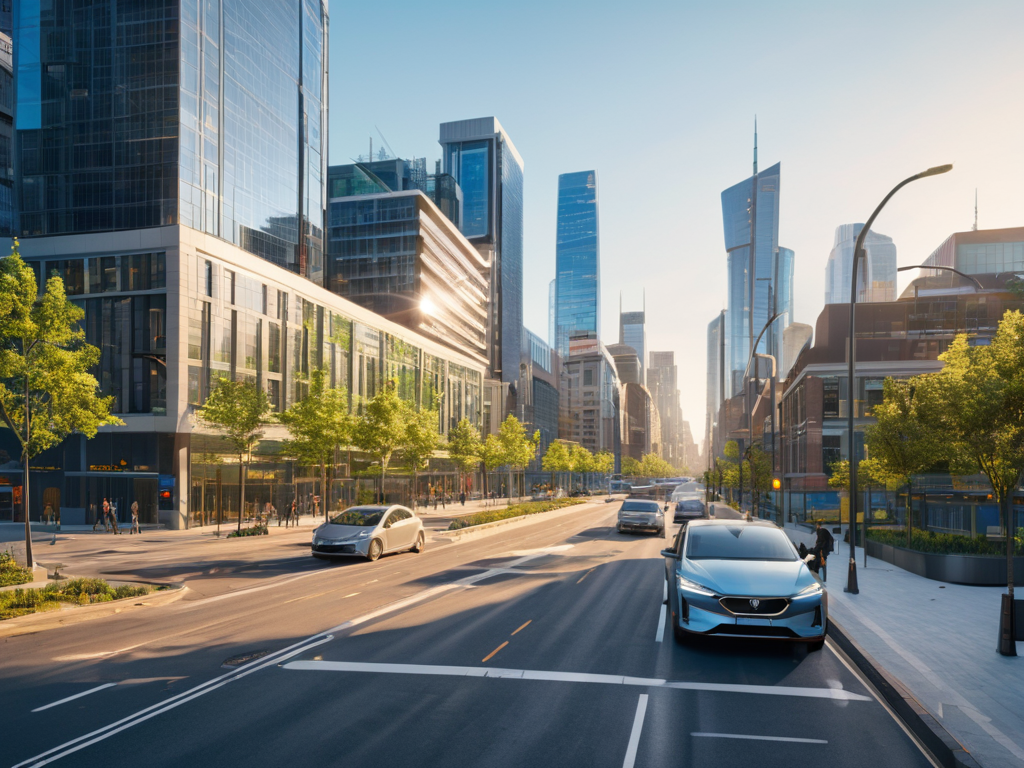
As I traverse the globe, I’ve had the privilege of witnessing the transformation of urban landscapes. The integration of 5G network architecture for IoT is revolutionizing the way cities function, making them more efficient and sustainable. I recall a visit to a city in Asia where smart traffic management systems were being implemented, reducing congestion and pollution. This not only improved the quality of life for residents but also attracted businesses and tourists, boosting the local economy.
The impact of 5G on urban planning is multifaceted. It enables the development of smart city infrastructure, which includes intelligent public transportation systems, energy-efficient buildings, and waste management systems. For instance, 5G-enabled public transportation systems can optimize routes, reducing travel time and emissions. This, in turn, can lead to a significant decrease in carbon footprint, making cities more environmentally friendly.
As cities become increasingly reliant on data-driven decision making, smart city data management solutions are crucial. The 5G wireless communication network provides a robust framework for collecting, analyzing, and acting upon vast amounts of data from various sources, including sensors, cameras, and IoT devices. This enables city planners to make informed decisions, creating a more harmonious urban ecosystem that balances the needs of residents, businesses, and the environment.
5g Network Architecture for Iot
As I delve into the world of smart cities, I’m fascinated by the role of 5G in enabling the Internet of Things (IoT). This technology has the potential to transform urban landscapes, making them more efficient and responsive to the needs of citizens. With 5G, cities can become more connected, with sensors and devices working together to create a seamless experience.
The 5G network architecture is designed to support a vast number of devices, making it an ideal platform for IoT innovation. This allows for the creation of smart infrastructure, such as intelligent transportation systems and energy management platforms, which can greatly improve the quality of life in urban areas.
Smart City Infrastructure Development
As I reflect on my travels to cities like Tokyo and New York, I’ve noticed the impact of integrated urban planning on the daily lives of residents. The development of smart city infrastructure is not just about installing sensors and cameras, but about creating a holistic system that improves the overall quality of life. From efficient public transportation to optimized waste management, every aspect of urban planning plays a crucial role in shaping the citizen experience.
The key to successful smart city infrastructure development lies in strategic collaboration between government agencies, private companies, and community groups. By working together, cities can leverage cutting-edge technologies like 5G to create innovative solutions that address specific urban challenges, such as traffic congestion or energy consumption.
How 5g Enables Smart Cities
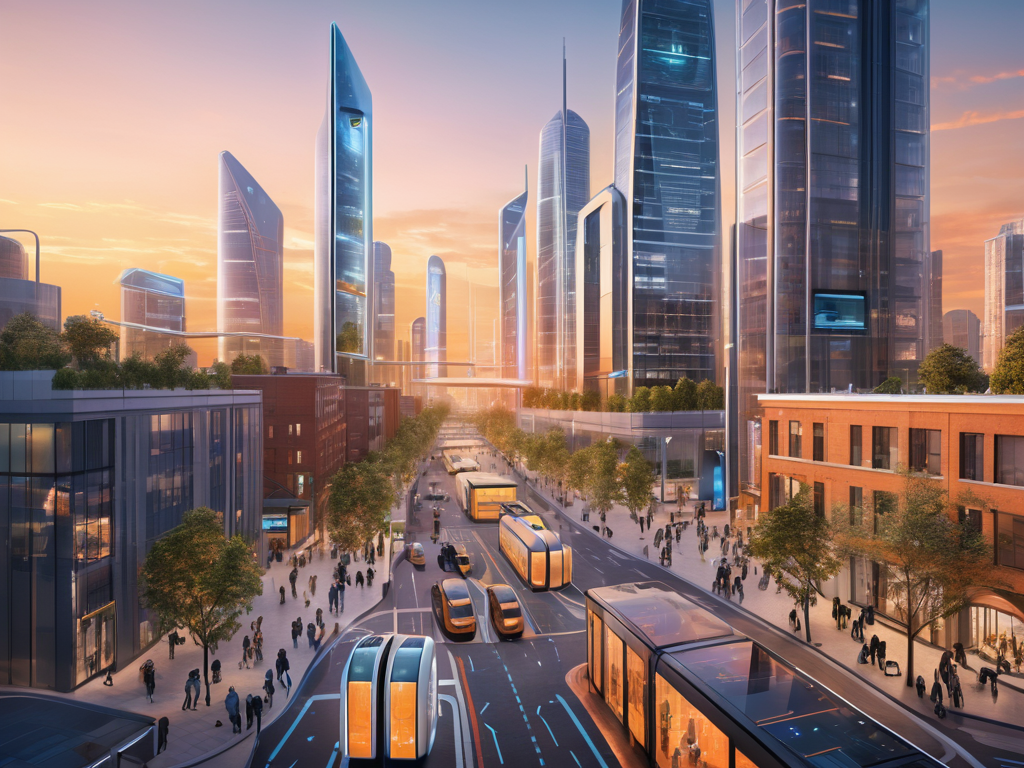
As I reflect on my travels to remote locations, I’ve noticed the vast potential of smart city infrastructure development in transforming urban landscapes. The 5G network architecture for IoT plays a crucial role in enabling smart cities, where devices and sensors can communicate seamlessly, creating a more efficient and connected environment. This, in turn, can have a significant impact of 5G on urban planning, allowing cities to adapt and evolve in response to the needs of their citizens.
One of the most exciting applications of 5G in smart cities is the development of 5G enabled public transportation systems. Imagine being able to track the exact location and arrival time of your bus or train, or receiving real-time updates on traffic congestion. This level of connectivity can greatly improve the daily commute, making it faster, more reliable, and more convenient. Furthermore, smart city data management solutions can help cities analyze and optimize their transportation systems, reducing congestion and pollution.
As we look to the future, it’s clear that 5G will play a vital role in shaping the urban experience. With the advent of 5G wireless communication for autonomous vehicles, we can expect to see even more innovative solutions emerge, from self-driving cars to smart traffic management systems. By embracing these technologies, cities can become more livable, sustainable, and connected, ultimately improving the quality of life for their citizens.
5g Enabled Public Transportation Systems
As I reflect on my travels to Tokyo and New York, I’ve witnessed firsthand the potential of integrated transportation systems. The introduction of 5G technology is set to revolutionize the way we move around cities, making public transportation more efficient and reliable.
In cities like London, real-time traffic management will become a reality, allowing for quicker response times to accidents and congestion. This, in turn, will reduce commute times and make public transportation a more appealing option for citizens, ultimately decreasing traffic congestion and pollution.
Impact of 5g on Urban Planning
As I reflect on the potential of 5G in urban planning, I am reminded of the vibrant streets of Tokyo, where technology seamlessly integrates with daily life. The efficient use of data will be crucial in designing cities that are more responsive to the needs of their inhabitants. This could lead to more effective management of resources, such as energy and water, and a significant reduction in waste.
The impact of 5G on urban planning will also be felt in the way cities are designed to promote sustainability. With the ability to collect and analyze vast amounts of data, city planners will be able to create more inclusive public spaces that cater to the diverse needs of the population, from green areas to public transportation systems.
Thriving in the 5G Era: 5 Essential Tips for Smart City Development
- Embrace Interconnectedness: Design city infrastructure that seamlessly integrates 5G technology to enhance public services and resident experiences
- Leverage Data Analytics: Utilize the vast amounts of data generated by 5G networks to inform urban planning decisions and optimize resource allocation
- Foster Collaborative Ecosystems: Encourage partnerships between government agencies, private enterprises, and citizens to drive innovation and ensure equitable access to 5G-enabled services
- Prioritize Cybersecurity: Implement robust security measures to protect sensitive information and prevent potential breaches in the expanded 5G network
- Empower Digital Literacy: Invest in educational programs and initiatives that promote digital skills and awareness among citizens, ensuring they can effectively utilize and benefit from 5G-enabled smart city services
Key Takeaways: Navigating the Future of Smart Cities
I’ve come to realize that the true power of 5G lies not just in its technology, but in its ability to weave together disparate lives and cultures, creating a tapestry of innovation and progress in our cities
The implementation of 5G-enabled smart city infrastructure has the potential to revolutionize urban planning, from intelligent traffic management to smart public transportation systems, making our cities more efficient, sustainable, and livable
As I reflect on my travels to remote locations and experiences with different cultures, I’m reminded that the impact of 5G on smart cities is not just about technological advancements, but about the human stories and connections that emerge when we harness its power to create more compassionate, inclusive, and interconnected communities
Envisioning the Future
As we embark on this journey of intertwining lives, cultures, and innovations, 5G stands as the thread that weaves together the tapestry of smart cities, where technology and humanity converge to create a world that is not just connected, but truly interconnected.
Alexandra Thompson
Conclusion
As we reflect on the journey of smart city development, it’s clear that 5G technology plays a pivotal role in weaving together the fabric of our urban landscapes. From 5G network architecture to smart city infrastructure development, and from the impact of 5G on urban planning to 5G-enabled public transportation systems, each element contributes to a cohesive narrative of innovation and progress. The integration of 5G into our cities is not just about technological advancement; it’s about creating a more sustainable, efficient, and connected community.
As we stand at the threshold of this new era, we’re reminded that the true power of 5G lies not in its technology, but in its potential to transform lives. Imagine a future where cities are designed with empathy, where technology serves humanity, and where the boundaries of distance and culture are bridged through global connectivity. This is the promise of 5G-enabled smart cities – a promise that invites us to dream big, to innovate fearlessly, and to craft a world that is more just, more equitable, and more wondrous than we ever thought possible.
Frequently Asked Questions
How will 5G networks ensure the security and privacy of citizen data in smart cities?
As I’ve seen in my travels to innovative cities, 5G networks will prioritize data encryption and secure authentication protocols to safeguard citizen information, ensuring that smart city benefits don’t come at the cost of personal privacy.
What role will 5G play in bridging the digital divide and providing equal access to smart city services for all residents?
As I’ve witnessed in my travels, 5G has the potential to bridge the digital divide by providing high-speed internet to underserved communities, thereby ensuring equal access to smart city services, such as telemedicine and online education, for all residents, regardless of their socio-economic background.
Can 5G-enabled smart cities truly become sustainable and environmentally friendly, or will they perpetuate existing urban challenges?
As I’ve witnessed in my travels to innovative cities, 5G-enabled smart cities can indeed become beacons of sustainability, with efficient energy management and reduced waste, but it’s crucial to prioritize eco-friendly infrastructure and community-driven initiatives to avoid exacerbating existing urban challenges.