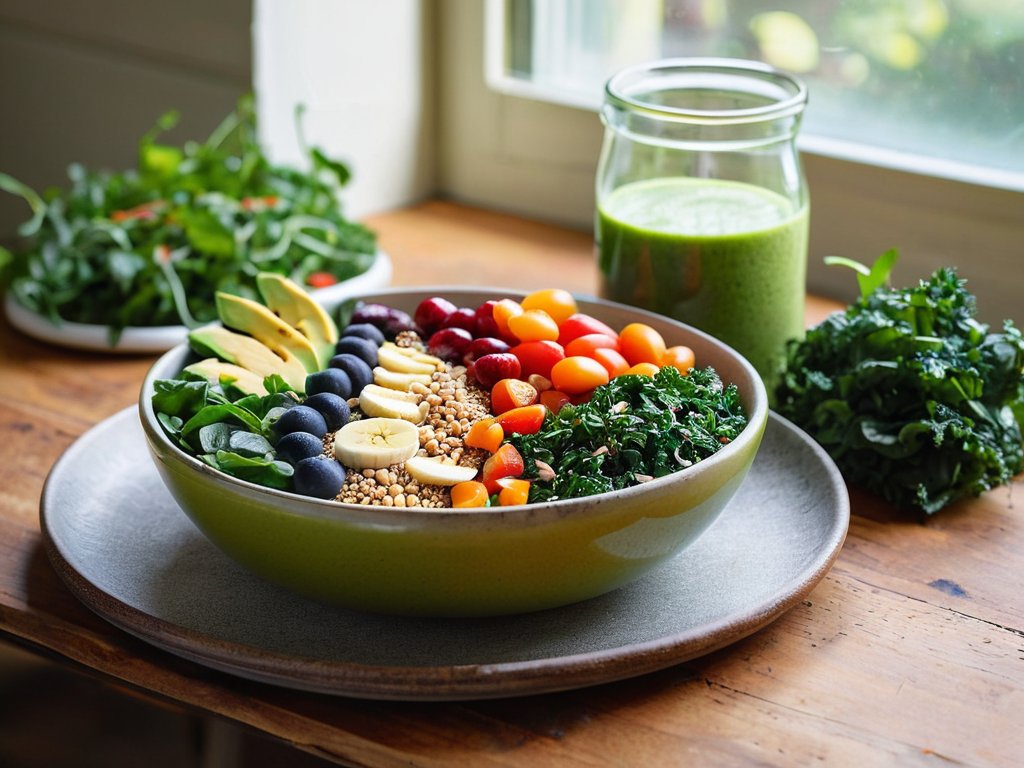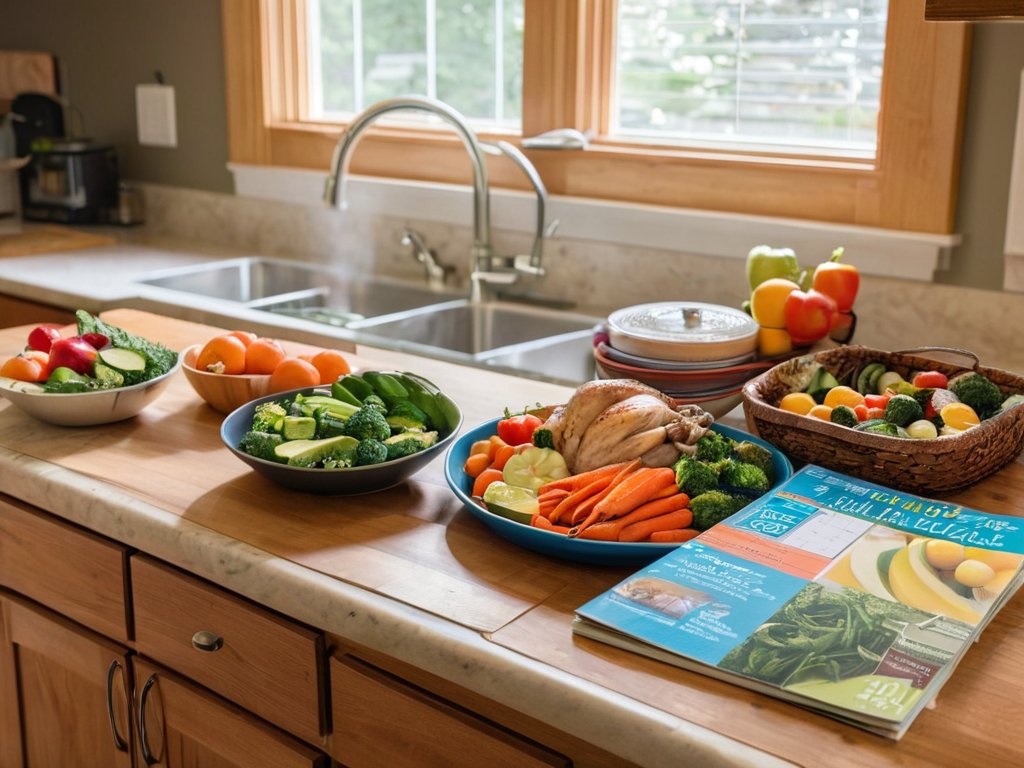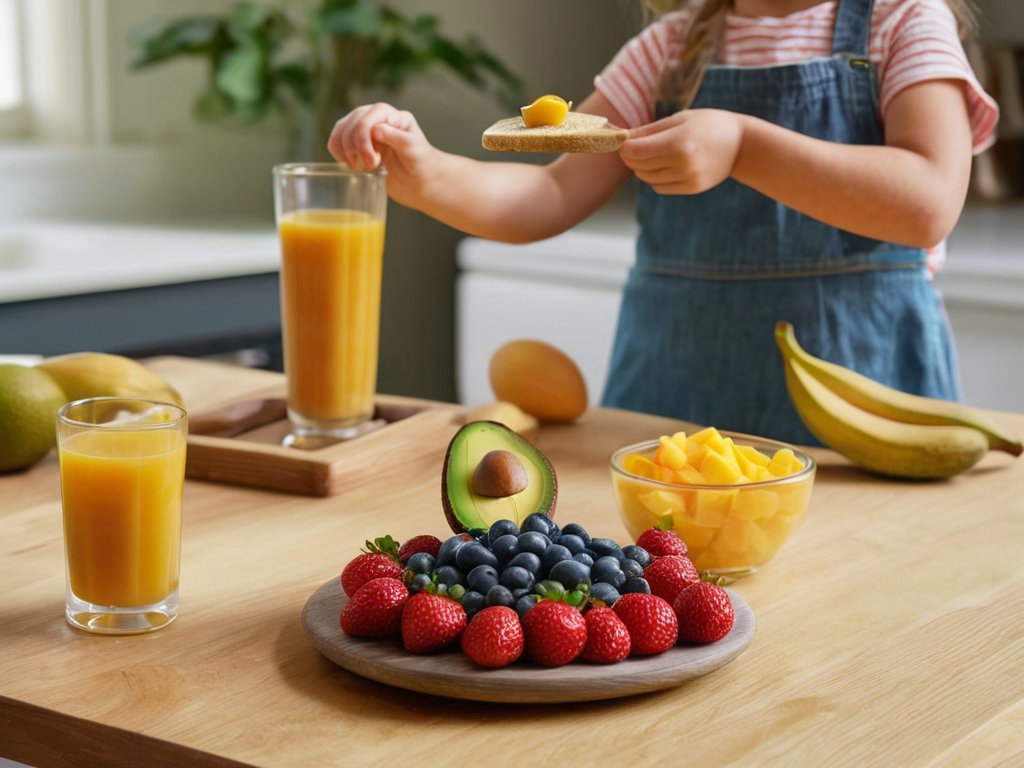
Ever walked into a kitchen and found the snack drawer empty, the kids eyeing you with that hopeful grin that says, ‘What’s for lunch?’ In my years shuttling between bustling Delhi bazaars and quiet London flats, I’ve learned that the most memorable meals often begin with a humble bite‑size creation. That’s why I’m obsessed with gathering snack ideas kids can make—not just to fill a stomach, but to spark curiosity, teach a tiny lesson in geography, and give little hands a sense of accomplishment before the school bell rings. It feels like a passport stamped in the pantry.
In the next few minutes I’ll walk you through five quick, kitchen‑friendly projects that turn ordinary pantry staples into little ambassadors of flavor. From a no‑bake Mango‑Chili Trail Mix that whispers Indian street‑food vibes, to a playful “mini‑pita pizza” that lets children design their own flags, each recipe is deliberately simple, nutritionally balanced, and adaptable to any fridge. By the end of this listicle you’ll have a ready‑to‑share toolkit that turns snack time into a miniature cultural exchange—one bite at a time. You’ll also get a tip for storing leftovers safely.
Table of Contents
Mini Samosa Adventures

I love watching kids transform a simple sheet of filo into hand‑rolled samosa bites, sprinkling in a pinch of cumin, coriander, and a dash of turmeric that reminds me of bustling Delhi bazaars. The tactile process of folding each corner teaches patience, and the aroma that fills the kitchen becomes a bridge between home and the streets of South Asia.
When we finish, we bake them until they achieve a golden crisp that cracks delightfully under a tiny fingertip. The kids proudly line them up on a plate, sharing stories of imagined markets, and I can’t help but feel we’ve turned a snack into a miniature cultural exchange.
Rainbow Trail Mix

Gathering dried mango, apricot, pistachios, and a handful of sunflower seeds, the children create a colorful mosaic that looks like a sunrise over the Sahara. Each ingredient carries its own tale—sweetness from tropical orchards, earthiness from Mediterranean groves—making the mix a edible map.
We toss the blend together while swapping anecdotes about the places these foods originate from, turning the snack into a moment of snack diplomacy where curiosity fuels conversation as much as flavor.
Worldly Energy Balls

With rolled oats, mashed dates, a spoonful of cocoa, and a whisper of chai spice, the kids roll no‑bake energy balls that feel like tiny globes of comfort. The sticky texture invites them to press and shape, each sphere becoming a miniature planet in their palm.
Once chilled, these bite‑sized orbs become portable power for after‑school adventures, and the children love inventing names—“Mombasa Marvels” or “Andean Ambassadors”—that spark a sense of global ownership over their snack.
Pocket‑Size Pita Picnic
We start by cutting soft pita pockets into bite‑sized rounds, then fill them with creamy hummus, crisp cucumber ribbons, and a sprinkle of pomegranate seeds, creating mini pita pockets that are as inviting as a market stall in Istanbul. The act of stuffing each pocket becomes a gentle lesson in proportion and balance.
Served with a drizzle of olive oil and a dash of sumac, the snack carries the taste of the Levant and invites kids to imagine themselves wandering through ancient souks, tasting history with every bite.
Rice Cake Turtles
A thin rice cake becomes a canvas for a swirl of peanut butter, a drizzle of dark chocolate, and a handful of toasted coconut, forming whimsical turtle shells that glide across the plate. The kids love the tactile contrast—smooth spread against crunchy topping—while learning about the sea turtles that inspire the design.
We name each creation after a different ocean—“Pacific Protector,” “Atlantic Adventurer”—turning snack time into a celebration of global guardians and reminding young minds of the ecosystems that connect us all.
What to Remember When Crafting Kid‑Friendly Global Snacks
Encourage creativity: Let children mix colors, textures, and flavors—just as I did while swapping stories on a remote island—so the snack becomes a personal adventure, not a rigid recipe.
Keep it simple and safe: Choose ingredients that are easy to handle, require minimal heat, and avoid common allergens, ensuring the kitchen stays a playground rather than a hazard.
Celebrate the story behind each bite: Share a quick cultural tidbit about the snack’s origin; it turns a tasty treat into a portal for global curiosity and conversation.
Snack Stories Across Borders
When children craft their own bites, they aren’t just feeding hunger—they are weaving tiny cultural tapestries, one flavor at a time.
Alexandra Thompson
Snack Adventures: A Closing Reflection
Looking back at the five snack projects, we see a common thread: simple ingredients can become portals to imagination and culture. The rainbow fruit kebabs turn a bowl of fresh berries, mango and kiwi into a vibrant colour‑code that teaches kids about nutrition while sparking conversation about tropical markets. DIY trail‑mix invites children to balance sweet, salty and crunchy, echoing bustling bazaars of Marrakech. Mini pita pizzas let them fold, top and bake, a nod to communal ovens of the Mediterranean. Banana sushi rolls the familiar into a playful, sushi‑style presentation, while no‑bake energy bites blend dates, oats and cocoa for a handheld boost that feels like a passport stamp. Together these ideas prove that creative kitchen moments need not be elaborate, yet they deliver global flavors on the plate.
Beyond the taste, each snack becomes a story we share around the kitchen table, inviting children to become little ambassadors of curiosity. When they sprinkle sesame on banana sushi or name the continents represented by their fruit kebabs, they are practising the very dialogue that once guided my diplomatic missions. I hope these recipes inspire families to taste the world together, turning everyday meals into chapters of a shared adventure. May crumbs and laughter linger long after the plates are cleared, reminding us that the simplest bites can forge shared memories that echo across borders.
Frequently Asked Questions
What are some snack ideas that are both nutritious and easy for kids to assemble on their own?
One of my favorite quick‑grab snacks is a DIY “rainbow wrap”: whole‑wheat tortillas, a smear of hummus, and thin strips of carrot, cucumber, bell pepper and beet—kids can roll them up and watch the colors swirl. Another is a yogurt‑parfait station: Greek yogurt, a drizzle of honey, granola, and fresh berries, layered in a mason jar. Finally, I love “energy‑ball” kits—rolled oats, nut butter, raisins and a pinch of cocoa, mixed and rolled into bite‑size spheres.
How can I adapt these snack recipes for children with common food allergies or dietary restrictions?
Whenever a child can’t have gluten, nuts, dairy, or eggs, I start by swapping the usual base with a simple stand‑in: oat or rice flour for gluten‑free, sunflower seed butter for nut‑free, plant‑based milks and yogurts for dairy, and mashed banana or flax‑egg for eggs. The flavors stay true—cinnamon, cocoa, or a splash of citrus—while the textures stay kid‑friendly. A quick taste test lets me tweak sweetness or crunch before the little ones dive in.
What kitchen tools or safety tips should I keep in mind when encouraging kids to make snacks independently?
First, I always keep a sturdy, non‑slip cutting board and a child‑size chef’s knife—blunted, with a rounded tip—so little hands feel confident without the edge of a professional blade. A set of silicone tongs, a small whisk, and a sturdy mixing bowl with a wide lip help them stir safely. Teach them to wash hands, dry surfaces, and never leave appliances on unattended. Finally, keep a fire‑extinguisher and a first‑aid kit within arm’s reach.