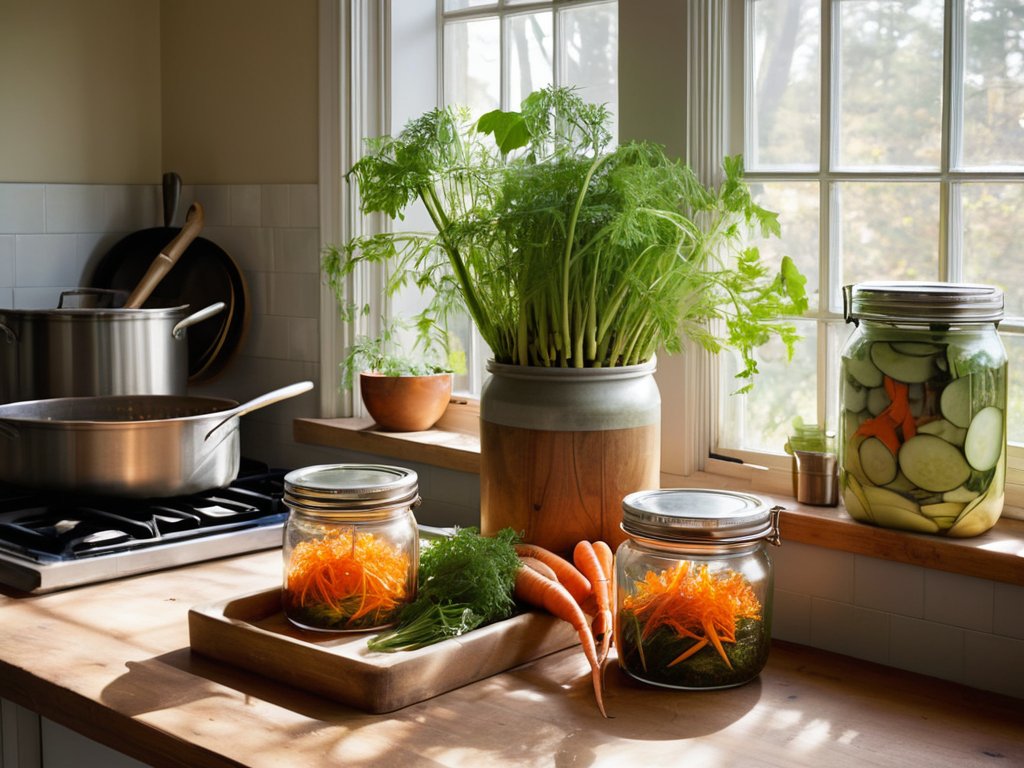
Imagine me, sleeves rolled up, the heat of a makeshift kitchen in a remote Peruvian village pressing against my back, as I scramble to rescue a pile of carrot tops, onion skins, and wilted kale before they slip into the fire. For years I heard the same dismissive refrain—‘vegetable scraps are just waste.’ Yet that night, those humble leftovers became the backbone of a broth that fed a dozen strangers and sparked a conversation about food security across the Andes. It was a reminder that the things we discard can also be the things that connect us.
In the next few minutes I’ll walk you through the exact steps I use to turn today’s vegetable scraps into tomorrow’s pantry heroes: how to sort and store them for maximum flavor, the quick‑fire stock recipe that needs only a pot and patience, and three low‑key tricks for turning peels into pickles, powders, or compost that feeds a balcony garden. No jargon, no glossy hype—just the kind of no‑fluff guidance that helped me write a diplomatic briefing on food resilience and that can fit into a busy kitchen anywhere.
Table of Contents
- Project Overview
- Step-by-Step Instructions
- Vegetable Scraps Unveiling Global Stories of Waste and Flavor
- From Peels to Pesto Fermenting Veggie Scraps Into Flavorful Sauces
- Zero Waste Kitchen Tips Storing Scraps for Vegetable Stock Compost
- From Scraps to Savvy: 5 Practical Tips for a Zero‑Waste Kitchen
- Key Takeaways: Turning Scraps into Stories & Sustainability
- The Hidden Narrative of Scraps
- Conclusion
- Frequently Asked Questions
Project Overview
Total Time: 1 hour 30 minutes
Estimated Cost: $5 – $10
Difficulty Level: Easy
Tools Required
- Chef’s Knife ((sharp for easy chopping))
- Cutting Board
- Large Pot (3‑quart capacity or larger)
- Strainer (Fine mesh preferred)
- Measuring Cups
Supplies & Materials
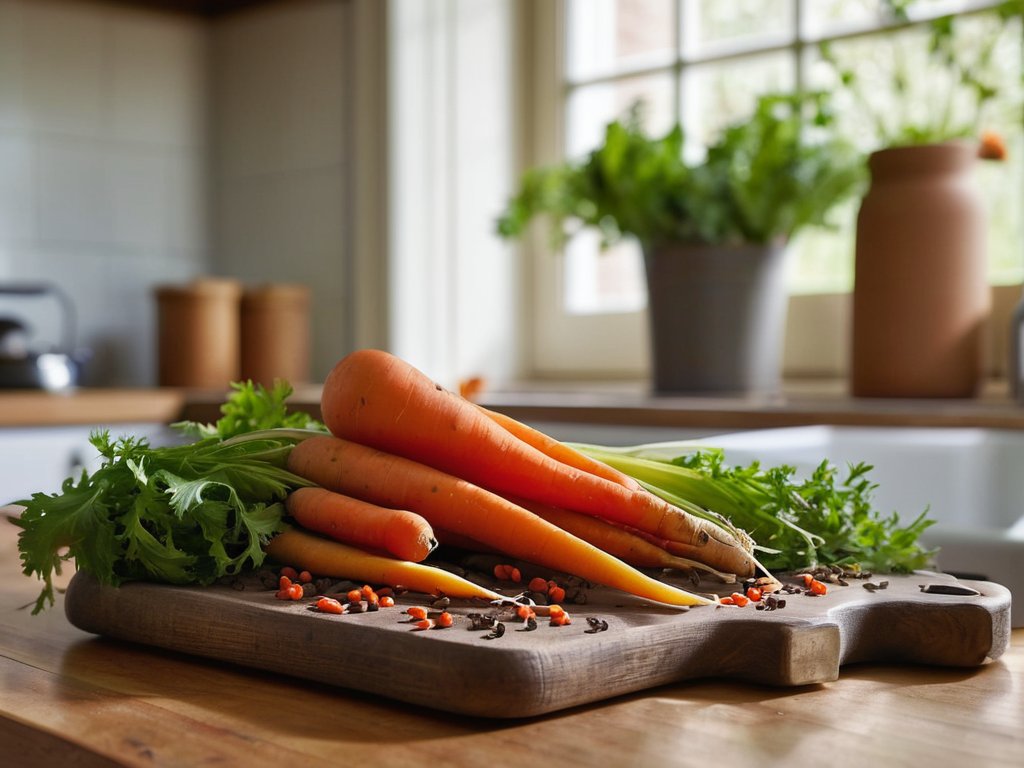
- Vegetable Scraps (Carrots, onions, celery, garlic, mushroom stems, etc.)
- Water (Enough to cover the scraps in the pot)
- Salt (1‑2 teaspoons, optional)
- Herbs or Spices (Bay leaf, peppercorns, thyme (optional))
- Ice Cube Trays (For freezing leftover broth)
Step-by-Step Instructions
- 1. First, I gather the scraps that have been waiting in my kitchen drawer—think carrot tops, onion skins, and the ends of celery. I rinse them under cold water, pat them dry with a clean kitchen towel, and set them aside in a wide‑mouthed bowl so they’re ready for the next stage.
- 2. Next, I transform the raw pieces into a fragrant base by sautéing them gently. Heat a splash of olive oil in a sturdy skillet, toss in the vegetable remnants, and let them whisper their aromas for 3–4 minutes, stirring occasionally until they turn a soft golden hue.
- 3. While the aromatics are dancing, I prepare a hearty broth that will carry the flavors across borders. Add the sautéed scraps to a large pot, pour in enough filtered water to cover them by an inch, and sprinkle in a pinch of sea salt, a bay leaf, and a few peppercorns; bring the mixture to a gentle boil, then lower the heat and let it simmer for 30 minutes, stirring occasionally.
- 4. After the broth has simmered, I strain it through a fine‑mesh sieve or cheesecloth into a clean container, pressing the solids gently to extract every last drop of essence. Discard the spent vegetables (or compost them, if you’re feeling extra earth‑friendly) and set the clear, amber liquid aside for the next step.
- 5. Now comes the creative part: I infuse the strained broth with complementary ingredients that echo the cultural story I want to tell. Add a handful of chopped fresh herbs—perhaps cilantro from a South Asian market or parsley from a Mediterranean stall—along with a splash of lemon juice or a dash of soy sauce, depending on the flavor direction you’re aiming for. Let it sit for 5 minutes to marry the tastes.
- 6. Finally, I serve the revitalized broth as a warming sip or a base for soups, grain bowls, or stir‑fries. Pour it into a mug, garnish with a sprig of the herb you used, and take a moment to appreciate how a humble collection of vegetable scraps has traveled from your cutting board to a global conversation in a single, nourishing bowl.
Vegetable Scraps Unveiling Global Stories of Waste and Flavor
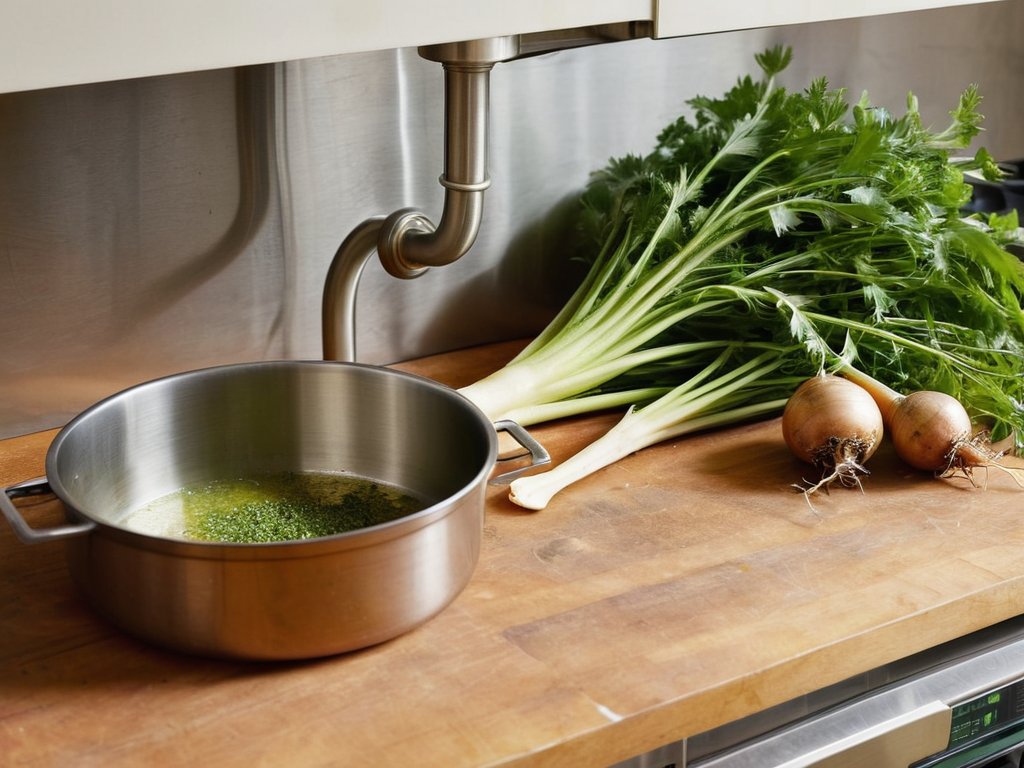
Whenever I return from a market in Marrakech, I’m reminded that humble carrot tops or onion skins can become the backbone of a comforting soup. Back in my London flat, I keep a zip‑lock bag in the freezer, tossing in any greens, stems, or cores I rescue from the board. Within a day they’re ready for a quick veggie scrap broth, a liquid that carries the scent of distant spice routes and the memory of kitchens where nothing is discarded. This habit stretches my budget and aligns with the zero waste kitchen tips I share with fellow travelers.
On a recent trek through the rice terraces of Bali, I learned that the same peelings I’d toss could feed the soil for the next harvest. By layering carrot skins, potato eyes, and citrus rinds in a narrow compost bin, the microbes break them down into dark, crumbly humus—what I like to call composting vegetable peels in practice. For those who love a tangy spread, blending the fermented leftovers with basil and nuts yields a remarkably bright veggie scrap pesto, proof that a pinch of patience turns waste into flavor.
From Peels to Pesto Fermenting Veggie Scraps Into Flavorful Sauces
On a monsoon afternoon in Kerala, I watched a grandmother coax a cloud of tangy aroma from leftover bitter‑gourd skins, chilies, and curry leaves, all tucked into a simple earthen jar. Back in my London flat, I tried the same alchemy with carrot tops, beet peels, and wilted kale fronds, adding sea salt and a splash of apple cider vinegar. Within days, bubbles rose, turning a humble waste bin into a living pantry.
The magic lies in lacto‑fermentation that softens fibrous peels and awakens hidden umami. After a week, I blend the briny broth with toasted pine nuts, a drizzle of olive oil, and basil, letting the sauce thicken into a pesto that sings of Indian street markets and Tuscan kitchens. It’s a reminder that every discarded strip can travel across continents, turning tables into meeting points for stories we rarely hear.
Zero Waste Kitchen Tips Storing Scraps for Vegetable Stock Compost
Whenever I open the kitchen in a tiny flat in Lisbon or a bustling home in Delhi, I reach for the same hero: a wide‑mouth mason jar. I toss carrot tops, onion skins, celery leaves, even kaffir‑lime leaves into the jar, seal it, and slide it into the freezer. The cold halts decay, so by weekend I have a ready‑to‑go bag of mixed scraps that turns into a fragrant stock with just water and a pinch of salt.
Back at home in my garden courtyard, the same scraps find a second life in compost. I layer frozen pieces with coffee grounds, shredded newspaper, and a splash of soil, turning the pile weekly to keep it aerobic. Community compost hubs in Asian cities turn kitchen waste into tea for rooftop farms, while banana‑peel mulch in rural Kenya conserves moisture for millet fields.
From Scraps to Savvy: 5 Practical Tips for a Zero‑Waste Kitchen
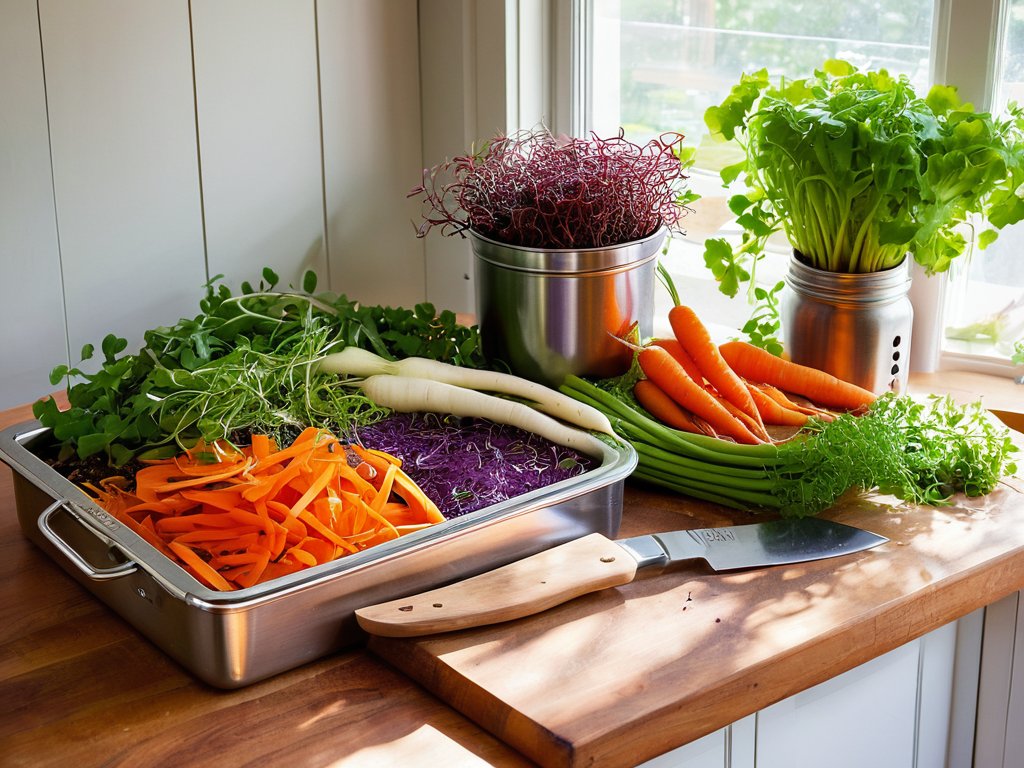
- Keep a dedicated “scrap bin” in the fridge—thinly slice carrots, celery, and onion skins so they stay fresh for stock or broth.
- Turn citrus peels into cleaning power: simmer them with vinegar for a natural kitchen degreaser and fresh scent.
- Create a quick “veggie‑stock sachet” by bundling scraps in cheesecloth; freeze in portions for a ready‑to‑use flavor boost.
- Ferment leftover greens and herb stems with a pinch of salt to make tangy, probiotic‑rich sauces that last weeks in the fridge.
- Dry tomato skins and pepper tops in a low‑heat oven, then grind into a smoky seasoning that adds depth to soups and stews.
Key Takeaways: Turning Scraps into Stories & Sustainability
A handful of veggie peels can become a cultural bridge—ferment them into sauces and share the flavors of distant kitchens, sparking conversation beyond the plate.
Storing scraps for stock or compost isn’t just waste‑reduction; it’s a small act of global stewardship that echoes the interconnectedness we experience in diplomacy and travel.
Every zero‑waste habit you adopt writes a new chapter in the larger narrative of food equity—by reclaiming what’s discarded, you help shift the story from excess toward shared abundance.
The Hidden Narrative of Scraps
Every vegetable peel I rescue is a whispered reminder that the planet’s bounty is a dialogue—not a disposable resource; when we honor the scraps, we honor the stories they carry across continents.
Alexandra Thompson
Conclusion
Looking back on the journey from the kitchen counter to the world map, I see how the humble remnants of carrots, onions, and kale can rewrite the story of waste. We have explored how a simple peel can become a vibrant pesto, how a splash of brine can coax fermented sauces that echo the tang of kimchi and the depth of Italian marinara, and how a handful of scraps tucked into a pot can yield a broth that carries the soul of a family kitchen. Alongside these culinary experiments, I offered practical zero‑waste kitchen tips—proper storage, quick‑freeze methods, and composting hacks—that turn every leftover into an ingredient for flavor or a seed for soil.
As I close this chapter, I hope each of you feels the invitation to let vegetable scraps become a bridge between plate and planet, between culture and conversation. The next time a carrot top slips into the trash, imagine it traveling across continents—maybe ending up in a broth for a student in Nairobi or a fermented sauce on a Lisbon rooftop. By treating waste as a passport, we keep the dialogue alive, enriching our meals and our understanding of one another. Let us keep the globe turning, one peel, one spoonful, one story at a time, and together we can spark a global conversation about sustainability and shared taste.
Frequently Asked Questions
How can I safely store different types of vegetable scraps to keep them fresh longer?
I treat each scrap like a small ambassador of its origin. Leafy greens and herbs stay crisp in a damp paper towel inside a zip‑lock, then a fridge drawer; carrots, celery, and peppers are best in an airtight container with a splash of water, changing it daily. Roots and onions prefer a cool, dark pantry in a breathable mesh bag. By separating moisture‑rich from dry pieces, I extend freshness and keep my future sauces and stocks vibrant.
What are the best ways to turn tough or bitter peels into palatable dishes without compromising flavor?
I’ve learned on a kitchen‑stall in Marrakech that bitter peels can become a treat. First, give them blanch in salted water to soften fibers and mute sharpness. Then toss softened strips with olive oil, a pinch of sea‑salt, and a drizzle of honey or miso before roasting—caramelisation turns zucchini or eggplant skins into chips. For soups, grind peels into powder, blend with aromatics, and finish with a splash of citrus to balance the bite.
Can I use vegetable scraps from non-organic produce in my cooking, or should I stick to organic only?
Honestly, I’ve simmered broth from both organic and conventional scraps on my travels—from a rooftop garden in Delhi to a farmer’s kitchen in Tuscany—and the difference is subtle. The key is thorough washing; a quick soak in salted water or a gentle vinegar rinse removes most surface residues. If a produce line is heavily sprayed, you might peel or discard the outer layer, but there’s no rule that forces you to stick only to organic.