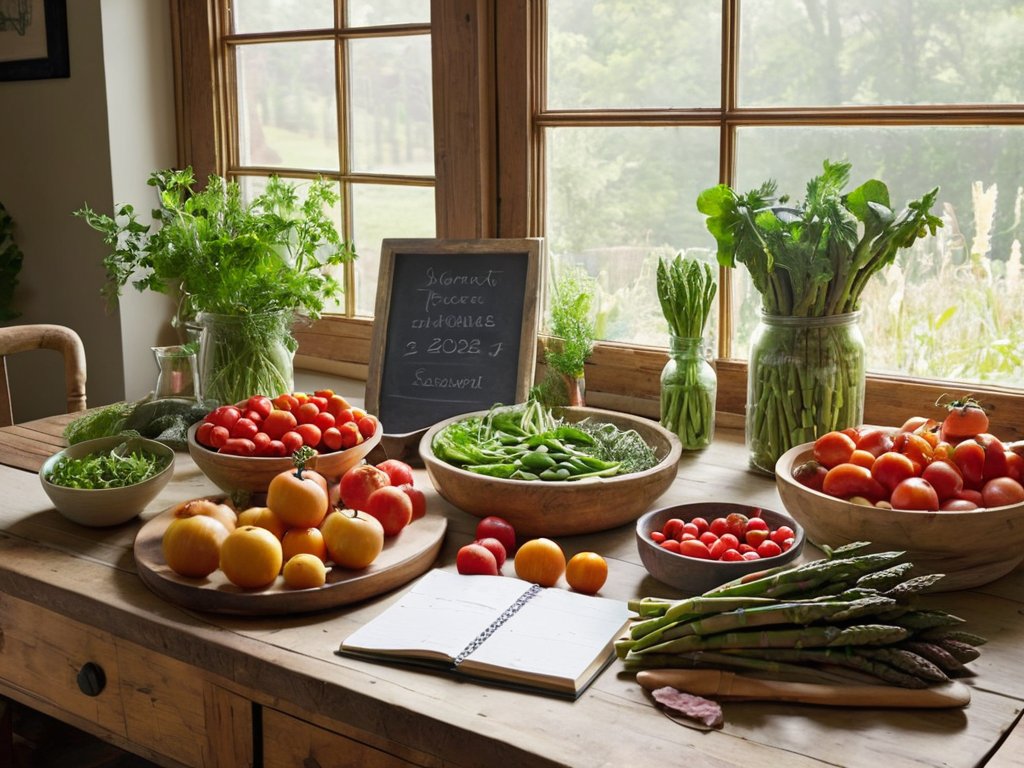
In the middle of a sweltering afternoon in Oaxaca, I was crouched on a cracked terracotta floor, a bottle of lemon‑infused vinegar in one hand and a rag soaked in tea‑tree oil in the other, trying to coax the stubborn grease off a copper pot that had fed my host family for generations. The scent of citrus and eucalyptus swirled around me, and I realized that the myth—that only pricey, chemically‑laden cleaners can tackle such grime—was just that: a myth. My years as a diplomat taught me to question official narratives, and this kitchen was my first lesson in the power of natural cleaning products.
That moment sparked the guide you’re about to read: a no‑hype, step‑by‑step roadmap for anyone who wants to replace the supermarket aisle’s synthetic jars with pantry‑shelf solutions that actually work. I’ll walk you through choosing safe ingredients, mastering the right ratios for streak‑free windows, and storing your blends so they stay potent. By the end, you’ll have a pocket‑size cheat sheet for budget‑friendly, eco‑conscious cleaning that respects both your home and the planet—without compromising on results.
Table of Contents
- Project Overview
- Step-by-Step Instructions
- Natural Cleaning Products a Global Journey Toward Healthier Homes
- Ecofriendly Household Cleaners Biodegradable Sprays for Shared Spaces
- Vinegarbased Plantbased Disinfectants Sustainable Laundry Recipes
- Five Practical Tips for Mastering Natural Cleaning
- Key Takeaways: Making Sustainable Choices at Home
- Cleaning the World, One Home at a Time
- Conclusion
- Frequently Asked Questions
Project Overview
Total Time: 45 minutes
Estimated Cost: $12 – $20
Difficulty Level: Easy
Tools Required
- Spray bottle (16-ounce) (Reusable, preferably glass or PET)
- Measuring cup (Standard set)
- Funnel (Small, for easy transfer)
- Whisk or spoon (For mixing liquids)
- Label stickers (To identify each cleaner)
Supplies & Materials
- White distilled vinegar (3 cups for all‑purpose cleaner)
- Baking soda (1 cup for scrubbing paste)
- Lemon juice (fresh) (2 tablespoons for degreasing)
- Liquid Castile soap (2 tablespoons for dish/floor cleaner)
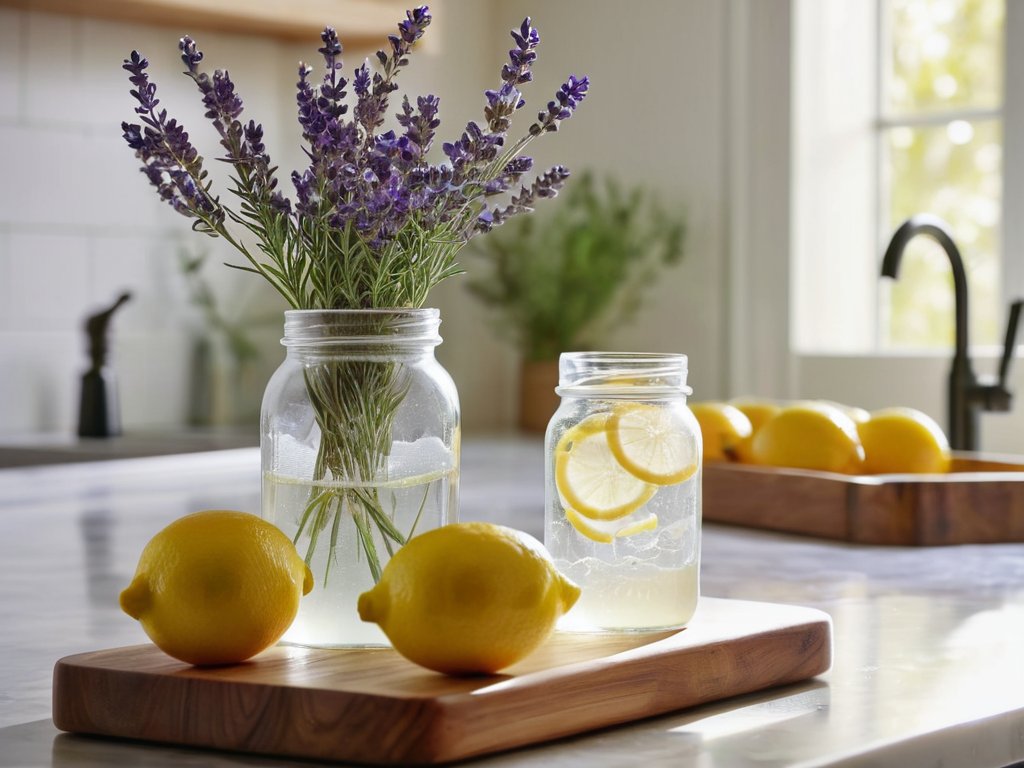
- Essential oils (e.g., tea tree, lavender, citrus) (10‑15 drops for fragrance and extra cleaning power)
- Water (distilled or filtered) (To dilute solutions)
- Olive oil (optional) (1 tablespoon for wood polish)
Step-by-Step Instructions
- 1. First, take stock of the spaces you’ll be tackling. I walk through each room, noting the surfaces—marble countertops, reclaimed‑wood floors, brass fixtures—and jot down the typical stains or grime they attract. This little audit helps me match the right natural formulation to the right task, rather than reaching for a one‑size‑fits‑all bottle that might damage a delicate finish.
- 2. Next, decode the ingredient list you’ll be working with. I scour reputable sources for plant‑based surfactants like castile soap, citrus oils for grease, and baking soda for odor‑neutralising power. By understanding what each component does, I can assemble a blend that respects both the environment and the cultural nuances of the households I write about.
- 3. Then, gather your tools and set up a simple workstation. A glass spray bottle, a reusable measuring cup, a bamboo whisk, and a small funnel become my companions. I measure everything precisely—usually a tablespoon of vinegar per cup of water—and record the ratios in my travel journal so I can replicate the mix wherever I go.
- 4. After mixing, conduct a spot‑test before you go full‑scale. I spray a modest amount on an inconspicuous corner of the surface, wait a few minutes, and observe any discoloration or texture change. This cautious step safeguards treasured heirlooms and ensures the natural cleaner lives up to its promise without unintended side effects.
- 5. Now, apply your homemade solution with intention. I start from the highest point in the room, letting the mist sit for a minute to break down grime, then wipe with a microfiber cloth that I’ve pre‑washed to avoid residue. The rhythmic motion turns cleaning into a mindful ritual, echoing the quiet moments I cherish on remote expeditions.
- 6. Finally, store your concoctions thoughtfully and share the knowledge. I label each bottle with the date and ingredients, keep them in a cool, dark pantry, and periodically rotate stock to maintain potency. Then I write a short note or video for friends and neighbors, inviting them to adapt the recipe to their own cultural contexts—because sustainable cleaning thrives on community exchange.
Natural Cleaning Products a Global Journey Toward Healthier Homes
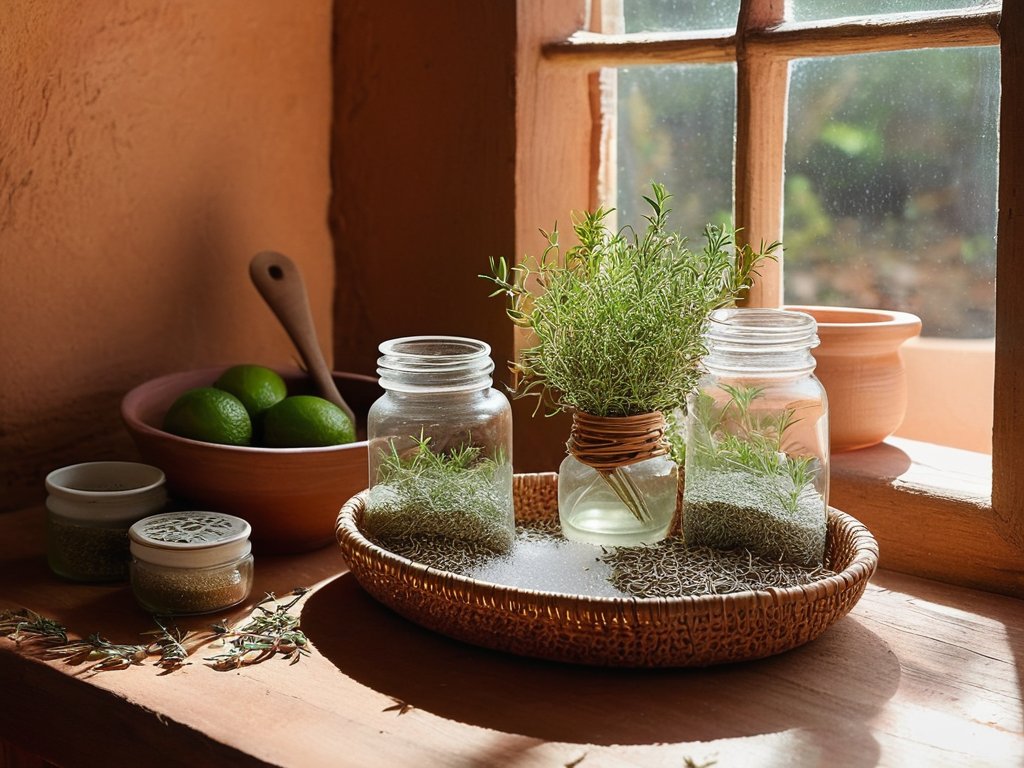
When I was staying with a host family in the highlands of Oaxaca, I discovered that a handful of pantry staples could double as eco‑friendly household cleaners that leave no lingering chemical scent. A squeeze of fresh lime combined with a splash of warm water works wonders on tile, while a pinch of sea salt turns a simple vinegar based cleaning solution into a gentle abrasive for stubborn grout. I now keep a small jar of plant‑based disinfectant recipes on my kitchen shelf, tweaking the herb blend each time I return from a new market—tonight it’s thyme, tomorrow it might be rosemary—so the scent of the home mirrors the place that inspired it.
Back in my London flat, I’ve turned that wanderlust into a routine of making homemade laundry detergent and biodegradable cleaning sprays that are both effective and kind to the planet. A tablespoon of washing‑soda, a cup of castile soap, and a few drops of essential oil create a powder that dissolves cleanly in any wash cycle, while a spray bottle filled with distilled water, white vinegar, and citrus zest offers a quick, chemical‑free surface cleaner for countertops. Storing these mixtures in amber bottles protects the volatile oils, and a quick shake before each use guarantees the same bright, fresh performance that I first encountered in a remote village kitchen.
Ecofriendly Household Cleaners Biodegradable Sprays for Shared Spaces
I still remember opening the door to a bustling co‑working hub in Nairobi, where the scent of citrus‑scented spray lingered over laptops and shared coffee tables. The staff had swapped the usual chemical fog for a locally‑sourced biodegradable cleaner—lime peel oil, fermented rice water, and a pinch of neem. Not only did the surface sparkle, but the formula broke down within hours, leaving no lingering micro‑plastics to hitch a ride on commuters’ shoes. In the cramped kitchens of Tokyo micro‑apartments, I’ve seen the same principle at work: a single‑use spray bottle that mixes distilled water with tea‑tree extract, safe enough for children’s art projects yet tough on grease. These tiny adaptations teach us that a shared space can be both welcoming and responsible, turning ordinary chores into a quiet act of global stewardship.
Vinegarbased Plantbased Disinfectants Sustainable Laundry Recipes
When I was staying in a centuries‑old riad in Fez, I discovered that my host’s kitchen sparkle came from nothing more than a bottle of raw apple cider vinegar, a dash of citrus zest, and a pinch of sea salt. The mixture, diluted with warm water, cuts through grease, kills surface microbes, and leaves a faint, almost medicinal aroma that reminds me of the spice markets I grew up around in Delhi. I now keep a small jar of this vinegar‑based disinfectant on every countertop, a portable reminder that chemistry can be both simple and sustainable, in my daily routine.
For laundry, I blend liquid castile soap with a splash of white vinegar, a tablespoon of baking soda, and a handful of dried lavender buds; the result is a hypo‑allergenic, fragrance‑free wash that brightens colors, softens fibers, and biodegrades without burdening waterways.
Five Practical Tips for Mastering Natural Cleaning
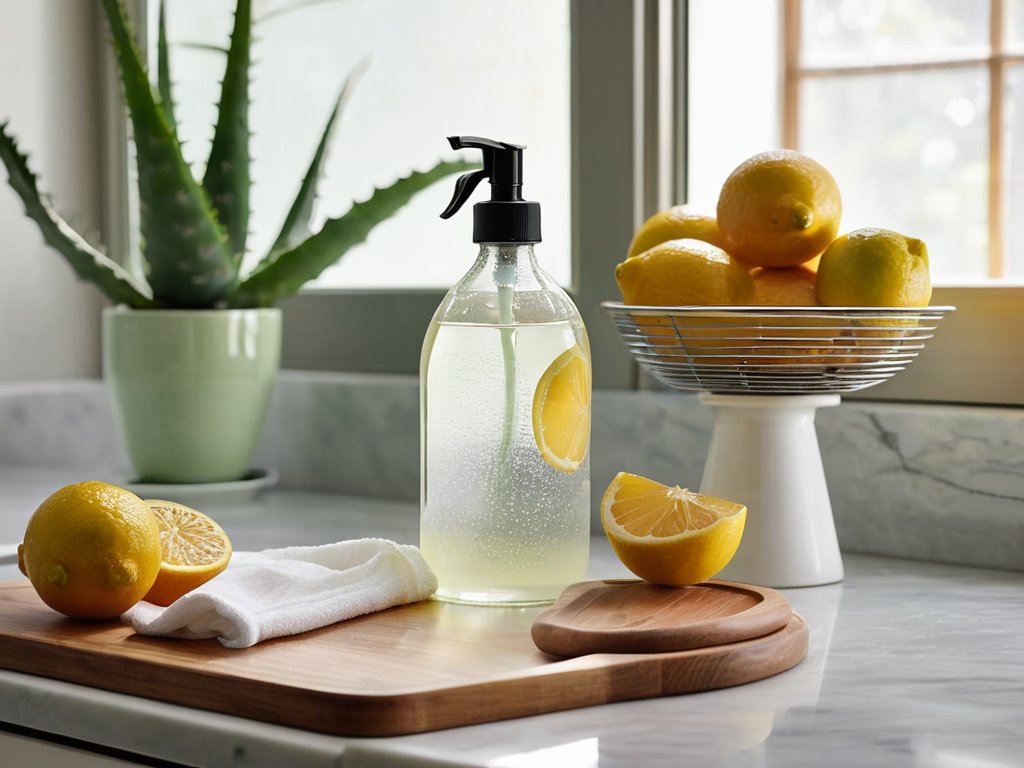
- Mix equal parts water and white vinegar in a spray bottle for an all‑purpose cleaner that tackles grime without harsh chemicals.
- Add a few drops of essential oil—like tea tree or lemon—to boost antimicrobial power and leave a fresh scent.
- Use baking soda as a gentle abrasive for scrubbing sinks, tubs, and grout; it also neutralises odors naturally.
- Create a reusable microfiber cloth bundle for dusting and wiping, reducing waste while trapping particles more efficiently than paper towels.
- Store your homemade cleaners in amber glass bottles to protect volatile ingredients from sunlight and extend shelf life.
Key Takeaways: Making Sustainable Choices at Home
Natural cleaners—vinegar, citrus, and plant‑based enzymes—are not only effective but also bridge cultural traditions of stewardship, letting us honor the practices of distant households while protecting our own health.
Choosing biodegradable sprays and reusable containers reduces plastic waste and supports local economies, turning everyday chores into quiet acts of global citizenship.
Simple, DIY recipes empower anyone to customize scents, strengths, and safety levels, turning the kitchen into a laboratory where science, sustainability, and personal heritage intersect.
Cleaning the World, One Home at a Time
Choosing natural cleaning products isn’t merely about a spotless kitchen; it’s an act of global citizenship—sweeping away pollutants, honoring local traditions, and stitching together a shared responsibility for the planet’s wellbeing.
Alexandra Thompson
Conclusion
Looking back on the routes we’ve traced—from bustling markets in Marrakech to the quiet kitchens of a Japanese ryokan—I see a common thread: the simple, often centuries‑old ingredients that power today’s natural cleaning products. We unpacked why vinegar’s acidity, citrus’s zest, and plant‑derived surfactants not only lift grime but also safeguard indoor air and water systems. We compared biodegradable sprays that respect shared‑space etiquette with laundry recipes that keep fabrics bright without resorting to petro‑chemicals. By swapping a synthetic bottle for a locally sourced alternative, the impact multiplies: healthier lungs for our families, lighter loads for municipal waste streams, and a clearer conscience when we host guests from any corner of the globe.
I carry these lessons home each time I close a passport and step through my front door, remembering that every spray bottle is a tiny diplomatic gesture—a promise to honor the air we breathe and the water that flows beyond our borders. When we choose sustainable homes built on plant‑based formulas, we join a global chorus that whispers respect for the planet and amplifies the voices of communities who have long championed these practices. So I invite you, fellow traveler of the everyday, to swap one conventional cleaner for a homemade alternative this week; let that small act ripple outward, turning our households into beacons of health, equity, and shared stewardship.
Frequently Asked Questions
Can natural cleaning products match the effectiveness of conventional chemicals for tough stains?
I’ve scrubbed ancient tiles in a Marrakech riad and countertops in a sleek London flat, and the verdict is nuanced. Enzyme‑rich citrus blends, oxygen‑based bleaches, and baking‑soda poultices can lift many stubborn marks—especially when you give them time to work. For deep‑set oil or paint, a targeted, low‑dose peroxide or a short‑burst of a certified bio‑surfactant often matches the punch of traditional chemicals, without the lingering fumes.
Are there any safety considerations when using vinegar‑based or plant‑based cleaners around children and pets?
I’ve learned during my stays in Kerala and Copenhagen that even the gentlest‑sounding cleaners need a little vigilance. Vinegar’s acidity can sting tiny eyes or irritate a pet’s nose, so I always dilute it to a thin mist and store the bottle out of reach. Plant‑based surfactants are usually non‑toxic, yet some essential‑oil additives can be harmful to cats or dogs. A quick label check and a child‑proof cupboard go a long way toward keeping curious explorers safe.
What are simple recipes to create biodegradable laundry detergent at home?
I’ve learned that pantry staples can turn a wash into a ritual. Mix 1 cup washing soda, 1 cup borax (or a plant‑based alternative), and 1 cup grated castile soap; dissolve in hot water, let cool, then scoop into a bottle. For a fragrance‑free version, swap the soap for ½ cup baking soda and add 2 tablespoons lemon zest. A splash of white vinegar in the rinse softens fabrics and boosts biodegradability.