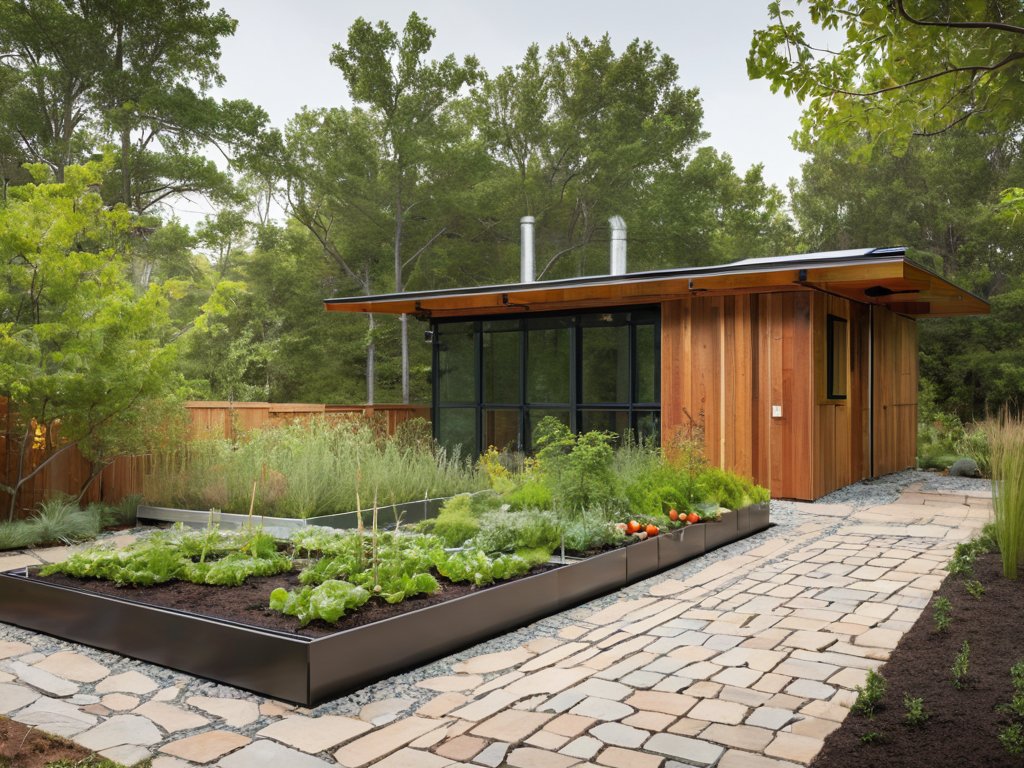
I was crouched on the cracked terracotta floor of a mud‑brick home in the hills of Ladakh, trying to steady a wobbly lantern when the homeowner—an 78‑year‑old former teacher—smiled and gestured to a thin sheet of polymer that glinted in the thin winter sun. It was a solar‑powered water heater, humming quietly behind the wall, proof that eco‑friendly home improvements don’t have to look like futuristic gadgets or demand a fortune. That moment reminded me that the real power lies in small, context‑aware tweaks that respect both the planet and the people who live in it.
In the pages that follow, I’ll strip away the hype and share the no‑nonsense, step‑by‑step guide I’ve compiled from my diplomatic days and my recent travels—everything from insulating a drafty window with reclaimed fabrics to installing a low‑flow showerhead that actually feels luxurious. You’ll learn how to prioritize upgrades that deliver the biggest energy savings, where to source affordable, locally‑made materials, and how to measure impact without a PhD in engineering. By the end, you’ll have a clear roadmap to make your own home greener, kinder, and surprisingly livelier.
Table of Contents
- Project Overview
- Step-by-Step Instructions
- Eco Friendly Home Improvements Stories of Connection and Change
- Low Flow Fixtures Installation a Global Water Narrative
- Solar Panel Integration for Homes Harnessing Shared Sunlight
- Key Takeaways: Connecting Home, Community, and Planet
- Building a Greener Home, One Story at a Time
- Conclusion
- Frequently Asked Questions
Project Overview
Total Time: 3 hours
Estimated Cost: $150 – $250
Difficulty Level: Intermediate
Tools Required
- Cordless Drill ((with assorted bits))
- Screwdriver Set ((Phillips and flathead))
- Measuring Tape
- Utility Knife ((with extra blades))
- Caulking Gun
- Pliers
Supplies & Materials
- LED Light Bulbs (Energy‑saving, 9‑watt equivalents)
- Weatherstripping Foam (Self‑adhesive, 1‑inch thick)
- Low‑Flow Faucet Aerators (2‑inch size)
- Programmable Thermostat (Wi‑Fi enabled)
- Insulation Rolls (Recycled cellulose, 12‑inch wide)
- Reusable Silicone Sealant (Clear, for gaps and cracks)
Step-by-Step Instructions
- 1. Start with an energy audit – I booked a local assessor the way I once did in a remote village in Bhutan, and the report gave me a clear map of where heat was escaping and where electricity was being wasted. Grab a simple checklist, note down the most glaring gaps (drafty windows, outdated lighting), and prioritize the fixes that will give you the biggest pay‑back on both your wallet and the planet.
- 2. Seal and insulate – Armed with the audit, I headed to the hardware store and picked up weather‑stripping, caulk, and a roll of cellulose insulation. Apply the strips around doors and windows, fill cracks with caulk, and, if you’re comfortable, blow insulation into attics and wall cavities. This step alone can shave 10‑20 % off your heating bill and makes every room feel cozier.
- 3. Swap to LED lighting – I remember swapping the flickering fluorescent tubes in a hostel in Oaxaca for warm‑white LEDs, and the difference was immediate. Replace every bulb with an LED of comparable lumens, and consider adding dimmer switches or motion sensors in high‑traffic areas. The energy savings are instant, and the softer glow creates a more welcoming atmosphere.
- 4. Upgrade to a smart thermostat – During a stopover in Copenhagen, I tried a smart thermostat that learned my schedule and adjusted heating on the fly. Install the device according to the manufacturer’s guide, connect it to your Wi‑Fi, and set a comfortable baseline temperature (e.g., 68 °F/20 °C). Program it to lower the heat when you’re out or asleep, and you’ll see a noticeable dip in your monthly energy report.
- 5. Install low‑flow fixtures – In a riverside cottage in Kerala, I fitted a low‑flow showerhead and dual‑flush toilet, instantly reducing water consumption without sacrificing performance. Replace existing faucets, showerheads, and toilets with water‑efficient models, and tighten any leaky connections. Each liter saved is another step toward a greener household.
- 6. Add renewable energy where possible – My last project involved mounting a modest solar panel array on a flat roof in a coastal town in Portugal. Assess your roof’s orientation and shading, then choose a kit that matches your energy needs. Follow the installer’s safety protocols, connect the system to an inverter, and register it with your utility for net‑metering credits. Even a small system can offset a chunk of your electricity use and serve as a conversation starter for visitors.
Eco Friendly Home Improvements Stories of Connection and Change

On a recent trip to a sun‑kissed village in Andalusia, I saw modest solar panel integration for homes perched on terracotta roofs, a quiet reminder that a simple switch can ripple through a neighborhood. Pair those panels with a rainwater harvesting system—a modest network of gutters and a storage tank that captures the first inches of a storm. The collected water can irrigate gardens or flush toilets, trimming both utility bills and pressure on municipal supplies. In my own flat, a 200‑litre barrel now sits behind the balcony, a small visual cue that sparks dinner‑table conversations about shared responsibility.
In Delhi, I swapped traditional fiberglass for recycled insulation materials, instantly lowering the thermal load and giving post‑industrial waste a second life. Complement that with a smart thermostat programming tip: set the system to “away” during work hours and let it gently pre‑heat or pre‑cool just before you return. The savings accumulate, and the thermostat’s data logs become a conversation starter with curious neighbours about technology that respects both comfort and conscience. When it comes to flooring, consider bamboo or reclaimed wood—options that feel warm underfoot while echoing stories of responsibly managed forests.
Low Flow Fixtures Installation a Global Water Narrative
When I first turned the wrench on a low‑flow showerhead in a modest flat in Lisbon, I could hear the faint echo of a story I’d carried back from a community project in Cape Town’s Khayelitsha township. There, a single tap supplied water to dozens of families, and every drop felt like a shared secret. Installing that modest fixture at home felt like a quiet act of solidarity—each reduced flow a reminder that the scarcity I’d witnessed abroad isn’t a distant headline but a rhythm that can be softened in our own bathrooms.
The vintage globe perched on my desk, its 1970s brass arms stretched over continents, now seems to pulse with each conservation choice I make. By swapping out faucets, toilets, and showerheads for low‑flow models, we stitch together a global water narrative: a tapestry where a London flat, a Nairobi kitchen, and a Peruvian highland home all speak the same language of restraint, responsibility, and hope.
Solar Panel Integration for Homes Harnessing Shared Sunlight
When I first installed solar tiles on a modest flat in Reykjavik, the crisp Arctic light felt like a shared secret between the roof and the distant fjords. The panels hummed quietly, turning each sunrise into a communal transaction: the sun gifts energy, the grid returns stability. In the same vein, a neighbor in Bangalore attached a modest array to her balcony, feeding surplus kilowatts back into a micro‑grid that powers the nearby school. Those parallel stories remind me that sunlight knows no borders; a single photon can travel from the Sahara to a rooftop in London, threading together households that would otherwise never meet. By integrating solar panels, we are not merely cutting our bills – we are signing a pact with strangers across time zones, turning ordinary rooftops into nodes of a global, invisible conversation about stewardship and hope for future generations.
Key Takeaways: Connecting Home, Community, and Planet
Even the smallest upgrades—like low‑flow fixtures—mirror the water‑saving practices I witnessed in Rajasthan’s rain‑water harvesting villages, proving that conservation starts at the tap.
Solar panels are more than a tech add‑on; they’re a shared sunrise. When a rooftop captures sunlight, it joins a global tapestry of households turning the same rays into clean energy.
Eco‑friendly renovations weave personal comfort with collective responsibility, showing that a greener home can be both a sanctuary and a statement in the worldwide conversation on climate resilience.
Building a Greener Home, One Story at a Time
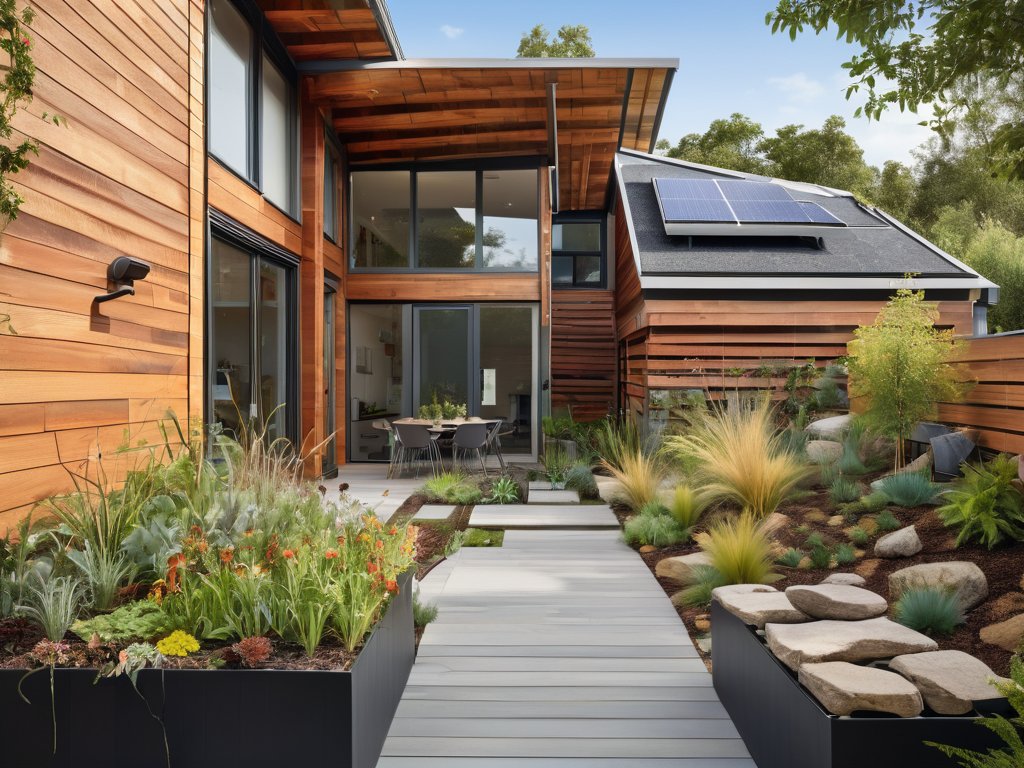
When we retrofit our walls and roofs with conscience, we’re not just cutting bills—we’re weaving our lives into the larger tapestry of the planet, reminding each neighbor that every sustainable choice echoes across borders and generations.
Alexandra Thompson
Conclusion
Looking back on the journey we’ve taken through this guide, I’m reminded that every eco‑friendly tweak is a thread in a larger tapestry of planetary care. We started with sealing drafts, swapping to LED bulbs, and adding smart thermostats, then moved to the water‑wise realm of low‑flow fixtures, which not only shave gallons off the bill but echo the scarcity stories I heard in Cape Town’s informal settlements. The rooftop solar panel integration turned sunlight into shared energy, a reminder that the same rays that warmed the Sahara also power our living rooms. Together with compost bins, reclaimed wood finishes, and a rain‑water harvesting system, these actions form a checklist any home can adapt, any size or budget.
Yet the true power of these upgrades lies not just in kilowatts saved or gallons conserved, but in the stories they let us share across continents. When I pack my vintage globes for a trek to a remote Andean village, I carry the confidence that my roof is already whispering the same promise of renewal the local children speak of as the sun rises over their terraced fields. Collective stewardship is a language without borders, and each modest improvement we make at home becomes a syllable in that global conversation. Choose one change today—whether a faucet, a filament, or a shade—and let that act echo beyond your front door.
Frequently Asked Questions
How can I assess which eco‑friendly upgrades will give me the biggest energy savings for my climate?
I start by mapping my home’s energy pulse—pull the past‑year utility bills, note heating vs cooling seasons, and plug those numbers into a simple online energy‑audit calculator that lets me weight climate‑specific factors like winter chill or tropical humidity. Next, I rank upgrades—insulation, high‑efficiency windows, smart thermostats—by the tool’s projected % reduction and upfront cost. Finally, I cross‑check with local climate‑action reports to see which measures the community is already seeing the biggest savings from.
What are the upfront costs and financing options for installing solar panels on a typical suburban home?
The sticker price for a typical 6‑kW system on a suburban roof sits around $18,000 before rebates, with quotes usually ranging $15k‑$25k depending on panel type and roof complexity. To soften that hit, owners often choose a zero‑interest solar loan, a lease that bundles maintenance, or a power‑purchase agreement where the installer owns the array and the homeowner pays a modest kilowatt‑hour rate. Federal tax credits and state rebates can shave another 20‑30 % off the bill.
Are there simple low‑flow fixtures I can install myself without professional help, and how do they impact my water bill?
Absolutely—I’ve swapped out a few fixtures myself and the results are surprisingly rewarding. A 1‑gal per minute showerhead, a dual‑flush toilet conversion kit, and aerated faucet‑mixes cost under $30 each and need only a wrench and plumber’s tape. In my home they shaved roughly 15 % off the monthly water bill, which translates to about $8‑$12 saved, depending on local rates. The biggest win? Watching the meter tick slower while feeling part of a global water‑saving story.