Ever walked into a bustling Delhi yoga studio and heard the instructor promise that a single hour on the mat will erase your stress like a magic eraser? I’ve heard that line too many times, and I’ve learned that Yoga and mental wellness isn’t a glossy tagline—it’s a messy, breath‑filled practice that shows up in the quiet after a monsoon rain in a Himalayan village where I first tried a simple sun‑salutation on a stone floor. The scent of pine, the echo of distant prayer bells, and the sudden stillness of my own mind reminded me that the real work begins when the hype fades.
In this piece I’ll cut through the buzz and walk you through the three grounded habits that turned my wandering diplomat’s mind from jittery briefings to steady focus: a 10‑minute sunrise routine, a journal‑friendly breath‑check, and a cultural‑sensitivity lens that turns every stretch into a conversation with yourself. Expect no pricey props or mystic jargon—just the kind of honest, experience‑backed guidance that helped me find balance on a cramped embassy balcony and that can fit into your own busy schedule, and a calmer tomorrow.
Table of Contents
- Yoga and Mental Wellness Global Stories of Mindful Healing
- Mindbody Connection Benefits of Yoga Stories Across Borders
- Yoga Breathing Techniques for Anxiety Relief a Global Path
- From Asana to Insight How Yoga Enhances Mental Clarity
- Integrating Mindfulness Meditation With Yoga for Global Balance
- Yoga Nidra Practice for Stress Reduction a Restorative Journey
- Five Breath‑Guided Steps to a Serene Mind
- Key Takeaways for Mindful Wellness
- The Breath of Borders
- Wrapping It All Up
- Frequently Asked Questions
Yoga and Mental Wellness Global Stories of Mindful Healing
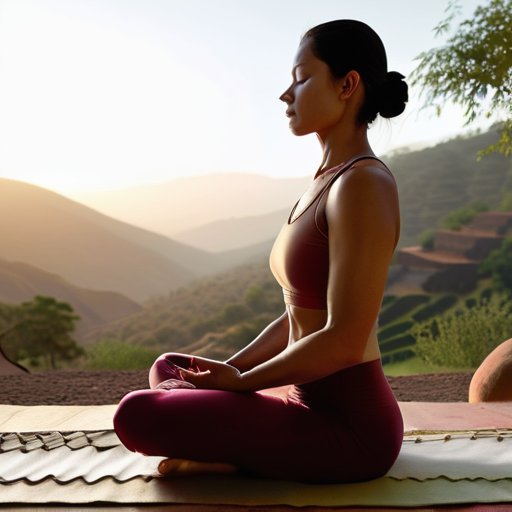
When I first stepped onto a sun‑warmed terrace in the highlands of Oaxaca, the rhythm of my breath seemed to echo the distant drums of a local ceremony. I slipped into ujjayi breathing, a yoga breathing technique for anxiety relief that locals swore by after a long day of market bargaining. The gentle hiss of air through my throat reminded me that the breath is more than oxygen—it is a bridge between the nervous system and the story we tell ourselves. In those moments, the mind‑body connection benefits of yoga unfolded like a map, revealing how each inhale can calm a racing mind while each exhale releases a hidden worry.
Later, during a week in a Himalayan monastery, I was introduced to yoga nidra practice for stress reduction. Lying still, eyes closed, I let a guided meditation drift through the layers of my consciousness, feeling tension melt like snow under a sunrise. The experience taught me that integrating mindfulness meditation with yoga isn’t a trendy add‑on; it’s a subtle alchemy that sharpens mental clarity while honoring the body’s innate wisdom. Whether I’m navigating diplomatic corridors or wandering remote villages, these practices remind me that mindful movement can turn a frazzled mind into a quiet, resilient observer of its own story.
Mindbody Connection Benefits of Yoga Stories Across Borders
One chilly evening on a thin wooden pier in Kerala, I watched sunrise spill gold over the backwaters. After a brief savasana, an elderly yogi whispered that the real miracle of yoga lies in the mind‑body connection—how a breath drawn deep into the lungs can untangle a knot of worry in the shoulders. As I inhaled the humid air, temple bells synced with my heartbeat, reminding me that across continents the same quiet pulse stitches mind and flesh together.
Months later, in a bustling co‑working space in Nairobi, a fellow programmer confessed that his nightly yoga routine had turned his restless mind into a garden of focus. The simple act of aligning his spine while visualising each exhale as a release of server‑side stress gave him a measurable lift in concentration—a testimony that the neuro‑emotional balance yoga cultivates knows no passport stamp.
Yoga Breathing Techniques for Anxiety Relief a Global Path
On a mist‑laden morning in the Japanese town of Kōnan, I joined locals for a brief pranayama session before sunrise. The instructor guided us through the rhythm of inhaling for four counts, holding for seven, and exhaling for eight—the 4‑7‑8 breath. As cool air slipped through my nostrils, an unexpected calm settled over the restless chatter of my mind, reminding me that breath can be a passport out of anxiety.
Later that week in Delhi market, a yoga therapist showed me the alternate‑nostril practice, Nadi Shodhana, which balances the left‑right channels that tangle during panic. By gently closing one nostril, inhaling, then switching sides, I felt a re‑alignment of my nervous system—like tuning a radio to a clearer frequency. The simple act of directing my breath became a sanctuary, proof that the world’s most sophisticated antidote can fit in a single, mindful inhale.
From Asana to Insight How Yoga Enhances Mental Clarity
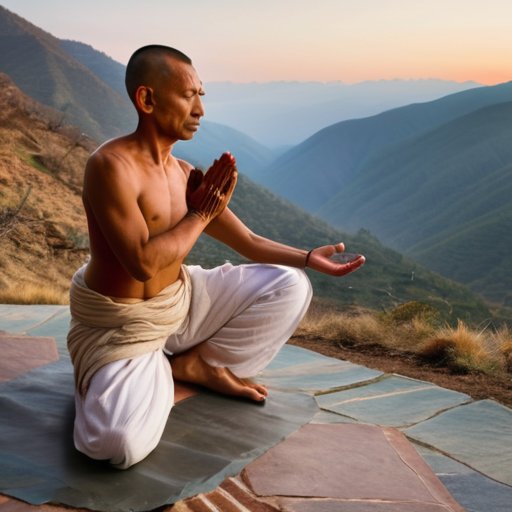
When I roll out my mat on a windswept terrace in the high Himalayas, the simple act of aligning my spine in Vrikshasana feels like a compass needle pointing toward inner stillness. The cool air carries the faint chant of monks, and each inhale deepens the mind‑body connection benefits of yoga I’ve heard about in Delhi’s bustling yoga studios. As the pose steadies my balance, the mental fog that usually clings to my diplomatic notes lifts, revealing a crisp horizon of ideas. It’s in moments like these that I truly understand how yoga enhances mental clarity, turning a routine asana into a lantern for strategic thinking.
Later, during a week‑long retreat in Kyoto, I explored a yoga nidra practice for stress reduction beneath paper‑thin shoji screens. The guided descent into sleep‑like awareness felt like a diplomatic debriefing with my own subconscious—every tension released was a treaty signed with my nervous system. Integrating mindfulness meditation with yoga, I noticed a subtle sharpening of focus that lingered long after the session, allowing me to parse complex policy briefs with a newfound calm. In both high‑altitude valleys and serene tea gardens, the practice proves that the quiet stillness of a pose can translate into clearer, more compassionate decisions on the global stage.
Integrating Mindfulness Meditation With Yoga for Global Balance
On the wind‑swept plateau of the Andes, I found that anchoring each asana with a simple mindful breath turned the practice into a sanctuary. While inhaling, I picture the mountain’s pulse; exhaling, I release the day’s chatter. This dialogue between movement and awareness creates a rhythm that feels less like exercise and more like a diplomatic negotiation between body and mind, fostering a sense of global equilibrium.
In Kyoto’s bamboo groves I sat cross‑legged, letting the rustle of leaves become a metronome for my meditation. By pairing the stillness of sitting with the gentle flow of a sun‑salutation, the practice unfolded into what I now call harmonized stillness—a state where borders blur and the world feels intimate and vast. That balance, cultivated in a single breath, reminded me why mindfulness and yoga together can be a diplomatic bridge across cultures.
Yoga Nidra Practice for Stress Reduction a Restorative Journey
When I finally let the day’s negotiations melt away on a thin mattress in a tucked‑away guesthouse of the Himalayas, I invite the night to become a canvas. I close my eyes, follow the gentle voice of a local teacher, and drift into Yoga Nidra. The practice feels like a slow tide pulling tension from my shoulders, each guided breath unspooling the tight knots of stress that had accumulated like freight on a train.
A week later, after a marathon of briefings in New Delhi, I slipped a blanket over my shoulders and let the recorded mantra guide me home. Within minutes, the frantic pulse of the city faded, replaced by a gentle hum of deep restorative sleep. I awoke feeling as if I’d traveled across a quiet lake, the surface calm, ready to engage with colleagues anew, clearer and steadier than before.
Five Breath‑Guided Steps to a Serene Mind
- Begin each day with a short sun‑salutation flow, letting the rhythm of each inhale and exhale set the tone for mental clarity.
- Practice “Ujjayi” breathing during asana—softening the throat and creating an audible mantra that steadies wandering thoughts.
- Incorporate a 5‑minute seated meditation at the end of your practice, visualizing tension melting away with each exhalation.
- Use “Balasana” (Child’s Pose) as a mental pause when anxiety spikes, focusing on the rise and fall of your belly to anchor yourself.
- End your session with a brief gratitude journal, noting three mental shifts you sensed during the practice to reinforce positive neural pathways.
Key Takeaways for Mindful Wellness
Breath‑focused yoga practices provide a portable, culturally adaptable tool for reducing anxiety and grounding the nervous system.
The mind‑body synergy cultivated through asana and meditation builds emotional resilience that transcends borders.
Incorporating Yoga Nidra and mindful breathing into daily routines sharpens mental clarity, offering a restorative pause in our fast‑paced world.
The Breath of Borders
In the quiet inhale of a yoga practice, I hear the whispered stories of distant lands, reminding me that mental wellness is a shared journey—one breath at a time.
Alexandra Thompson
Wrapping It All Up
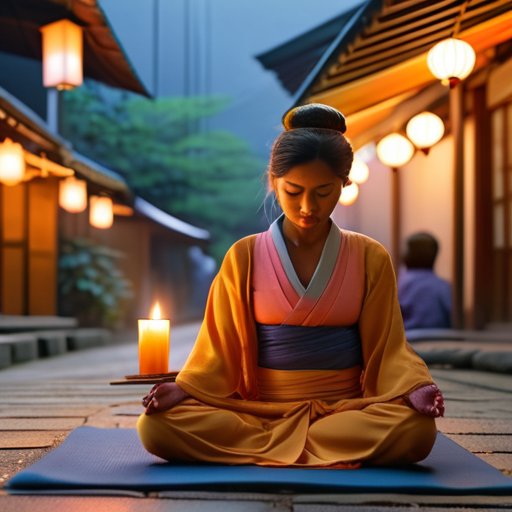
In tracing breath of a yoga practitioner from bustling streets of Delhi to tranquil fjords of Norway, we have seen how simple, intentional breathing can dissolve the knots of anxiety that tighten our lives. The stories shared across continents—whether a retired teacher in Kyoto finding steadiness in gentle asanas or a refugee camp counselor in Nairobi using yoga nidra to reclaim sleep—illustrate that the mind‑body connection is not a lofty theory but a lived, cultural reality. By weaving mindfulness meditation into each posture, we have uncovered a universal toolkit that nurtures clarity, resilience, and a sense of belonging to a broader, compassionate community.
So, as you roll out your own mat—perhaps on a balcony overlooking a city that never sleeps or in a quiet corner of a bustling market—you are stepping onto a path that has already been walked by monks in the Himalayas, entrepreneurs in São Paulo, and grandparents in rural Kerala. Each inhale becomes a thread that ties you to that tapestry, and each exhale releases the tension that keeps us apart. I invite you to let this practice be more than a personal habit; let it become a ritual of shared breath that reminds us wellness is a collective journey. In that rhythmic surrender, we discover not only calm but a deeper, borderless empathy that can reshape the world, one mindful moment at a time.
Frequently Asked Questions
How can a beginner incorporate yoga into a busy schedule to start noticing mental health benefits?
Start with just five minutes before sunrise—roll out a mat beside your window, inhale the dawn, and flow through a simple sun‑salutation. Schedule a micro‑session during a coffee break: a seated twist while the kettle whistles. Use a phone reminder to stand for a brief “desk‑tree” pose between emails. Consistency beats length; even a single mindful breath before your next meeting can quiet the whirlwind, turning a hectic day into a pocket of mental calm.
Which specific yoga poses or breathing techniques are most effective for easing anxiety and improving emotional resilience?
When anxiety spikes, I roll onto my mat for Balasana, the Child’s Pose—its gentle forward fold feels like a surrender, echoing the dusk I once saw in the Himalayas. Viparita Karani, legs‑up‑the‑wall, lets my nervous system reset as if the mountains were holding me. I then breathe Nadi Shodhana, alternating nostrils, stitching calm across hemispheres. Pairing these with rounds of Sama Vritti (box breathing) builds a resilient inner rhythm that steadies me wherever I roam.
Can yoga be combined with other mental‑wellness practices, like journaling or therapy, to create a holistic self‑care routine?
I’ve found that weaving yoga into a broader self‑care tapestry—pairing each breath‑synchronised flow with a quiet journal page or a brief check‑in with a therapist—creates a ritual that feels both personal and universally resonant. After a sunrise vinyasa in a Himalayan village, I jot down the sensations that linger, then later discuss recurring patterns with my therapist. The synergy sharpens awareness, grounds emotions, and stitches together body, mind, and story into a holistic practice.