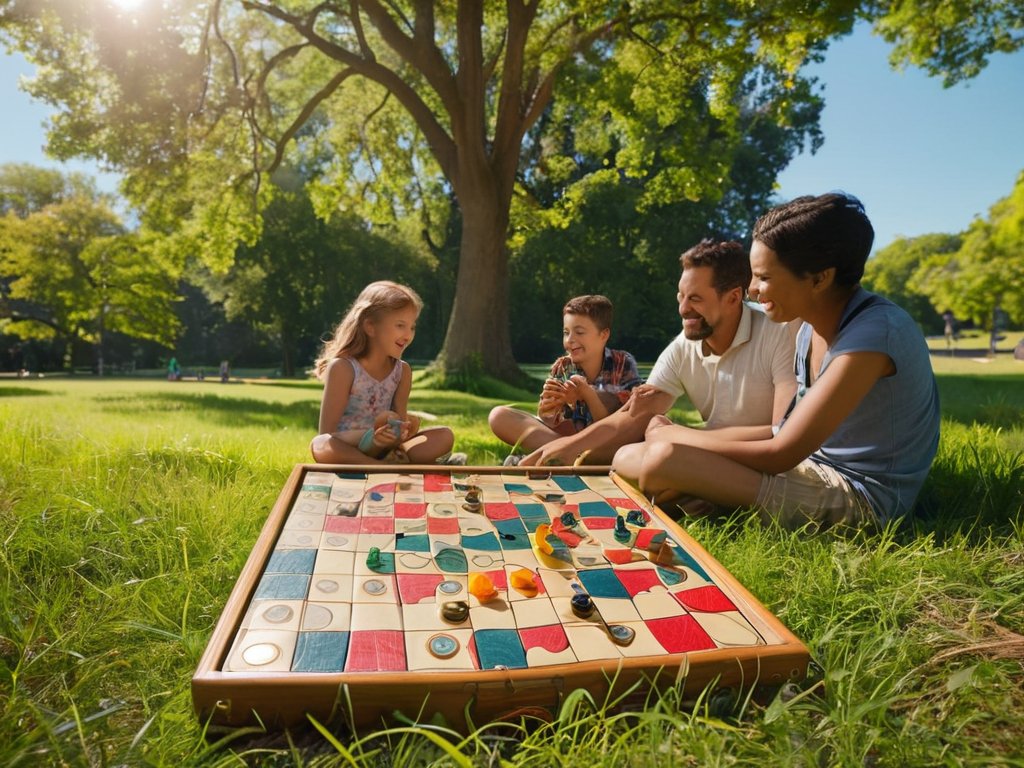
Every evening I watch my niece stare at a glowing screen while the sunset drifts past the kitchen window, and I’m reminded of the silent tug‑of‑war playing out in households worldwide. We’ve all become adept at juggling work emails, school assignments, and endless scrolls, yet the very devices meant to connect us often carve invisible walls between parents and children. That’s why I am turning my attention to family digital detox activities—simple, intentional moments that coax us away from pixels and back into the rhythms of shared laughter, conversation, and the occasional dust‑covered board game.
In the list that follows, I’ll walk you through five carefully chosen family digital detox activities—each one rooted in a tradition I’ve witnessed from the bustling markets of Marrakech to the quiet fjords of Norway. You’ll discover how a night‑under‑the‑stars story circle can rekindle oral history, why a kitchen‑only cooking challenge turns meals into teamwork, and how a weekend hike with a handwritten map restores a sense of adventure. By the end, you’ll have a ready‑to‑use toolkit that transforms screen fatigue into genuine connection, no matter how crowded your timetable.
Table of Contents
- Sunset Hike, Phones Left Behind
- Storytelling Circle Around the Fire
- DIY Map‑Making Expedition
- Kitchen Passport: Cooking Without Screens
- Cross‑Cultural Board Game Night
- Key Takeaways: Reconnecting Beyond the Screen
- Beyond the Screen, Together
- Conclusion: Reconnecting Beyond the Screen
- Frequently Asked Questions
Sunset Hike, Phones Left Behind

I remember the first time I coaxed my family onto a ridge trail just outside our hometown, promising that the view at dusk would be worth the digital sacrifice. As we trudged upward, the forest hummed with cicadas and the sky shifted from pale blue to a bruised violet, and I could feel the tension of scrolling melt away. The moment we reached the summit, the sunset painted the world in colors no screen could replicate, and our phones lay forgotten in our backpacks.
When the sun slipped behind the hills, we gathered on a blanket, the cool air filling our lungs, and the conversation flowed like a river freed from dams. My teenage son, usually glued to his game, shared a story about a market in Marrakech he’d read about, while my sister, a chronic email responder, confessed she’d missed the scent of pine for years. In that shared silence and then sudden burst of words, I sensed the true power of a screen‑free pause: it lets us hear each other’s inner maps rather than just the GPS directions of our devices.
Storytelling Circle Around the Fire

On a chilly night in the Scottish Highlands, I gathered my family around a crackling fire, insisting that the only light source be the flames themselves. I handed out a battered notebook—one of my vintage globes’ companions—and invited each of us to spin a tale inspired by a place we’ve never visited. The glow of the fire made our shadows dance, and the absence of notifications turned the night into a living tapestry of imagination.
As the night deepened, my younger niece, who usually speaks in emojis, narrated an adventure set in the remote islands of Vanuatu, describing the taste of fresh taro and the rhythm of a drum circle she’d only seen in a documentary. My brother, ever the skeptic, recounted a diplomatic anecdote from his time in Nairobi, highlighting the kindness of a street vendor. The stories stitched us together, reminding me that when we trade pixels for spoken words, we rediscover the human compass that guides us across cultures.
DIY Map‑Making Expedition
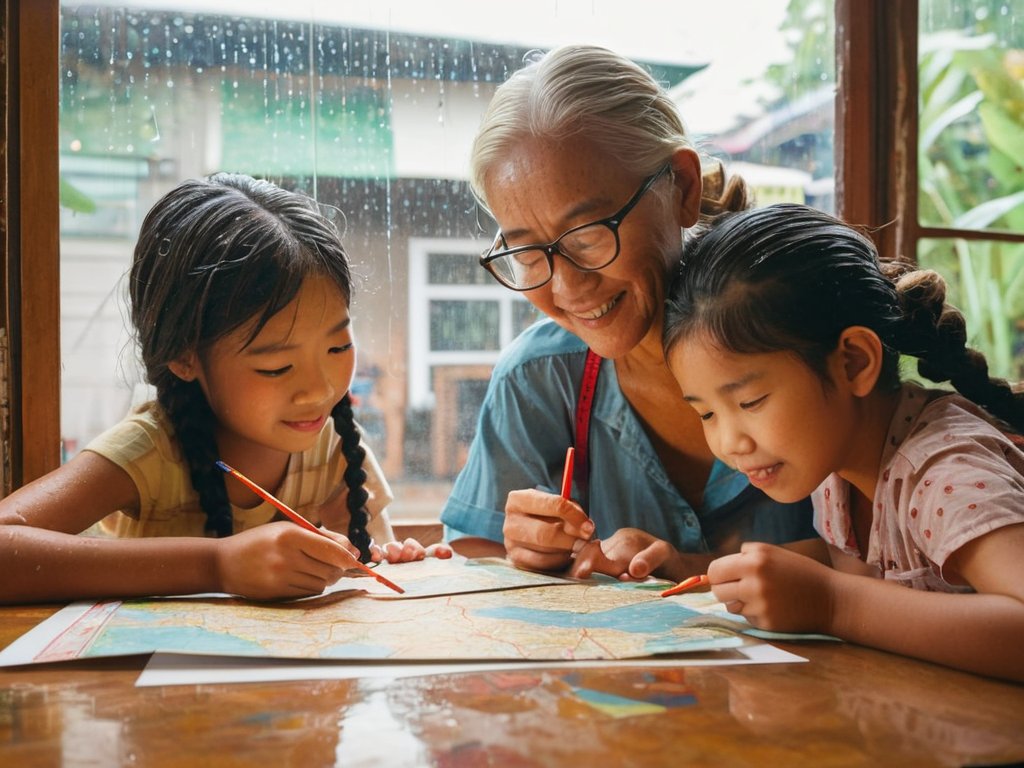
One rainy Saturday, I spread out a large sheet of paper on the kitchen table and pulled out colored pencils, a ruler, and a stack of postcards from my travels. I challenged my family to create a personal map of imagined journeys, marking places we’d love to explore together. The excitement was palpable; my teenage daughter sketched a route from the Andes to the Sahara, while my father, a lover of old cartography, drew intricate coastlines of forgotten islands.
We spent hours discussing why a particular spot called to us—my son was fascinated by the idea of watching the Northern Lights in Iceland, and my wife wanted to taste the street food of Bangkok. The act of drawing, of physically marking a future adventure, turned the abstract idea of “travel” into something tangible. In that quiet, screen‑free zone, we felt the thrill of planning together, a reminder that the world is vast, but our shared curiosity can map it for us.
Kitchen Passport: Cooking Without Screens
Inspired by a culinary workshop in Oaxaca, I turned our family kitchen into a passport‑styled cooking lab. We selected three recipes from different continents—Japanese miso ramen, Ethiopian injera, and Peruvian ceviche—and set a rule: no phones, no tablets, just the sounds of chopping, simmering, and laughter. The aroma of stock bubbling and spices toasting filled the house, creating a sensory map far richer than any Instagram feed.
As we rolled out the thin, spongy injera and coaxed the broth to a perfect cloud, stories emerged organically. My brother, who usually drafts policy briefs on a laptop, described the bustling souks of Marrakech he’d visited years ago, while my mother, a quiet observer, shared a memory of a family dinner in Delhi that taught her the value of sharing food. The taste of collaboration lingered long after the plates were cleared, proving that a shared meal can be a diplomatic treaty of its own.
Cross‑Cultural Board Game Night
When I returned from a month‑long exchange program in Bhutan, I brought back a set of traditional board games—some made of carved wood, others of woven fabric. I proposed a global game night where each round would feature a game from a different country, and the rule was simple: no screens, just dice, cards, and the occasional gasp of surprise. We started with the Indian game of Pachisi, moved to the Korean Yut Nori, and ended with a strategic session of the ancient Persian game Shatranj.
The competition sparked laughter, strategic debates, and occasional cultural revelations. My youngest, usually glued to a tablet, learned the significance of Yut Nori’s wooden sticks and how they echo seasonal rituals in Korea. My partner, who often negotiates contracts, found herself negotiating alliances in Shatranj with a vigor she reserved for boardroom tables. In that night of analog play, the joy of learning through play reminded us that the world’s diversity can be celebrated without a single pixel lighting up.
Key Takeaways: Reconnecting Beyond the Screen
Shared offline experiences nurture deeper family bonds and create lasting memories.
A blend of creativity, movement, and cultural curiosity turns digital detox into an adventure, not a chore.
Regular, intentional unplugged moments empower families to communicate more authentically and strengthen resilience against tech overload.
Beyond the Screen, Together
When a family puts down its screens, it discovers a shared horizon that no Wi‑Fi signal can map.
Alexandra Thompson
Conclusion: Reconnecting Beyond the Screen
Looking back on the five ideas I’ve shared—sunset hikes with phones tucked away, a kitchen‑centered cooking night, a board‑game marathon, a nature‑themed scavenger hunt, and a story‑telling circle around a lantern—I see a common thread. Each activity invites families to step out of the glow of screens and step into the present moment, trading notifications for laughter, curiosity, and shared discovery. By swapping scrolling for strolling, tapping for tasting, and swiping for storytelling, parents and children alike rediscover the simple pleasure of face‑to‑face interaction. The family digital detox isn’t about abandoning technology altogether; it’s about creating intentional pauses that let relationships breathe.
What I keep hearing from the families I’ve met in bustling markets of Marrakech, quiet villages in the Andes, and crowded flats in London is that these intentional pauses become tiny rituals that echo long after the night ends. When children recount the constellations they traced on a hill or the secret ingredients they swapped in a kitchen, the memory of connection outshines any selfie. I invite you to choose one of these moments this week, to watch the glow of a lantern replace the blue light of a screen, and to notice how the conversation deepens. In doing so, we each stitch a tighter fabric of belonging, reminding ourselves that the most powerful signal we can send is presence.
Frequently Asked Questions
How can we make a digital detox fun for kids of different ages?
I’ve found the secret lies in turning “off” into an adventure that meets kids where they are. For toddlers, I spread bright, tactile treasure maps that lead to a backyard “expedition”—no screens, just stickers, shells and the thrill of discovery. Pre‑teens love a “tech‑free challenge” board game where each level unlocks a real‑world mission, like cooking a family recipe or building a kite. With teens, I swap screen time for a collaborative photo‑journalism sprint: they capture stories on paper, then share them around a campfire. By matching the activity’s vibe to each age, the detox feels less like a chore and more like a passport to new, shared memories.
What are some low‑tech activities that work in small apartments or limited spaces?
In my flat, I’ve found that a ‘story circle’—where each family member reads a favorite passage aloud—turns a living room into a stage. A kitchen‑counter baking session, kneading dough together, fills the air with scent and conversation without needing gadgets. I love laying out a blanket on the balcony for a sunrise sketching session, just pencil and paper. Finally, a quick “move‑and‑match” game—matching socks or building a tower from recycled boxes—keeps energy flowing in the smallest nook.
How do we address resistance from family members who feel anxious about being offline?
I start by acknowledging their anxiety as a genuine feeling, not a flaw. I sit down with the family, share a short story from my own globe‑spanning trips where a sudden “offline” moment sparked unexpected conversations, and invite them to set a tiny, non‑threatening goal—perhaps one hour of device‑free dinner. I frame the pause as a chance to rediscover each other’s voices, offering a simple “check‑in” timer and a shared activity (like a board game) that gently replaces the screen’s pull with real‑time connection.