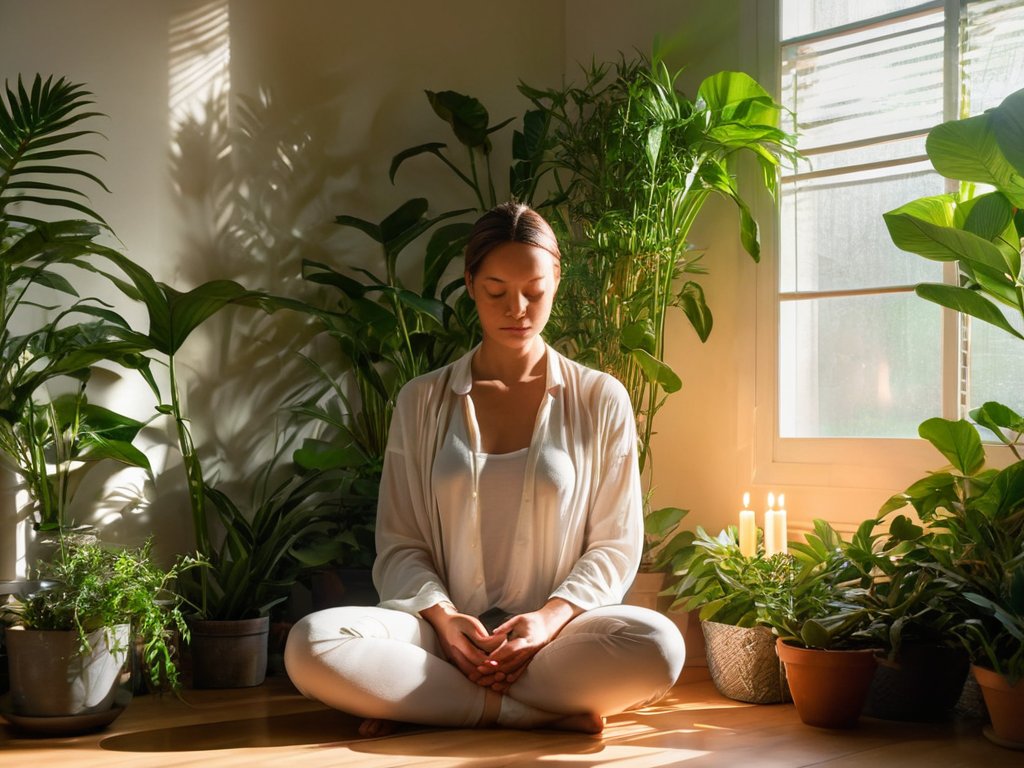
As I sat in stillness, watching the sunrise over the Himalayas, I realized that the concept of a daily meditation routine is often shrouded in misconception. Many believe it’s a practice reserved for the devout or the privileged, requiring hours of dedication and a serene environment. But I’ve found that meditation can be woven into the fabric of our daily lives, regardless of our circumstances. My own journey with meditation began in the chaos of city life, where I discovered that even a few minutes of mindfulness could be a powerful antidote to stress and anxiety.
In this article, I’ll share my personal story of how a daily meditation routine has transformed my life, and provide you with practical, no-nonsense advice on how to incorporate meditation into your own busy schedule. You’ll learn how to start small, being consistent with just a few minutes a day, and how to make meditation a habit that brings you greater clarity, calmness, and connection to yourself and the world around you. Whether you’re a seasoned meditator or just curious about the benefits, I invite you to join me on this journey of discovery and exploration, as we uncover the simplicity and profundity of a daily meditation practice.
Table of Contents
Project Overview
Total Time: 10 to 30 minutes
Estimated Cost: Free – $10
Difficulty Level: Easy
Tools Required
- Smartphone ((with meditation app))
- Comfortable cushion ((for sitting))
- Alarm clock ((for timing))
- Journal ((for reflection))
Supplies & Materials
- Guided meditation recordings ((optional))
- Calm music ((optional))
Step-by-Step Instructions
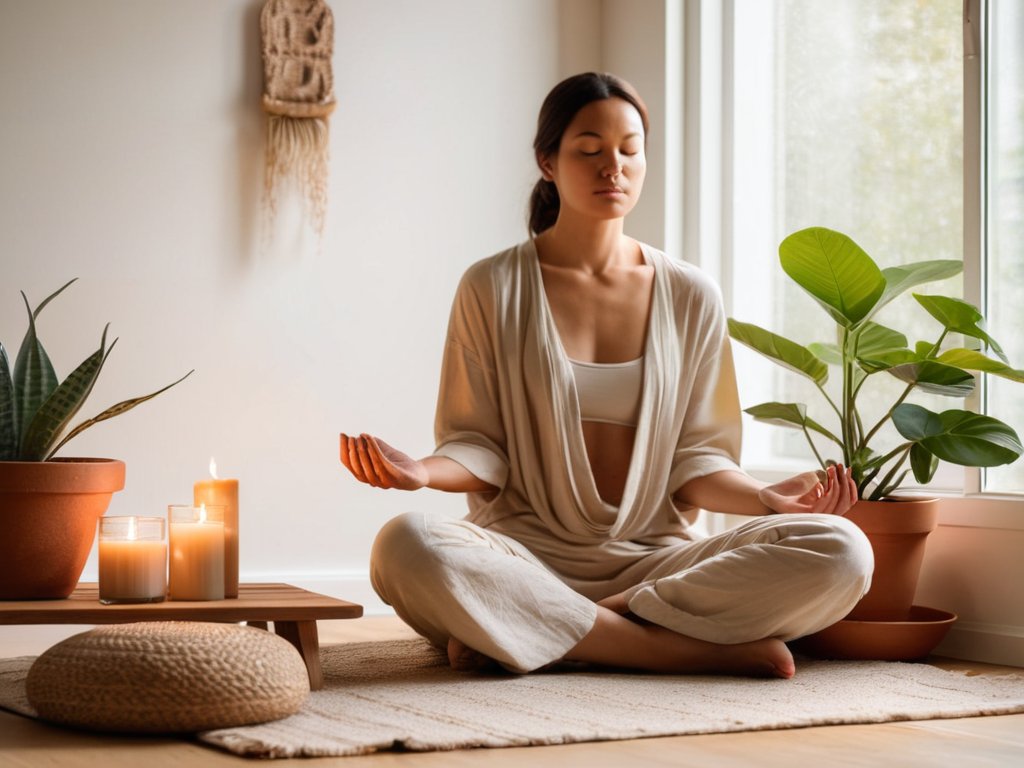
- 1. First, I recommend starting by creating a sacred space for your daily meditation practice – this could be a corner in your bedroom, a spot in your garden, or even a quiet room in your office. Make sure it’s a place where you can sit comfortably without distractions, and consider adding some calming elements like candles, plants, or a peaceful artwork.
- 2. Next, I suggest setting aside a specific time each day that works for you, and trying to stick to it as much as possible – for me, it’s early morning, just after sunrise. This helps to establish a routine and makes it easier to prioritize your meditation practice amidst the chaos of daily life.
- 3. Now, let’s talk about preparing your mind and body for meditation – take a few minutes to stretch, yawn, or do some light physical activity to release any tension. You can also try drinking a glass of water or having a warm cup of tea to help you feel more relaxed and focused.
- 4. Once you’re settled in your sacred space, take a few deep breaths and close your eyes, allowing yourself to let go of any thoughts or worries. Start by focusing on your breath, feeling the sensation of the air moving in and out of your body – when your mind wanders (and it probably will!), gently bring your attention back to your breath without judgment.
- 5. As you continue to breathe deeply, begin to expand your awareness to your surroundings – notice the sounds, smells, and sensations around you, but try not to get caught up in thinking about them. Instead, aim to cultivate a sense of curiosity and openness, allowing yourself to be present in the moment.
- 6. Now, let’s introduce a guided meditation element to your practice – you can find plenty of free resources online, or use an app like Headspace or Calm to guide you through a series of meditation exercises. These can help you develop greater mindfulness, self-awareness, and emotional regulation.
- 7. As you near the end of your meditation practice, take a few moments to reflect on your intentions – what do you hope to achieve or cultivate in your life? What challenges are you facing, and how can you approach them with greater clarity and compassion? Allow yourself to set positive intentions, and imagine yourself embodying the qualities you desire.
Daily Meditation Routine

As I reflect on my own journey with meditation, I’ve found that incorporating morning meditation for energy has been a game-changer. Starting my day with a few minutes of mindfulness sets the tone for a more focused and productive day. I’ve also noticed that it helps me stay grounded, even in the midst of chaos. When I’m traveling to remote locations, I make it a point to continue my practice, often finding serene spots to meditate and connect with the local culture.
In addition to morning meditation, I’ve also come to appreciate the value of evening meditation for sleep. Unwinding with a calming meditation session before bed has significantly improved the quality of my sleep, allowing me to feel more rested and prepared for the next day’s adventures. I’ve used various meditation apps for tracking progress to help me stay consistent and motivated, and I’ve found that they can be a valuable tool for beginners.
As someone who’s passionate about creating a peaceful environment, I’m also interested in meditation room design ideas. I believe that a thoughtfully designed space can enhance the meditation experience, allowing us to more easily cultivate a sense of mindfulness exercises for beginners. By creating a serene and inviting atmosphere, we can set ourselves up for success and make meditation a more enjoyable and sustainable practice.
Evening Meditation for Restful Sleep
As I wind down after a day of exploring remote locations, I’ve found that evening meditation is essential for a restful night’s sleep. By dedicating just a few minutes to mindfulness, I can quiet my mind and prepare my body for a rejuvenating sleep. I recall a particular evening in a small village in Japan, where I participated in a traditional meditation ceremony, and the sense of calm that settled over me has stayed with me to this day.
I incorporate similar principles into my evening meditation practice, focusing on deep breaths and a gentle awareness of my surroundings. This helps me let go of the day’s events and slip into a peaceful slumber, ready to face another day of cultural exchange and discovery.
Morning Meditation for Energy Boost
As I’ve incorporated meditation into my daily routine, I’ve found that starting my day with a morning meditation session has been a game-changer for my energy levels. There’s something about taking a few minutes to breathe, focus, and set intentions that sets the tone for the rest of the day. I’ve noticed that even on the most chaotic of mornings, a brief meditation practice helps me feel more grounded and centered. Whether I’m in a bustling city or a remote village, this quiet moment to myself has become an essential part of my daily ritual, allowing me to approach the day with clarity and purpose.
Weaving Mindfulness into Daily Life: 5 Essential Tips
- I’ve found that starting small is key, beginning with just 5-10 minute meditation sessions to ease into the practice and make it a sustainable part of my daily routine
- Creating a peaceful and dedicated space for meditation has been instrumental in my journey, often incorporating elements of nature and soothing colors to foster a sense of calm
- Experimenting with different types of meditation, such as guided, transcendental, or movement meditation, has helped me discover what works best for my mind and body at various times
- Incorporating meditation into my travel and cultural exchange experiences has not only deepened my understanding of global spiritual practices but also enriched my personal growth
- Making meditation a habit by incorporating it into my daily schedule, such as right after waking up or before bed, has been crucial in maintaining consistency and witnessing its profound effects on my well-being
Key Takeaways for a Mindful Life
I’ve discovered that incorporating meditation into my daily routine has been a game-changer, helping me navigate the complexities of our global community with greater empathy and understanding
Through my experiences with morning and evening meditation, I’ve learned to appreciate the beauty of balance in my life, from the bustling streets of London to the serene landscapes of remote locations I’ve had the privilege to visit
By embracing mindfulness and sharing stories of its impact, I hope to inspire others to join me in this journey of self-discovery and cultural exchange, one mindful moment at a time
Mindfulness in Motion
As I’ve wandered this earth, from the bustling streets of New Delhi to the serene landscapes of rural Japan, I’ve come to realize that a daily meditation routine is not just a practice, but a bridge that connects us all – a reminder that in stillness, we find the beauty of our shared humanity.
Alexandra Thompson
Conclusion
As I reflect on the journey of incorporating a daily meditation routine into our lives, it’s clear that the benefits are multifaceted. From the energy boost of morning meditation to the restful sleep induced by evening meditation, this practice has the power to transform our daily experiences. By committing to just a few minutes each day, we can cultivate a sense of calm, clarity, and connection to ourselves and the world around us.
As we embark on this path of mindfulness and self-discovery, I encourage you to approach it with an open heart and mind. Remember that the goal of meditation isn’t to achieve a specific state, but to embrace the present moment with kindness and curiosity. By doing so, we can weave meditation into the fabric of our global community, fostering a deeper understanding of ourselves and each other, and ultimately, creating a more compassionate and harmonious world.
Frequently Asked Questions
How can I incorporate a daily meditation routine into my already busy schedule?
I’ve found that even the smallest pockets of time can be transformative – try incorporating meditation into your daily commute, or right before bed, to bring a sense of calm and clarity to your busy schedule.
What are some common obstacles people face when starting a daily meditation practice and how can I overcome them?
As I’ve navigated my own meditation journey, I’ve encountered common hurdles like consistency and quieting the mind. To overcome these, I’ve found it helpful to start small, even just 5-10 minutes a day, and anchor my practice to a daily routine, like right after waking up or before bed.
Can meditation really have a significant impact on both physical and mental health, and are there any scientific studies to support this?
I’ve delved into the research and found that meditation indeed has a profound impact on both physical and mental well-being. Studies have shown that regular meditation can lower blood pressure, boost the immune system, and even alter brain structure to reduce stress and anxiety.