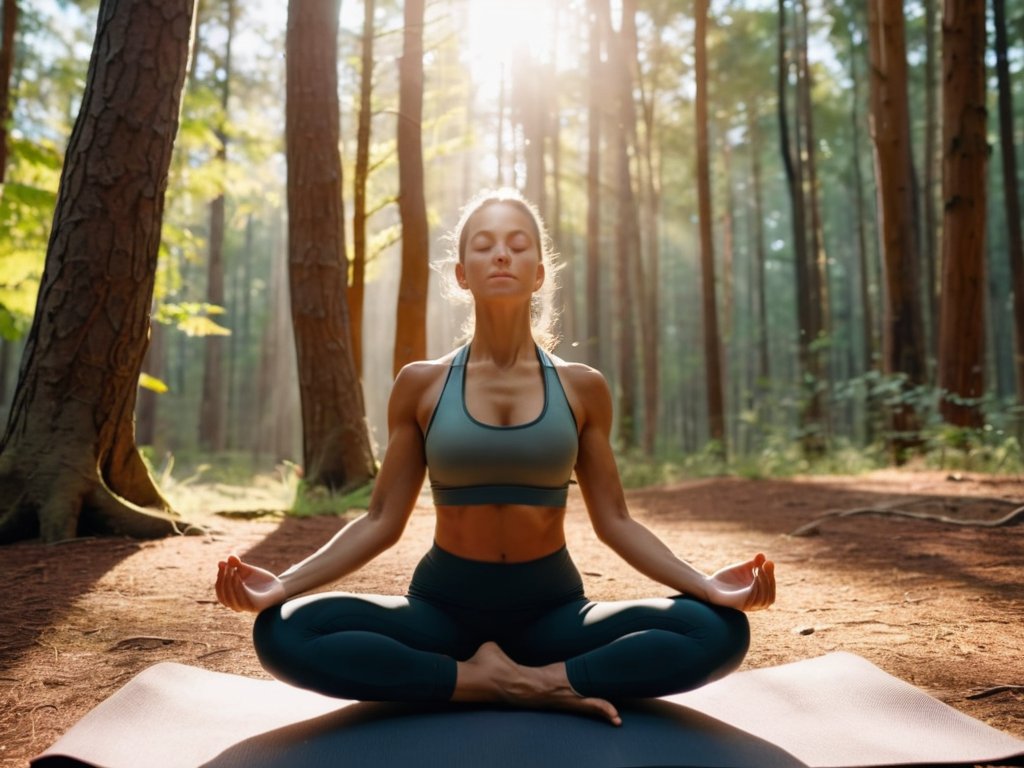
I was halfway up a steep trail in the Andes, the wind whipping around the ancient stone steps, when I realized I had been sprinting toward the summit with my mind still stuck in the briefing room back in London. My heart hammered, but the view demanded stillness. In that thin, crisp air I discovered the simple truth behind mindfulness in fitness: it isn’t a quiet meditation you slip in between reps; it’s the moment you choose to meet every strain with full, un‑filtered attention. That realization turned a grueling climb into a conversation with my own body.
In the pages that follow I’ll strip away the jargon and give you a step‑by‑step roadmap for weaving genuine mindfulness into any workout—whether you’re lifting in a cramped London gym, jogging along the Ganges, or stretching in a tiny hostel dorm. You’ll learn how to anchor the breath as your compass, how to spot mental drift before it sabotages form, and three practical rituals that turn a sweaty session into a moment of cultural self‑discovery. No lofty promises, just tools you can start using tomorrow.
Table of Contents
- Project Overview
- Step-by-Step Instructions
- Mindfulness in Fitness Uniting Strength Breath and Global Wellbeing
- Breathing Exercises for Workout Focus That Transcend Borders
- Discover Mindful Strength Training Techniques for Resilient Bodies
- 5 Mindful Moves to Elevate Your Workout
- Key Takeaways
- Mindful Motion, Global Harmony
- Conclusion
- Frequently Asked Questions
Project Overview
Total Time: 1 hour 30 minutes
Estimated Cost: $20 – $40
Difficulty Level: Intermediate
Tools Required
- Yoga mat (non‑slip surface for floor work)
- Resistance bands (set of light, medium, and heavy resistance)
- Timer or smartphone (for interval timing and breath cues)
Supplies & Materials
- Journal or notebook (to record sensations, thoughts, and progress)
- Water bottle (stay hydrated throughout the session)
- Meditation music playlist (optional, for enhancing focus)
Step-by-Step Instructions
- 1. First, I set the stage by finding a spot that feels both safe and inspiring—be it a quiet corner of a bustling gym in Nairobi or a sun‑drenched balcony in Lisbon. I take three deep breaths, feeling the air fill my lungs, and anchor my attention to the present moment before I even touch the mat.
- 2. Next, I choose a simple intention for the session, such as cultivating gratitude for my body’s capabilities or honoring the rhythm of my breath. I whisper this intention to myself, letting it settle like a gentle mantra that will guide every movement that follows.
- 3. As I begin the warm‑up, I move with mindful curiosity, noticing the subtle shift of muscles, the sway of shoulders, and the pull of gravity. I pause briefly between each stretch, observing sensations without judgment, letting each exhale release tension and each inhale invite openness.
- 4. When I transition to the core workout—whether it’s a kettlebell swing in Delhi’s rooftop gym or a yoga flow in a Bhutanese monastery—I synchronize breath with motion. I count silently, “inhale, lift; exhale, lower,” allowing the breath to become the metronome that steadies both body and mind.
- 5. Mid‑session, I check in with my inner dialogue, noticing any self‑criticism or racing thoughts. If a critical voice surfaces, I acknowledge it with compassion, then gently redirect my focus back to the feeling of feet grounding the floor or the rhythm of my heartbeat.
- 6. Finally, I close the practice with gratitude, taking a few moments to sit still, feeling the afterglow of effort. I reflect on what the body taught me today—perhaps resilience, patience, or a newfound sense of balance—and I seal the experience by noting one small insight in my travel journal, linking the practice back to the cultures I encounter.
Mindfulness in Fitness Uniting Strength Breath and Global Wellbeing

When I’m in a modest gym tucked behind a bustling market in Marrakech, I treat every rep as a conversation with my own body. I start by anchoring each lift with a mindful strength training technique: before the bar leaves the rack, I pause, feel the weight’s texture, and inhale through my nose, drawing the breath deep into the diaphragm. This brief breathing exercise for workout focus steadies the nervous system, letting the muscles fire with intention rather than sheer force. The result isn’t just heavier curls; it’s a growing sense that the barbell is an extension of my breath, and every set becomes a quiet dialogue between effort and awareness.
The rhythm continues when I lace up for a run along the riverbanks of Chiang Mai. I let the cadence of my feet mirror the rise and fall of my chest, tuning into the mind‑body connection in cardio that transforms a solitary sprint into a moving meditation. After the last mile, I linger on the mat for a meditative cool‑down routine—slow cat‑cow stretches, a few sun‑salutations, and a final moment of gratitude for the ground that supported me. Those gentle transitions, much like a slow‑spun tea ceremony, dissolve residual tension and invite a deeper, lingering sense of stress reduction through yoga workouts that carries into the rest of the day.
Breathing Exercises for Workout Focus That Transcend Borders
When I first practiced ujjayi breath in a sunrise yoga circle on the mist‑kissed cliffs of Kerala, I realized that a single inhale can feel like a passport stamp—each exhale a gentle reminder that we’re all breathing the same air, no matter where the mat lands. I now weave three simple patterns into my strength sessions:
1. Box‑breath (4‑4‑4‑4) – picture the four corners of a vintage globe; inhale across the equator, hold at the prime meridian, exhale over the southern hemisphere, and pause at the International Date Line.
2. Nadi‑shodhana (alternate nostril) – a rhythm that mirrors the ebb and flow of monsoon winds, calming the nervous system before a heavy lift.
3. Kumbhaka (breath‑hold) – a brief pause that feels like standing at a border crossing, giving the mind a moment to register the intent behind every squat or pull‑up.
Across continents, these breaths sharpen focus, anchor the body, and whisper a quiet truth: the same breath that powers a kettlebell swing in Nairobi also steadies a barbell press in Buenos Aires.
Discover Mindful Strength Training Techniques for Resilient Bodies
When I step onto a rust‑patina barbell in a modest gym in Oaxaca, I begin each set with a three‑second pause, feeling the weight settle into my palms before I even think about the lift. I inhale through my nose, visualising the air traveling from the Pacific coast to the muscles that will bear the load, then exhale as I press, letting the breath carry the tension out of my shoulders. This breath‑synchronised approach—rooted in the Tibetan practice of “lung‑tso” and the disciplined rhythm of Japanese kendo—creates a bridge between strength and mindfulness, turning a solitary rep into a global dialogue of intention.
From kettlebell swings that echo the pulse of West African drum circles to deadlifts performed with the slow, deliberate focus of a monk’s chanting, I stitch cultural textures into each movement. I scan my body from ankle to crown, noting subtle shifts in tension, and I name them—tightness, gratitude, resistance—before releasing. By anchoring every contraction in conscious breath and a brief mental check‑in, the training becomes less about how much I can lift and more about how resilient my whole system feels, both inside the gym and across the continents I travel.
5 Mindful Moves to Elevate Your Workout
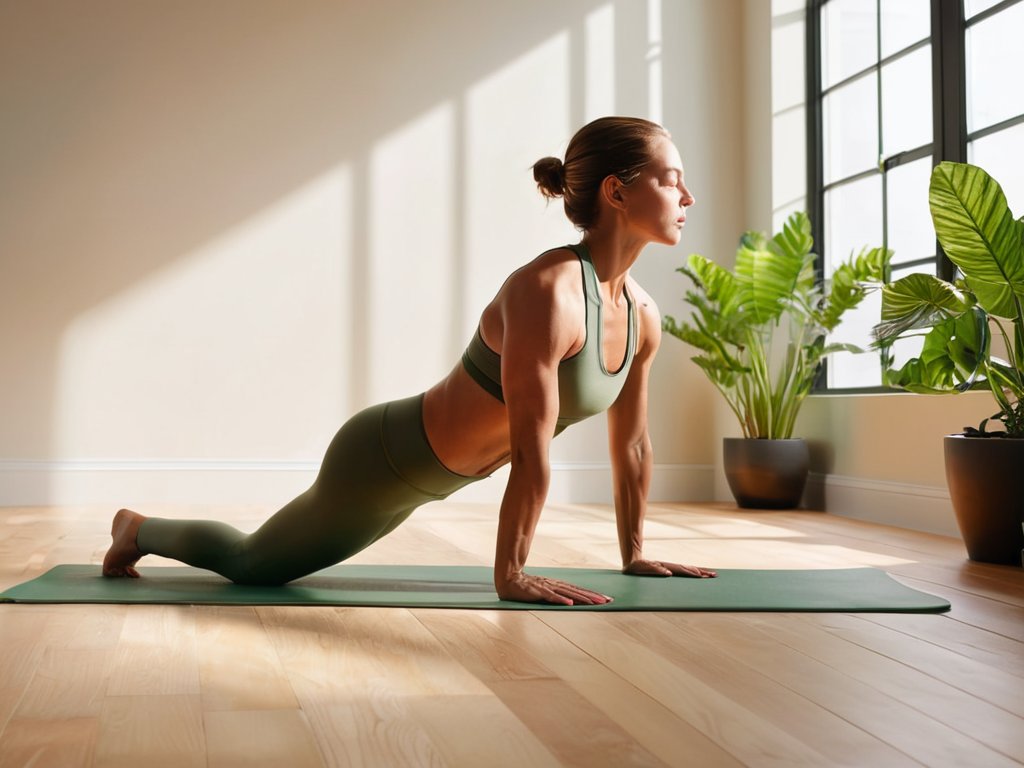
- Start with a grounding pause: before each set, close your eyes for three breaths, feeling the floor beneath you and visualising the energy you’ll channel into the next rep
- Sync movement with breath: inhale on the eccentric (lowering) phase and exhale on the concentric (lifting) phase to create a rhythmic flow that steadies both body and mind
- Engage the senses: notice the texture of the mat, the temperature of the air, and the subtle sound of your muscles working—this sensory awareness keeps you present and prevents mind‑wandering
- Set an intention, not just a goal: phrase your workout aim as a quality (e.g., “I will move with fluidity”) rather than a quantity, allowing flexibility and deeper connection to each motion
- Reflect in the cool‑down: spend the last five minutes journaling or mentally scanning your body, acknowledging progress and gratitude, turning the physical effort into a lasting mindful imprint
Key Takeaways
Integrating mindful breath work transforms strength training into a practice that resonates with traditions from yoga studios in Delhi to kettlebell circles in Reykjavik.
Consistent, present‑moment focus during exercise not only sharpens performance but also nurtures a sense of global solidarity, reminding us we’re all moving toward the same well‑being.
Simple, portable mindfulness cues—like a three‑second inhale‑exhale pause—can be woven into any routine, making the benefits of mindful fitness accessible wherever our journeys take us.
Mindful Motion, Global Harmony
When we move with intention, every breath becomes a bridge—linking our inner steady rhythm to the pulse of the world around us.
Alexandra Thompson
Conclusion
Looking back on the steps we’ve walked together, it becomes clear that mindfulness in fitness is more than a technique—it is a bridge between body, breath, and the wider world. We explored how mindful strength training can sculpt resilience while honoring the subtle dialogue between muscle and intention, and we saw how focused breathing transforms a routine into a rhythmic conversation that transcends borders. By anchoring each rep in awareness, we invited the same calm that steadies a diplomat in a tense negotiation into our gyms, studios, and open fields. The result is a practice that nurtures personal health and contributes to global well‑being, reminding us that every inhalation carries a shared pulse.
As I close this chapter, I can’t help but think of the vintage globes that line my study—each one a reminder that the same planet spins beneath every sunrise we greet before a workout. Let that image inspire you to treat each squat, each breath, as a small diplomatic mission, a chance to negotiate peace between tension and relaxation. When we move mindfully, we stitch together stories from Kathmandu to Copenhagen, turning sweat into a universal language of presence. So I invite you to step onto your mat, feel the earth beneath you, and let mindful movement become the passport that carries your intention across cultures, today and beyond.
Frequently Asked Questions
How can I incorporate mindfulness into my daily workout routine without feeling overwhelmed?
First, I set a tiny intention before each session—something as simple as “feel the floor under my feet.” I then pick one breath cue, like inhaling on the pull and exhaling on the release, and let it anchor me for just two minutes. After the workout, I pause for a quick gratitude scan, noting one body sensation and one thought that felt present. These micro‑mindful moments stack up, keeping the practice light yet powerful.
What are some simple breathing techniques I can use during high‑intensity training?
I’ve found three breath tricks to stay steady when tempo spikes. First, the 2‑2 rhythm: inhale for two counts, exhale for two, syncing with each rep so muscles never feel starved. Second, the ‘box‑breath’ during short rests – four seconds in, hold, four out, hold – resetting nervous system without slowing workout. Finally, the ‘power exhale’: blow out as you lift, channeling tension into momentum. Try them one session at a time and feel the shift.
Can mindfulness really improve my performance and prevent injury, and if so, how?
Yes, mindfulness can sharpen performance and guard against injury. When I pause between sets to notice tension in my shoulders or the rhythm of my breath, I catch subtle misalignments before they become strain. That quiet awareness trains my nervous system to recruit muscles more efficiently, keeping joints stable and movement fluid. Over time, the habit of returning to the present moment builds a resilient body‑mind connection that elevates results and reduces the risk of over‑use injuries.