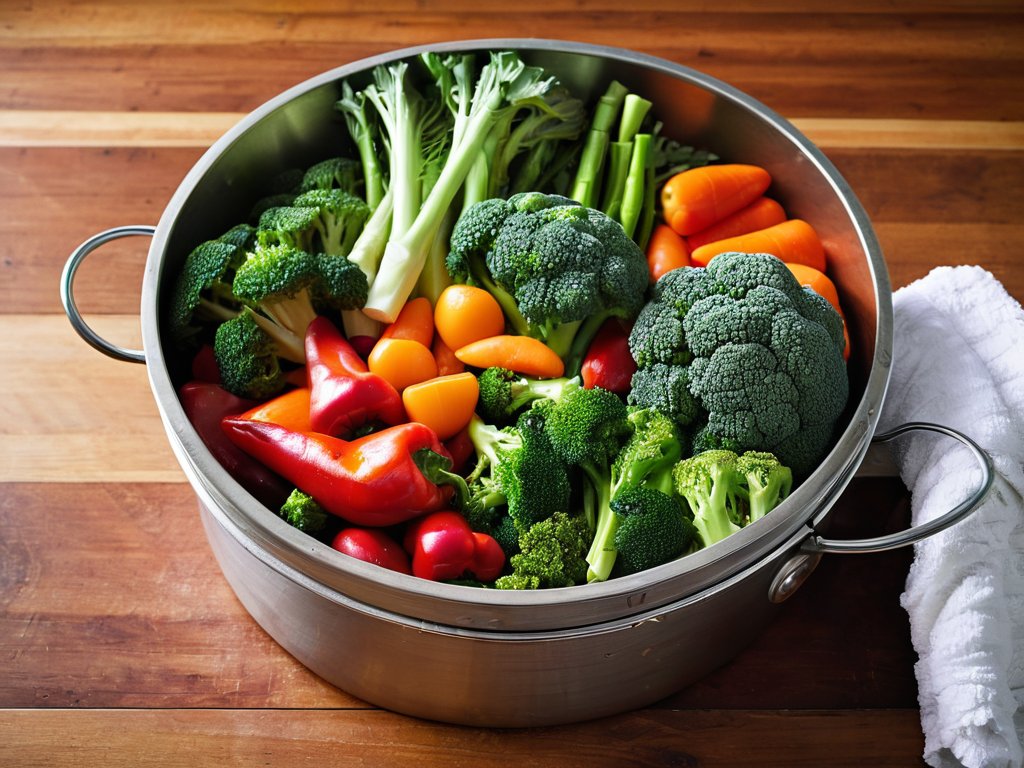
As I sat in a small village in rural Japan, watching a local chef prepare a traditional meal using the steaming cooking technique, I realized that this method is often misunderstood in the Western world. Many people believe that steaming is a bland and unappetizing way to cook, but I’ve found that it’s actually a great way to preserve the natural flavors of ingredients. My experience with steaming cooking technique has taken me to various parts of the world, from the spice markets of India to the seafood restaurants of China, and I’ve seen firsthand how it can bring people together.
In this article, I’ll share my personal tips and tricks for mastering the steaming cooking technique, from choosing the right ingredients to creating delicious and healthy meals. I’ll provide you with practical advice on how to get started with steaming, including recipes and techniques that I’ve learned during my travels. Whether you’re a seasoned chef or a beginner in the kitchen, this guide will help you to unlock the full potential of steaming and discover a new world of flavors and possibilities. By the end of this article, you’ll be equipped with the knowledge and confidence to start experimenting with steaming cooking technique and exploring its many benefits.
Table of Contents
Project Overview

Total Time: 30 minutes to 1 hour
Estimated Cost: $20 – $50
Difficulty Level: Easy
Tools Required
- Steamer Basket (stainless steel or silicone)
- Large Pot (with a lid, at least 3 inches deeper than the steamer basket)
- Stovetop (or electric steamer)
Supplies & Materials
- Water (enough to fill the pot to a depth of 2 inches)
- Food to be Steamed (such as vegetables, seafood, or poultry)
- Optional Aromatics (like lemon slices, garlic, or herbs)
Step-by-Step Instructions
- 1. To begin with, let’s start by preparing our ingredients, as this will be the foundation of our steaming process. Choose your desired food, whether it’s vegetables, seafood, or poultry, and make sure to wash and chop them into suitable sizes for steaming. I find that fresh ingredients are essential for bringing out the best flavors and textures.
- 2. Next, we need to select a suitable steamer, and there are several options available, from traditional bamboo steamers to modern electric steamers. I personally prefer using a stainless steel steamer, as it’s easy to clean and durable. Fill the steamer with water to the recommended level, usually about an inch or two below the steamer basket.
- 3. Now, let’s move on to the steamer setup, which is crucial for achieving the perfect steam. Place the steamer basket into the pot, making sure that it’s not touching the water. Add any desired aromatics, such as lemon slices or ginger, to the water for extra flavor. Bring the water to a boil, then reduce the heat to a simmer.
- 4. With our steamer ready, it’s time to add our prepared ingredients to the steamer basket. Make sure to leave some space between each piece to allow for even air circulation, which is essential for proper steaming. You can also add a splash of white wine or broth to the steamer for added moisture and flavor.
- 5. Once our ingredients are in place, cover the steamer with a lid to trap the steam and heat. This is where the magic happens, and the steaming process begins. Depending on the type and quantity of food, steaming times can vary, so be sure to check on your food regularly to avoid overcooking.
- 6. As we wait for our food to steam, let’s talk about the importance of timing in the steaming process. Different ingredients have different steaming times, so it’s essential to keep an eye on the clock. For example, delicate fish may only require 5-7 minutes of steaming, while heartier vegetables like broccoli may need 10-12 minutes.
- 7. Finally, once our food is cooked to perfection, it’s time to remove it from the steamer and serve. I like to garnish my steamed dishes with fresh herbs and a squeeze of lemon juice for added brightness and flavor. The result is a delicious, healthy meal that’s not only nourishing but also culturally significant, as steaming is a technique that’s been shared and enjoyed across the globe for centuries.
Unlocking Steaming Cooking Technique

As I delve deeper into the world of steaming, I’ve discovered that nutrient retention is a significant advantage of this cooking method. Unlike boiling, which can lead to a loss of essential vitamins and minerals, steaming helps preserve the natural goodness of our food. I’ve found that using a steamer basket is ideal, but for those without one, there are steamer basket alternatives that can achieve similar results.
When it comes to cooking frozen vegetables, I’ve learned that steaming times can vary greatly depending on the type and quantity. A general rule of thumb is to steam for 2-3 minutes longer than fresh vegetables. I’ve also experimented with both electric and stovetop steamers, and while electric steamer vs stovetop debates can be ongoing, I find that both methods have their own unique benefits.
In my travels, I’ve seen how steaming is used not only for cooking but also for food preservation. By steaming food, we can help kill off bacteria and extend the shelf life of our ingredients. This method has been particularly useful during my time in remote locations, where access to fresh food can be limited. I’ve come to appreciate the benefits of steaming over boiling, not just for the nutritional value, but also for the unique flavors and textures it brings to our dishes.
Beyond Boiling Nutrient Retention Secrets
As I reflect on my travels, I’ve noticed how steaming preserves the delicate balance of nutrients in food. This gentle heat helps retain vitamins and minerals that would otherwise be lost in boiling water. I recall a conversation with a local chef in Japan, who emphasized the importance of steaming in preserving the nutritional value of ingredients. By using this technique, we can unlock the full potential of our food, making each bite a testament to the power of mindful cooking. Whether it’s a vibrant vegetable or a delicate fish, steaming coaxes out the natural flavors while keeping the nutrients intact.
Electric Steamer vs Stovetop a Global Perspective
As I’ve traveled to different parts of the world, I’ve noticed the varied approaches to steaming. In many Asian cultures, electric steamers are a staple, while in other regions, stovetop steaming remains the preferred method. I’ve had the chance to try both, and I must say, each has its unique benefits. Electric steamers offer convenience and ease of use, while stovetop steaming allows for a more hands-on, traditional approach.
In my experience, the choice between electric and stovetop steaming often depends on the specific cuisine and cultural context. For instance, in Japan, electric steamers are commonly used for delicate dishes like steamed buns, while in India, stovetop steaming is often preferred for heartier dishes like idlis and momos.
Steaming Like a Global Citizen: 5 Essential Tips to Enhance Your Culinary Journey
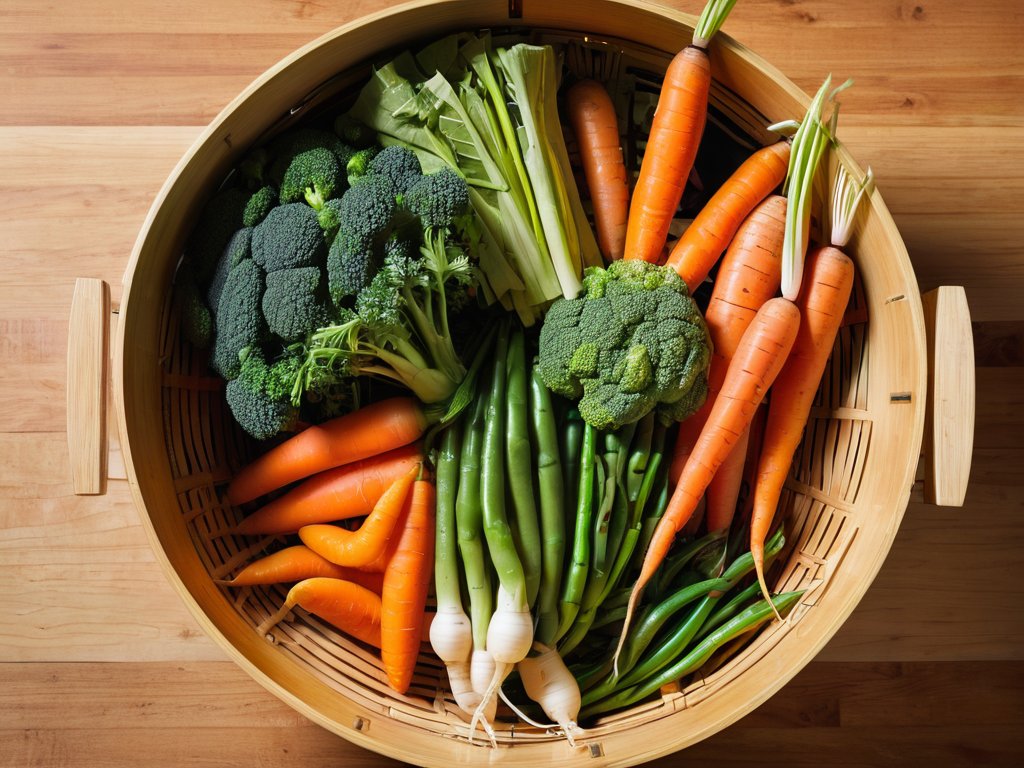
- I’ve found that using fresh, high-quality ingredients is crucial when it comes to steaming, as it allows the natural flavors of the food to shine through
- Experimenting with different steaming times and temperatures can help retain the nutrients and textures of various ingredients, from delicate fish to vibrant vegetables
- In my travels, I’ve discovered that incorporating aromatic spices and herbs into the steaming process can add incredible depth and warmth to dishes, reflecting the unique cultural traditions of each region
- Whether you’re using an electric steamer or a traditional stovetop method, ensuring that the steamer basket is at the right height and the water level is optimal is vital for even cooking and to prevent a mushy texture
- Embracing the versatility of steaming, I’ve learned to apply this technique to a wide range of global cuisines, from Chinese dim sum to Indian idlis, and even to create innovative fusion dishes that blend seemingly disparate culinary traditions
Key Takeaways from My Journey with Steaming
I’ve discovered that steaming is more than a cooking technique – it’s a universal language that connects people across cultures, allowing us to share stories and traditions from around the world
Through my exploration of steaming, I’ve learned that retaining nutrients is not just about the method, but also about the mindset: it’s about respecting the food, the people, and the environment, which is reflected in the choices we make in the kitchen
From electric steamers to stovetop setups, my global perspective on steaming has taught me that the tools we use are merely a reflection of our values and priorities – what matters most is the intention, the community, and the love that goes into cooking a meal
A Culinary Bridge
Steaming is more than a cooking technique – it’s a universal language that transcends borders and cultures, weaving a tapestry of traditions, stories, and flavors that bring us closer together.
Alexandra Thompson
Conclusion
As I reflect on the journey of exploring the steaming cooking technique, I am reminded of the importance of preserving nutrients and flavors in our food. From the step-by-step guide to the discussion on electric steamer vs stovetop, it’s clear that this method offers a unique balance of health and taste. The global perspective on steaming has also shown us that, despite our cultural differences, we are all connected through our love for good food and the desire to share it with others.
As we conclude this exploration of steaming, I hope that it has inspired you to venture beyond your culinary comfort zone and discover the richness of this ancient cooking method. Whether you’re a seasoned chef or a curious beginner, the world of steaming awaits, full of flavors and stories that can bring us closer together, one delicious and nutritious meal at a time.
Frequently Asked Questions
How can I ensure that my steamed dishes retain their flavor and texture?
To retain flavor and texture in steamed dishes, I swear by using aromatics like ginger and lemongrass, and adding a splash of acidity, like citrus or vinegar, to the steaming liquid. This simple trick can elevate even the humblest of steamed vegetables into a culinary delight, as I discovered during my travels through Southeast Asia.
Are there any specific ingredients or cuisines that are better suited for steaming than others?
I’ve found that delicate fish, vibrant vegetables, and tender dumplings are perfectly suited for steaming. Asian cuisines, in particular, have mastered the art of steaming, with dishes like Chinese dim sum and Japanese buns showcasing its potential.
Can steaming be used for cooking proteins like meat and fish, or is it primarily for vegetables and grains?
I’ve had the pleasure of exploring various steaming techniques during my travels, and I can attest that steaming is a wonderful way to cook proteins like meat and fish, retaining their tender flavor and texture. In fact, many global cuisines, from Chinese to Ethiopian, rely on steaming to prepare delicious and healthy protein dishes.