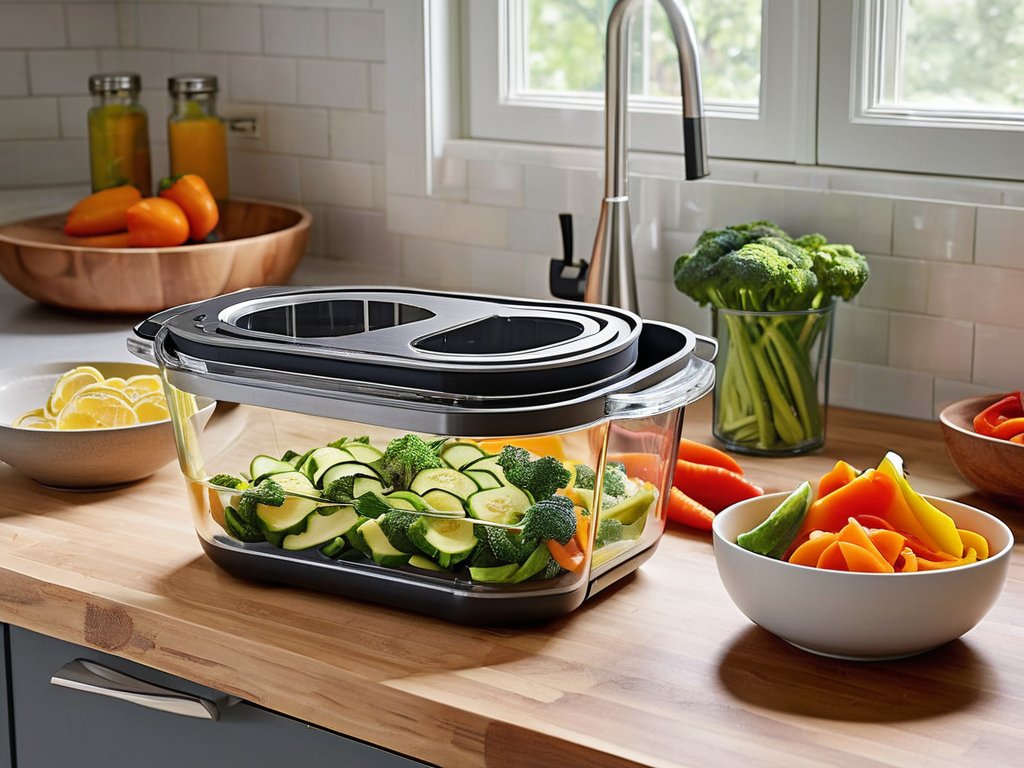
When I whisked a chickpea puree on a wind‑swept balcony in Kathmandu, I was struck by a simple truth: the tools we reach for can either amplify flavor or dilute intention. In an age where fast meals crowd our plates, finding the right kitchen gadgets for healthy cooking feels like discovering a quiet alley in a bustling bazaar—one that promises nourishment without compromising the story behind each ingredient. It’s a reminder that the smallest device can shape the biggest cultural exchange on our dinner tables.
In the list that follows, I’ll walk you through five pieces of equipment that have earned a permanent spot in my suitcase and my kitchen alike. From a sleek air‑fryer that crisps vegetables with barely a whisper of oil, to a spiralizer that transforms carrots into noodle‑like ribbons, each gadget is chosen for its nutrient‑preserving power and its ability to weave global techniques into everyday meals. Expect practical tips, a glimpse of the markets where I first encountered them, and a sense of how a single tool can turn a routine stir‑fry into a cross‑cultural conversation that linger long after the plate is cleared.
Table of Contents
- Crisp Horizons: The Air Fryer
- Silky Stories: Immersion Blender
- Spiral Dreams: The Veggie Spiralizer
- Pressure‑Poised: Smart Multi‑Cooker
- Balance by the Gram: Digital Food Scale
- Key Takeaways for Healthier Cooking
- The Quiet Revolution of Healthy Kitchen Tools
- Wrapping Up: Gadgets as Gateways to Healthier, Connected Cooking
- Frequently Asked Questions
Crisp Horizons: The Air Fryer
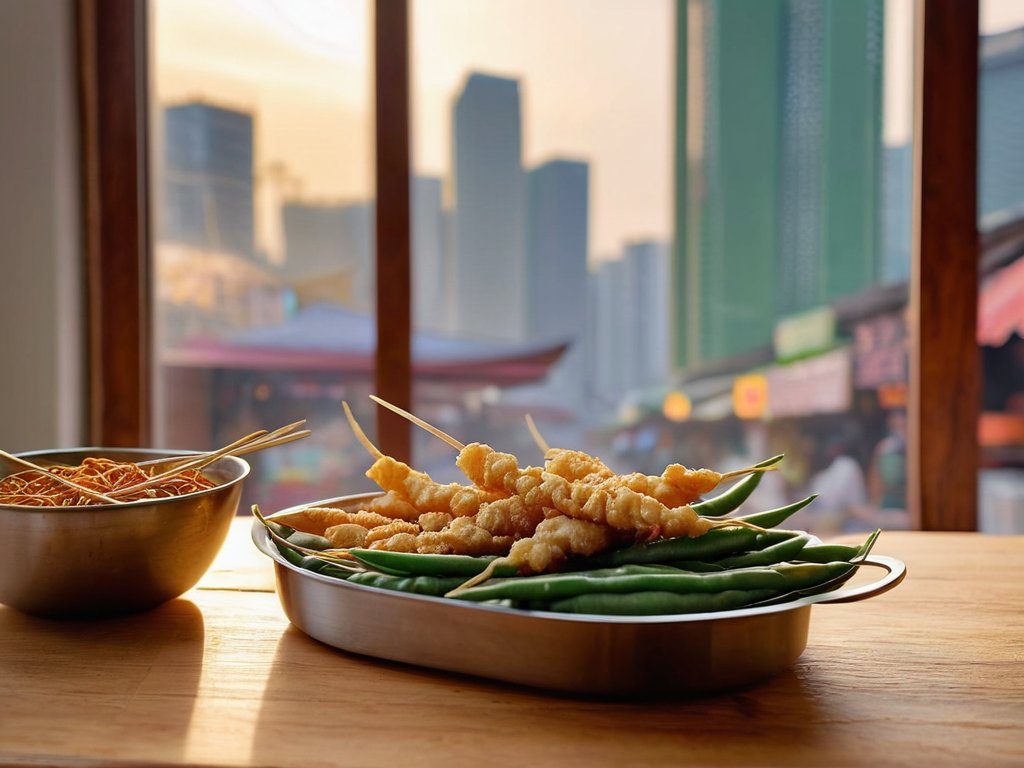
When I was wandering through a bustling night market in Kuala Lumpur, the scent of fried satay mingled with the humid air, and I wondered how much of that joy could survive without the deep‑oil plunge. My first air fryer arrived back home like a portable passport, promising crisp textures without the guilt of a fryer‑filled vat.
Since then, I’ve used it to rehearse the flavors of distant cuisines—think Moroccan carrot fries dusted with cumin, or Japanese tempura‑style green beans—while keeping the calorie count in check. The secret is the rapid hot‑air circulation, which delivers that satisfying crunch with up to 80 percent less oil than traditional methods.
Silky Stories: Immersion Blender

In a remote Andean village, I watched locals transform humble potatoes into a cloud‑like sopa using a simple hand‑whisk; back home, my immersion blender lets me capture that same rustic charm in a matter of seconds, turning lentil purées into velvety narratives of flavor.
Beyond texture, the handheld design means I can blend directly in the pot, preserving heat and nutrients that would otherwise escape during transfer. It’s a quiet reminder that smooth soups can be both comforting and nutritionally intact, no matter how far my ingredients have traveled.
Spiral Dreams: The Veggie Spiralizer
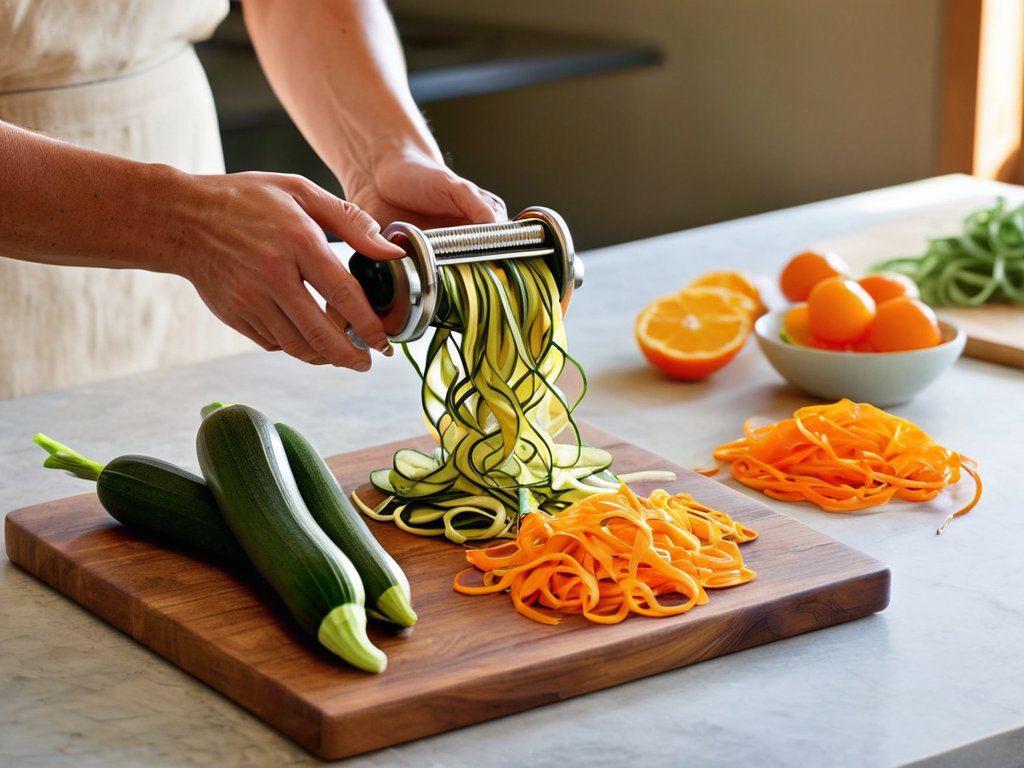
During a summer in Tuscany, I fell in love with the simplicity of zucchini ribbons tossed with basil and pine nuts—a dish that felt like a celebration of the land itself. My spiralizer now turns ordinary vegetables into twirl‑filled noodles, letting me recreate that Mediterranean lightness without reaching for wheat‑laden pasta.
What excites me most is the way the tool encourages a wholesome mindset: swapping a carb‑heavy base for vibrant carrots or cucumbers not only cuts calories but also invites a palette of colors that echo the markets of Marrakech where I first learned the value of visual storytelling on the plate.
Pressure‑Poised: Smart Multi‑Cooker
While trekking through the Himalayas, I shared a modest stew with trekkers whose only cooking vessel was a battered metal pot. The experience taught me the power of pressure to coax depth from humble ingredients, a principle embodied by my smart pressure cooker, a true time‑saving companion for busy evenings.
Its programmable presets mean I can set it to gently coax the flavors of a Moroccan tagine or a quick quinoa pilaf, then walk away confident that the device will lock in nutrients. The result is a nutrient‑preserving meal that feels as if I’ve spent hours over a fire, even when I’m juggling deadlines in a London flat.
Balance by the Gram: Digital Food Scale
In the spice souks of Marrakech, I learned that a pinch can be a world of difference; back home, my digital food scale offers that same precision, turning vague guesses into measurable confidence, a subtle precision that elevates every recipe.
Beyond accuracy, the scale has become a quiet advocate for mindful eating. By weighing portions of quinoa, nuts, or even avocado, I can honor both the nutritional guidelines I share with my readers and the cultural reverence for balance that I encountered on my travels.
Key Takeaways for Healthier Cooking
Investing in versatile, energy‑efficient gadgets—like a multi‑function pressure cooker—lets you whip up nutrient‑rich meals faster, freeing up time for cultural exploration.
Choose tools that respect the ingredients: steamers preserve vitamins, while precision slicers help you control portion sizes and reduce waste, echoing sustainable practices worldwide.
Pair technology with mindfulness: set intentional cooking rituals with timers and smart apps, turning everyday meal prep into a moment of global connection and personal well‑being.
The Quiet Revolution of Healthy Kitchen Tools
A well‑chosen gadget is more than a convenience; it’s a bridge that lets us taste health, honor tradition, and share the stories of our kitchens across continents.
Alexandra Thompson
Wrapping Up: Gadgets as Gateways to Healthier, Connected Cooking
Looking back on the five tools I’ve spotlighted, each tackles a different hurdle on the road to healthier meals. The smart steamer keeps vegetables crisp while locking in vitamins, which is why I call it a nutrient‑preserving ally. The air fryer swaps oil for hot air, delivering that familiar crunch without the guilt, and the precision cooker lets me dial in exact temperatures so proteins stay juicy and lean. A high‑tech blender whisks whole‑food soups and smoothies in seconds, turning leftover produce into nutrient‑dense bowls, while the low‑sodium salt dispenser shows flavor doesn’t need excess. Together, these gadgets form a modest kitchen arsenal that respects both time and the body, encouraging mindful cooking.
Beyond the mechanics, I see each gadget as a passport to a larger conversation about food, culture, and well‑being. When I travel to remote villages and watch a grandmother grind spices on a stone mortar, I’m reminded that technology is only a bridge—not a replacement—for the stories behind every dish. By inviting these tools into our homes, we gain the freedom to experiment, to share vibrant plates with friends across continents, and to honor the diverse palates that shape our world. So, let your next kitchen adventure be guided by curiosity, and let the humble appliances you choose become the next chapter in your own global narrative.
Frequently Asked Questions
Which kitchen gadget offers the best balance between health benefits and energy efficiency?
After testing everything from a solar‑powered blender in a Moroccan souk to a sleek induction cooktop in a Copenhagen flat‑share, I keep coming back to the countertop steam oven. It sears vegetables with barely a drop of oil, preserves nutrients, and runs on just a fraction of the electricity a conventional oven needs—thanks to its rapid, low‑heat circulation. In short, it blends health and efficiency into one quiet, compact workhorse for everyday cooking adventures in the home.
Can I adapt traditional cooking tools, like a cast‑iron skillet, to support low‑oil recipes without sacrificing flavor?
Absolutely—you can keep the skillet’s depth of flavor while trimming the oil. I start by heating the cast‑iron slowly, then add just a teaspoon of high‑smoke‑point oil (or a splash of broth) and swirl it to coat the surface. Once the pan is hot, the food releases its own juices, creating a natural non‑stick layer. Finish with a quick deglaze—wine, citrus, or a pinch of spices—to lift caramelised bits, and you’ll have the richness of a traditional sear without the excess grease.
How do I maintain and clean high‑tech appliances, such as air fryers and smart blenders, to ensure they stay hygienic for daily use?
I treat my air fryer and smart blender like diplomats—regular briefings keep them ready for duty. After each use, I unplug, let them cool, then wipe the exterior with a damp microfiber cloth scented with lemon. Remove the basket or pitcher, soak in warm, soapy water for five minutes, and scrub any crumbs with a soft brush. For hidden vents, a cotton swab and a dash of vinegar works wonders. Finally, run a “clean” cycle with water.