Ever wonder why your vibrant stir‑fry loses its punch of colour and, more importantly, its vitamins the moment it hits the pan? I used to believe the secret was a fancy non‑stick skillet, until a rainy night in a remote Nepali village taught me a different lesson: nutrient preservation in cooking is less about gadgets and more about respecting the chemistry of food. I was sitting on the floor of a modest kitchen, watching a local woman coax spinach into a gentle steam cloud, and the greens emerged bright, crisp, and surprisingly nutritious. That moment flipped the script for me.
In the next few minutes I’ll strip away the hype and give you three no‑nonsense tactics that actually work: 1) mastering the steam‑first, boil‑later method, 2) timing your cuts so enzymes don’t gobble up vitamin C, and 3) rescuing the cooking water as a nutrient‑rich broth. You’ll walk away with a simple checklist you can test tonight—whether you’re sautéing kale in a London flat or simmering lentils on a rooftop in Delhi. Let’s keep the food’s goodness where it belongs: on the plate.
Table of Contents
- Project Overview
- Step-by-Step Instructions
- Nutrient Preservation in Cooking Global Insights for Vibrant Meals
- How to Retain Vitamins While Cooking Simple Low Heat Secrets
- The Impact of Cooking Time on Nutrient Loss Food Science Explained
- Preserve the Power: 5 Proven Tips to Keep Nutrients Alive in Your Kitchen
- Preserving Nutrition, Preserving Culture
- Wrapping Up: Nutrient Preservation
- Frequently Asked Questions
Project Overview

Total Time: 1 hour 30 minutes
Estimated Cost: $30 – $80
Difficulty Level: Intermediate
Tools Required
- Steamer basket (Stainless steel or bamboo)
- Sous vide immersion circulator (For precise temperature control)
- Food thermometer (Instant-read digital)
- Sharp chef’s knife (For minimal cell damage)
- Cutting board (Non-porous surface)
- Glass storage containers (Airtight lids)
- Blender or food processor (For quick pureeing without overheating)
Supplies & Materials
- Fresh vegetables and fruits (Prefer organic, washed)
- Fresh herbs (Add at the end to preserve volatile oils)
- Extra-virgin olive oil or avocado oil (Heat-stable fats)
- Lemon or lime juice (Acidic boost and antioxidant protection)
- Vacuum seal bags (For sous vide and storage)
- Spices (turmeric, black pepper, cinnamon) (Enhance nutrient absorption)
Step-by-Step Instructions
- 1. First, I reach for a sturdy, wide‑bottomed pot and fill it with just enough water to cover the vegetables—no more. By keeping the water level low, I reduce the surface area where heat can leach vitamins, and the shorter boil time means the nutrients stay happier inside the food.
- 2. I bring the water to a gentle simmer rather than a rolling boil. A soft bubble preserves the delicate enzymes that would otherwise be destroyed by the shock of high heat, and it lets me control the cooking time with a simple watchful eye.
- 3. While the water warms, I trim and slice my produce uniformly—think bite‑size pieces about the same thickness. This ensures everything reaches the perfect doneness together, so I’m not overcooking some pieces while waiting for others.
- 4. I add a pinch of sea salt or a splash of citrus juice the moment the water starts to simmer. The salt raises the boiling point just enough to protect water‑soluble vitamins, while the acidity from the juice can help lock in minerals and brighten flavors.
- 5. As the vegetables soften, I test them with a fork every two minutes. When the fork meets only slight resistance, I immediately drain the pot and plunge the veggies into an ice‑water bath. This shock halts the cooking process, preserving both color and nutrients that would otherwise fade in residual heat.
- 6. For grains and legumes, I pre‑soak them for at least four hours (or overnight). Soaking reduces cooking time dramatically, meaning less exposure to heat and water—two big culprits in nutrient loss.
- 7. Finally, I finish the dish with a drizzle of cold‑pressed oil or a sprinkle of fresh herbs right before serving. The healthy fats help my body absorb fat‑soluble vitamins, and the herbs add a burst of antioxidants that survive the brief heat they encounter.
Nutrient Preservation in Cooking Global Insights for Vibrant Meals
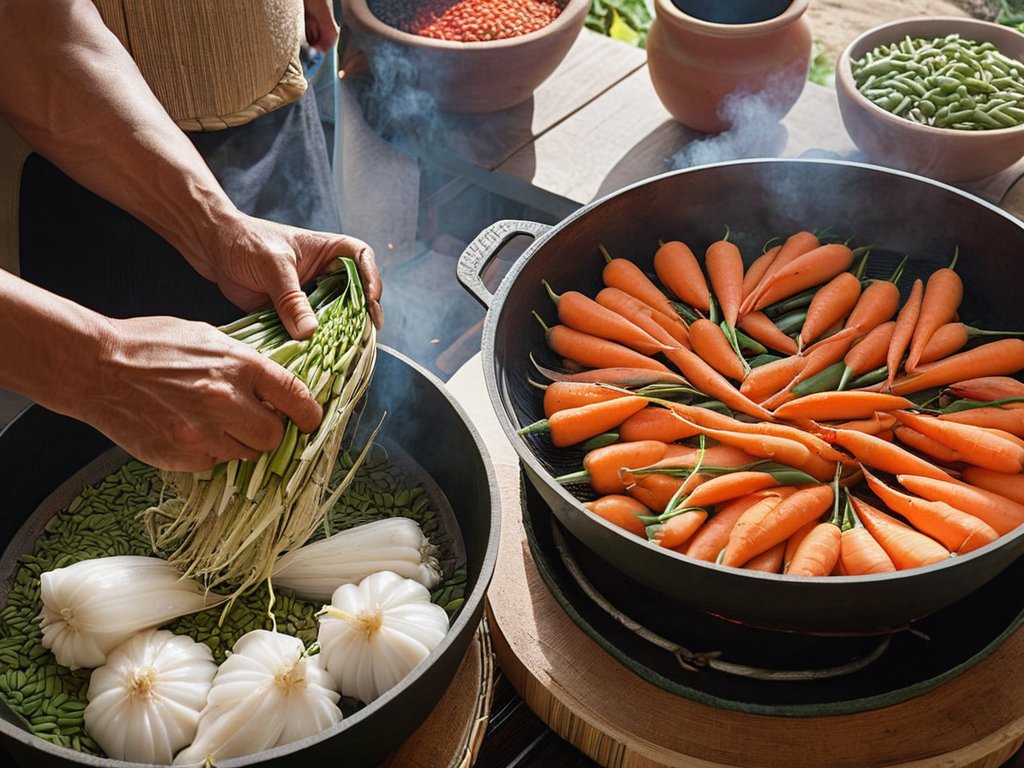
Whenever I wander through a bustling market in Oaxaca or a quiet tea house in Kyoto, I notice how locals instinctively protect the life in their ingredients. One habit that transcends borders is the use of low‑heat cooking methods for nutrients, whether it’s gently steaming fish in a bamboo basket or simmering legumes in a clay pot. These vessels—ceramic, cast‑iron, or even the traditional earthenware—act as silent allies, because the best cookware for nutrient retention often distributes heat evenly, preventing the sudden spikes that can break down delicate vitamins. I’ve found that swapping a heavy‑bottomed pan for a thin‑walled stainless steel skillet can shave minutes off the boil, and those saved seconds make a measurable difference in the impact of cooking time on nutrient loss.
In Accra’s community kitchen we tested blanching green beans just long enough to brighten their color, keeping the nutrient loss in blanching minimal. A swift ice‑water shock stops the food science nutrient degradation and preserves antioxidants. By honoring the optimal cooking temperatures for antioxidants, even a brief sauté keeps spinach’s vivid green alive—proof that a few mindful seconds can link kitchens across continents.
How to Retain Vitamins While Cooking Simple Low Heat Secrets
I’ve learned that the gentlest heat often yields the brightest nutrients. When I simmer a pot of lentils in a Delhi kitchen, I keep the flame low and the lid snug, letting the beans cook slowly for 30 minutes; this preserves B‑vitamins that would otherwise evaporate in a rolling boil. The same principle works with leafy greens—quickly tossing kale in a hot wok for just 45 seconds, then covering it for a brief steam, locks in vitamin C and K while keeping the texture crisp. Across the globe, cooks in coastal Japan shave thin slices of daikon into a cold broth, relying on the brief, low‑temperature blanch that softens the root without leaching its antioxidants. By choosing low‑heat methods—simmering, gentle steaming, or a flash‑sauté—you protect the microscopic powerhouses that keep our meals vibrant and our bodies thriving. A modest habit that yields lasting benefits.
The Impact of Cooking Time on Nutrient Loss Food Science Explained
In Oaxaca I watched a local chef simmer mole for hours and wondered how that long heat exposure altered the bright orange of beta‑carotene in chilies. Food scientists explain that heat speeds oxidative reactions; the longer the exposure, the more water‑soluble vitamins—C and B‑complex—degrade. A 2018 meta‑analysis found that boiling carrots for ten minutes can strip about 30 % of their vitamin C, while a three‑minute steam retains almost all. So it isn’t just the cooking method, but the minutes the food spends in the pot.
That’s why, when I’m stir‑frying in a flat in Bangkok, I set a timer, add the vegetables at the end, and give them enough heat to turn tender. A few seconds less means a few milligrams more vitamin per bite, and the crunch stays bright—an echo of the very vibrancy that first drew me to the dish.
Preserve the Power: 5 Proven Tips to Keep Nutrients Alive in Your Kitchen
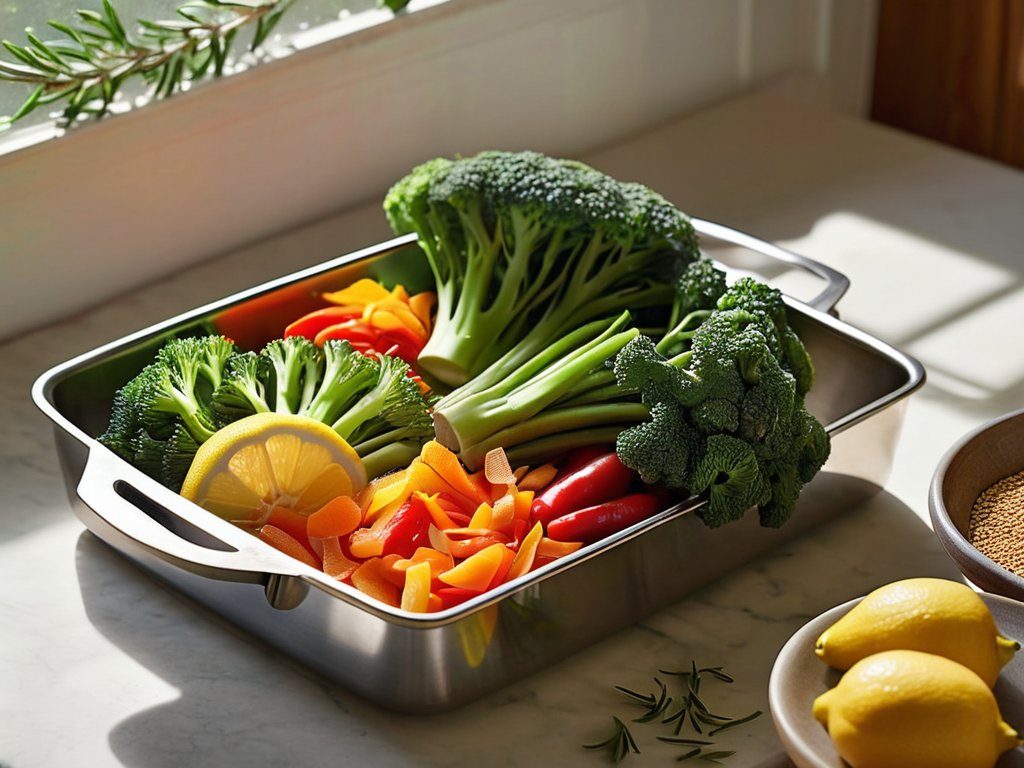
- Swap boiling for steaming or quick‑sautéing—short, gentle heat locks in water‑soluble vitamins like C and B‑complex.
- Embrace the ‘skin‑on’ approach; many minerals and antioxidants nestle just beneath the peel.
- Time your spices: add herbs and garlic in the last few minutes of cooking to protect their delicate phytonutrients.
- Use a lid wisely—trapping steam reduces cooking time, but remember to release it briefly to avoid nutrient‑sapping condensation.
- Choose acid‑rich liquids (lemon juice, vinegar) when simmering; the slight pH shift can shield vitamins from oxidative loss.
Preserving Nutrition, Preserving Culture
When we honor the subtle heat of a simmer or the gentle kiss of steam, we’re not just saving vitamins—we’re safeguarding the stories, traditions, and connections that travel across borders on every plate.
Alexandra Thompson
Wrapping Up: Nutrient Preservation
In the kitchen, the science we explored boils down to a few practical habits: keep the heat gentle, shorten the exposure, and let water work for you rather than against you. By opting for steaming, quick‑sautéing, or a brief flash‑boil, we preserve the bright green of broccoli, the buttery melt of salmon, and the subtle sweetness of carrots—all while locking in low‑heat virtues that safeguard vitamins. Cutting produce into larger chunks, using lids, and finishing with a splash of citrus or a drizzle of oil further seal in nutrient‑rich goodness. When we respect the timing and temperature, the plate becomes a celebration of both flavor and health.
Yet the impact of these choices stretches far beyond the stovetop; each mindful bite becomes a quiet act of culinary stewardship that reverberates across cultures. When families in Delhi, London, or a remote village in the Andes choose to honor the integrity of their food, they are preserving stories, traditions, and the very health of future generations. Imagine a world where every kitchen—whether in a bustling market stall or a modest home—embraces the principle that nourishment need not sacrifice taste. By sharing these low‑impact techniques, we stitch together a global table where sustainability, flavor, and wellbeing sit side by side, inviting us all to cook with purpose and pride.
Frequently Asked Questions
Can I still achieve a good sear on meat while using low‑heat methods to preserve nutrients?
Absolutely—just think of it as a two‑stage dance. I start by bringing the steak to room temperature, then give it a quick, high‑heat flash in a pre‑heated cast‑iron pan for 45 seconds per side. After that, I finish the cut in a low‑heat oven or sous‑vide bath, which locks in moisture and preserves those heat‑sensitive vitamins. The initial sear creates those coveted Maillard flavors, while the gentle finish keeps the nutrients intact.
How do different cooking vessels—like cast iron versus stainless steel—affect vitamin retention?
I’ve found that the pan you choose can be as decisive as the route you take on a road‑trip. Cast‑iron, with its seasoned surface, holds heat steady and lets me sear veggies quickly—short bursts mean less vitamin‑C loss, and the iron itself can boost your dietary iron. Stainless steel, on the other hand, heats faster but can create hot spots; a splash of water or a stir prevents scorching, preserving water‑soluble vitamins while keeping flavors bright.
Are there any quick kitchen tricks to tell if my vegetables have lost too many nutrients during cooking?
I’ve learned a few shortcuts. First, glance at the colour – a dull, faded hue often means water‑soluble vitamins have slipped away. Second, give the veg a quick snap; crisp stems like broccoli should break cleanly, not mush. Third, taste a tiny piece; a flat, muted flavor signals lost nutrients. Finally, if you’ve boiled anything, look at the cooking water: a cloudy broth suggests the vitamins are still swimming, whereas a clear, pale liquid hints they’ve been drained away.