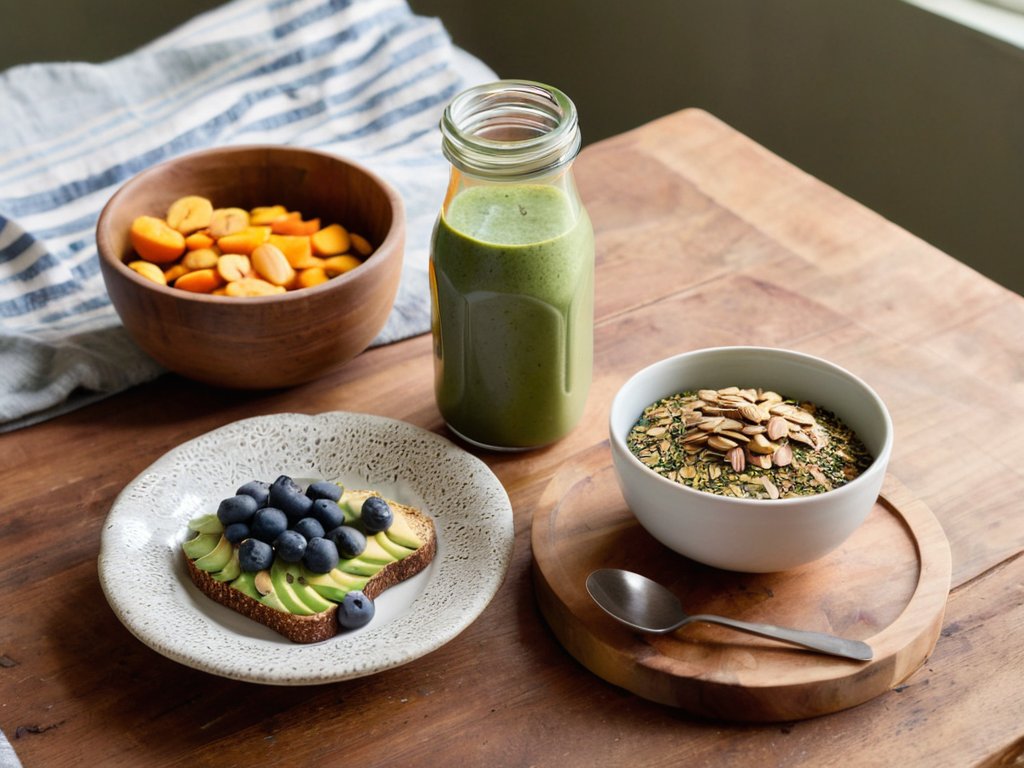
Ever found yourself staring at a ceiling in a cramped hostel in Oaxaca, the humming fan the only soundtrack to a restless night? I’ve chased that same insomnia from the high‑rise flats of London to the monsoon‑soaked streets of Kolkata, and each time I’ve discovered that the answer often lies not in a pill but on the plate. The science may point to melatonin and magnesium, but the real magic is in the foods for better sleep that cultures have been savoring for centuries. Let me take you on a short, flavor‑filled detour into the night‑time kitchens of the world, where a simple bowl can feel like a lullaby.
In the next few minutes I’ll share five humble staples—each paired with a quick back‑story from the places that cherish them—so you can sprinkle a touch of global calm onto your own bedtime ritual. From the golden glow of a fermented drink in the Andes to a handful of nutty seeds revered in West Africa, you’ll walk away with practical tips, serving sizes, and the cultural nuance that turns a snack into a nightly passport. Ready to taste sleep?
Table of Contents
Golden Milk at Dusk

I first tasted golden milk on a monsoon‑soaked balcony in Delhi, where my host would stir fresh turmeric into warm cow’s milk before the city lights flickered on. The fragrant swirl of spiced amber felt like a lullaby for the senses, and I found myself drifting to sleep as soon as I curled up on the floor‑cushioned sofa.
What makes that humble drink a sleep ally is its modest dose of magnesium and the calming hormone melatonin that curcumin helps the brain produce. A cup about an hour before bedtime can lower cortisol, turning the night into a gentle glide rather than a restless climb.
Cherry‑Kissed Dreams

In a tiny taverna on the Cycladic islands, the owner would pour a small bowl of fresh cherries into a glass of chilled water, insisting it was the secret to the villagers’ serene slumber. Watching the sunset over whitewashed walls while nibbling those ruby‑red gems, I sensed a sweet, almost medicinal calm settle over me.
Science backs that feeling: tart cherries are one of the few natural foods rich in melatonin, the hormone that tells our bodies when to wind down. A handful—about a half‑cup—about 30 minutes before lights out can shave minutes off the time it takes to fall asleep.
Kiwi Nightcap from Aotearoa
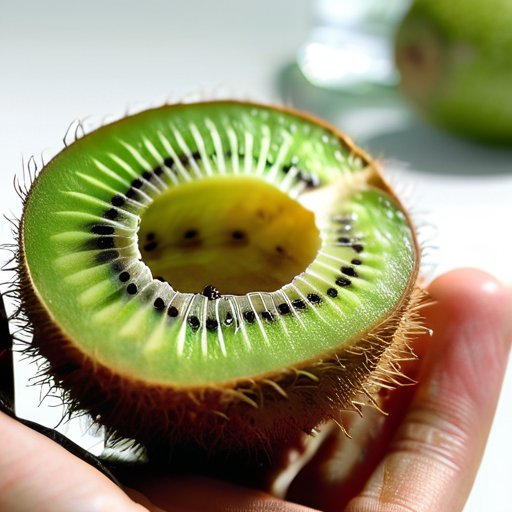
During a research trip to Wellington, a local nutritionist handed me a handful of fuzzy kiwis, claiming they were the country’s best‑kept bedtime trick. The bright green flesh, tinged with a hint of lime, was refreshing, and I could feel the tangy zest coaxing my mind toward quiet.
Kiwi packs a surprising punch of serotonin precursors and antioxidants that regulate our internal clock. Studies from New Zealand show that eating two kiwis an hour before bed can improve sleep onset latency by up to 25 %—a simple, portable ritual I now carry in my suitcase.
Cozy Oatmeal with Almond Whisper
One chilly evening in Reykjavik, I warmed a bowl of steel‑cut oats with a splash of oat milk, then tossed in a sprinkle of toasted almonds. The creamy, nutty aroma reminded me of the volcanic soils that nurture Icelandic grains, and the steam rising felt like a soft, woolen blanket for the soul.
Oats are a natural source of complex carbs that boost the production of tryptophan, the amino acid that the brain converts into sleep‑inducing serotonin. Pairing them with almonds adds a dose of magnesium, creating a double‑layered lullaby for the nervous system.
Chamomile & Honey: A Persian Evening
In a centuries‑old caravanserai outside Shiraz, I joined a group of women sipping chamomile infused with a drizzle of wild honey as the call to prayer faded. The floral steam curled around us like a silken veil, and the conversation dwindled into a gentle hush.
Chamomile contains the antioxidant apigenin, which binds to receptors in the brain to encourage relaxation, while honey provides a modest rise in insulin that helps tryptophan cross the blood‑brain barrier. A cup 20 minutes before bedtime can turn the night into a smooth, uninterrupted glide.
Key Takeaways for Restful Nights
A balanced mix of tryptophan‑rich foods (like turkey or chickpeas) and complex carbs can coax your brain into producing more melatonin naturally.
Incorporating magnesium‑laden snacks such as almonds or leafy greens in the evening helps relax muscles and calm the nervous system, paving the way for deeper sleep.
Timing matters: enjoy these sleep‑supporting foods about 30‑60 minutes before bed, and keep caffeine‑heavy or overly sugary options at bay to avoid disrupting your circadian rhythm.
Dreams Served on a Plate
Across continents, from the amber tea of Morocco to the millet porridge of the Andes, the foods we share at night are more than sustenance—they are lullabies that whisper our bodies into rest.
Alexandra Thompson
Wrapping Up: A Night‑time Feast for Restful Dreams
Looking back at our little culinary tour, I’m reminded how a handful of nature’s gifts can turn a restless night into a gentle lullaby. The tart burst of cherries, the creamy crunch of almonds, the soothing sip of chamomile tea, the humble oat bowl, and even a slice of kiwi each bring a unique blend of melatonin, magnesium, and calming phytochemicals that coax the nervous system toward calm. By pairing these sleep‑supporting foods with a consistent night‑time ritual—dim lights, a quiet space, and a moment of gratitude—we set the stage for our bodies to recognize it’s time to unwind.
What stays with me, after trekking from the tea gardens of Assam to the almond orchards of Andalusia, is that the act of eating for sleep is as much cultural as it is physiological. Each bite carries a story—a farmer’s sunrise, a family’s bedtime chant—woven into a global bedtime tapestry that reminds us we’re never truly alone under the night sky. So tonight, I invite you to pick one of these five allies, plate it with intention, and let the flavors whisper the world’s lullaby into your senses. May your dreams be as rich and varied as the plates that usher them. And when the morning light finds you refreshed, remember that the same ingredients can be reshaped into a nourishing breakfast, closing the circle of restorative eating.
Frequently Asked Questions
Can certain foods actually disrupt my sleep cycle even if they seem healthy?
Absolutely—some foods that look like wellness gold can actually nudge your night off‑balance. I’ve found that high‑fiber beans or lentil soups, while heart‑healthy, can stir up gas and keep you tossing. Citrus fruits and tomatoes raise acidity, making it harder to settle. Even a handful of almonds or a late‑afternoon matcha delivers enough protein or caffeine to spike your metabolism. The trick is timing: enjoy these power foods earlier in the day and keep the evening menu light.
How many servings of these sleep‑supporting foods should I eat before bedtime for optimal effect?
From my travels and kitchen experiments, I’ve settled on portions that feel like a nudge, not a heavy meal. A small bowl (about ½‑¾ cup) of warm oatmeal topped with a drizzle of honey works well; a handful (≈¼ cup) of almonds; a cup of tart cherry juice or a few fresh cherries; a cup of herbal tea steeped for 5 minutes; and a slice of banana‑rich toast. Aim to enjoy them 30‑60 minutes before lights out.
Are there cultural or regional variations in sleep‑enhancing foods that I can try while traveling?
Absolutely—every corner of the world has its own soothing snack. In Japan, a mug of barley tea (mugicha) mellows the nervous system, while a slice of miso‑flavored rice cake offers protein. In Morocco, honey and a pinch of cinnamon over steaming mint tea calms cortisol spikes. Up north, Icelandic skyr mixed with berries supplies tryptophan and antioxidants. And in Oaxaca, a cup of chamomile‑infused hibiscus agua fresca ends the day with a floral lullaby.