I’m standing on the cracked stone floor of a tiny kitchen in a hill‑top village near Bologna, my hands slick with flour as the dough stubbornly sticks to the wooden board. In that humid afternoon, I realized the biggest myth of Italian pasta making—that you need a fancy mixer or a mountain of exotic flour—was simply wrong. All it takes is patience, a pinch of salt, and the willingness to listen to the dough’s quiet resistance. The moment the sheet finally yields, it feels less like cooking and more like a conversation across generations.
Over the next few minutes I’ll walk you through every honest step of my method—how to choose the right flour, knead without a machine, roll the sheets to the perfect thickness, and cut shapes that hold sauce like a secret. I’ll also share the three little tricks I picked up in Delhi’s street markets and in a centuries‑old trattoria that prevent the pasta from sticking and keep it tender after a quick boil. By the end, you’ll be able to create hand‑crafted pasta that feels truly authentic, without any culinary pretension, and confidence.
Table of Contents
Project Overview
Total Time: 1 hour 30 minutes
Estimated Cost: $15 – $30
Difficulty Level: Intermediate
Tools Required
- Pasta Machine (hand‑crank or electric) (For rolling and cutting dough)
- Rolling Pin (Optional, for flattening dough before using the machine)
- Mixing Bowl (Large, non‑reactive)
- Kitchen Scale (For accurate flour and egg measurements)
- Fork or Dough Mixer (To combine ingredients)
- Sharp Knife or Pizza Cutter (For cutting pasta sheets or shapes)
- Clean Kitchen Towels (To prevent dough from drying)
Supplies & Materials
- Tipo 00 Flour (or all‑purpose flour) (About 2 cups (250 grams) per batch)
- Large Eggs (2–3 eggs per batch, depending on size)
- Olive Oil (1 teaspoon (optional, adds elasticity))
- Salt (Pinch, for flavor)
- Water (A splash if dough feels too dry)
Step-by-Step Instructions
- 1. First, I gather the basics: a mound of 200 g “00” flour, two large eggs, a pinch of sea salt, and a drizzle of extra‑virgin olive oil. I whisk the eggs in a shallow well at the centre of the flour, letting the liquid mingle with the dust before I begin to combine them with a fork, slowly drawing in the surrounding flour until a shaggy dough forms.
- 2. Next, I knead the dough on a lightly floured surface, pressing, folding, and turning it for about 10 minutes. The texture should shift from crumbly to smooth and elastic, like the silk of a sari caught in a gentle breeze. If it feels too dry, I add a few drops of water; if too sticky, a dusting of flour does the trick.
- 3. Then comes the resting: I shape the dough into a ball, wrap it tightly in parchment, and let it rest at room temperature for at least 30 minutes. This pause lets the gluten relax, making the later rolling process effortless—much like the calm before a bustling market day in Marrakech.
- 4. Now I roll the rested dough using a hand‑crank pasta machine, starting at the widest setting. I feed the dough through twice, then narrow the rollers incrementally, passing the sheet through each setting twice more until it’s paper‑thin and translucent, reminiscent of a sunrise over the Amalfi Coast.
- 5. After the sheet is ready, I shape the pasta: for tagliatelle, I fold the sheet loosely and slice it into ribbons about 8 mm wide, then shake them out onto a floured tray. For a more rustic touch, I can hand‑cut farfalle by pinching small rectangles and folding them into bow‑shapes, letting each bite tell a story of its own.
- 6. Finally, I cook the fresh pasta in a large pot of salted boiling water for just 2–3 minutes, until it floats to the surface and feels tender to the bite. I reserve a ladle of the starchy broth, toss the pasta with a simple sauce—perhaps pomodoro from a sun‑kissed garden in Tuscany—and finish with a sprinkle of Pecorino. The result? A plate that bridges my London‑born palate with the flavors of my Indian roots, inviting anyone who tastes it to join the conversation.
Italian Pasta Making a Global Journey From Flour to Fork
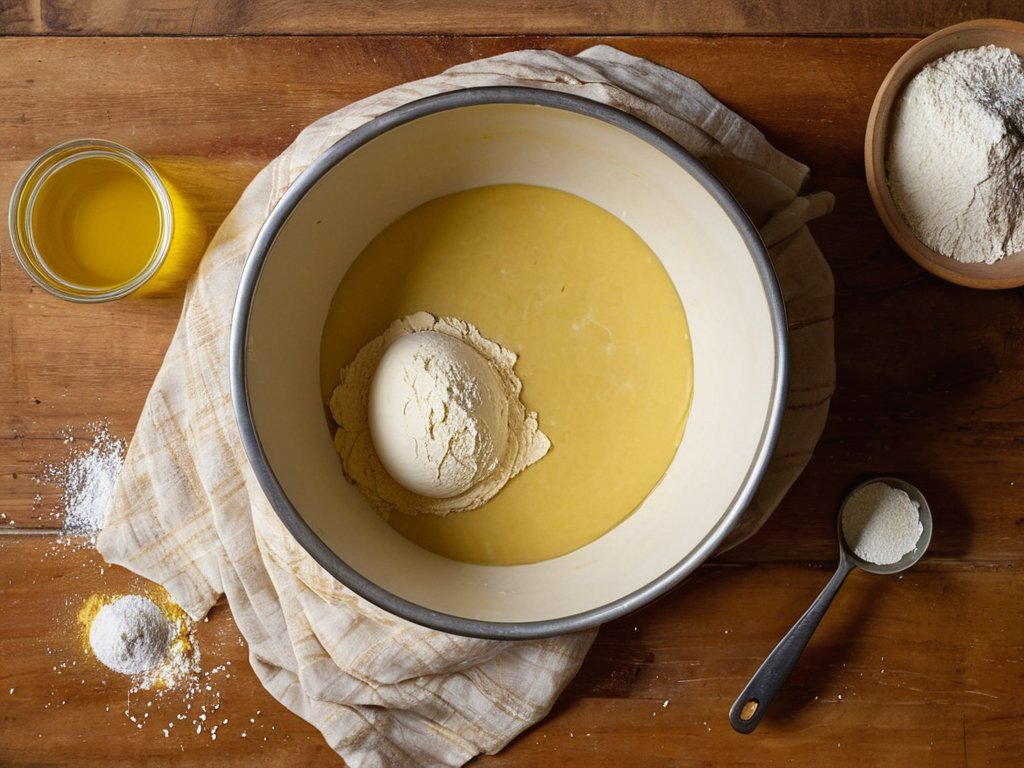
As I whisk the eggs into the flour, the grain you choose defines the strand. The best flour for homemade pasta is a blend of 00 and semolina; the former gives silk, the latter adds bite. After the dough comes together, a gentle knead and a brief rest let the gluten relax, making it easier to roll thin. My favorite fresh egg pasta dough tips include a pinch of fine sea salt and a splash of olive oil to improve elasticity, then using a wooden rolling pin to achieve an even thickness without crushing the fibers.
Once the ribbons are cut, the timing of drying can turn a dinner into a dialogue. Handmade pasta drying methods range from a single‑layer linen rack that echoes Tuscan breezes to hanging strands over a bamboo pole, a technique I learned in Sicily. While the pasta hangs, I consult my traditional Italian pasta shapes guide to pair each form with its ideal companion—think orecchiette with broccoli rabe or tagliolini with a butter‑sage sauce. Pairing the right sauce with fresh pasta not only lifts flavor but also honors the story behind each bite.
Best Flour for Homemade Pasta Fresh Egg Pasta Dough Tips
When I rolled tagliatelle in seaside kitchen in Puglia, the flour felt like a handshake with the region. For an al‑dente bite I reach for Italian “00” flour – its fine grind yields a dough that stretches like a silk scarf yet holds its shape in a boil. If you prefer a heartier bite, blend 70 % “00” with 30 % semolina; the amber specks add a nuttiness that reminds me of Delhi’s markets.
Two egg‑centric tips have saved my evenings in hostels: let the eggs sit at room temperature for fifteen minutes before whisking – the warmer liquid greases the gluten and prevents a crumbly mess. Then, after the dough comes together, rest it wrapped in plastic for thirty seconds; this pause relaxes the gluten, letting the rolling pin glide without tearing so you can focus on the stories each ribbon will carry to the plate.
Handmade Pasta Drying Methods Rolling Pin Techniques
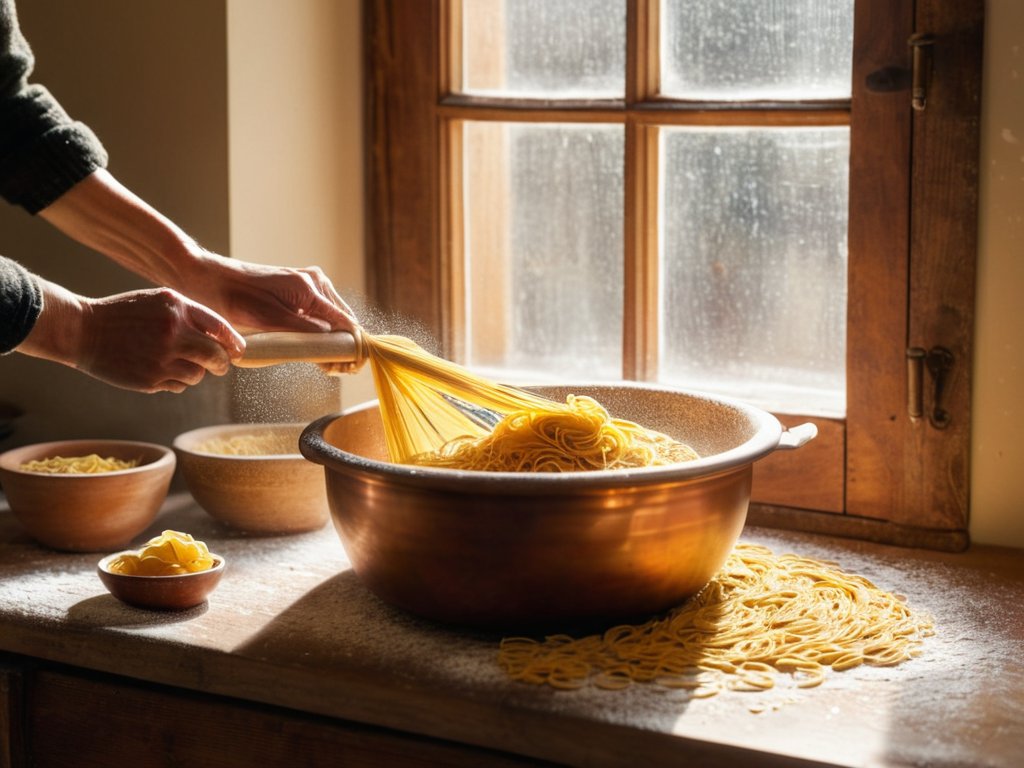
After the dough rests, I reach for my trusted wooden rolling pin—the one I first borrowed from a Tuscan nonna during a month‑long exchange in Siena. I press gently, letting the pin glide in long, even strokes, rotating the sheet a quarter turn after each pass. The rhythm feels like a conversation with the flour itself, and the slight feather‑light dust that settles reminds me of the Himalayan breezes that once carried my grandfather’s stories.
In the kitchen of my flat in Delhi, I dry the ribbons on a bamboo rack, spacing them enough to let air circulate without clumping. For strands like tagliatelle, I hang them over a broom handle, allowing sun’s warmth to coax out the right amount of moisture. If humidity threatens, an oven set to 140°F for ten minutes preserves silkiness while preventing brittleness.
Threads of Tradition in Every Strand
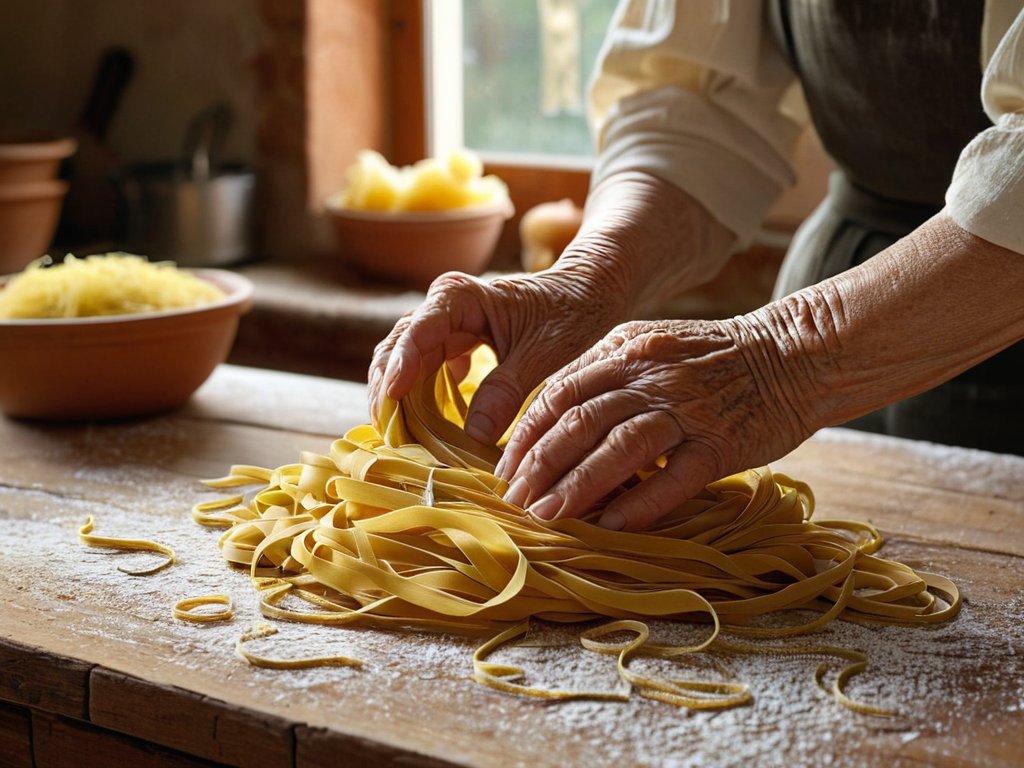
Each time I knead fresh pasta, I feel the echo of centuries‑old trade routes and the hum of kitchens from Naples to New Delhi; the dough becomes a living map, reminding us that a simple strand can bind cultures, histories, and hearts across the world.
Alexandra Thompson
Conclusion
Looking back on the steps we’ve walked through, the heart of authentic Italian pasta lies in a few deliberate choices. Selecting the best flour—whether the classic 00 for ribbons or a hearty durum blend for shapes—sets the texture, while the egg‑to‑flour ratio determines richness. A knead, a rest, and a rolling pin or pasta machine create a dough that yields thin sheets ready for cutting. From tagliatelle to pappardelle, we explored handmade pasta drying methods that keep flavor and texture, and we reminded ourselves why a tumble in salted water is the prelude to sauce. In short, each decision, from flour to boil, stitches together tradition.
When those ribbons finally surface, they carry more than moisture—they carry stories. Each bite of al dente fettuccine is a passport to the bustling markets of Bologna, the seaside trattorias of Naples, and even the kitchens of my grandparents in Delhi where wheat first met spice. By mastering the craft, we become part of a global conversation, inviting friends and strangers alike to share a plate and a narrative. I hope the scent of butter and sage drifting from your stove reminds you that culinary connections are as enduring as the vintage globes gathering dust on my shelf. Keep rolling, keep tasting, and let every pasta strand be a bridge to another world.
Frequently Asked Questions
Can I substitute gluten‑free flour for traditional durum wheat without compromising texture?
As I experiment in my kitchen in the hills of Umbria, I’ve found that gluten‑free flour alone rarely mimics the bite of durum wheat. A blend of 00 rice flour, a pinch of xanthan gum, and finely ground chickpea flour comes close, especially with a splash of olive oil and a touch more egg. The dough feels softer, but with a brief rest it holds together and yields a tender strand, not quite the classic al‑dente snap.
How long should fresh egg pasta dough rest before rolling, and does temperature affect the outcome?
I usually let the dough rest for about 30 minutes at room temperature—just enough for the gluten to relax and the moisture to even out. If the kitchen is warm (above 75 °F/24 °C), I shorten the rest to 20 minutes; cooler rooms (around 65 °F/18 °C) can handle the full half‑hour or a bit longer. Too much heat can make the dough too soft, while a chill can tighten it, affecting the roll‑out.
What’s the best way to store homemade dried pasta to keep it flavorful for months?
I always keep my dried pasta in an airtight glass jar, layered with a thin sheet of parchment to keep strands from sticking. Store the jar in a cool, dark pantry—no sunlight, no humidity. A small silica packet (food‑grade) helps absorb any stray moisture without affecting flavor. If you’ve made a large batch, divide it into 250‑gram portions; that way you open only what you need, preserving the rest for months.