As I stood in my grandmother’s kitchen in New Delhi, watching her expertly stir a mixture of cooking oils for her famous curry, I couldn’t help but think about the environmental impact of cooking oils. The aroma of sizzling spices and the sound of sputtering oil on the stovetop are etched in my memory, but what’s often overlooked is the profound effect our choice of cooking oils has on the planet. From deforestation to pollution, it’s clear that we need to rethink our kitchen staples.
In this article, I promise to cut through the noise and provide you with honest, experience-based advice on navigating the complex world of cooking oils. As someone who’s spent years traveling to remote locations and engaging in cultural exchange programs, I’ve had the privilege of learning about sustainable practices from communities around the globe. I’ll share my insights on how to make informed choices that not only benefit your health but also the health of our planet. My goal is to inspire informed discussions and broaden perspectives on the complexities of our world, one kitchen at a time.
Table of Contents
Sizzling Truths Cooking Oils
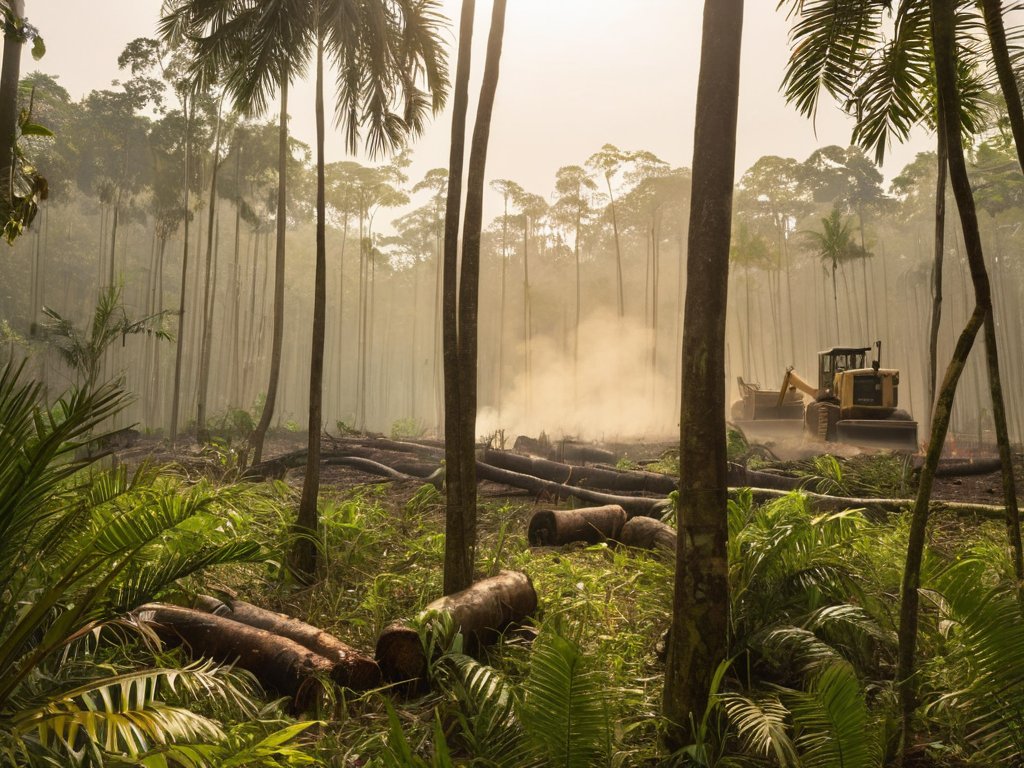
As I delve into the world of cooking oils, I’m struck by the complex relationships between our kitchen staples and the planet. The journey of a cooking oil, from seed to plate, is often fraught with hidden costs, including deforestation and pollution. For instance, the production of palm oil, a common ingredient in many cooking oils, has been linked to widespread deforestation and habitat destruction.
The carbon footprint of cooking oils is another pressing concern. The extraction, processing, and transportation of these oils contribute significantly to greenhouse gas emissions. However, there are alternatives, such as biodiesel from used cooking oil, which can help reduce our reliance on fossil fuels and lower emissions. By embracing these innovative solutions, we can create a more sustainable food system.
In the pursuit of sustainability, eco-labeling for food products can play a vital role. By providing consumers with clear information about the environmental impact of their food choices, we can empower them to make informed decisions. As I reflect on my own travels, I’ve seen firsthand the renewable energy potential of vegetable oils, from biodiesel-powered buses to community-led initiatives. By harnessing this potential, we can create a more regenerative and circular food system.
Biodiesel Hope From Used Oils
As I delved deeper into the world of cooking oils, I stumbled upon a beacon of hope – biodiesel production from used oils. This innovative approach not only reduces waste but also provides a sustainable alternative to traditional fossil fuels. By converting used cooking oils into biodiesel, we can significantly decrease our reliance on non-renewable energy sources.
The potential for closed-loop systems is particularly exciting, where used oils are collected, converted, and reused, minimizing waste and pollution. This approach can be especially effective in remote locations, where access to traditional energy sources is limited, and I’ve seen it firsthand during my travels to rural areas, where local communities are embracing this technology to power their homes and businesses.
Palm Oil Sustainability Issues
As I delved deeper into the world of cooking oils, I began to uncover the complex issues surrounding palm oil. Sustainability concerns have long plagued the industry, with widespread deforestation and habitat destruction leaving deep scars on the environment. The demand for palm oil has led to the clearing of vast swaths of land, threatening the very existence of endangered species.
The production of palm oil is often shrouded in controversy, with transparency issues hindering efforts to track the source of the oil. This lack of transparency makes it difficult to ensure that the oil is being produced in a responsible and sustainable manner, further exacerbating the environmental problems associated with its production.
Environmental Impact of Cooking Oils
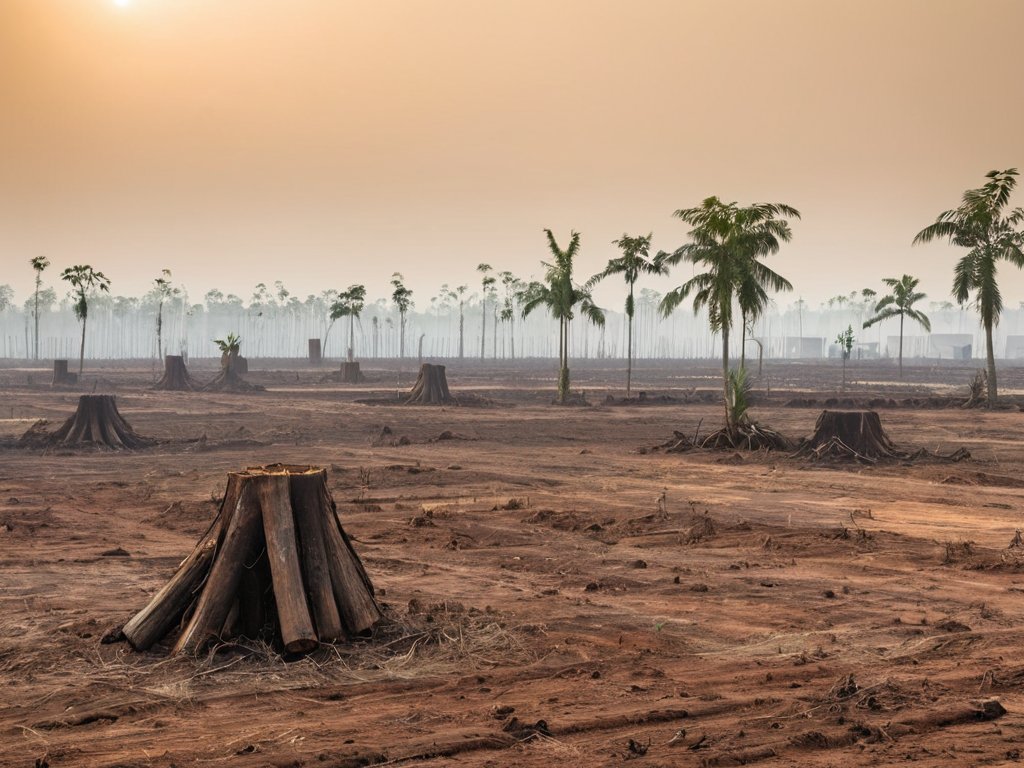
As I delved deeper into the world of cooking oils, I began to grasp the profound consequences of our culinary choices. The journey of cooking oils from production to disposal is a complex one, with each stage leaving an indelible mark on our planet. From the clearing of land for palm oil plantations to the disposal of used cooking oil, every step contributes to the growing concern of greenhouse gas emissions. It’s astonishing to think that something as mundane as cooking oil can have such far-reaching implications.
The production of cooking oils, particularly palm oil, has been plagued by sustainability issues. The rapid expansion of palm oil plantations has led to widespread deforestation, habitat destruction, and loss of biodiversity. Moreover, the transportation of these oils across the globe further exacerbates the problem, resulting in a significant carbon footprint. However, there are glimmers of hope, such as the emergence of renewable energy from vegetable oils, which could potentially offset some of the environmental damage.
In an effort to mitigate the environmental damage, some companies are adopting eco-labeling for food products, which provides consumers with a clearer understanding of the environmental implications of their purchases. Furthermore, the production of biodiesel from used cooking oil offers a promising solution, as it not only reduces waste but also provides a cleaner alternative to traditional fossil fuels. As consumers, it’s essential that we make informed choices and support sustainable practices to reduce the cooking oil carbon footprint and create a more environmentally conscious food industry.
Cooking Oil Carbon Footprint Matters
As I delved into the world of cooking oils, I began to grasp the significance of their carbon footprint. It’s astonishing to think that something as mundane as cooking oil can have such a profound impact on our planet. The production, transportation, and disposal of cooking oils all contribute to greenhouse gas emissions, making it a crucial aspect to consider in our daily lives.
The sustainability of cooking oils is often overlooked, but it’s an essential factor in reducing our environmental impact. By choosing cooking oils that are locally sourced, organic, and produced with environmentally friendly methods, we can make a significant difference. Every small change we make in our kitchens can have a ripple effect, inspiring others to join the movement towards a more eco-friendly lifestyle.
Eco Labeling for Greener Food Choices
As I delved into the world of eco-labeling, I realized that informed consumer choices can significantly impact the environment. By choosing products with eco-labels, consumers can support sustainable practices and reduce their carbon footprint. This, in turn, can drive demand for greener food choices and encourage companies to adopt more environmentally friendly practices.
The use of certification standards can help ensure that eco-labels are credible and trustworthy. This can include standards for sustainable agriculture, renewable energy, and waste reduction. By looking for these certifications, consumers can make more informed choices and contribute to a more sustainable food system.
Navigating the Complexities of Cooking Oils: 5 Key Considerations for a Sustainable Kitchen

- Choose oils with a low carbon footprint, such as locally sourced olive or avocado oil, to reduce the environmental impact of transportation and production
- Consider the water usage and pollution associated with certain oil crops, like almonds or palms, and opt for more sustainable alternatives when possible
- Repurpose used cooking oils by converting them into biodiesel or using them as fertilizers, reducing waste and the demand for virgin resources
- Look for eco-labels and certifications, such as the Roundtable on Sustainable Palm Oil (RSPO), to ensure that your cooking oils are sourced responsibly and with minimal environmental harm
- Experiment with oil-free or low-oil cooking methods, like air frying or steaming, to not only reduce your environmental footprint but also create healthier, more flavorful dishes
Key Takeaways: Navigating the Complex World of Cooking Oils
As I reflect on my journey through the world of cooking oils, I’ve come to realize that the environmental impact of our culinary choices is far more profound than I initially thought, from the deforestation linked to palm oil production to the innovative potential of biodiesel derived from used cooking oils.
The path to sustainability in cooking oils is not just about the type of oil we use, but also about how we produce, consume, and dispose of it, highlighting the need for eco-labeling and greener food choices that consider the carbon footprint of our kitchen staples.
Ultimately, bridging the gap between cultures and fostering a global understanding of our shared environmental challenges requires a nuanced approach, one that balances the economic, social, and environmental dimensions of cooking oil production and consumption, inspiring informed discussions and broader perspectives on the complexities of our interconnected world.
A Global Awakening
As we navigate the complexities of sustainable living, it’s striking to note that the oils we cook with can either simmer our planet into chaos or stir a recipe for renewal – the choice is ours, and it starts with every sizzling pan.
Alexandra Thompson
Conclusion
As I reflect on the environmental impact of cooking oils, it’s clear that our daily choices in the kitchen have far-reaching consequences. From the biodiesel hope offered by used oils to the sustainability issues surrounding palm oil, each option presents a unique set of challenges and opportunities. The carbon footprint of our cooking oils matters, and initiatives like eco-labeling can empower consumers to make greener food choices. By understanding these complexities, we can begin to make informed decisions that benefit both our health and the health of our planet.
As we move forward, it’s essential to recognize that the story of cooking oils is a microcosm of our larger relationship with the environment. By embracing sustainable practices and supporting cultural exchange programs that promote environmental stewardship, we can foster a global community that values the well-being of our planet. As I look at my collection of vintage globes, I’m reminded of the incredible diversity and beauty of our world – and the importance of preserving it for future generations. Let us continue to explore, to learn, and to inspire one another to create a brighter, more sustainable future.
Frequently Asked Questions
What are some eco-friendly alternatives to traditional cooking oils that can help reduce my carbon footprint in the kitchen?
I’ve discovered some fantastic eco-friendly alternatives, such as avocado oil, grapeseed oil, and sunflower oil, which not only bring unique flavors to dishes but also have a lower carbon footprint compared to traditional options like palm oil.
How can I ensure that the cooking oils I use are sustainably sourced and do not contribute to deforestation or habitat destruction?
As I’ve learned from my travels, opting for certified sustainable oils like RSPO-certified palm oil or locally sourced alternatives can significantly reduce your environmental footprint. Look for eco-labels like the Roundtable on Sustainable Palm Oil or the Forest Stewardship Council, and choose oils that are produced with minimal harm to biodiversity.
Are there any certifications or labels that I can look for when purchasing cooking oils to guarantee that they meet certain environmental standards?
When shopping for eco-friendly cooking oils, look for certifications like the Roundtable on Sustainable Palm Oil (RSPO) or the International Sustainability and Carbon Certification (ISCC) label, which ensure that the oil meets rigorous environmental standards.